Warm afternoons carry a certain kind of hush—the kind that happens when the sun softens, kids slow down, and a pitcher sits on the porch table waiting to be poured. That’s the image I chase with this simple orange-lemonade: a bright, nostalgic sip that invites people to gather without fuss. You can almost hear the clink of ice and the low hum of conversation as neighbors trade small talk. This drink does more than quench thirst; it stitches ordinary moments into something worth remembering.
I learned to make this orangeade at family potlucks and neighborhood block parties where nothing fancy performed better than honest flavor. Fresh citrus wakes up the palate, and a little sweetener smooths edges so everyone—from toddlers to grandparents—finds comfort in the glass. The recipe stays flexible: use sparkling water for a celebratory fizz, switch to honey for a floral note, or chill everything ahead so you can focus on company instead of the kitchen. That ease keeps the focus where it should be—on togetherness.
DishGrub tests each recipe until it stands up in real life: quick enough for weeknights, friendly enough for company, and forgiving when you improvise. We design recipes for U.S. home cooks who want dependable comfort food without complicated steps or obscure ingredients. This orange-lemonade fits the bill: four ingredients, fast prep, and results that taste like sunshine. Our testers poured it at backyard barbecues and weekday dinners, and everyone came back for seconds. We keep measurements flexible and offer practical notes so you can tailor sweetness and strength to your family’s taste. Pour a glass, pass the pitcher, and enjoy the small pleasures of a simple, well-made drink.
Why this recipe works
This recipe succeeds because it highlights three fundamentals: fresh flavor, balanced sweetness, and minimal effort. Fresh-squeezed orange juice brings sweetness and roundness, while fresh lemon juice adds bright, acidic lift. Those two qualities create a natural balance that bottled mixes struggle to match.
Using a simple sweetener—honey or sugar—lets you control intensity without masking citrus notes. Dissolving the sweetener into the juice before adding water ensures even sweetness in every glass. Chilled water, whether still or sparkling, dilutes the juices just enough to make the drink refreshing instead of syrupy. If you choose sparkling water, the tiny bubbles carry citrus aromatics to your nose, enhancing perceived flavor without extra sugar.
Finally, the small ingredient list keeps the process fast and foolproof. You can scale the recipe easily for one glass or a party pitcher, and the straightforward steps reduce the chance of overcomplicating a perfectly good drink.
How to prepare 4-ingredient Orange Lemonade (Orangeade)
Set up a small assembly line: citrus, juicer, measuring cup, small bowl for sweetener, and a chilled pitcher. Give yourself two basic goals—extract the most juice without pithy bitterness and dissolve the sweetener fully—then let the chilled water do the rest.
Squeeze the oranges and lemons into a clear measuring cup so you can see volumes and adjust ratios easily. If you prefer a smoother texture, strain seeds and pulp through a fine-mesh sieve, but leaving a little pulp adds a fresh, homemade look. When you stir the sweetener into the concentrated juice, taste as you go. Sweetness preferences vary widely; start with less and add more until the balance feels right. Finally, add chilled water slowly and taste again. If you use sparkling water, add it at the end to preserve fizz and pour gently to keep bubbles lively.
Ingredients
- fresh-squeezed orange juice
- fresh-squeezed lemon juice
- sweetener (like honey or sugar)
- chilled water (still or sparkling)
Instructions
- Squeeze the juice from the oranges and lemons into a measuring cup.
- In a pitcher, combine the fresh-squeezed juices with the sweetener and stir until dissolved.
- Add the chilled water to the mixture and stir again.
- Taste and adjust sweetness if necessary.
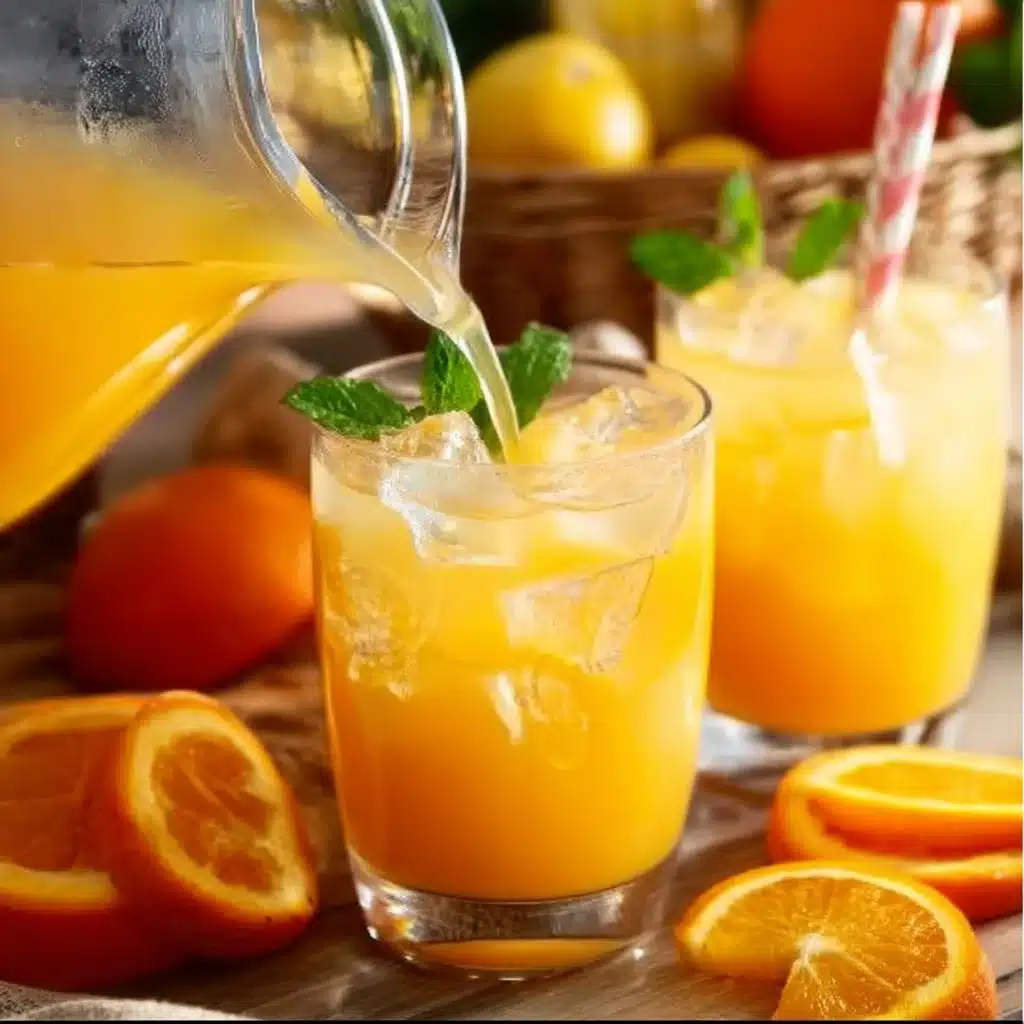
- Serve over ice and enjoy your refreshing Orange Lemonade!
Serving ideas
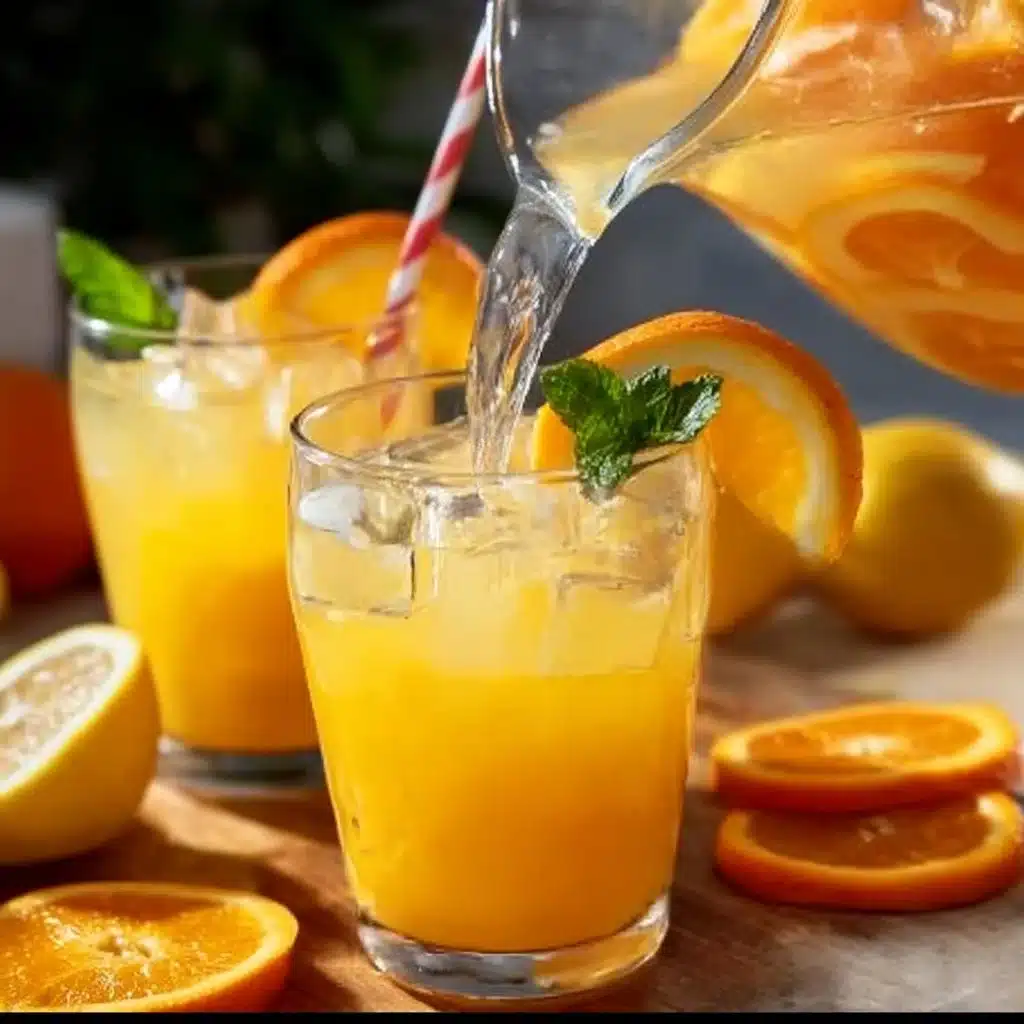
Serve this orangeade in tall glasses with plenty of ice for backyard sipping, or pour it into mason jars with lids for take-along refreshments at picnics. Garnish each glass with a thin orange wheel or a lemon twist for a pretty, aromatic finish. Fresh mint or basil leaves add a herbaceous note—clap the mint between your palms to release oils before dropping it in the glass.
For adult gatherings, offer a bottle of vodka, gin, or sparkling rosé on the side so guests can spike their own drinks. A splash of ginger beer gives a spicy lift and pairs well with a thyme sprig. For a brunch twist, float a few raspberries or blackberries to introduce subtle berry sweetness and visual contrast.
For kids, freeze some juice into ice cube trays and toss a couple of citrus ice cubes into each glass. As the cubes melt, the drink brightens without getting watered down quickly. For a playful dessert, blend the orangeade with ice for a slushie that tastes like sunshine in a cup.
How to store it properly
Store your orangeade in the coldest part of the refrigerator in a sealed pitcher or airtight container. It holds best for up to 48 hours when you use fresh-squeezed juice, because citrus flavor gradually dulls and acids mellow over time. If you plan to make it ahead for an event, prepare the juice concentrate and sweetener mix separately, and add chilled water just before serving to preserve brightness.
Avoid leaving the drink at room temperature for extended periods; bacterial growth accelerates with sugar and fresh juice at warm temperatures. If you want to keep a fizzy version overnight, store sparkling orangeade in glass bottles with tight caps to help maintain carbonation. Stir well before serving—natural separation may occur as pulp settles or as ingredients relax.
For long-term storage, freeze the juice (without water) in ice cube trays or freezer-safe containers. Thaw in the fridge and mix with water to taste when you want a quick pitcher.
DishGrub Kitchen Tips
Use a handheld citrus reamer or a sturdy handheld juicer to get the most juice with the least fuss. Roll citrus on the counter under your palm for 20–30 seconds before cutting to loosen juices. Cut fruits crosswise for easier extraction.
If you use honey, warm it slightly so it mixes smoothly into the warm-ish juice before adding cold water. For granulated sugar, dissolve it completely into the juice concentrate; stirring well prevents gritty texture in the final drink. If you want a clearer drink, strain the combined juice through a fine-mesh sieve into the pitcher before adding water.
Keep a small pitcher of chilled water in the fridge so you can top up without diluting flavor with warm tap water. When you make fizz-forward orangeade, add sparkling water last and pour gently down the side of the pitcher to preserve bubbles. Taste as you go and trust your palate—ingredients and preferences vary, so small adjustments make the drink yours.
Recipe variations
Turn this base into many different drinks with a few simple swaps. Swap half the orange juice for grapefruit for a tart, citrus-forward profile. Add a tablespoon of grated fresh ginger while mixing the juices for spice that pairs beautifully with honey. Muddle a handful of strawberries or raspberries in the bottom of each glass for a fruitier version with a lovely color.
For a richer sweet note, make a simple syrup by heating equal parts sugar and water until the sugar dissolves; cool before adding. That syrup blends seamlessly at any temperature. For botanical complexity, steep a few sprigs of lavender or rosemary in the warm syrup for 10 minutes, then strain.
If you want a frozen treat, pour the mixed orangeade into an ice cream maker or freeze and blend with ice for a granita. For adults, a splash of tequila or aged rum complements the citrus and lifts the drink into cocktail territory. For a low-sugar option, use a liquid stevia or erythritol blend, and add a pinch of salt to round the flavors.
Common questions
How much juice do I need per serving?
A good rule of thumb gives you a balanced glass: use about 3/4 cup fresh-squeezed orange juice and 2 tablespoons fresh lemon juice for a 12-ounce serving before adding water and ice. That ratio provides sweetness and body from the orange and brightness from the lemon. Scale up by maintaining the same proportions: for a 1-quart pitcher, multiply by four.
Can I use bottled orange or lemon juice instead of fresh?
You can substitute bottled juice in a pinch, but fresh juice delivers brighter aromatics and cleaner acidity. If you use bottled juice, choose a high-quality brand with no added sugar or preservatives, and taste as you go—bottled juices sometimes contain added sweeteners or concentrates that change the balance. Add a little extra lemon if the bottled orange tastes flat, and adjust sweetness only after tasting.
What’s the best sweetener to use?
Sugar dissolves reliably and maintains a neutral profile. Honey adds floral character and pairs especially well with orange, while simple syrup gives the smoothest mouthfeel at any temperature. Use about 1 to 2 tablespoons of sugar or honey per cup of combined juice as a starting point, then taste and adjust. If you prefer low-calorie options, liquid sweeteners like monk fruit or liquid stevia blend more predictably than granulated sweeteners.
Can I make this ahead for a party?
Yes. Prepare the citrus concentrate and sweetener up to a day ahead and refrigerate. Keep chilled water separate and combine just before serving to retain brightness. If using sparkling water, add it only right before guests arrive to preserve carbonation.
How do I keep the drink fizzy for longer?
Chill all components thoroughly before mixing. Add sparkling water last and pour gently. Store leftovers in tight-sealing glass bottles in the fridge; opening them as needed will reduce fizz, but a chilled, capped bottle preserves carbonation longer than an open pitcher.
Conclusion
If you want another tested take on this bright summer drink, check Fresh Orange Lemonade (Orangeade) 4-Ingredient Summer Drink for more serving notes and variations. Enjoy how fast this comes together and how well it brings people to the table.