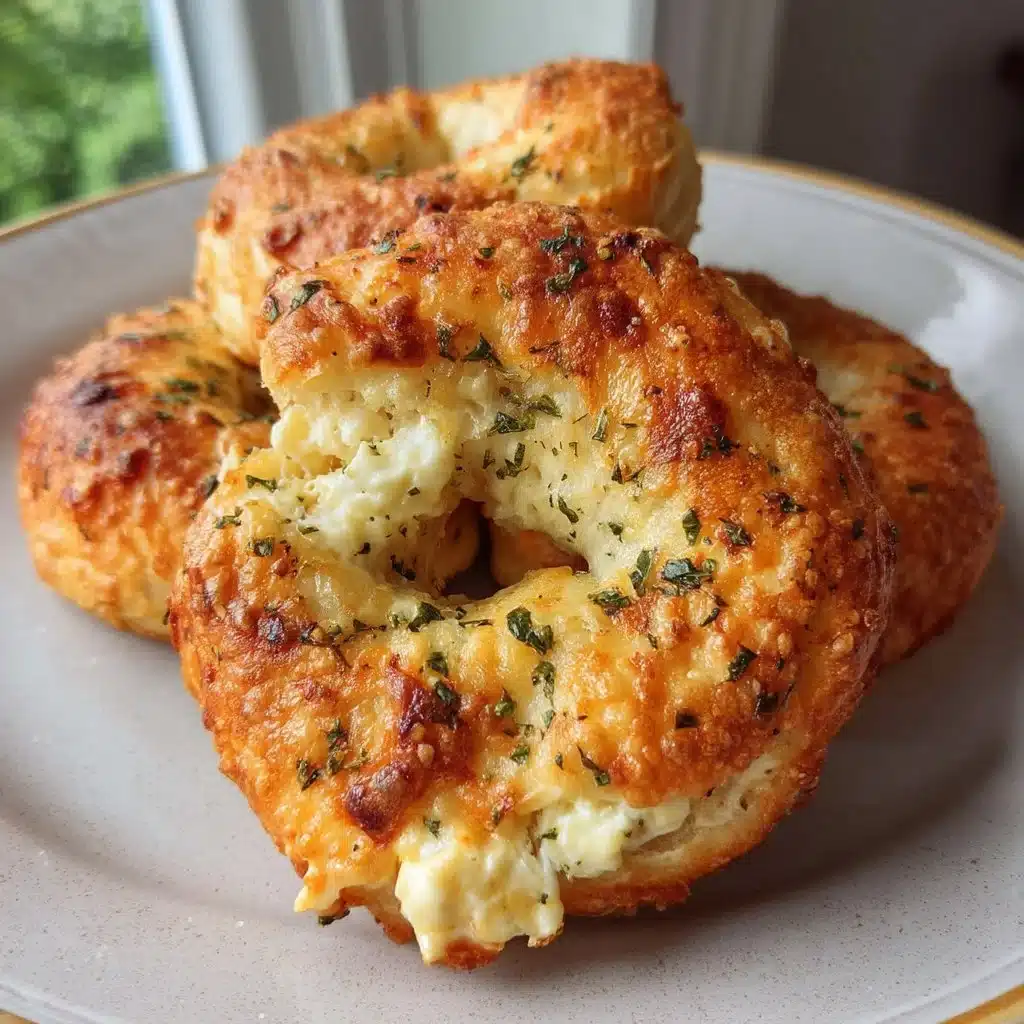
There’s something about a warm, slightly chewy bagel that gathers people in the kitchen. You don’t need a long rise or a magic mixer to get that comforting pull-apart texturejust two wholesome ingredients, a little elbow grease, and an oven. These bagels come together fast, which makes them perfect for weekday breakfasts, casual brunches, or when you want to make something cozy with minimal fuss. I love that they fit into the rhythm of everyday life: a quick dough, hands-on shaping, and the satisfying sight of golden rounds sliding out of the oven.
When I first tested this recipe, I served the bagels with soft scrambled eggs and sliced tomatoes. Friends who’d braced themselves for a health-food blandness ended up surprised at the texture and flavor. The Greek yogurt gives a slight tang and keeps the interior tender, while the self-rising flour adds lift and a light chew. Kids, roommates, and weekend guests all reached for seconds. These bagels become part of the warm, small momentscoffee on the counter, a plate passed around, butter melting into the crumb. They invite simple conversation and a relaxed, homey table.
At DishGrub we test recipes until they feel like an honest, trustworthy part of your kitchen toolkit. We favor comfort food that doesn’t overcomplicate your week but still delivers on taste and texture. This two-ingredient bagel method suits busy mornings and lazy afternoons alike. We tweak oven times, test different yogurt brands, and note the little techniques that help these bagels turn out reliably golden and chewy. Our goal is practical confidence: recipes you’ll make repeatedly because they work and because they fit into your life.
Kitchen-tested steps and everyday ingredients make this bagel method a keeper. You don’t need special equipment or fancy flours to enjoy a fresh-baked bite at home. A few tips in the sections below will help you shape and bake bagels that hold together, brown evenly, and give you that pleasurable mix of tender crumb and slight chew. Keep a jar of your favorite jam, smoked salmon, or cream cheese in the fridge, and you’re ready to make simple mornings feel special.
Why this recipe stands out
This recipe stands out because it strips bagel-making down to essentials without sacrificing the familiar feel and chew we love. The Greek yogurt gives moisture and tang while adding protein that boosts texture. Self-rising flour brings the leavening right into the mix, so you skip yeast, proofing, and the unpredictability that can come with it. You end up with bagels that brown nicely, have a tender interior, and form quickly when you need a fast homemade option.
The method suits cooks who want a hands-on result with minimal steps. You get to knead a quick dough and shape rounds, which feels satisfying but not fussy. Because the recipe uses common pantry staples, it cuts down decision fatigueno special shopping trips, no special timings. The straightforward approach also scales well: double or triple the batch when you feed a crowd. Finally, the flavor remains open to additionstoppings or mix-insso you can keep the base recipe simple or dress it up for company.
How to prepare 2-Ingredient Protein Bagels
The technique focuses on gentle handling and even shaping. Mix yogurt and self-rising flour until you form a cohesive dough, then knead just enough to bring it together and develop a little structure. Divide the dough into equal portions so each bagel bakes evenly. Shape each portion into a round and either poke a hole with your finger to create the classic bagel ring, or roll a short rope and join the ends. Keep the surface lightly floured to prevent sticking, and space the bagels apart on the baking sheet so heat circulates and they brown on all sides.
These bagels bake at a moderate temperature to ensure a golden outside and a tender, fully-cooked center. Let them cool briefly before slicing; that resting time helps set the crumb so the bagel slices cleanly without tearing. Once you master the basic dough feelslightly tacky but not wetyou’ll find shaping becomes quick. The instructions below give the exact oven temperature and a straightforward timeline so you can get these into the oven and on the table fast.
Ingredients
- 1 cup Greek yogurt
- 1 cup self-rising flour

Instructions
-
Preheat your oven to 375°F (190°C).
-
In a bowl, mix the Greek yogurt and self-rising flour until well combined.
-
Knead the dough on a lightly floured surface for a few minutes.
-
Divide the dough into 4 parts and shape each part into a bagel.
-
Place the bagels on a baking sheet lined with parchment paper.
-
Bake for about 25 minutes, or until golden brown.
-
Let cool before serving.
Serving ideas
Serve these bagels warm and simple for an easy, comforting meal. Split them and toast gently, then slather them with butter for breakfast or snack time. For a classic combo, spread cream cheese, add thinly sliced cucumber, and top with a sprinkle of dill. Layer smoked salmon, red onion, capers, and lemon for a brunch-worthy plate. For a heartier bite, use them for breakfast sandwiches with eggs, cheese, and greenscut thick and pan-toast the halves for extra crunch.
If you want a sweeter route, toast and spread with your favorite jam or nut butter and a drizzle of honey. You can make mini bagels for sliders or crowd-friendly appetizers: top halves with herbed goat cheese and roasted red pepper, or offer small stacks of bagel chips with dips. The neutral flavor makes these bagels a flexible base, so set out a few simple toppings and let everyone customize their own.
How to keep leftovers
Cool the bagels completely before storing to prevent condensation and sogginess. For room-temp storage, place them in an airtight container or a resealable bag for up to two days. For longer life, slice and freeze them in a single layer on a baking sheet, then transfer to a freezer bag; they’ll keep well for up to three months. Toast straight from frozen or thaw at room temperature for a few minutes before toasting.
If the crust softens in storage, reheat the bagels briefly in a hot oven or toaster oven to crisp the exterior and refresh the crumb. Avoid microwaving for long stretches, which can make the texture gummy. Instead use short bursts of heat or a quick toast to revive the bagel’s chew.
DishGrub Kitchen Tips
Choose full-fat Greek yogurt for the best texture and flavor; it yields a richer, more tender crumb. If your dough feels too sticky, add a tablespoon of flour at a time until it becomes manageable. If it feels too dry or crumbly, add a teaspoon of yogurt at a time to bring it together. Aim for a slightly tacky dough that pulls away from the bowl but still holds shape.
Use a light dusting of flour on your hands and work surface to make shaping easier. To create the classic bagel shape, roll a ball and push your thumb through the center to form a ring, widening as needed. For even browning, rotate your baking sheet halfway through baking. If you like a shinier crust, brush bagels lightly with an egg wash before bakingbut this step remains optional and not required for success.
Make it your own
Customizing these bagels keeps the method fresh and fun. Stir in a tablespoon of everything bagel seasoning into the dough or press sesame or poppy seeds onto the tops before baking. For a savory herb bagel, fold in a tablespoon of finely chopped fresh herbs like chives or parsley. For a sweeter twist, add a tablespoon of honey to the dough and sprinkle the tops with cinnamon sugar before baking.
Try using a mix of half whole-wheat self-rising flour and half all-purpose self-rising flour for a nuttier flavor and slightly denser crumb. If you want a cheesier option, press grated Parmesan into the tops before baking or fold in a couple tablespoons of finely shredded cheese into the dough. Keep additions small so they don’t throw off the moisture balance; treat mix-ins as a flavor boost rather than a volumetric change.
Common questions
Q: Can I use regular flour instead of self-rising flour?
A: You can substitute all-purpose flour if you add leavening. For each cup of all-purpose flour, add 1 1/2 teaspoons baking powder and 1/4 teaspoon salt to mimic self-rising flour. Mix those together before combining with the yogurt so the rising agents distribute evenly. Keep an eye on dough consistency and adjust with small amounts of flour or yogurt as needed.
Q: What type of Greek yogurt works best?
A: Full-fat Greek yogurt gives you the most tender and flavorful outcome, but low-fat works in a pinch. Avoid varieties with a lot of liquid on top; if the yogurt seems very runny, drain it briefly in a fine mesh sieve or use a thicker brand. Plain yogurt keeps the flavor neutral, which makes these bagels versatile for both sweet and savory toppings.
Q: How do I get a chewier texture?
A: Knead the dough until it becomes slightly smooth and elastic, about a few minutes; that develops gluten and encourages chew. Letting the bagels rest briefly after shapingabout 10 minutescan also help them hold shape and develop a bit more structure. Baking at 375°F gives a good balance between a browned exterior and a tender, chewy interior.
Q: Can I freeze the dough before baking?
A: You can freeze shaped bagels on a tray until solid, then transfer to a freezer bag for up to a month. Bake them from frozen, adding a few extra minutes to the bake time so the center cooks through. Alternatively, bake them first, then freeze fully baked bagels and toast or reheat from frozen for a fresh-baked taste later.
Q: How do I adapt the recipe for more than four bagels?
A: Scale the ingredients proportionally. For eight bagels double the yogurt and flour to 2 cups each. Watch dough texture as you scale; sometimes larger batches need a touch more kneading or a slightly longer bake, so test one or two first if you change batch size significantly.
Conclusion
For a quick, comforting homemade bagel that fits into busy mornings, these two-ingredient bagels make fresh baking approachable. If you want another tested take on the same method with step-by-step photos, check this version: 2 Ingredient Greek Yogurt Bagels (No Yeast) – Dished by Kate.