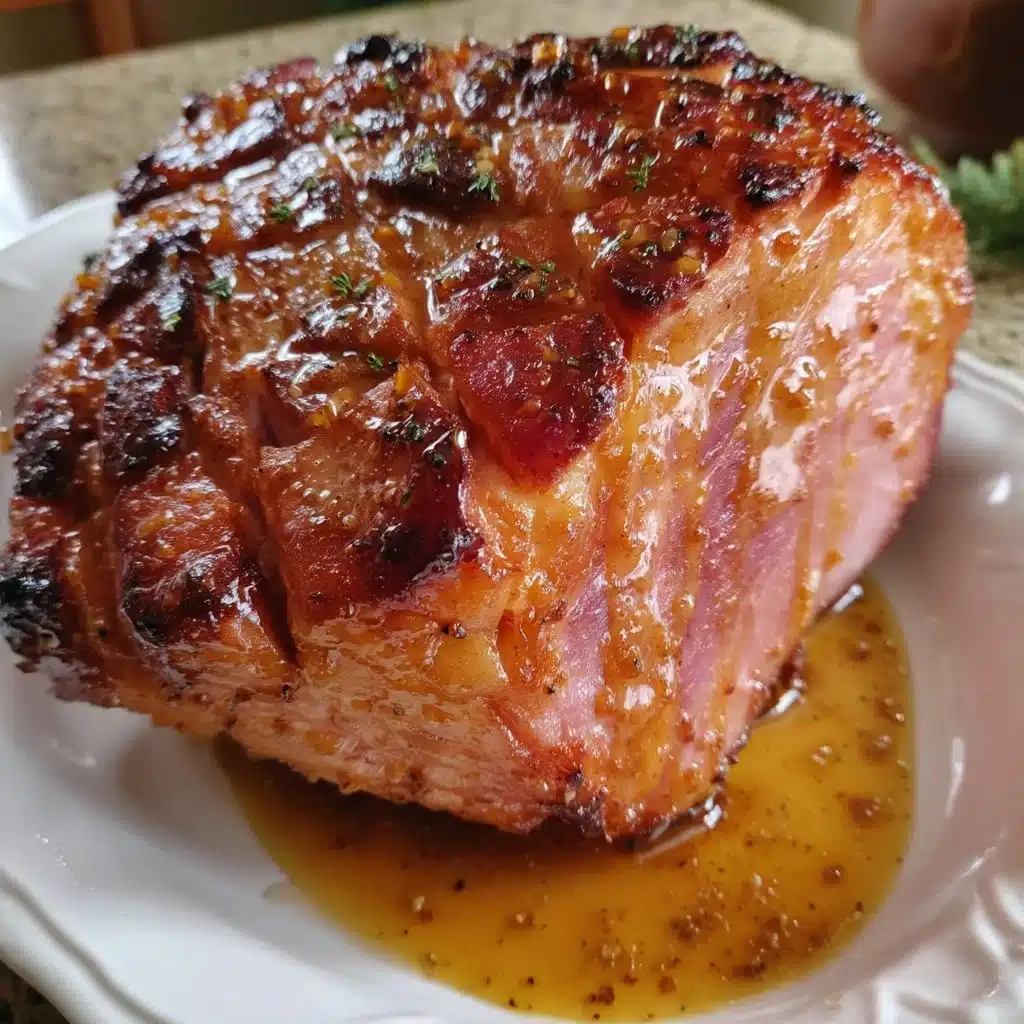
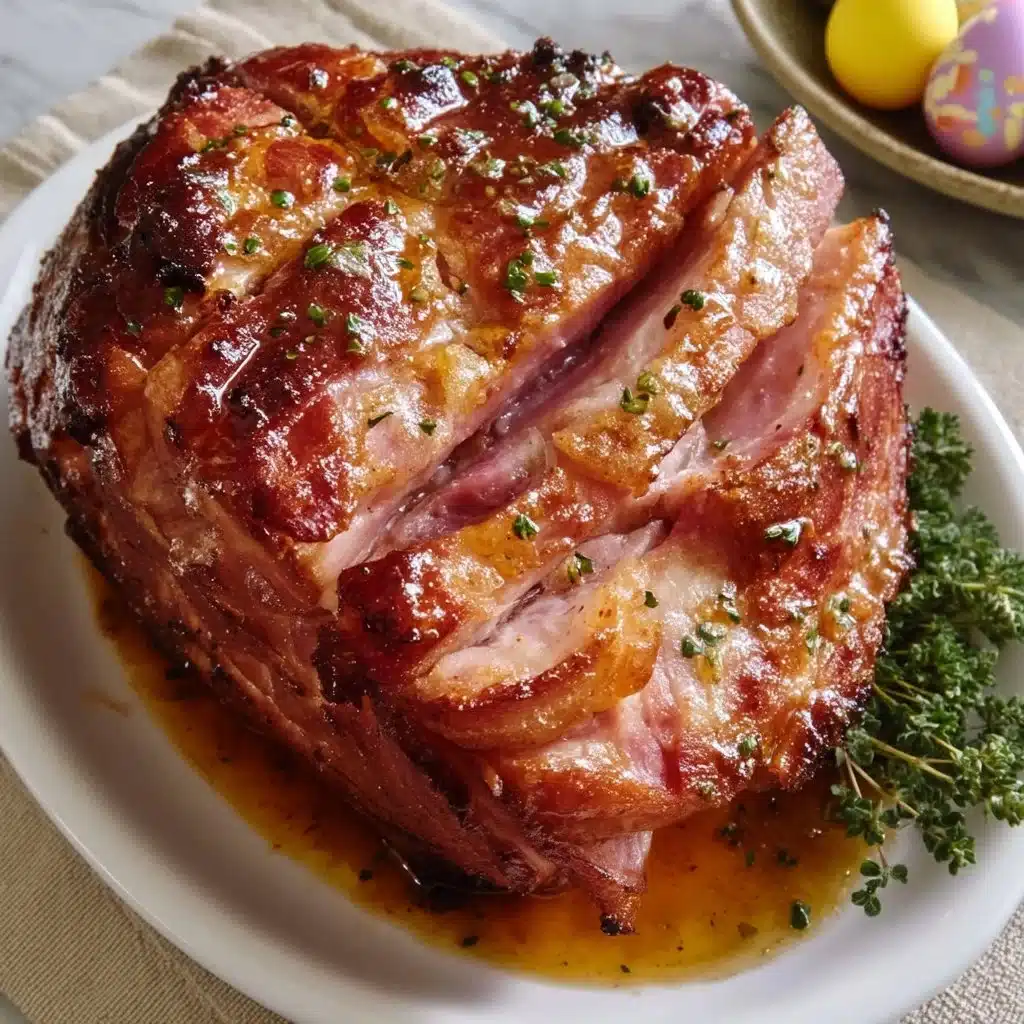
Spring and holiday tables call for food that feels like a warm hug. There’s something about a sweet, shiny glaze cracking over salty, savory ham that lifts a meal from ordinary to memorable. I still remember my first attempt at a glazed holiday ham: I worried the glaze would burn, the meat would dry, and the centerpiece would disappoint. It didn’t. It became a family story we repeat every year. The sticky brown sugar and honey glaze brings a glossy, caramelized crust while the interior stays tender and inviting. Serve thick slices with buttery mashed potatoes and a crisp green salad, and you’ll have everyone leaning in for seconds.
Comfort food works best when it brings people together. Whether you cook for a crowd or keep it simple with a small gathering, a ham like this anchors the meal. You can prepare most of it ahead of time, and the aroma of baking glaze fills the house with that unmistakable holiday feeling. The recipe uses pantry-friendly ingredients and minimal fuss, so you can focus less on the oven and more on the conversation. I like to score the fat lightly so the glaze seeps into shallow channels and adds flavor without drying the meat. Low-and-slow heat keeps the muscle fibers gentle, and a final burst of high heat lets the sugar caramelize just right.
At DishGrub, we test recipes until they work in average home kitchens. We choose straightforward steps, common tools, and ingredients you can find at any grocery store. We aim for cozy, practical recipes that don’t require professional technique or obscure gadgets. Our cooks try multiple glaze ratios, basting intervals, and resting times so you don’t have to. This ham recipe evolved from those tests into a dependable favorite: forgiving if you multitask and impressive when you plate it. You’ll get a glossy, caramelized exterior and a juicy, sliceable interior with clear steps and small tips to help you avoid common pitfalls. Keep the process relaxedthis dish rewards simple care more than perfection.
Why this recipe works
This recipe pairs straightforward technique with a glaze that balances sweet, tangy, and warm spice. Brown sugar and honey give you that classic, caramelized crust while Dijon mustard and apple cider vinegar add bright acidity to cut the richness. Ground cloves and cinnamon add a subtle holiday warmth without overwhelming the ham’s natural flavor. Because the ham arrives fully cooked, you mainly reheat and glaze it, which reduces the risk of overcooking.
The recipe uses moderate oven heat so the glaze has time to penetrate and form a sticky exterior while the meat heats evenly. Basting every 20 minutes layers flavor and encourages even caramelization. Covering the ham at the start traps moisture and prevents the outer meat from drying; removing the foil toward the end exposes the glaze to higher heat, creating the shiny, slightly crisp finish you want. Resting the ham after baking lets the juices redistribute so slices stay moist on the plate.
How to prepare Glazed Easter Ham
Preparing a glazed ham focuses on two simple tasks: make a balanced glaze and control your oven time. First, bring your glaze together in a bowl so it stays smooth and easy to brush. Next, set the ham on a rack in a roasting pan to let hot air circulate and catch the excess glaze. Start covered to retain moisture, baste regularly to infuse flavor, then finish uncovered to get that deep, glassy glaze. Plan your timing around your meal so the ham rests for at least 10 minutes before slicing that rest period makes a noticeable difference in how juicy each slice tastes.
Ingredients
- 1 fully cooked ham (6-8 pounds)
- 1 cup brown sugar
- 1/2 cup honey
- 1/4 cup Dijon mustard
- 1/4 cup apple cider vinegar
- 1/2 teaspoon ground cloves
- 1/2 teaspoon ground cinnamon
Instructions
- Preheat oven to 325°F (165°C).
- Place the ham on a rack in a roasting pan.
- Mix brown sugar, honey, Dijon mustard, apple cider vinegar, ground cloves, and cinnamon in a bowl to make the glaze.
- Brush the glaze over the ham and cover it loosely with foil.
- Bake the ham for about 1 hour, basting every 20 minutes with the remaining glaze.
- Remove the foil and bake the ham for an additional 15 to 30 minutes until the exterior caramelizes and the ham is heated through.
- Let the ham rest for 10 to 15 minutes before slicing.
Serving ideas
Serve this ham with warm, wholesome sides that match its sweet-savory profile. Classic mashed potatoes soaked in butter and cream make a naturally good companion. A bright mustardy potato salad or an apple-and-fennel slaw adds contrast and cuts fat with acid and crunch. For greens, sautéed green beans with toasted almonds or a simple roasted Brussels sprouts with a squeeze of lemon help balance richness.
For plates aimed at kids and picky eaters, offer honey-mustard on the side and soft dinner rolls to make sandwiches. For a more festive presentation, arrange thick slices on a platter and spoon extra glaze over the top, finishing with a scattering of fresh parsley or thin orange zest strips for color. Use the ham bone to simmer a pot of split pea soup or add depth to bean pots that extra use stretches the value of your centerpiece.
Storage tips
Cool leftovers to room temperature within two hours and refrigerate in shallow, airtight containers to cool quickly and stay safe. Sliced ham keeps well for 3 to 4 days in the fridge. If you saved a whole half or the bone-in portion, wrap it tightly in plastic wrap followed by foil before refrigerating to slow moisture loss.
For longer storage, freeze slices or shredded ham in freezer bags with as much air removed as possible; label with the date and freeze up to 2 months for best quality. Thaw overnight in the refrigerator before reheating. When reheating, add a splash of water, stock, or extra glaze and cover to prevent drying; reheat gently in a 275–300°F oven until the ham reaches an internal temperature of 140°F.
DishGrub Kitchen Tips
Score the fat lightly in a diamond pattern if your ham has a thick fat cap; that pattern helps the glaze cling without cutting into the meat too deeply. Use a silicone pastry brush for smooth, even glazing and keep a small bowl of glaze nearby for quick basting sessions. If your glaze thickens while you bake, warm a little in the microwave or on the stove to loosen it so it spreads easily.
Place a drip tray with a half-inch of water in the roasting pan under the rack to keep the circulating air moist and reduce smoke if sugars drip into the pan. Use a meat thermometer to confirm the ham reaches about 140°F for a fully cooked store-bought ham that temperature ensures the ham is heated through without becoming dry. When carving, slice against the grain for more tender pieces and use a long, sharp carving knife for clean, even slices.
Recipe variations
Swap the spices or sweeteners to match the mood of your meal. Replace honey with maple syrup for a richer flavor profile, or use orange marmalade instead of honey for a citrus-forward glaze. Add a tablespoon of whole-grain mustard for texture and tang, or stir in a splash of bourbon for a deep, caramel note that pairs well with the brown sugar.
For a savory-herb twist, fold in finely chopped fresh rosemary and thyme into the glaze and reduce the sugar a bit to keep herbs dominant. If you want a lighter finish, skip the sugar topping and brush with a mix of Dijon, apple cider vinegar, and a little olive oil, then roast and baste the same way for a glossy, less-sweet crust. For a smoky touch, finish the ham under a very hot broiler for just a few minutes to mimic wood-fired caramelization, watching closely to prevent burning.
Frequently asked questions
What temperature should I heat a fully cooked ham to?
Reheat a fully cooked ham to an internal temperature of 140°F. Insert a reliable instant-read or probe thermometer into the thickest part of the ham without touching bone. Reheating to 140°F warms the meat through and keeps it juicy. If you have a larger bone-in ham, allow extra oven time and check several spots to ensure even heating.
Can I prepare the glaze and glaze the ham ahead of time?
Yes. You can make the glaze a day ahead and store it in the refrigerator in a covered container. Warm it slightly before using so it brushes on easily. You can also glaze the ham and refrigerate it uncovered for up to one day, then let it come to room temperature for 30 minutes before baking. If you glaze ahead, expect slightly less dramatic caramelization in the oven because the glaze will have already begun to set; you can add a final fresh layer of glaze before the last uncovered bake to boost shine.
How do I avoid a burned glaze?
Avoid high heat for long periods. Start the ham covered so the sugars don’t sit exposed to high direct heat and burn. Baste every 20 minutes with the remaining glaze, but thin the glaze with a little water or apple cider if it builds up and starts to darken too quickly. When you remove the foil for final caramelization, watch the ham and reduce the additional bake time if the glaze reaches the desired color early. Broiling can brown quickly; use it sparingly and stand close by to monitor progress.
Can I use a spiral-sliced ham with this glaze?
Absolutely. Spiral-sliced hams make serving easy. Place the spiral ham cut-side down on the rack, brush glaze over the exposed surface, and baste between layers as it heats. Because spiral hams expose more surface area, they may take slightly less time to reach temperature, so start checking for 140°F earlier than the recipe time suggests.
How long does the ham need to rest and why?
Let the ham rest 10 to 15 minutes after baking. Resting lets the meat fibers relax and the juices redistribute, which yields moister slices and cleaner cuts. If you carve immediately, juices run out and the meat can seem drier on the plate.
Conclusion
This brown sugar and honey glazed ham gives you a reliably impressive centerpiece with minimal fuss and maximum comfort. If you want another tested inspiration for a glazed ham technique and slightly different flavor notes, check out the Best Glazed Easter Ham Recipe – Brown Sugar Glazed Ham for a useful comparison and extra ideas.
Print
Brown Sugar and Honey Glazed Ham
- Total Time: 105 minutes
- Yield: 10 servings
- Diet: None
Description
A beautifully glazed holiday ham with a sticky brown sugar and honey crust, perfect for gatherings and celebrations.
Ingredients
- 1 fully cooked ham (6-8 pounds)
- 1 cup brown sugar
- 1/2 cup honey
- 1/4 cup Dijon mustard
- 1/4 cup apple cider vinegar
- 1/2 teaspoon ground cloves
- 1/2 teaspoon ground cinnamon
Instructions
- Preheat oven to 325°F (165°C).
- Place the ham on a rack in a roasting pan.
- Mix brown sugar, honey, Dijon mustard, apple cider vinegar, ground cloves, and cinnamon in a bowl to make the glaze.
- Brush the glaze over the ham and cover it loosely with foil.
- Bake the ham for about 1 hour, basting every 20 minutes with the remaining glaze.
- Remove the foil and bake the ham for an additional 15 to 30 minutes until the exterior caramelizes and the ham is heated through.
- Let the ham rest for 10 to 15 minutes before slicing.
Notes
Score the fat lightly in a diamond pattern for better glaze adherence. Use a meat thermometer to ensure the ham reaches an internal temperature of 140°F.
- Prep Time: 15 minutes
- Cook Time: 90 minutes
- Category: Main Course
- Method: Baking
- Cuisine: American