I still remember the first time I roasted a pork tenderloin with vegetables for a weeknight dinner and watched everyone clear their plates without a single complaint. The kitchen smelled like browned meat and caramelized carrots, and the moment I pulled the tray from the oven our little family gathered around the table like it was a small holiday. That’s the kind of meal that proves comfort food doesn’t need hours of fuss or a long list of ingredients. A tenderloin is lean and cooks fast, the vegetables roast into sweet, savory bites, and a few pantry staples turn it into a complete one-pan supper. I learned to trust straightforward techniqueshigh heat, good seasoning, and a short rest timeand the results kept showing up at my table on busy evenings.
This dish feels friendly in every way. It asks for minimal chopping, uses one baking dish, and frees you to make a salad or warm some crusty bread while it roasts. It plays well with family schedules: start it as kids finish homework, and you serve dinner before anyone loses patience. Cooking it taught me to watch for simple things that make a big differencepat the tenderloin dry so it caramelizes, cut vegetables into similar sizes so they roast evenly, and let the meat rest so juices redistribute. Those small habits turn an ordinary dinner into something memorable without extra effort.
At DishGrub we test recipes until they behave predictably in real kitchens. We aim for cozy, practical meals you can make on weeknights without drama. Our tried-and-true approach focuses on clear steps, sensible ingredients, and tips that actually help when the clock is ticking. If you like this roasted tenderloin, you might enjoy other family-friendly ideas we’ve put together, like a savory twist on weekday sliders in our easy BBQ pulled pork sliders recipe.
Why this recipe works
Roasting a pork tenderloin with vegetables works because the timing and temperature match the needs of both protein and produce. Pork tenderloin cooks quickly and benefits from a hot oven that browns the exterior while keeping the inside juicy. At 400°F the vegetables soften and caramelize in roughly the same window, so everything finishes together. Olive oil helps conduct heat and encourages golden edges, while a light seasoning of salt, pepper, garlic, and rosemary adds aromatic depth without overpowering the natural flavors.
This method keeps cleanup simple: one baking dish absorbs the flavors from meat and veg, and you get a built-in pan sauce from the drippings if you spoon them over slices. The short cook time preserves the tenderloin’s moisture; checking for an internal temperature of 145°F ensures safe, juicy meat. Finally, letting the tenderloin rest after roasting locks in juices and makes slicing neater, so each plate looks as good as it tastes.
How to prepare Pork Tenderloin with Vegetables
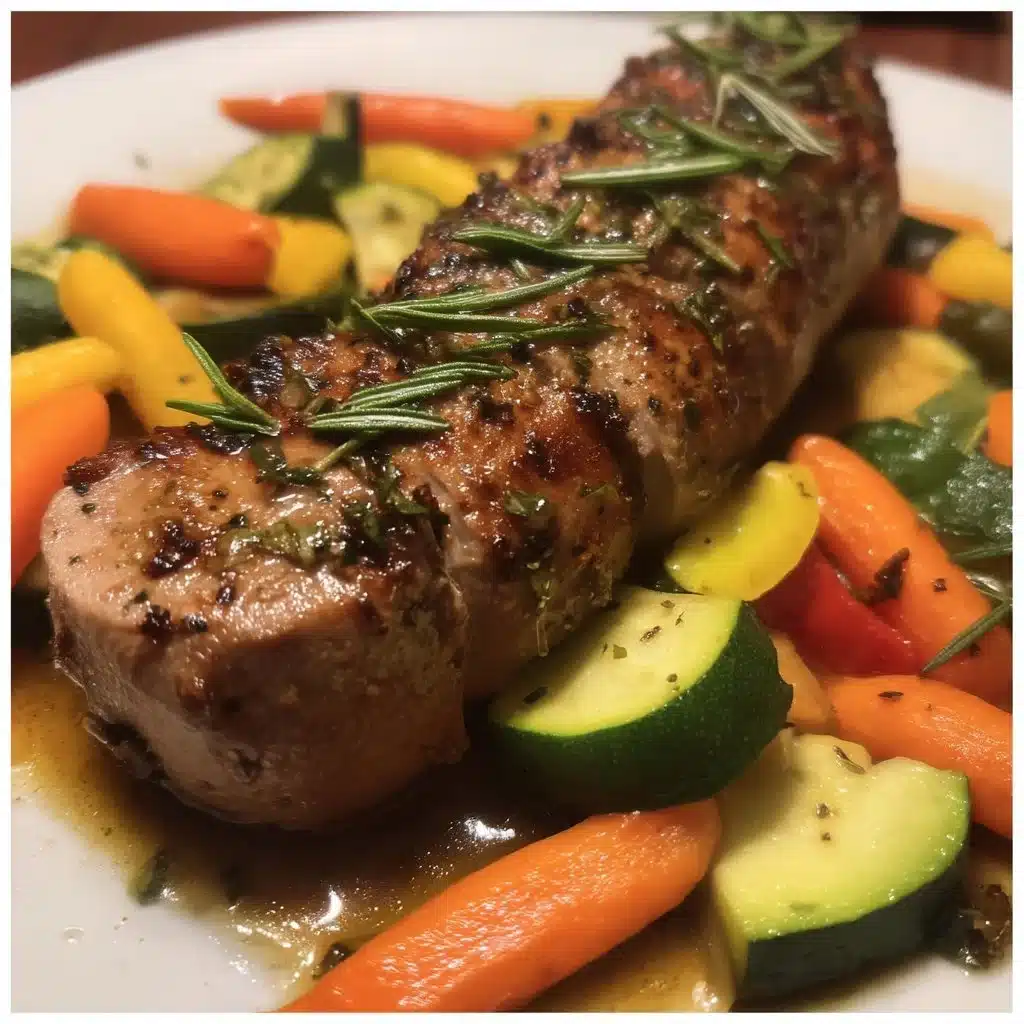
This recipe focuses on timing and simple steps so you can prep with confidence. Trim any silver skin from the tenderloin and tuck rosemary under a light rub of oil, salt, and pepper to let the herb’s scent infuse the meat as it roasts. Place evenly cut carrots, bell peppers, and zucchini in the pan so they cook uniformlyremember that denser veg like carrots need a little more surface exposure, so give them a single layer if possible. Minced garlic scattered among the vegetables browns and softens, adding savory balance.
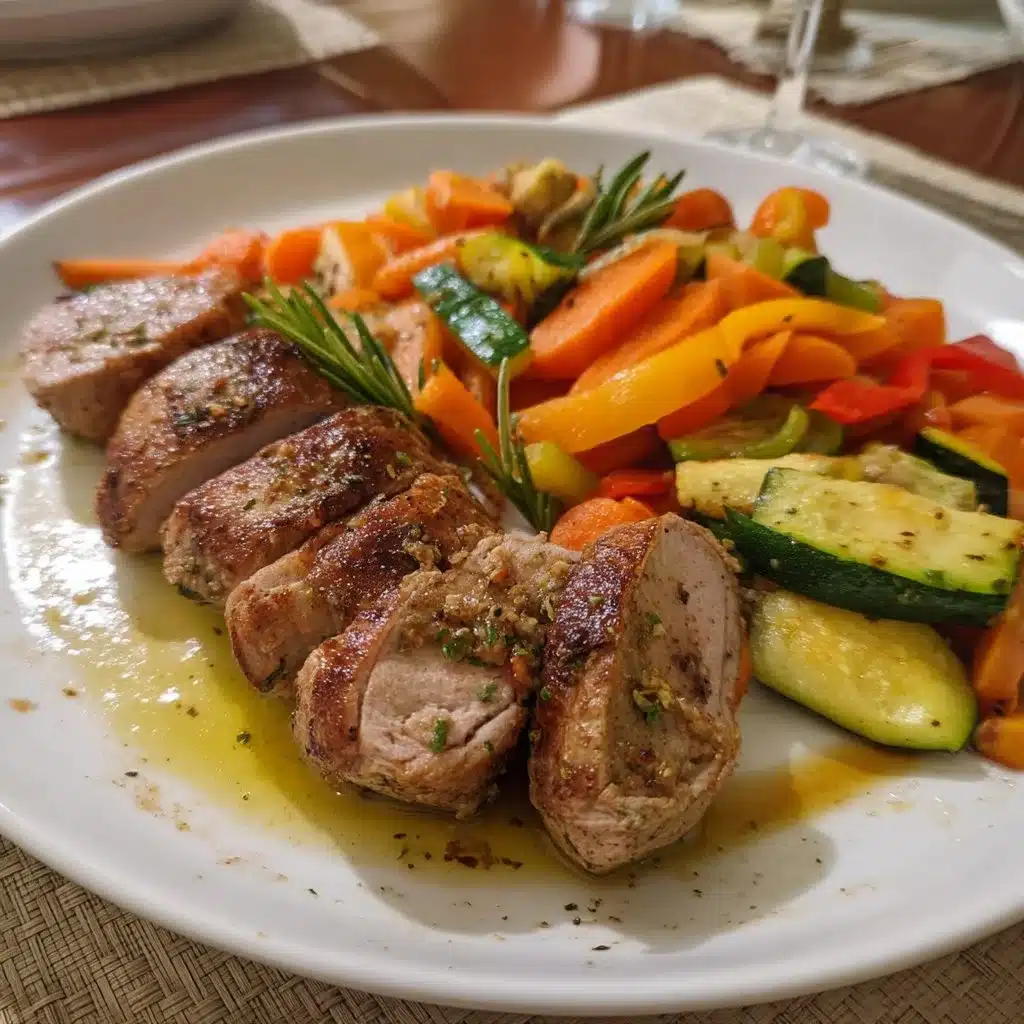
Use a shallow baking dish or rimmed sheet pan for best airflow and even roasting. If you like a crisper finish on the pork, sear it briefly in a hot skillet before transferring to the oven; this step adds a bit of caramelized crust but isn’t necessary. Roast at 400°F, check temperature with an instant-read thermometer, and rest the meat for five minutes to let the juices redistribute. Slice thin and serve with the roasted vegetables spooned around the meat for a tidy, satisfying plate.
Ingredients
- 1 pork tenderloin
- 2 tablespoons olive oil
- 1 teaspoon salt
- 1/2 teaspoon black pepper
- 1 cup carrots, sliced
- 1 cup bell peppers, sliced
- 1 cup zucchini, sliced
- 2 cloves garlic, minced
- 1 teaspoon rosemary, chopped
Instructions
- Preheat the oven to 400°F (200°C).
- Rub the pork tenderloin with olive oil, salt, and pepper.
- In a large baking dish, combine the vegetables and garlic. Place the pork on top.
- Sprinkle rosemary over the dish.
- Roast in the oven for 25-30 minutes or until the pork reaches an internal temperature of 145°F (63°C).
- Let the pork rest for 5 minutes before slicing and serving with the roasted vegetables.
Serving ideas
Serve slices of roasted pork tenderloin with a spoonful of the pan juices and a generous helping of the roasted vegetables. Add a simple grain like rice, quinoa, or buttered egg noodles to soak up the juices when you want a heartier plate. For a lighter meal, pair the dish with a crisp green salad dressed with lemon vinaigrette to balance the roast’s richness. If you want a dinner that feels special, add a warm roll or garlic bread and a wedge of lemon on the side to brighten flavors.
This roast also makes great leftovers. Thinly sliced pork works well in sandwiches, wraps, or atop a warm grain bowl. For a fast lunch the next day, tuck slices into pita pockets with a smear of hummus and pickled onions.
Storage tips
Cool leftovers quickly and store them within two hours of cooking. Slice the pork and pack it with the roasted vegetables in an airtight container to preserve moisture and flavor. Refrigerate for up to 3 to 4 days. Reheat gently in a skillet over medium-low heat with a splash of water or stock to prevent drying, or warm in a 300°F oven covered with foil until heated through.
If you want longer storage, freeze portions in a freezer-safe container for up to 3 months. Thaw overnight in the refrigerator before reheating. For best texture, avoid microwaving from frozen; instead transfer to a low oven or reheat on the stove with a little liquid to keep the meat tender.
DishGrub Kitchen Tips
Choose a tenderloin around 1 to 1.5 pounds so it cooks evenly in the recommended time. Trim visible silver skin and pat the meat dry for better browning. Cut vegetables into similar-size pieces so everything finishes at the same time; if carrots look thicker than the peppers and zucchini, slice them slightly thinner. Use an instant-read thermometer to check the center of the tenderloinaim for 145°F for safe, slightly pink meat that stays juicy.
If you have extra carrots, don’t let them go to wastegrate them and use them in a sweet finish like our carrot cake with cream cheese frosting, or toss the leftovers into a weekday fried rice. A light drizzle of balsamic vinegar over the roasted vegetables right before serving lifts the dish with bright acidity without much effort.
Recipe variations
Add a flavor twist by rubbing the pork with a mixture of smoked paprika, garlic powder, and a touch of brown sugar before roasting for a sweet-smoky crust. Swap rosemary for thyme or sage for a different herb profile. Change the vegetables to suit the seasonuse chunks of sweet potato and red onion in fall, or asparagus and cherry tomatoes in spring. For a Mediterranean spin, scatter kalamata olives and finish with crumbled feta; for an Asian-inspired plate, add a splash of soy sauce and sesame oil to the vegetables before roasting and finish with sliced scallions.
If you prefer a saucier finish, remove the pork when done, deglaze the pan with a splash of white wine or chicken stock, simmer for a few minutes, and spoon the reduced pan sauce over sliced meat.
Common questions
Q: How can I tell when the pork is done without a thermometer?
A: You can use feel, but it requires practice. Press the thickest part of the tenderloin with your finger: if it feels very soft, it’s undercooked; if it feels firm and springs back slightly, it’s likely done. Because tenderloin cooks quickly, I recommend using an instant-read thermometer for accuracy. Insert it into the thickest part and look for 145°F to ensure safety and juiciness. If you rely on the oven time alone, check at the short end (around 25 minutes) to avoid overcooking.
Q: Can I cook this in a skillet or on the stovetop instead of roasting?
A: Yes. You can sear the tenderloin in a hot skillet to brown all sides, then add the vegetables and transfer the skillet to a 400°F oven to finish. Alternatively, cook the pork covered on medium-low in a heavy skillet and add vegetables toward the end, but keep in mind stovetop methods may steam vegetables rather than roast them, so they won’t get the same caramelized edges.
Q: What sides pair best if I want to make this a crowd-pleasing meal?
A: Simple sides work best. Roast a pan of baby potatoes or toss together a quick green salad with lemon vinaigrette to cut through the richness. A creamy polenta, buttered egg noodles, or a bowl of warm rice will absorb pan juices and keep everyone satisfied. For a special occasion, serve with roasted Brussels sprouts and a light pan sauce made from the drippings for a polished plate.
Q: Can I season the vegetables separately from the meat?
A: Yes, you can toss the vegetables with a little extra olive oil and seasoning if you prefer bolder veg flavor. Keep salt moderate if the pork already carries seasoning. If you like bright notes, add a squeeze of lemon or a splash of vinegar just before serving to wake up the roasted flavors.
Conclusion
For a quick, comforting weeknight roast that leaves the kitchen smelling like Sunday dinner, this pork tenderloin with roasted vegetables delivers both ease and flavor. If you want another one-pan pork idea with similar timing and simplicity, check out this well-tested One Pan Roasted Pork Tenderloin with Veggies (30 Minute Meal) for more inspiration.