There’s something about a steaming bowl of pasta that stops the clock and gathers people around the table. A simple dish with a rich, homemade meat sauce asks for no pretense just warm bread, a big salad, and the kind of conversation that moves from small talk into family stories. I remember a winter when I dropped everything to make this sauce because my parents were coming over; the house filled with the smell of onions, garlic, and tomatoes, and by the time we sat down our chatter had softened into comfortable silence as we ate. Food like this comforts in the truest sense: it feeds, it soothes, and it creates a shared moment you can revisit on hard days.
Comfort food connects generations. My grandmother stirred her sauce slowly, humming as if the pot needed a song. My kids now ask for this same recipe on rainy afternoons, and I watch them twirl spaghetti with reverence. I keep the process simple so home cooks can reproduce that same hug-in-a-bowl feeling without fuss. This dish works whether you make it for a hectic weeknight or a long, slow Sunday it rewards patience and forgives imperfect timing. If you like hearty, straightforward meals, you might also enjoy exploring our best meatloaf recipe for another family-friendly classic that comfort-lovers swear by.
DishGrub tests every recipe in real home kitchens. We focus on cozy, practical dishes that fit busy lives and hungry families. We write steps that a home cook can follow without specialty equipment, and we emphasize techniques that deliver big flavor with minimal fuss. This pasta with homemade meat sauce demonstrates that philosophy: familiar ingredients, clear directions, and results that feel like a hug from the inside out. Read on for a step-by-step guide, tips that prevent common mistakes, and ideas to make the meal your own.
Why this recipe works
This recipe delivers balanced, reliable flavor with modest effort. Ground beef or turkey browns quickly and builds a savory base. Cooked onions and garlic release sweet, aromatic notes that meld with crushed tomatoes to form a sauce that clings to pasta. Dried oregano and basil supply classic Italian seasoning without requiring fresh herbs, so you get consistent flavor year-round. The method separates meat browning and sauce simmering, which keeps the meat nicely textured while allowing the sauce to reduce and concentrate.
The recipe uses everyday pantry items, so you can assemble it on short notice. Simmering for 15 to 20 minutes deepens the sauce without demanding a lot of attention, which works perfectly for weeknights. Tossing the pasta with the sauce before serving helps every strand or shell pick up flavor, and finishing with grated Parmesan adds salty brightness. The technique scales well double the sauce for a crowd, or halve it for two. You get satisfying results whether you plan ahead or improvise with what’s on hand.
How to prepare Pasta with Homemade Meat Sauce
This step-by-step approach keeps the kitchen organized and efficient. Start by boiling the pasta in salted water and drain it while you finish the sauce. Cook onions and garlic gently so they sweeten rather than burn. Brown the meat in one hot skillet to develop color and rich flavor, then drain excess fat to keep the sauce from tasting greasy. Add crushed tomatoes and dried herbs, then simmer long enough to bring the sauce into focus. Finally, toss pasta with sauce so the flavors bind.
Work in batches if you make a lot of pasta. Reserve a cup of the pasta cooking water before draining; if the sauce needs loosening, add some water to help it coat the pasta without diluting flavor. Taste and adjust salt and pepper at the end, since the sauce concentrates as it simmers. Keep a small grater of Parmesan nearby so everyone can finish their bowl to taste.
Ingredients
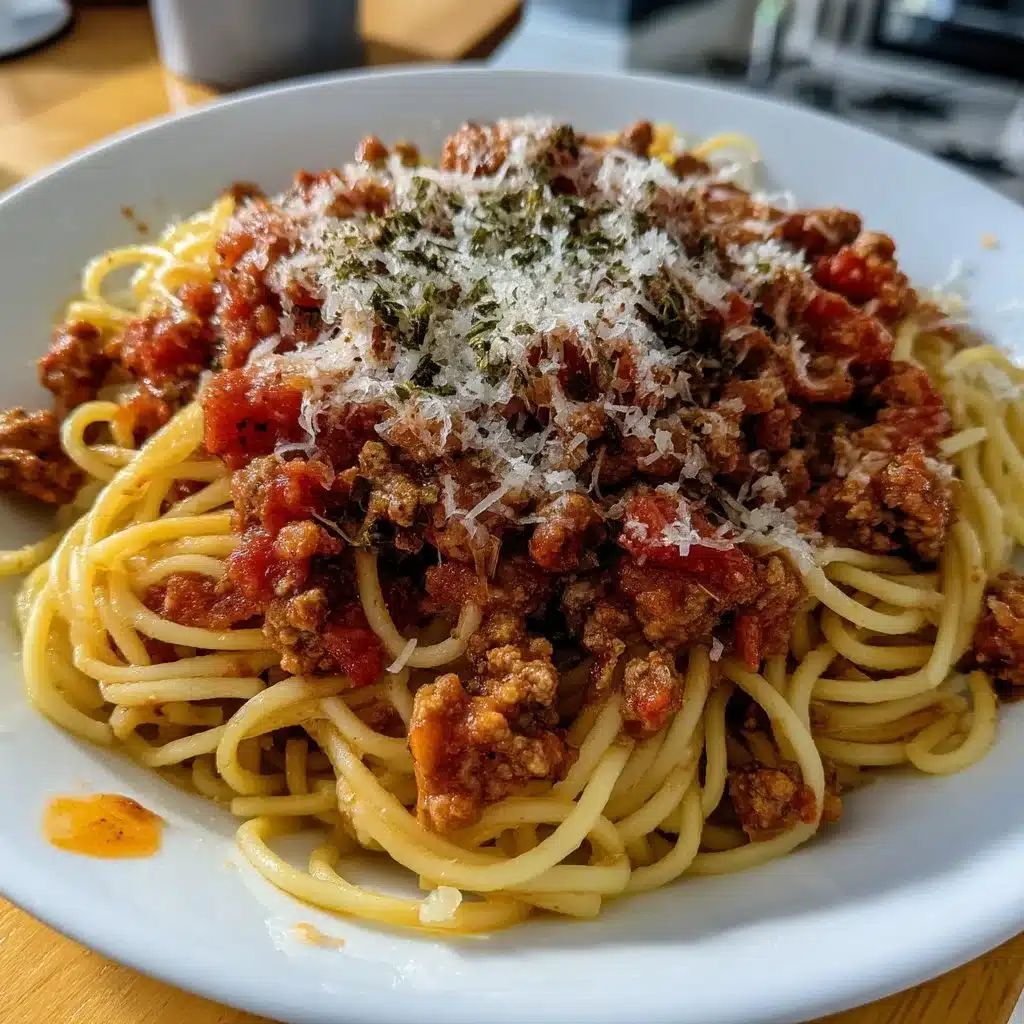
- 2 cups of pasta (spaghetti or your choice)
- 1 lb ground beef or ground turkey
- 1 can (28 oz) crushed tomatoes
- 1 onion, chopped
- 2 cloves garlic, minced
- 1 teaspoon dried oregano
- 1 teaspoon dried basil
- Salt and pepper to taste
- Olive oil for cooking
- Grated Parmesan cheese for serving (optional)
Instructions
- Cook the pasta according to package instructions until al dente. Drain and set aside.
- In a large skillet, heat olive oil over medium heat. Add chopped onion and minced garlic, sauté until softened.
- Add the ground beef and cook until browned, breaking it up with a spoon. Drain any excess fat.
- Stir in the crushed tomatoes, oregano, basil, salt, and pepper. Bring to a simmer and let it cook for about 15-20 minutes.
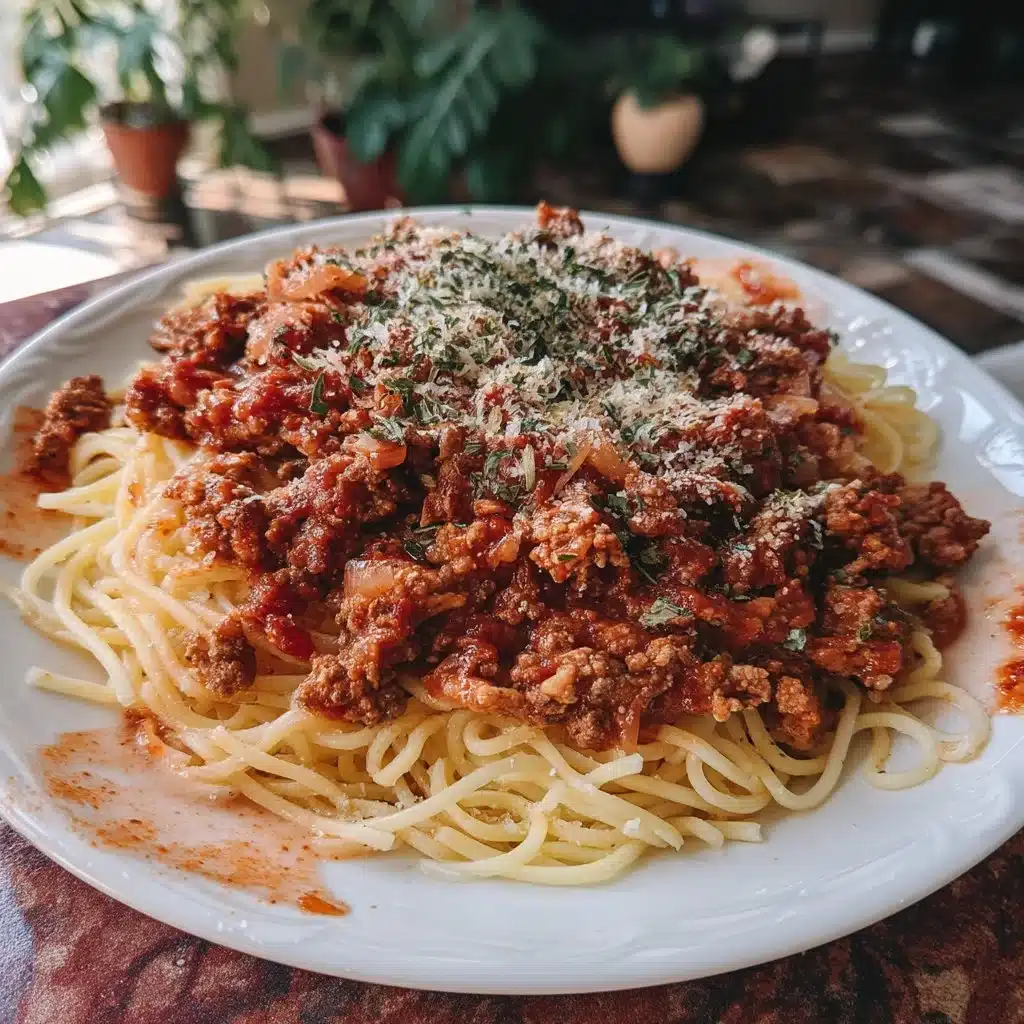
- Toss the cooked pasta with the meat sauce until evenly coated.
- Serve warm, topped with grated Parmesan cheese if desired.
Serving ideas
Serve this pasta with a simple green salad and a loaf of crusty bread to mop up any leftover sauce. Add a bowl of roasted vegetables carrots, broccoli, or Brussels sprouts for color and a nutrient boost. If you want to make the meal feel special, set out a small plate of pickled vegetables or olives to sharpen the palate between bites.
Round the meal out with an easy dessert that keeps the cozy vibe going. After a bowl of pasta, a slice of carrot cake with cream cheese frosting makes a sweet counterpoint and keeps cleanup straightforward. For weeknight dinners, serve smaller portions of pasta with a side salad and stretch leftovers into a hearty lunch the next day.
Storage tips
Cool the sauce to room temperature within two hours of cooking to keep it safe. Transfer leftovers to airtight containers and refrigerate for up to four days. Reheat gently on the stovetop over low heat, adding a splash of water or reserved pasta cooking water if the sauce feels too thick. Stir frequently so the sauce warms evenly and the meat stays tender.
For longer storage, freeze the sauce in portion-sized containers or freezer bags for up to three months. Label each container with the date. When you thaw frozen sauce in the refrigerator overnight, reheat it thoroughly on the stovetop before tossing with freshly cooked pasta. You can also freeze plain cooked pasta, but it will change texture; combine freshly cooked pasta with thawed sauce for the best mouthfeel.
DishGrub Kitchen Tips
Use a heavy skillet for even browning of the meat; it helps you get that deep, savory flavor. Don’t rush the onions cook them until they turn translucent and slightly golden to bring out natural sweetness. If you use turkey, add a drizzle of olive oil during browning because lean turkey releases less fat than beef. Taste and season at the end: tomatoes intensify as the sauce reduces, so final salt adjustments matter.
Reserve a cup of the pasta cooking water before you drain the noodles. The starchy water helps the sauce cling and emulsify around the pasta. If your sauce tastes flat, a tiny pinch of sugar balances the acidity. For richer flavor, add a tablespoon of tomato paste when you stir in the crushed tomatoes; cook it for a minute with the meat so it caramelizes slightly. Keep extra dried basil and oregano handy so you can tweak herb levels to your preference.
Recipe variations
Swap the ground beef for ground Italian sausage to add fennel and spice without extra steps. Use half beef and half pork for a deeper, more luxurious texture. If you want a lighter version, choose ground turkey and add a splash of balsamic vinegar to brighten the sauce. Stir in a handful of chopped fresh spinach or grated carrots during the last few minutes of simmering for extra vegetables.
Make it vegetarian by replacing meat with a blend of lentils and mushrooms. Sauté diced mushrooms until they release moisture and brown, then add cooked lentils to the sauce for body and protein. You can also give the sauce a creamy twist: stir in a quarter cup of ricotta or a splash of heavy cream right before tossing with pasta for a luscious finish. For a spicier take, add red pepper flakes while you sauté the garlic.
Common questions
Q: Can I use any pasta shape for this sauce?
A: Yes. The sauce clings well to long strands like spaghetti or linguine and to short shapes like penne or rigatoni. Choose shapes with ridges or tubes if you like pockets of sauce in the bite. Adjust the pasta cooking time according to the package and always taste for al dente.
Q: Can I make the sauce ahead of time?
A: Absolutely. The sauce tastes even better the next day because the flavors meld. Cool it quickly, refrigerate in an airtight container, and reheat on the stovetop. If the sauce thickens in the fridge, add a splash of water or broth while warming to restore a saucy consistency. For a dinner party, make the sauce a day ahead so you can focus on sides and presentation on the night of.
Q: How can I tell when the meat is fully cooked?
A: Break the meat into small pieces and cook until it browns evenly with no pink remaining in the center. Stir frequently to expose new surfaces to the hot pan for consistent browning. If you use turkey, check for no pinkness and a firm texture. Drain excess fat if the skillet looks greasy, then add the tomatoes to finish the sauce.
Q: My sauce tastes a little flat. How do I fix it?
A: Brighten the sauce with a splash of red wine or balsamic vinegar, or add a pinch of sugar to balance acidity. A little grated Parmesan stirred in can add savory depth. Always taste after simmering and adjust salt and pepper to your preference.
Q: How do I keep the pasta from sticking after cooking?
A: Toss hot pasta with a light drizzle of olive oil or a small amount of the sauce immediately after draining. If you plan to hold cooked pasta before serving, toss occasionally and keep it covered to retain heat and moisture.
Conclusion
This classic pasta with homemade meat sauce gives you dependable comfort with straightforward technique, and it adapts easily to what you have on hand. For a deeper, from-scratch tomato foundation and extra tips on simmering a rich sauce, check out this detailed homemade spaghetti sauce tutorial that complements the steps here and helps you build flavor from the pantry.