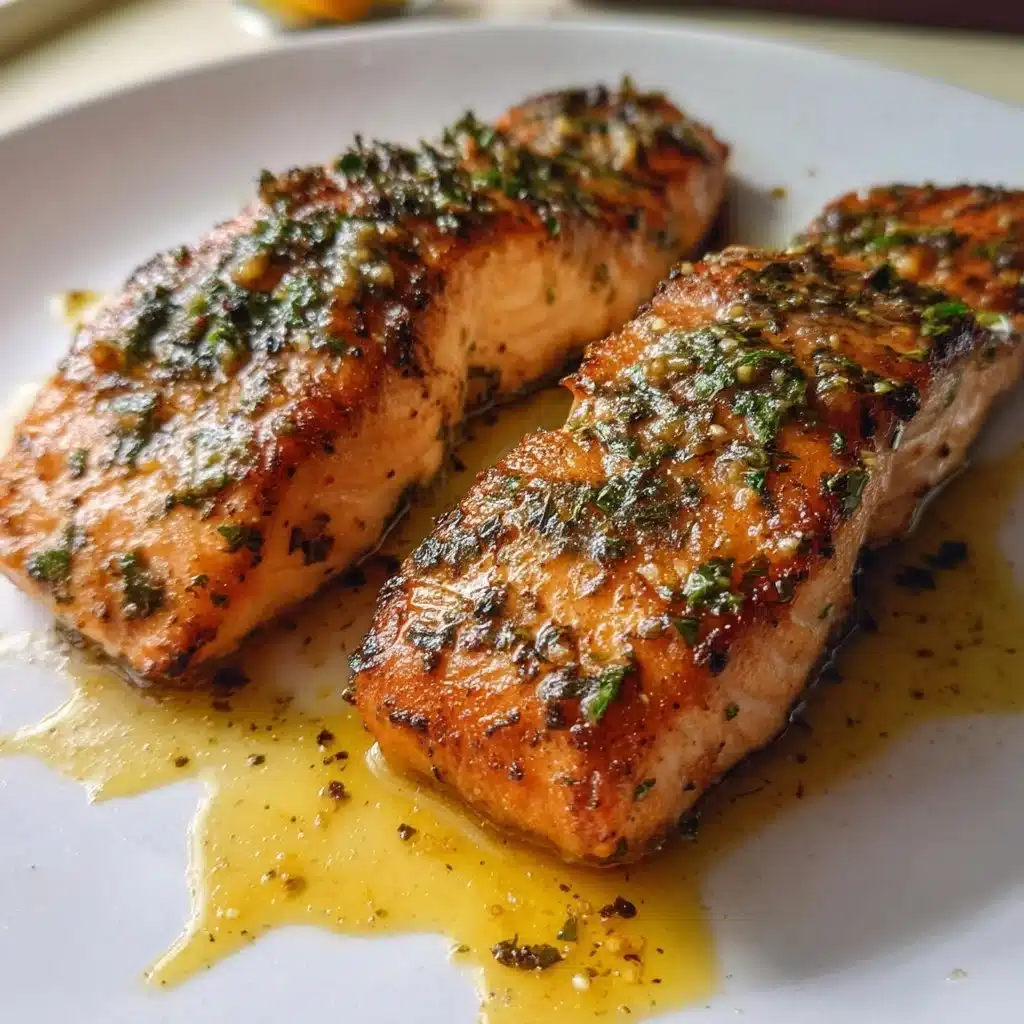
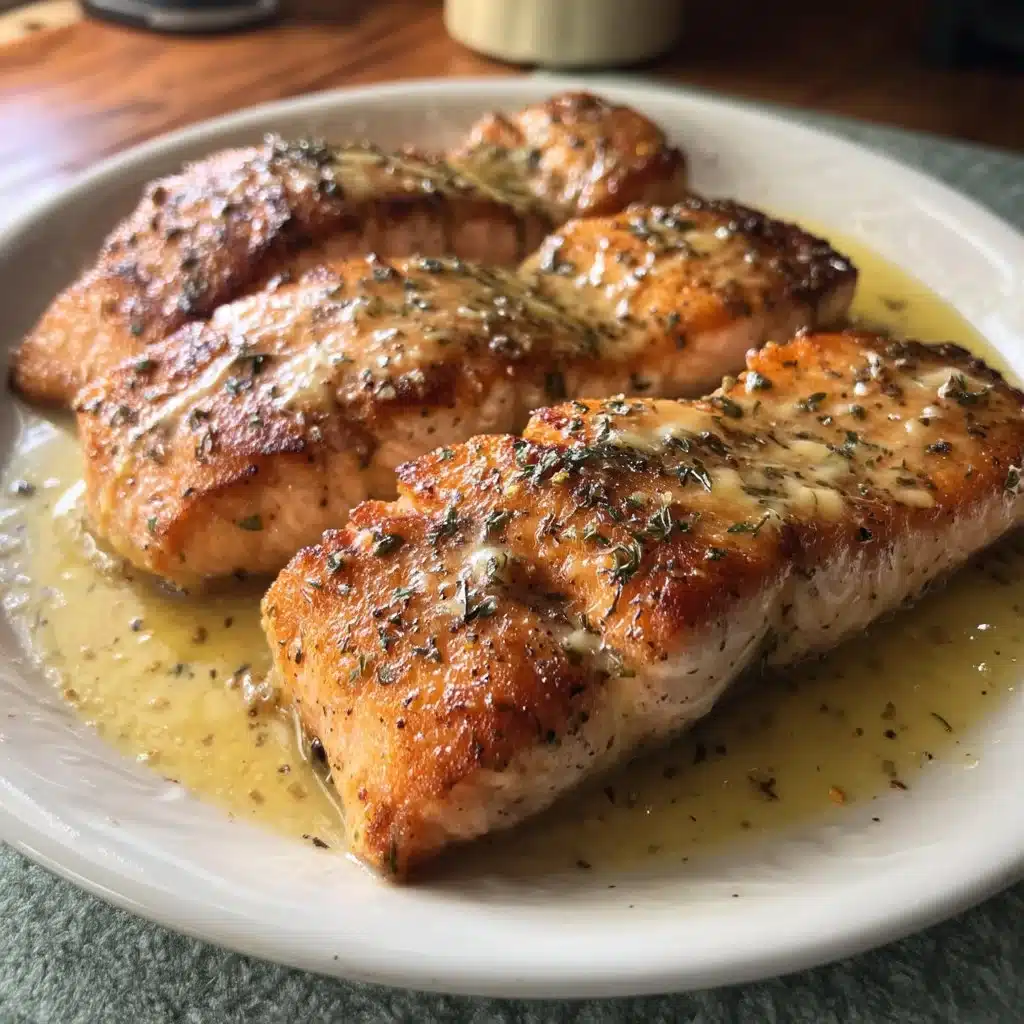
A warm, sticky glaze that caramelizes right on the skin. A simple pantry list that comes together in minutes. A weeknight dinner that looks and tastes like you spent more time on it than you did. That’s the comfort of honey mustard glazed salmon: familiar flavors, minimal fuss, and a plate your family will gather around without complaint.
I remember a rainy Thursday when I first learned this glaze trick from my neighbor. She served the salmon with roasted potatoes and a quick green salad, and we all ate in companionable silence, spoons and forks scraping the last of the glaze from the plates. The dish felt like an uncomplicated celebration the kind you have when you want good food and easy company. That memory keeps me reaching for honey and Dijon whenever salmon goes on sale. The glaze hits the sweet-savory balance everyone loves: the honey deepens in the oven, the mustard adds a bright bite, and a little garlic pulls the whole thing into real dinner territory.
At DishGrub, we test recipes until they become second nature for home cooks. We aim for cozy, practical meals that don’t ask for specialty tools or odd ingredients. I tested this honey mustard salmon three ways with extra lemon, under the broiler, and in foil pockets so I could share the easiest, most reliable method. I keep the directions straightforward so you can add this to your regular rotation without fuss. If a weeknight needs rescuing, this recipe will answer the door.
I like to pair this salmon with simple sides that soak up the glaze. For an easy vegetable pairing that echoes the sweet edge, try our brown sugar glazed carrots for a complete, family-friendly plate: brown sugar glazed carrots
Why you’ll love this dish
This honey mustard glazed salmon blends fast cooking with big flavor. Salmon cooks quickly, so your meal comes together in under 30 minutes from start to finish. The glaze forms a glossy, slightly caramelized finish that makes the fish look restaurant-ready. Honey adds a warm sweetness; Dijon mustard contributes tang and depth; garlic and olive oil round the flavors and help the glaze cling to the fillets.
You’ll also appreciate how forgiving the recipe proves. Even if you slightly overcook the salmon, the glaze hides small timing slips and keeps the surface moist. The ingredients live in most pantries, so you can pull this together without a grocery run. Finally, the dish scales easily: double the glaze for a crowd or halve it for two. It performs well for solo meals, family dinners, and midweek date nights alike.
How to prepare Honey Mustard Glazed Salmon
This method focuses on ease and consistent results. Preheat the oven, mix the glaze in a single bowl, coat the fillets, and let the oven do the work. You get a flaky interior and a shiny, slightly sticky exterior every time. If your fillets still have skin on, the skin crisps a little under the heat and helps hold the fish together while glazing and serving.
Ingredients
- Salmon fillets
- Honey
- Dijon mustard
- Olive oil
- Garlic
- Salt
- Pepper
Instructions
- Preheat the oven to 375°F (190°C).
- Mince the garlic.
- In a small bowl, mix together the honey, Dijon mustard, olive oil, minced garlic, salt, and pepper.
- Line a baking sheet with parchment paper.
- Place the salmon fillets on the prepared baking sheet, skin-side down if the skin remains.
- Brush the honey mustard mixture evenly over the tops of the salmon fillets.
- Reserve any extra glaze for spooning over the salmon after baking.
- Bake the salmon for 12 to 15 minutes.
- Test for doneness by inserting a fork into the thickest part and twisting gently; the salmon should flake easily and look opaque.
- Remove the salmon from the oven and spoon any reserved glaze over the fillets.
- Let the salmon rest for 2 minutes to set the glaze.
- Serve the salmon warm.
Serving ideas
Keep the plate simple to showcase the glazed salmon. Roasted or steamed vegetables work well; asparagus and green beans pick up the sweet-tangy character of the glaze without competing. For a heartier plate, serve the salmon over buttery mashed potatoes or a bed of rice that can soak up extra sauce.
If guests join, arrange the fillets on a platter with lemon wedges and a sprinkling of fresh herbs such as dill or parsley. The citrus brightens every bite. For an everyday family meal, pair the salmon with steamed brown rice and a side salad dressed with a light vinaigrette so the glaze remains the star.
You can also lean into comfort by combining the salmon with roasted root vegetables. The sweet edges of carrots or parsnips complement the honey, and a spoonful of pan juices over everything feels indulgent in a very manageable way. If you enjoy richer sides around holidays, use the same glaze approach to balance heavier items much like you would with a classic glazed ham; try techniques you use for a show-stopping roast like the one in our glazed Easter ham recipe to carry flavors across the menu.
How to store it properly
Store leftover salmon in an airtight container and refrigerate within two hours of cooking. Keep the fillets in a single layer if possible, and tuck any extra glaze in a small sealed cup to prevent the fish from soaking and losing texture. Properly stored, the salmon keeps for up to three days.
Reheat gently to maintain moisture. Warm the fillets in a low oven at 275°F (135°C) for 8 to 10 minutes, or microwave at reduced power in 20-second bursts until just heated. Avoid high heat that will dry the salmon. You can also flake chilled salmon cold over salads or grain bowls for another quick meal.
DishGrub Kitchen Tips
Use room-temperature fish for even cooking. Remove the salmon from the fridge 15 to 20 minutes before you plan to bake. That extra bit of time helps the fillets cook through evenly and reduces the risk of an overcooked edge with an underdone center.
Pat the fillets dry with paper towels before glazing. Dry surfaces allow the glaze to adhere rather than slide off. When brushing the glaze, apply a thin first coat, then a second only if you want extra sheen. If you prefer a thicker glaze, briefly broil for 30 to 60 seconds after baking, watching carefully to avoid burning.
If you have salmon portions that vary in thickness, arrange the thicker pieces in a slightly warmer spot in the oven or check them earlier to avoid uneven doneness. Invest in a simple instant-read thermometer if you want absolute consistency; remove the fish at 125°F for medium-rare, or 135°F for medium.
Make it your own
Swap flavors and textures without losing the easy weeknight vibe. Add a splash of soy sauce to the glaze for an umami boost, or stir in a teaspoon of sriracha for heat. Finish with toasted sesame seeds and sliced scallions for an Asian-inspired twist, or fold in a tablespoon of whole-grain mustard and a squeeze of lemon for a more rustic, tang-forward profile.
Try baking the salmon in foil packets with thinly sliced lemons and a sprig of thyme for a steam-finished, extra-moist result. If you want a smoky accent, grill the salmon over medium heat and baste with the glaze during the final few minutes of cooking. You can also trade the salmon for steelhead or trout when available; the method and timing remain nearly identical.
Common questions
Q: Can I use store-bought Dijon or should I choose whole-grain mustard?
A: Choose the mustard that matches your taste. Smooth Dijon gives a silky glaze and a sharper tang, while whole-grain mustard adds texture and a milder bite. Both work well; adjust the amount of mustard to taste and remember that whole-grain mustard looks more rustic on the finished fish.
Q: How do I tell when the salmon is done without a thermometer?
A: Trust your fork test. Insert a fork at an angle into the thickest part of the fillet and twist gently. The flesh should flake apart easily and look opaque throughout. If the center still looks translucent and resists flaking, cook for another minute or two and test again. Salmon carries overheat briefly after you remove it from the oven, so err on the side of just done rather than overbaked.
Q: Can I prepare the glaze ahead of time?
A: Yes. Make the glaze up to two days in advance and store it in a sealed container in the refrigerator. Bring it to room temperature and stir before using. If the glaze thickens in the fridge, stir in a small splash of olive oil or water to loosen it before brushing on the salmon.
Q: Can I freeze leftover glazed salmon?
A: You can freeze cooked salmon, but the texture changes slightly after freezing and thawing. If you intend to freeze, wrap the fillets tightly in plastic wrap and then foil, or use a vacuum sealer. For best quality, use frozen cooked salmon within one month. Thaw overnight in the refrigerator before reheating gently.
Q: What sides pair best with this glaze for a balanced meal?
A: Aim for one starch, one green vegetable, and one bright element. Steamed rice or mashed potatoes handle the glaze well; roasted or sautéed greens like broccolini or green beans bring color and texture; and lemon wedges or a small, vinegary slaw add brightness to cut the honey’s sweetness.
Conclusion
For a simple, dependable weeknight recipe that looks and tastes special, this honey mustard glazed salmon fits the bill. If you want a foil-baked version with a slightly different technique and easy cleanup, check out this foil method for inspiration from a trusted source: Gimme Some Oven’s honey mustard salmon in foil