There’s something about the warm, garlicky scent of roasted vegetables that settles a house into a cozy rhythm. I remember a slow Sunday when I chopped a head of cauliflower, roasted it until the edges caramelized, and coaxed the cloves of garlic into a mellow sweetness that tasted like home. That mash replaced potatoes at dinner and earned a round of quiet approval from my partner and our skeptical teenager. We passed plates, traded stories, and finished the night full and simple. Roasted garlic cauliflower mash keeps showing up on my table for weeknight dinners and holiday sides alike because it comforts without weighing you down.
This mash fits the moments when you want nourishing, familiar food without fuss. It pairs with roasted chicken, brisk pan-seared fish, or a bowl of braised greens. You can spoon it beside meatloaf or tuck it under a pile of roasted mushrooms and call it a main. It comes together with a few pantry staples and one good trick: roasting the garlic and cauliflower together until they pick up color. That caramelization brings depth and a buttery note even before you add cream.
At DishGrub we test everything until a recipe shines in a real home kitchen. We aim for recipes that feel achievable, deliver big flavor, and make cleanup friendly for busy nights. Our readers tell us they want food that comforts, not overwhelms, so we build recipes that scale, tolerate swaps, and thrive on simple techniques. If you love bold cauliflower dishes, you might enjoy our take on buffalo cauliflower bites for a snack or game-day treatsame humble vegetable, different mood.
Why this recipe works
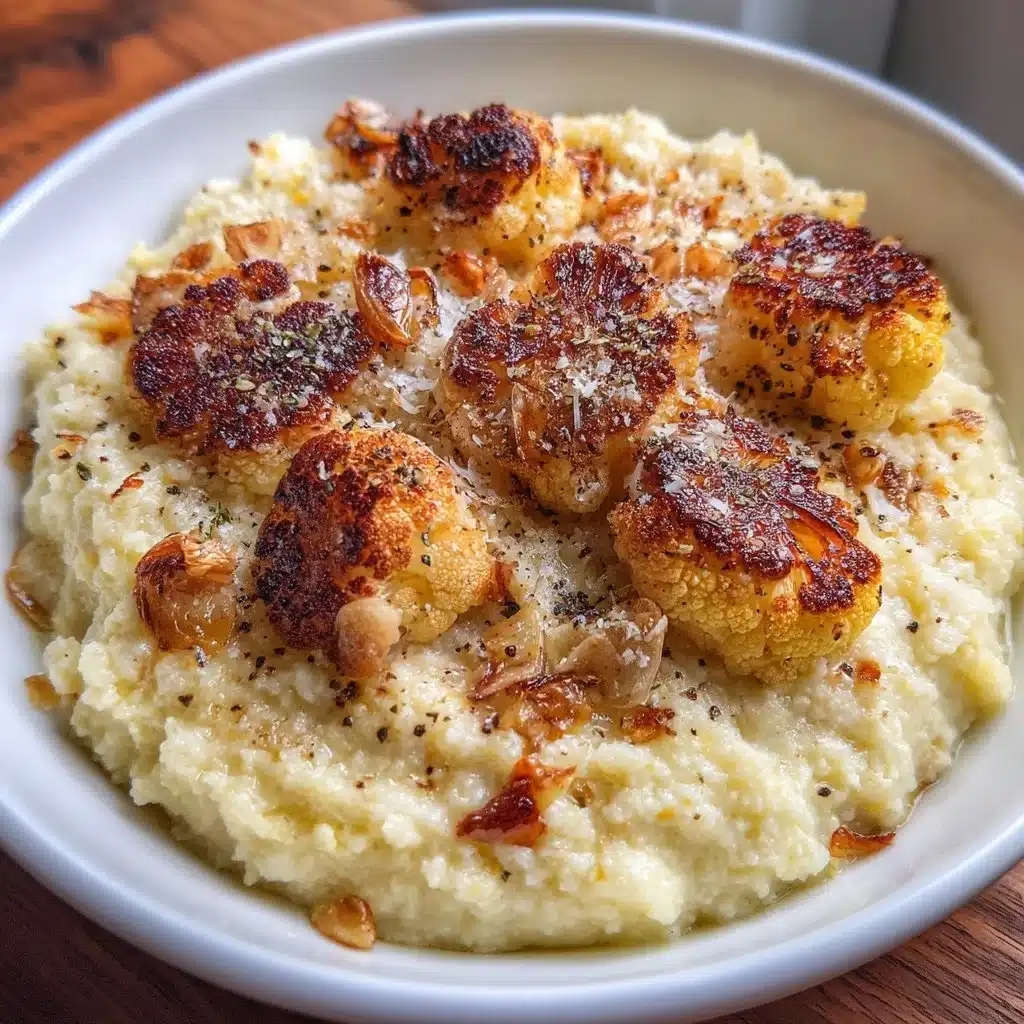
Roasting transforms cauliflower and garlic. Heat drives out moisture, concentrates flavor, and creates caramelized bits that add savory sweetness. That Maillard browning turns plain florets into something rich and nutty, while the garlic softens and loses its harsh edge. Blending the roasted vegetables into a mash creates a silky texture that mimics mashed potatoes but stays lighter and brighter.
This recipe keeps things simple so you can rely on consistent results. Olive oil encourages browning without burning, and a short roast time brings the cauliflower to tender perfection. The optional splash of cream or milk fills in the mouthfeel for people who want a richer finish. You can also use stock or a drizzle of olive oil to keep the mash dairy-free. Because the recipe highlights texture and seasoning rather than complicated steps, it comes together quickly and suits weeknights or holiday spreads.
How to prepare Roasted Garlic Cauliflower Mash
Ingredients
- 1 head of cauliflower
- 4 cloves of garlic
- 2 tablespoons of olive oil
- Salt to taste
- Pepper to taste
- 1/4 cup of cream or milk (optional)
Instructions
-
Preheat oven to 400°F (200°C).
-
Cut the cauliflower into florets.
-
Peel and chop the garlic.
-
Toss the cauliflower and garlic with olive oil, salt, and pepper.
-
Spread on a baking sheet and roast for 25-30 minutes until golden.
-
Once roasted, transfer to a food processor and blend until smooth.
-
If desired, add cream or milk for a creamier texture.
-
Serve warm.
Serving ideas
Serve this mash as a cozy side or a base for more generous toppings. Spoon a scoop beside roasted pork chops or grilled salmon, and use the mash to soak up pan sauces. For a vegetarian main, top the mash with sautéed mushrooms, caramelized onions, and a drizzle of balsamic. For a weeknight shortcut, pile shredded rotisserie chicken over a bowl of warm mash, sprinkle with chives, and finish with cracked black pepper.
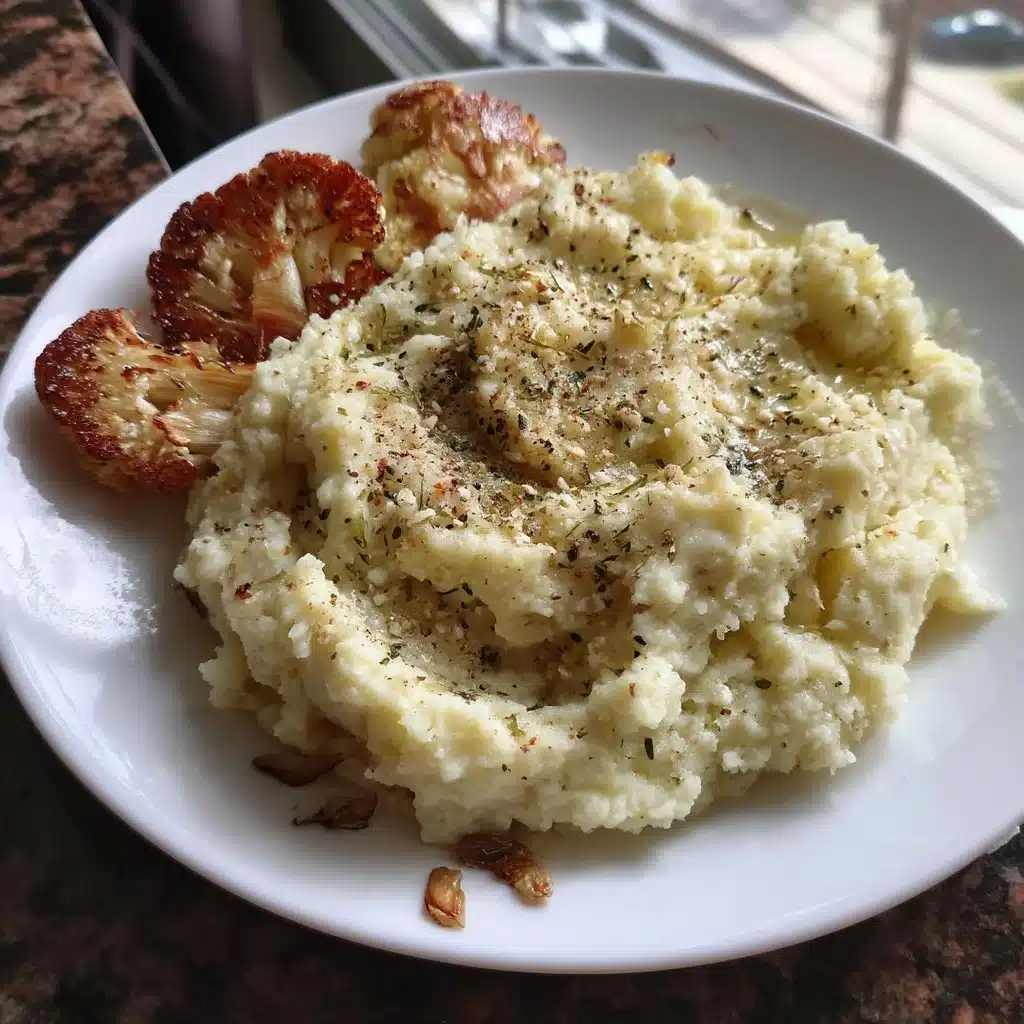
For presentation, use a shallow bowl and create a small well in the center. Add a pat of butter or a pool of extra virgin olive oil that melts into the mash. Sprinkle coarse salt and a little lemon zest if you want a brightness to cut the richness. The mash also works well chilled and scooped into finger-sized portions as a replacement for potato croquetteslightly bread and pan-fry for a crisp exterior.
Storage tips
Cool the mash quickly and refrigerate it within two hours of cooking to preserve texture and safety. Store in an airtight container for up to four days. When reheating, add a splash of cream, milk, or broth and reheat gently on the stovetop over low heat, stirring until smooth to restore the silkiness.
You can freeze the mash for up to two months. Portion it into freezer-safe containers or heavy-duty bags and press out excess air. Thaw overnight in the refrigerator before reheating, or reheat from frozen on low heat with liquid added to loosen the texture. If the mash thins after reheating, whisk in a small pat of butter or an extra tablespoon of cream to bring it back to its original body.
DishGrub Kitchen Tips
Use a rimmed baking sheet so the florets roast evenly instead of steaming. Give the cauliflower space on the pan and turn it halfway through roasting to encourage even browning. If you want more depth, roast at the same temperature but for a shorter time at the end under the broilerwatch it closely and remove it when the edges darken slightly.
For the smoothest texture, use a food processor and pulse until the mash looks velvety. A high-speed blender gives excellent results but may require adding liquid in small amounts to allow smooth blending. Taste and adjust seasoning after blending; the roasting concentrates flavors, and you may need to add a finishing pinch of salt or a squeeze of lemon.
To add interest, fold in chopped herbs or a sprinkle of grated Parmesan after blending. For an extra layer of flavor, toss the florets with smoked paprika or a little ground cumin before roasting. If you want to explore a saucier pairing, treat the mash like mashed potatoes and ladle over a garlic herb pan saucetry it with our roasted chicken or other hearty mains such as the flavors in creamy garlic Tuscan chicken for a satisfying combo.
Recipe variations
Change up the texture and flavor by switching the add-ins. Use half-and-half or a few tablespoons of sour cream instead of milk for a tangy richness. For a dairy-free mash, use warmed vegetable stock and a tablespoon of extra virgin olive oil to create silkiness. Stir in roasted red peppers and a pinch of smoked paprika for a sweet, smoky version.
Make a cheesy mash by adding grated sharp cheddar or Parmesan after blending and warming gently until melted. For a herb-forward take, stir in chopped parsley, dill, or chives once the mash comes off the heat. Spice lovers can fold in a spoonful of harissa or chipotle in adobo for a smoky kick that pairs well with grilled proteins.
For a roasted garlic-forward mash, roast several extra cloves and use them as a spread on toast or as a flavor bomb folded into the mash for a punchier result. You can also turn leftovers into croquettes: chill the mash, form patties, coat them with breadcrumbs, and pan-fry until crisp.
Common questions
Q: Can I make this mash without a food processor?
A: Yes. You can use a potato masher for a chunkier result or a stand mixer with the paddle attachment for a smoother finish. If you choose a blender, add liquid sparingly so the blender doesn’t create a gluey texture. A hand immersion blender yields a good balancework in short pulses and stop when the mash reaches your preferred consistency.
Q: How do I prevent the mash from becoming watery?
A: Roast the cauliflower until it gets golden but not soggy; excess moisture comes from under-roasting. Drain any excess liquid that collects on the baking sheet before blending. If you must add liquid during blending, add it a tablespoon at a time and stop when the mash feels creamy but not loose. Chill the mash briefly before frying into croquettes to let it firm up.
Q: Can I roast the cauliflower and garlic together in advance?
A: You can roast them a day ahead and store them in the refrigerator. Bring them back to room temperature before blending for the smoothest texture, and warm gently with a splash of cream or broth if needed. Re-blend as the final step to refresh the mash’s texture and flavor before serving.
Q: Is this recipe low in carbs?
A: Yes. Cauliflower mashes provide a lower-carb alternative to mashed potatoes while keeping a familiar creamy texture. You can keep the recipe extra light by skipping cream and using olive oil or broth. Add herbs and spices for flavor without adding significant calories or carbs.
Conclusion
For a quick, comforting side that still feels special, this roasted garlic cauliflower mash delivers. Roast for flavor, blend for texture, and adjust the richness to suit your table. If you want to compare techniques or find another version with slightly different seasoning, check this helpful guide to Roasted Garlic Mashed Cauliflower – Pass Me Some Tasty.