I love food that feels like a quick hug—something bright, familiar, and easy enough to make on a weeknight yet special enough to bring to a laid-back dinner with friends. Hawaiian shrimp poke fits that bill. It keeps the clean, punchy flavors of the islands while stripping back fuss. You chop, toss, and serve; the shrimp does the rest. When I first made a shrimp poke bowl for a small family gathering, people hovered near the counter because the citrus and soy aroma threaded through the kitchen. Plates emptied fast, but the best part came afterward: everyone lingered, talking about summer memories and the simple joy of sharing a fresh, vibrant meal.
Comfort food doesn’t always mean heavy or complicated. This poke uses familiar pantry items—soy sauce, sesame oil, lime—and a handful of produce to create something bright and addictive. It’s light enough for a weeknight dinner and vibrant enough to feel like a little celebration. Swap rice for salad greens when you want it lighter, or build rice bowls and invite friends to top their own. If you enjoy shrimp-focused recipes with straightforward flavor, you might also like our garlic butter shrimp, which takes only a few minutes and satisfies that same quick-comfort impulse: garlic butter shrimp.
At DishGrub, we test recipes so you don’t have to guess. We focus on cozy, practical meals that fit real lives—you want flavor, speed, and results you can count on. This Hawaiian shrimp poke recipe comes from that playbook: short ingredient list, clear steps, and a few small tips to help you dial it in. Whether you want a fast solo dinner, a weekend meal-prep option, or a simple party bowl, this recipe scales and adapts nicely. Read on for why this version works, step-by-step instructions, serving ideas, storage tips, and a few ways to make it your own.
Why this recipe stands out
This shrimp poke keeps things honest: it balances savory soy, toasty sesame oil, and bright lime without masking the shrimp. Many poke recipes rely on heavy sauces or long ingredient lists; this one focuses on clean flavors that let each ingredient sing. The lime adds freshness and a hint of acidity that brightens the soy, and the sesame oil contributes a warm, nutty background note that threads everything together. We keep texture in mind, too—creamy avocado and crisp cucumber contrast the tender shrimp.
I wrote the amounts to be forgiving. If you prefer a saltier bite, a splash more soy is easy. Want it milder? Reduce the soy or rinse the shrimp briefly after marinating. The short marinating time softens the shrimp just enough to absorb flavor without becoming mushy. This approach works well whether you make it with fresh raw shrimp that you briefly cure, or with cooked shrimp that you toss with the dressing. Both methods give that vibrant poke character, and you can choose based on what your market offers.
This recipe also performs well when scaled. Make a big batch for a backyard potluck or keep it modest for two. It stores well if you separate the components, which makes it great for meal prep—you can assemble bowls quickly on busy nights. For more shrimp-forward comfort recipes that travel well from skillet to plate, try this spicier, hearty Cajun option we tested: Cajun Shrimp Jambalaya.
Simple steps for Hawaiian Shrimp Poke
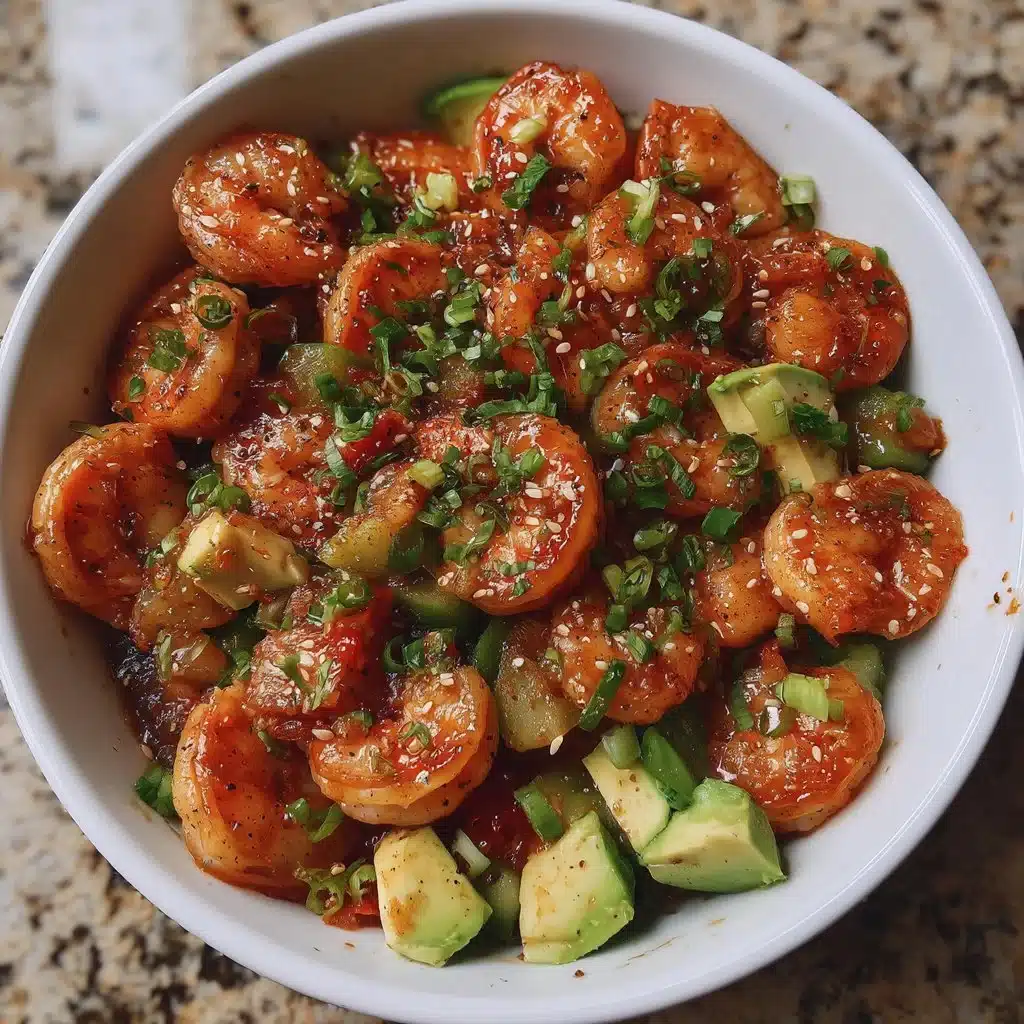
Ingredients
- 1 lb shrimp, peeled and deveined
- 1/4 cup soy sauce
- 1 tablespoon sesame oil
- 1 tablespoon green onions, chopped
- 1 avocado, diced
- 1 tablespoon sesame seeds
- 1/2 cucumber, diced
- 1 tablespoon lime juice
- Salt and pepper to taste
- Cooked rice or salad greens (for serving)
Instructions
-
In a bowl, combine soy sauce, sesame oil, lime juice, salt, and pepper.
-
Add shrimp, green onions, cucumber, and avocado to the bowl.
-
Toss gently until well combined.
-
Let it marinate for at least 15 minutes in the refrigerator.
-
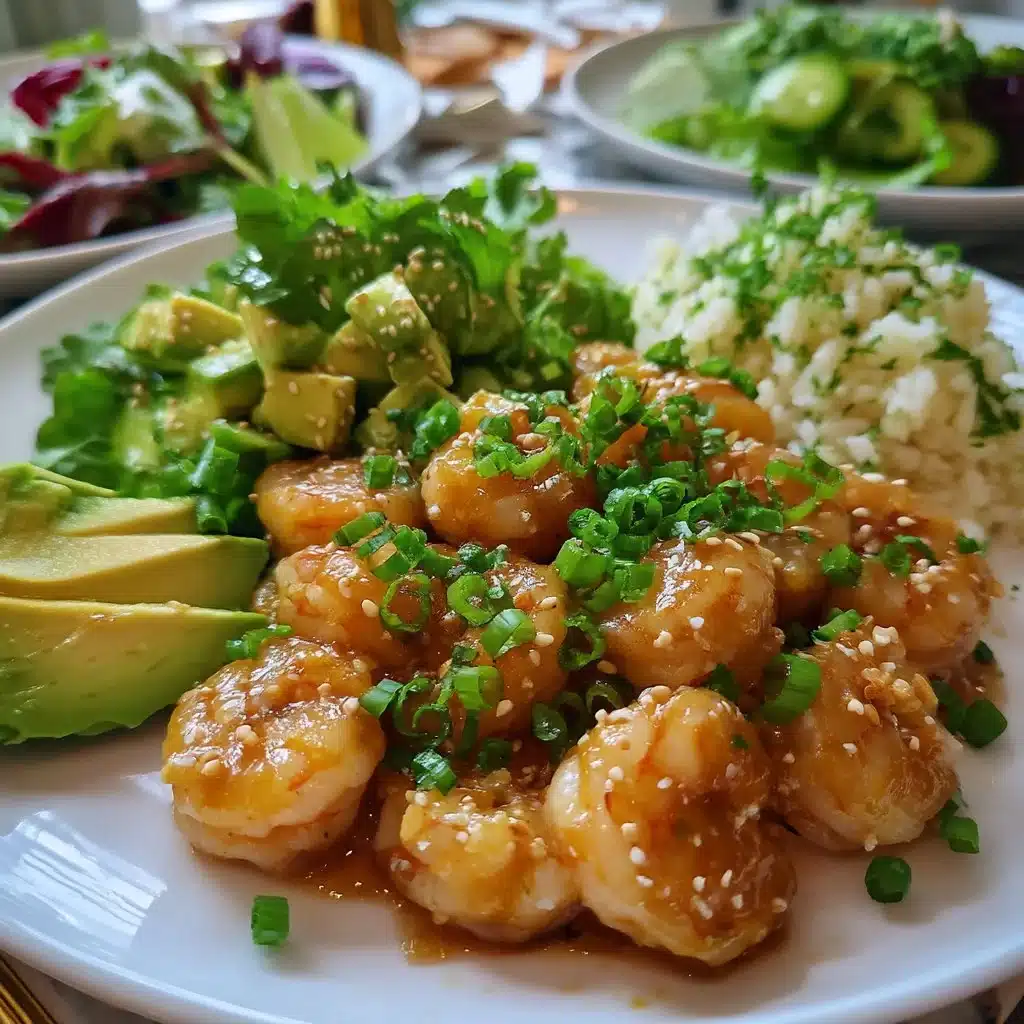
Serve over cooked rice or salad greens, and sprinkle with sesame seeds.
How to serve this dish
Serve poke bowls your way. For a classic build, spoon warm cooked rice into a bowl, top with a generous portion of the shrimp mixture, and finish with sesame seeds. Add pickled ginger or a few toasted nori strips if you like an extra textural contrast. For a lighter plate, use salad greens instead of rice and pile the poke on top with a squeeze more lime. The lime brightens everything and helps the avocado feel silkier against the shrimp.
If you host, set up a simple assembly station: bowls of rice, a tray of mixed greens, extra sesame seeds, sliced scallions, and small dishes of crushed red pepper or chili oil. Let guests add what they want. This recipe also pairs well with a cold, crisp side like quick cucumber salad or a simple edamame toss with flaky salt. For a snack or appetizer spread, serve the shrimp poke with crispy wonton chips or cucumber rounds.
Timing matters. If you serve this for guests, start cooking rice early so it stays warm while you toss the poke. Keep chopped avocado and cucumber chilled until assembly to maintain crunch and color. A last-minute sprinkle of toasted sesame seeds keeps the presentation bright and fragrant.
How to store it properly
Store components separately for best texture. Keep the shrimp mixture in an airtight container and refrigerate for up to two days. Store rice or salad greens in their own containers to avoid sogginess. If you plan to eat within a few hours, assemble at serving time for the freshest bite.
If you have leftover assembled bowls, eat them within 24 hours. Avocado will brown faster once mixed; to slow browning, toss avocado with a little extra lime juice before combining, and press a piece of plastic wrap directly onto the surface of the poke mixture to reduce air exposure. Reheat rice separately in the microwave with a damp paper towel to restore steam before adding the cold poke on top.
Freeze nothing with raw avocado or cucumber; those ingredients suffer in texture after thawing. If you must prep ahead for a longer period, freeze cooked shrimp plain and thaw in the refrigerator the day before you plan to use it, then toss with fresh produce and dressing when ready.
DishGrub Kitchen Tips
Keep things balanced. Taste the dressing before you add shrimp so you can adjust soy or lime. If your soy is particularly salty, dilute it slightly with water or add a touch more lime to brighten. If you love heat, add a drizzle of chili crisp or a pinch of red pepper flakes.
Use shrimp size to your advantage. Larger shrimp work well when you want a meaty bite in each forkful; smaller shrimp distribute more evenly through a bowl. If you use raw shrimp, cut it into bite-sized pieces so the citrus and soy coat each piece well. If you use pre-cooked shrimp, ensure it’s fully thawed and pat it dry before tossing so the dressing clings instead of sliding off.
Toast your sesame seeds in a dry skillet for one to two minutes until they smell nutty. Taste them quickly to avoid burning. Toasted sesame seeds lift the dish with a little crunch and deeper flavor.
Make it your own
You can dress this poke up or down. Add diced mango for a tropical sweetness that complements lime. Stir in a spoonful of mayonnaise mixed with sriracha for a creamier, spicy version that kids often love. Swap soy sauce for tamari if you want gluten-free seasoning without altering other flavors.
For extra texture, add thinly sliced radishes, shredded carrots, or chopped macadamia nuts. If you prefer a smoky note, use a touch of toasted sesame oil plus a drop of toasted miso paste in the dressing. For a vegetarian twist, swap shrimp for diced tofu—press and sear it quickly so it holds up against the dressing.
If you plan to make this ahead for a party, keep the avocado and sesame seeds separate until serving. The cucumber keeps well if you dice it and chill it in advance. For portable lunches, pack rice, poke, and toppings in separate containers and assemble at midday.
Frequently asked questions
Q: Can I use cooked shrimp instead of raw?
A: Yes. Use cooked shrimp if you prefer or if raw shrimp is hard to find. Thaw and pat cooked shrimp dry before tossing with the dressing so it absorbs flavor. Marinate cooked shrimp briefly—about 10 to 15 minutes—so it doesn’t get overly soft. If you want a firmer texture, quickly sear cooked shrimp in a hot skillet for 30 to 60 seconds per side before tossing, which helps them hold up in the bowl.
Q: How long should I marinate the shrimp?
A: Marinate raw shrimp for at least 15 minutes to let the lime and soy flavor penetrate without breaking down the texture. If you marinate longer, keep an eye on the shrimp—acid can begin to "cook" it like a ceviche and change the mouthfeel. With cooked shrimp, aim for about 10 to 15 minutes to avoid sogginess. For an overnight option, prepare the dressing and chop vegetables, but wait to add avocado and cucumber until serving day.
Q: Can I make this gluten-free?
A: You can. Substitute tamari or a certified gluten-free soy sauce for the soy sauce in this recipe. Check any additional condiments you add, like chili crisp, to ensure they carry a gluten-free label. Sesame oil, lime juice, fresh produce, and plain shrimp stay naturally gluten-free, so the swap keeps the dish accessible without changing flavor much.
Q: What sides go well with shrimp poke?
A: Keep sides light and textural. A quick seaweed salad, steamed or sautéed vegetables, or simple edamame with flaky salt pair nicely. For a heartier meal, add a side of miso-glazed roasted vegetables or a small serving of cold noodle salad. The goal is contrast: something crunchy or cooling balances the soft avocado and tender shrimp.
Q: Is this suitable for meal prep?
A: Yes, with planning. Store shrimp and dressing separately from rice and greens. Keep avocado and cucumber chilled until assembly to preserve texture. Assemble bowls the day you plan to eat them for the best experience. Poke keeps well for up to two days refrigerated if stored correctly.
Conclusion
If you want a fresh, fast weeknight meal that still feels like a treat, try this Hawaiian shrimp poke and adjust it to your taste with the suggested twists. For another well-tested poke bowl guide and inspiration, see Wholly Tasteful’s Hawaiian Shrimp Poke Bowl.