Cooking around a table has a quiet power. One pan, a few honest ingredients, and the conversation that follows make ordinary evenings feel like something to remember. I think about the tiny rituals that signal home: someone breaking the bread, a squeeze of lemon across a hot pan, the scrape of a fork as the first bite disappears. This garlic butter roasted asparagus recipe lives in that space — fast, fragrant, and bright enough to lift the whole meal. It roasts while you set the plates, fills the kitchen with garlic and butter, and arrives at the table in less time than a sitcom episode. Those small wins matter, especially on weeknights when you want cozy without the fuss.
I make this asparagus often when friends pop over or when I want a vegetable that feels special without demanding attention. The lemon zest wakes up the butter and garlic, and roasting concentrates the stalks’ sweetness while keeping a pleasant snap. It pairs with so many mains, from grilled chicken to a simple pasta, and it never feels like an afterthought. I find myself using it as the “that side dish” that people ask for again. If you like bold, garlicky flavors, try it alongside our garlic butter pork chops for a perfect weeknight pairing that feels restaurant-caliber at home.
At DishGrub we test recipes until they work reliably for busy home cooks. We favor straightforward techniques, a handful of pantry-friendly ingredients, and flavor-focused finishes that make simple plates feel intentional. This recipe follows that approach: easy prep, predictable timing, and a finish of lemon and optional Parmesan to suit your family’s tastes. You’ll find notes below on storage, quick swaps, and a couple of small tricks that keep the asparagus bright and tender every time.
Why you’ll love this dish
Garlic butter roasted asparagus brings three things to the table: speed, flavor, and adaptability. Roasting bites away the grassy edge of raw asparagus and turns it nutty and slightly caramelized without masking its freshness. The garlic butter delivers immediate comfort — butter provides richness and garlic adds a savory backbone — while lemon zest brightens the whole dish so it never feels heavy. You can plate it with a weeknight protein, add it to a grain bowl, or scatter it over pasta. It also stands up well to a sprinkle of Parmesan or a squeeze of lemon juice right before serving, and those small additions let you dial the dish from rustic to elegant in seconds.
Simple steps for Garlic Butter Roasted Asparagus with Lemon Zest
Ingredients
- 1 pound asparagus, trimmed
- 4 tablespoons unsalted butter
- 3 cloves garlic, minced
- 1 tablespoon lemon zest
- Salt and pepper to taste
- Fresh lemon juice (optional)
- Grated Parmesan cheese (optional)
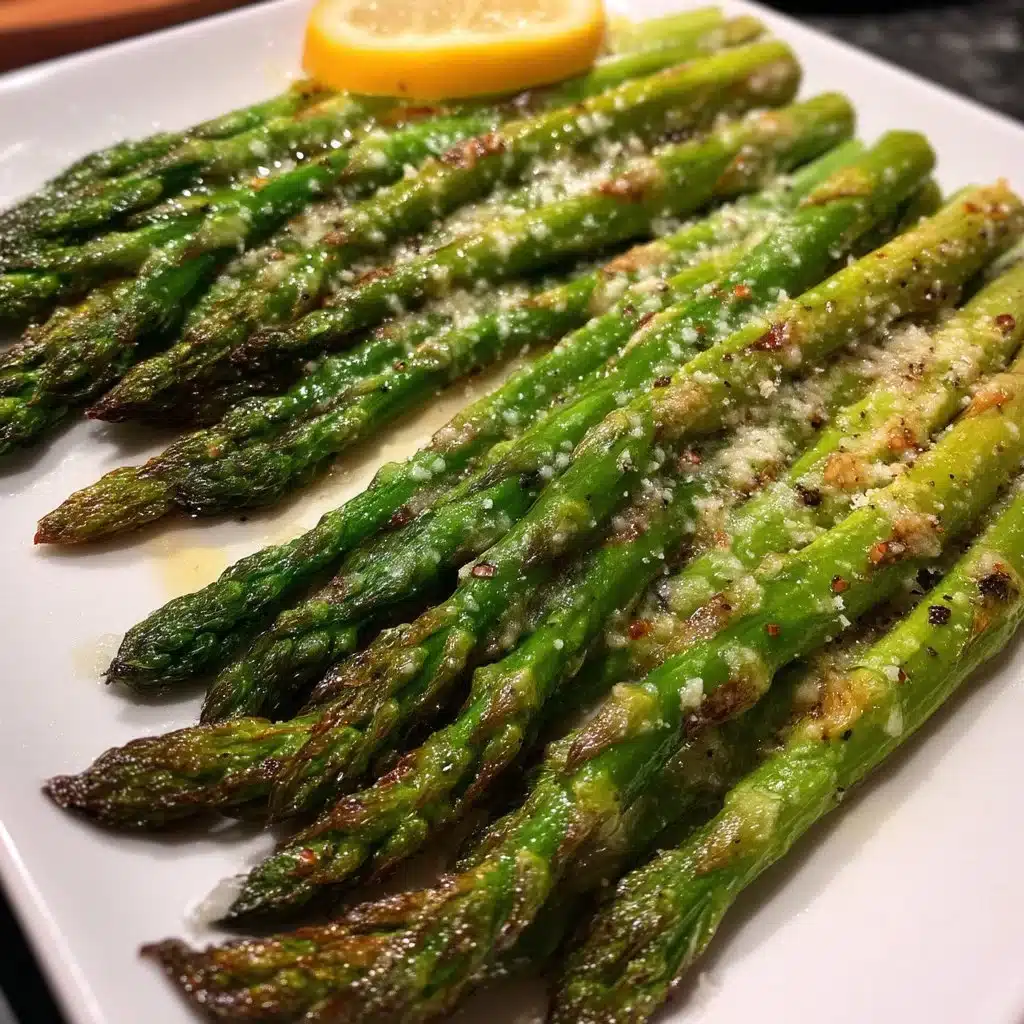
Instructions
-
Preheat the oven to 400°F (200°C).
-
Arrange the asparagus on a baking sheet.
-
In a small saucepan, melt the butter over medium heat. Stir in the minced garlic and sauté until fragrant, about 1 minute.
-
Pour the garlic butter over the asparagus and toss to coat.
-
Sprinkle with lemon zest, salt, and pepper.
-
Roast in the preheated oven for 12-15 minutes, until tender.
-
Drizzle with fresh lemon juice and sprinkle with grated Parmesan cheese if desired before serving.
How to serve this dish
Serve the asparagus hot from the oven so the butter stays glossy and the lemon perfume feels fresh. For a simple weeknight plate, place a bed of mashed potatoes or buttered rice down first, then lay the asparagus across the top so every bite gets a little of the pan juices. For a lighter approach, serve alongside a green salad dressed with a tangy vinaigrette to contrast the buttery stalks. If you want a heartier main, pair the asparagus with roast chicken, fish, or the garlic butter pork chops referenced earlier; the flavors of garlic and butter tie the plate together.
For entertaining, arrange roasted asparagus on a platter, shave a little more Parmesan over the top, and scatter toasted almonds or pine nuts for crunch. Lemon wedges on the side let guests add brightness to taste. You can also chop the roasted asparagus and fold it into warm pasta with extra butter and a splash of pasta water for an easy, green pasta that feels indulgent but comes together in minutes.
How to store it properly
Store leftover asparagus in an airtight container in the refrigerator within two hours of cooking to keep it safe and tasty. Place a paper towel in the container to absorb excess moisture and prevent sogginess; replace it if it becomes damp. Properly stored, the asparagus will keep well for up to 3 days. Reheat gently on a sheet pan in a 350°F oven for 5–7 minutes so the stalks warm through without losing texture, or reheat briefly in a skillet over medium heat to restore some crisp edges.
Avoid freezing roasted asparagus: the texture becomes limp and watery after thawing. If you want to preserve asparagus long-term, blanch raw stalks briefly and freeze them on a tray before transferring to a bag, then use them in cooked dishes where texture matters less, like soups or casseroles.
Recipe tips for success
Trim asparagus at the woody end where it naturally snaps; grab each stalk and bend until it breaks to find the tender portion. Try to pick stalks of similar thickness so they roast evenly — thick stalks need a few extra minutes, thin ones cook faster. Melt butter slowly and add garlic just long enough to release aroma but not long enough to brown it; burnt garlic tastes bitter and will dominate the dish. If you prefer extra garlic punch, you can add a pinch of garlic powder along with fresh garlic to layer flavors.
Use plenty of room on the baking sheet so the stalks roast instead of steam. If your pan feels crowded, use two trays or roast in batches. Finish with fresh lemon zest for a fragrant lift; a quick squeeze of lemon juice right before serving adds bright acidity that balances the butter. For an on-plate suggestion that echoes the buttery flavor profile, pair this side with our garlic butter pork chops recipe to keep the meal cohesive and simple.
Make it your own
Customize the recipe to suit your tastes and pantry. Swap butter for olive oil if you prefer a lighter finish, and add a pinch of red pepper flakes with the garlic for heat. Toss in chopped fresh herbs — parsley, tarragon, or dill — after roasting for herbal brightness. To add a crustier finish, grate a little pecorino or Parmesan over the asparagus in the last 2 minutes of roasting so the cheese melts and forms a thin, savory crust.
If you want a Mediterranean spin, scatter halved cherry tomatoes and olives on the sheet pan for the last 8–10 minutes of roasting. For a nutty crunch, finish with toasted breadcrumbs or almonds. To turn the asparagus into a main for a vegetarian meal, roast thicker stalks with lemon and garlic, then top with a poached egg and a drizzle of olive oil for a satisfying plate.
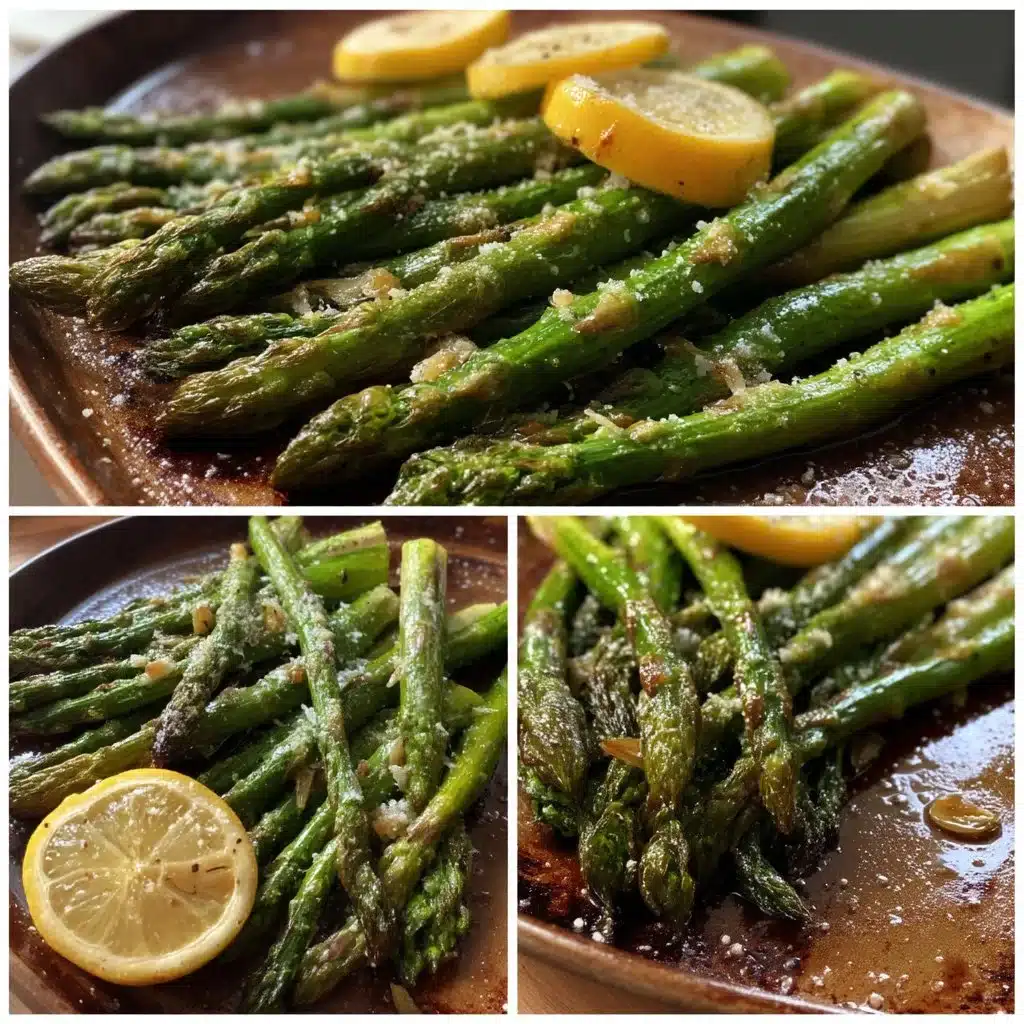
Frequently asked questions
Q: Can I use frozen asparagus for this recipe?
A: Fresh asparagus gives the best texture and flavor when roasted because it caramelizes and retains a slight snap. Frozen asparagus releases water while thawing, which leads to steaming rather than roasting. If frozen is your only option, thaw thoroughly and pat dry, then increase oven temperature slightly and roast on a well-oiled sheet until edges brown. Blanching frozen asparagus before roasting can help improve texture, but results vary. For best success, buy fresh when possible.
Q: How do I prevent the garlic from burning?
A: Garlic burns quickly and becomes bitter if it cooks too long or at too high a temperature. Melt the butter over medium heat and add minced garlic only until it releases its aroma, about 30 to 60 seconds, then remove from heat before pouring over the asparagus. The residual heat will continue to mellow the garlic. Alternatively, toss whole peeled garlic cloves on the pan with the asparagus; they will roast slowly and sweeten rather than burn.
Q: What thickness of asparagus should I choose, and does cooking time change?
A: Thicker asparagus stalks roast beautifully and stay juicy in the center; they usually need the full 12–15 minutes. Thin stalks cook faster, around 9–12 minutes, and can become limp if overcooked. When shopping, aim for uniform thickness across the batch so roasting time stays consistent. If you have mixed sizes, separate them on the pan so thin stalks can be removed earlier, or trim thicker stalks in half lengthwise for even cooking.
Q: Can I make this ahead for a potluck or party?
A: You can roast asparagus ahead and reheat briefly in a hot oven to revive texture, but it tastes best when served immediately. If you must prepare it beforehand, roast without adding lemon juice or Parmesan, cool quickly, and refrigerate in a single layer if possible. Reheat on a sheet pan at 375°F for 6–8 minutes and finish with fresh lemon and cheese right before serving to brighten the flavors.
Conclusion
If you want a dependable, flavorful side that comes together fast and looks like you cared, this garlic butter roasted asparagus checks every box. For another take on lemon and garlic with a similar roast method, I recommend the detailed approach found in Evolving Table’s lemon-garlic roasted asparagus recipe, which offers additional notes on timing and variations.