There’s a reason a bowl of fire-roasted salsa feels like home. It fills the kitchen with a smoky, bright scent that nudges everyone toward the counter with chips in hand and stories to share. I learned to make this salsa on a hot summer night when my neighbor handed me a charred tomato and said, “That’s where the flavor lives.” We ate the salsa on paper plates under string lights while kids chased moths across the lawn. The spice warmed us, the lime lifted us, and the char made everything feel real and comforting. That memory keeps me coming back to this simple method—no fuss, just heat, a few good ingredients, and the kind of flavor that turns ordinary snacks into gatherings.
This salsa stands up to anything: it brightens tacos, perks up roasted vegetables, and serves as the backbone of weeknight dinners. It works whether you’re hosting a backyard crowd or making a small plate for two. The ingredients list reads like pantry staples, and the technique—fire-roasting directly over a gas burner or under a broiler—does the heavy lifting, releasing sugars and adding a deep smoky edge that store-bought jars can’t match. Once you try it, you’ll find that the salsa improves as it rests, so consider making it a little ahead of time to let the flavors marry.
At DishGrub we test recipes so you don’t have to guess. We aim for cozy, practical dishes that fit busy lives and regular kitchens. Our testers make every recipe multiple times, with notes on timing, equipment, and smart shortcuts. This fire-roasted salsa recipe reflects that approach: it’s approachable for a beginner and fast enough for a last-minute appetizer. If you like pairing fresh salsa with cozy pasta dinners, see our creamy tomato pasta for date night for another easy tomato-forward recipe that’s been road-tested by home cooks.
Why this recipe works
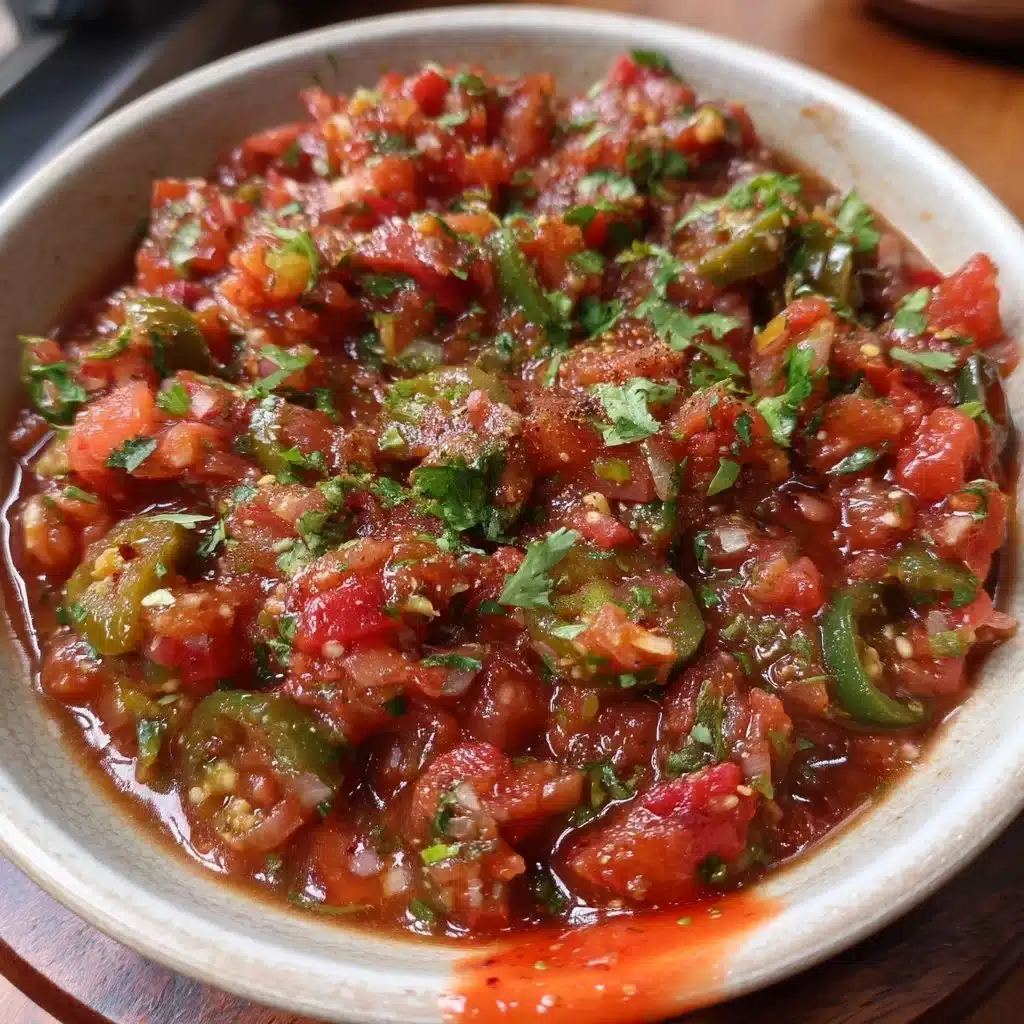
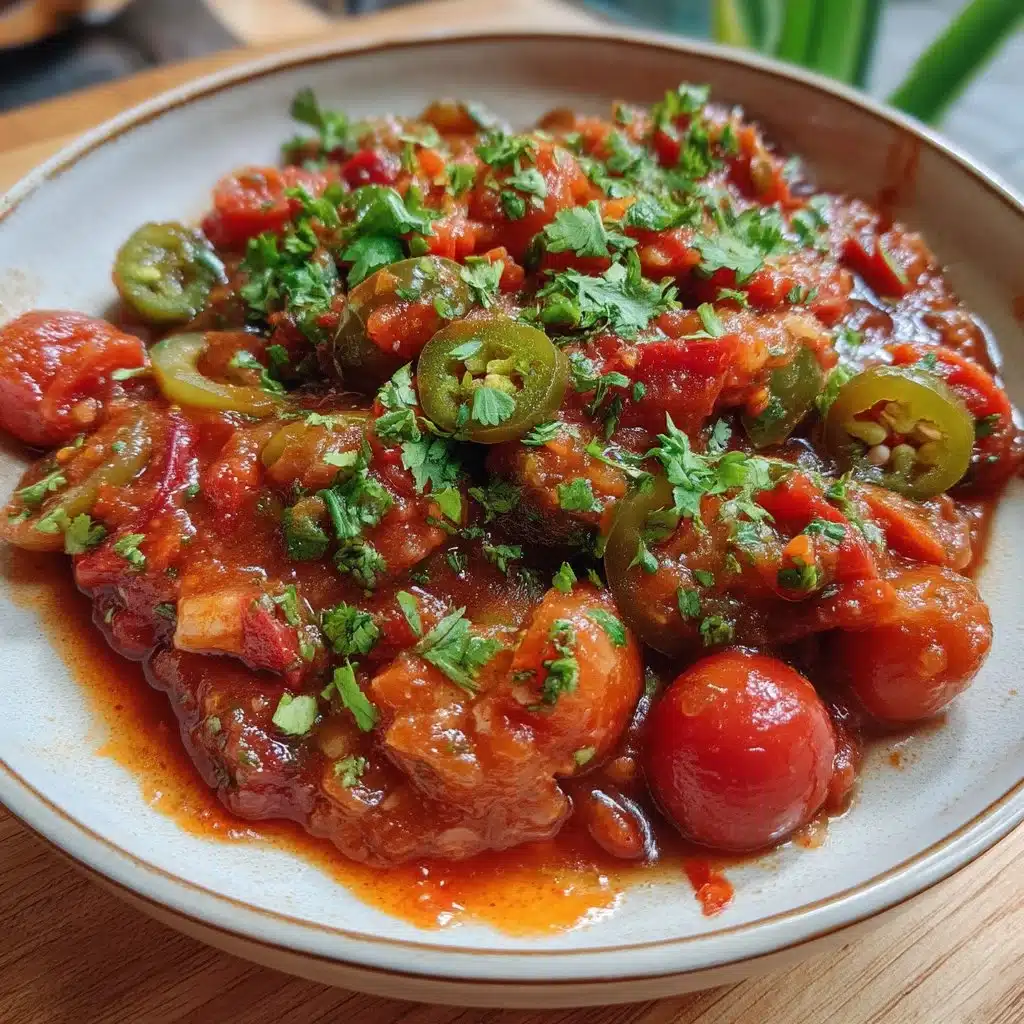
Char turns simple tomatoes into something dramatic. When you expose tomatoes to direct heat, their natural sugars caramelize and their flesh concentrates, giving a roasted-sweet backbone that contrasts beautifully with fresh lime and cilantro. The jalapeños contribute a clean, grassy heat when roasted—less sharp than raw slices and more integrated into the salsa’s flavor. A quick pulse in a blender preserves some texture but smooths the salsa enough to scoop with chips or spoon over grilled meats.
This approach strips the recipe down to technique rather than tricks. No added oils, no canned tomatoes, no long simmer—just fire, time, and balance. Lime juice brightens the charred notes, a little salt lifts the aromatics, and cilantro adds a herbaceous lift that keeps the salsa from feeling heavy. Because the method relies on charring rather than slow cooking, the salsa stays vibrant and fresh-tasting, which makes it versatile: use it fresh for crisp snacking or let it rest in the fridge to mellow and deepen in flavor.
How to prepare Fire-Roasted Tomato Salsa (Restaurant-Style)
Set up a simple assembly line: tomatoes, jalapeños, onion, garlic, cilantro, and lime. You don’t need special tools—just tongs and a heat source. For stovetop charring, a gas burner works best because you can rotate the vegetables directly over the flame. If you don’t have gas, use a broiler pan set close to the broiler element and turn vegetables frequently to get even char. The goal is deep black blisters and collapse of the tomato flesh; those blackened bits deliver the smoky personality.
After roasting, let the vegetables cool slightly so you can handle them. Peeling the tomatoes removes slippery skins that can make the salsa stringy while leaving most of the concentrated flesh intact. Removing jalapeño stems reduces bitterness and prevents seeds from making the salsa unexpectedly intense. Work quickly in the blender so you keep some texture and don’t over-process into a purée unless you prefer that restaurant-smooth finish. Taste and adjust—lime, salt, or extra cilantro will nudge the salsa toward your ideal balance.
Ingredients
- 6 ripe tomatoes
- 2 jalapeño peppers
- 1/2 onion
- 3 cloves of garlic
- 1/4 cup fresh cilantro
- Juice of 1 lime
- Salt to taste
Instructions
- Fire-roast the tomatoes and jalapeños over an open flame until charred.
- Remove the skins from the tomatoes and the stems from the jalapeños.
- In a blender or food processor, combine the roasted tomatoes, jalapeños, onion, garlic, and cilantro.
- Blend until desired consistency is reached.
- Add lime juice and salt to taste, mixing well.
- Serve immediately or refrigerate for flavors to meld.
Serving ideas
Serve this salsa with sturdy, golden tortilla chips and a cold beer for a classic start. Spoon it over grilled chicken or fish for a bright finishing sauce—its acidity and smoke cut through rich proteins beautifully. For breakfast, dip warm corn tortillas into the salsa while you fry eggs and avocado slices for an easy huevos rancheros riff. Use it as a topping for a simple rice bowl: roasted vegetables, a scoop of black beans, and a generous spoon of salsa tie everything together.
For a party, set up a DIY taco bar with this salsa alongside sliced radishes, chopped onions, and crumbled queso fresco. It also makes a lively base for a quick tomato soup: blend with warm chicken or vegetable stock, heat gently, and finish with a splash of cream for a smoky tomato bisque. If you want to keep things light, throw a few spoonfuls over a chilled cucumber-and-corn salad to add contrast and spark.
Here’s another DishGrub favorite that pairs nicely when you want a warm, cozy entree to go with chips and salsa: our creamy tomato pasta for date night brings tomato comfort to the table in a different way and complements the fresh brightness of this salsa.
Storage tips
Store salsa in an airtight container in the refrigerator for up to 4 days. The flavor will deepen as it rests—smoky notes mellow and marry with lime and cilantro—but fresh brightness fades a bit after the first day. If you plan to keep it longer, freeze in ice cube trays and transfer frozen cubes to a labeled bag; thaw overnight in the fridge and use within a month for best quality.
Avoid leaving salsa at room temperature for more than two hours, especially in warm weather. If you dilute the salsa with additional ingredients like avocado or sour cream, treat it like a perishable dip and consume within a day. If the salsa tastes overly flat after refrigeration, stir in a squeeze of fresh lime and a pinch of salt to wake it up.
DishGrub Kitchen Tips
Use ripe tomatoes that give slightly under your thumb; underripe tomatoes won’t develop the same caramelized sweetness. Roma or plum tomatoes work well because they have firm flesh and fewer seeds, but any ripe tomato will work. When charring jalapeños, turn them frequently so they blister evenly and don’t burn to a crisp—blistering should soften them and soften their heat into something smooth.
Peel tomatoes by letting them cool just enough to handle, then slip the skins off with your fingers or a small knife; don’t over-peel and remove the juicy flesh. If you like a chunky salsa, pulse rather than blend continuously. A few quick pulses will leave pieces for texture. For a very smooth, restaurant-style salsa, blend longer and pass through a fine mesh strainer to remove seeds and any remaining skin bits.
If you use a broiler, keep the oven door slightly ajar if your oven manual allows it—this gives you better control and prevents vegetables from steaming instead of charring. Always taste at the end: heat levels vary by jalapeño, and a little extra salt or lime will make the salsa sing.
Recipe variations
Make it smoky and mild by using poblano peppers instead of jalapeños for a richer, gentler heat. If you crave more kick, include one serrano pepper or retain more jalapeño seeds to increase heat. For a chunkier pico-style salsa, reserve one raw tomato and finely chop it to fold in after blending the roasted mixture.
Add fruit for contrast: diced mango or pineapple folded in after blending creates a sweet-spicy salsa that’s fantastic with grilled pork or fish. For a charred-roasted corn version, char a cup of fresh corn kernels in a skillet and stir them in after blending for crunch and sweetness. If you want a creamy texture, blend in a quarter of an avocado or a tablespoon of Greek yogurt just before serving.
To adapt for dietary needs, this salsa naturally fits vegan, gluten-free, and low-calorie diets. For a low-sodium option, start with no added salt and let eaters add to taste at the table. For a smoky chipotle twist, substitute one roasted chipotle in adobo for a jalapeño and adjust to taste.
Common questions
Q: Can I make this salsa without a gas stove?
A: Yes. Use your oven’s broiler on high and place the tomatoes and jalapeños on a rimmed baking sheet about 4 inches from the broiler element. Turn the vegetables frequently so they char evenly on all sides. Alternatively, use a cast-iron skillet over medium-high heat to get a good char, turning the pieces until blistered. Each method will give you that roasted flavor; timing varies, so watch closely to avoid burning.
Q: Should I peel the tomatoes every time?
A: Peeling the tomatoes improves texture because the skins can separate and become stringy when blended. If you don’t mind a more rustic texture and want to save time, you can leave the skins on—just expect a slightly different mouthfeel. For a smooth, restaurant-style finish, peeling is worth the extra minute or two.
Q: How can I control the heat level?
A: Heat varies with the pepper and the amount of seeds. Roast the jalapeños whole, then remove all seeds and membranes to reduce heat. If you want more predictable warmth, start with one jalapeño and add more after tasting. Roasting also mellows heat; raw jalapeño will feel sharper than roasted. If the salsa ends up too spicy, balance with extra lime juice, a small pinch of sugar, or some mild diced tomato or avocado.
Q: Is it safe to leave this salsa out at a party?
A: Follow the two-hour rule: don’t leave perishable foods out at room temperature for more than two hours (one hour if the room is hot). If you expect the salsa to sit longer, keep it chilled in a serving bowl set over ice or replenish small bowls from the fridge so the main batch stays cold.
Q: Can I double the recipe?
A: Yes. Double everything and roast in batches if needed to avoid overcrowding the pan or burner. Blend in batches too, checking texture and seasoning as you go. Salsa scales well, and larger batches can be a real time-saver for parties.
Conclusion
For more inspiration and a slightly different restaurant-style technique, check out this detailed take on the topic at Restaurant Style Fire Roasted Salsa | Little Spice Jar.