There’s something about food threaded on a skewer that brings people together. Maybe it’s the way every bite is a little package of meat and veg, or the relaxed pace of pulling one from the pan and passing the platter around. These sheet pan chicken kabobs turn that convivial feeling into something you can make on a weeknight. They roast in a hot oven until the chicken browns at the edges and the peppers and zucchini caramelize just enough to get sweet and tender. The whole kitchen smells like dinner and company, and cleanup stays easy because everything cooks on one tray.
I test recipes so they work where you live—your oven, your schedule, your grocery store. DishGrub recipes aim to be cozy, reliable, and practical: straightforward steps, a short ingredient list, and tips that make the outcome consistent. We pick small tricks that save time—like cutting ingredients to similar sizes so everything finishes together—and share variations so you can adapt the dish to what’s in your pantry. If you enjoy sheet-pan dinners, you might like our lemon-herb chicken and broccoli riff that brightens the same simple approach with citrus and herbs. That recipe keeps the same ease but swaps in a bright, fresh flavor that pairs well with these kabobs.
Why this recipe works
This sheet pan method simplifies classic kabobs by taking them out of the grill and into the oven without losing the texture or flavor. The high oven temperature gives the chicken good color and seals in juices while the vegetables roast close enough to caramelize but not burn. Threading threaded pieces ensures you get a balanced bite every time: chicken, pepper, zucchini, onion. The seasoning keeps things familiar—garlic powder and paprika add savory depth and warmth—while olive oil helps carry flavor and aids browning. Because everything cooks together on one tray, you cut down on hands-on time and cleanup, which makes this a weeknight workhorse.
How to prepare Sheet Pan Chicken Kabobs
Ingredients
- 1 lb chicken breast, diced
- 1 bell pepper, cut into chunks
- 1 zucchini, sliced
- 1 red onion, cut into chunks
- 2 tablespoons olive oil
- 1 teaspoon garlic powder
- 1 teaspoon paprika
- Salt and pepper to taste
- Wooden or metal skewers
Instructions
- Preheat the oven to 400°F (200°C).
- In a bowl, combine diced chicken, bell pepper, zucchini, and red onion.
- Drizzle with olive oil and season with garlic powder, paprika, salt, and pepper; toss until well coated.
- Thread the chicken and vegetables onto skewers alternately.
- Place the skewers on a sheet pan lined with parchment paper.
- Bake in the preheated oven for 20-25 minutes or until the chicken is cooked through and vegetables are tender.
- Serve warm.
Serving ideas
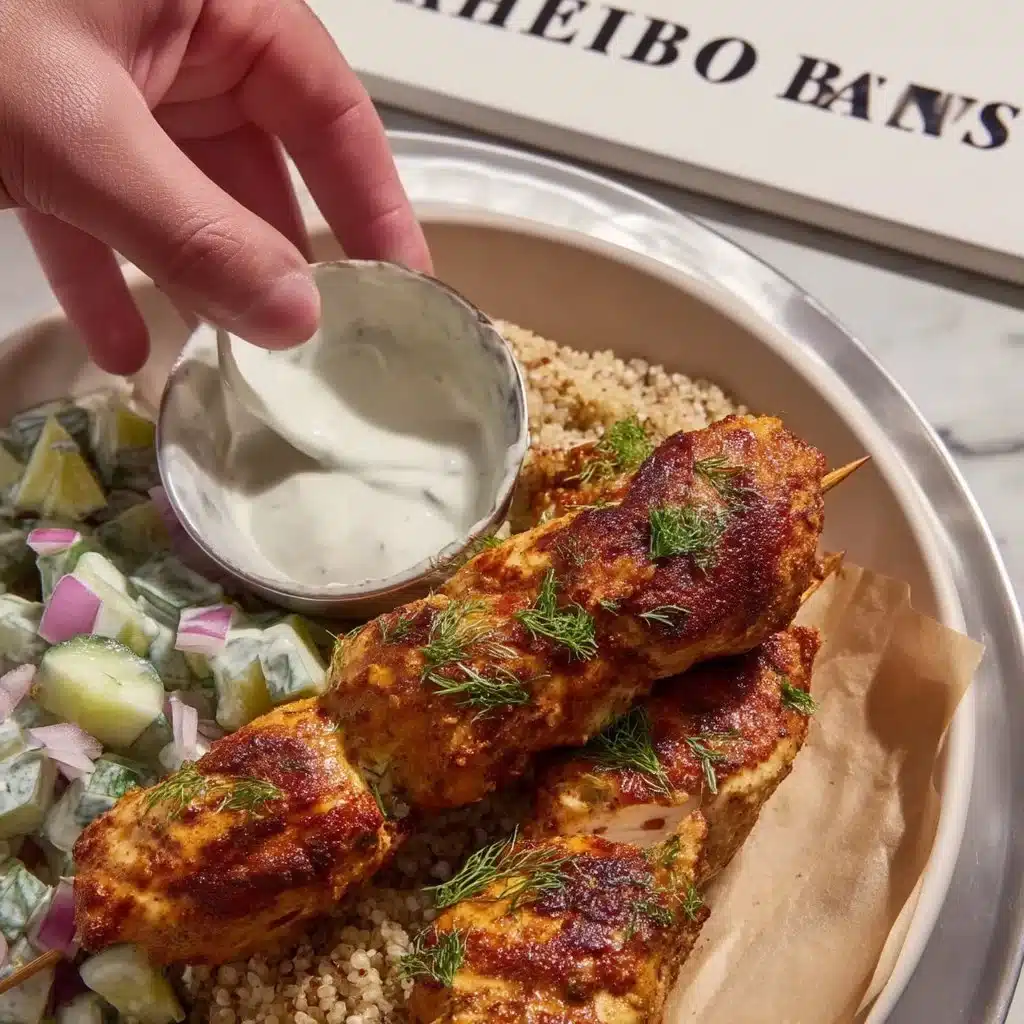
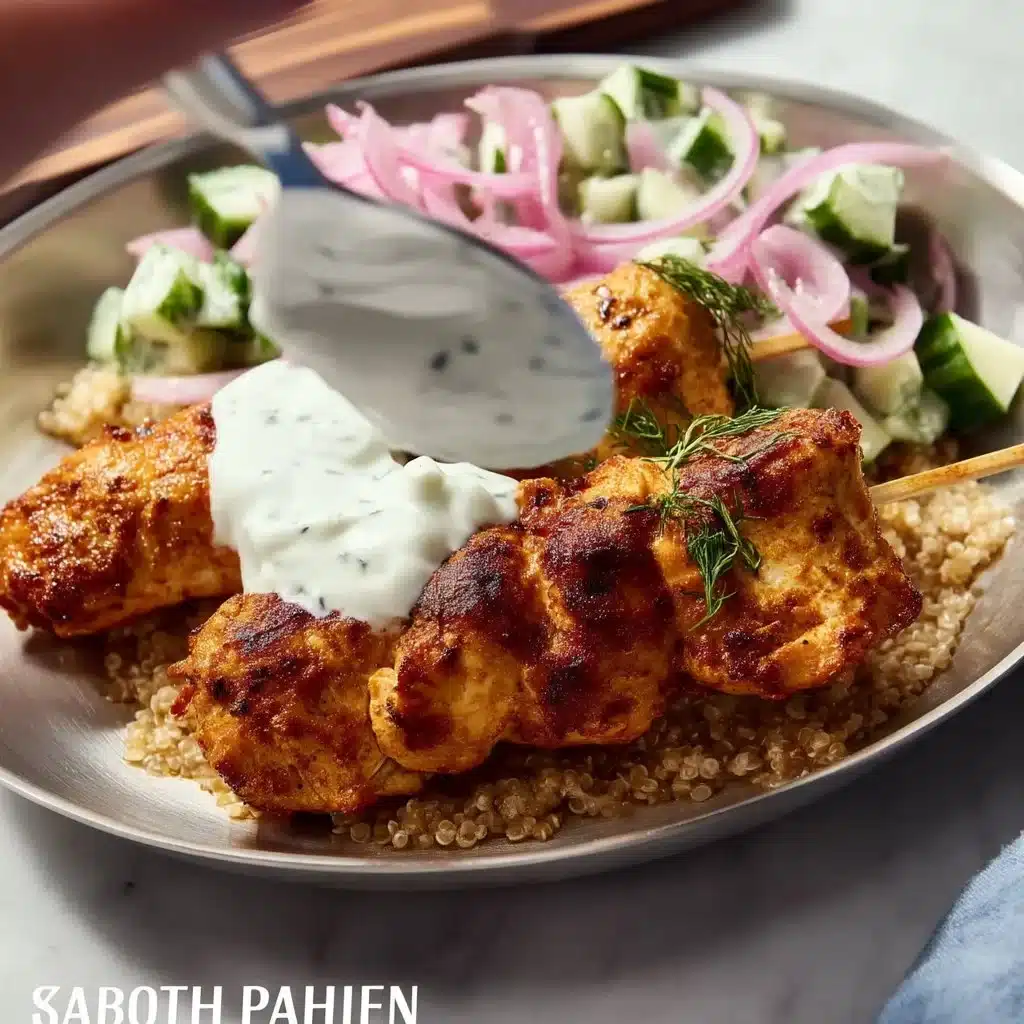
Think of these kabobs as a flexible main: they pair with grains, tucked into warm flatbreads, or piled onto a bed of greens for a hearty salad. Spoon tzatziki, hummus, or a quick yogurt-garlic sauce alongside to add cool, creamy contrast. For a weeknight plate, roast baby potatoes or toss plain rice with a handful of chopped parsley and lemon zest. If you want to stretch this into a party platter, remove the kabobs from the skewers and serve everything family-style with crusty bread and a simple tomato-cucumber salad. For another sheet-pan dinner that’s bold and shareable, try our loaded sheet pan nachos for an easy crowd-pleaser.
Storage tips
Cool the kabobs to room temperature for no more than two hours, then slide the pieces off the skewers and pack them into an airtight container. Store cooked chicken and vegetables in the fridge for up to four days. Reheat gently in a 350°F oven for 8–10 minutes or until warm through to preserve texture; avoid microwaving for extended times because the chicken can dry out. For longer storage, freeze portions in a freezer-safe container for up to three months. Thaw overnight in the refrigerator before reheating, and add a sprinkle of water or a quick brush of oil to keep the chicken moist when warming.
DishGrub Kitchen Tips
Keep your pieces uniform so they cook at the same rate: cut the chicken into roughly 1-inch cubes and slice vegetables to match. If you use wooden skewers, soak them in water for 20–30 minutes before threading so they don’t scorch in the oven. Toss the protein and vegetables lightly but thoroughly with oil and seasoning so each piece browns evenly. If you like a little extra char, slide the tray under the broiler for 1–2 minutes at the end of cooking while watching closely. Use parchment or a silicone mat to prevent sticking and simplify cleanup; the pan will only need a quick rinse afterward.
Recipe variations
Swap spices and add marinades to give the same method fresh personality. Try a Mediterranean spin with oregano, lemon zest, and a splash of red wine vinegar before cooking. For smoky-sweet flavor, add a teaspoon of smoked paprika and a tablespoon of honey to the oil before tossing. If you prefer a Mexican flair, stir in cumin and chopped cilantro after baking and serve with warmed tortillas and avocado. Make it all-vegetable by swapping chicken for large mushrooms or cauliflower florets, or use shrimp for a faster-cooking protein—just reduce oven time and keep an eye on doneness. These small swaps let you keep the simplicity while matching the meal to your mood or pantry staples.
Common questions
Q: Can I use frozen chicken?
A: You should use fully thawed chicken for even cooking and food safety. Thaw frozen chicken in the refrigerator overnight, then pat it dry before cutting and seasoning. Excess moisture from partially frozen meat prevents good browning and can extend cooking time, which risks overcooking the vegetables.
Q: Do I need to alternate vegetables and chicken on the skewers?
A: Alternating helps every bite include both protein and veg, and it keeps pieces separated so heat circulates evenly. If you prefer, group similar items together on separate skewers—just be mindful that any skewer of just vegetables might cook faster than a skewer with multiple chicken pieces. Stagger them on the pan so you can remove any finished skewers early without disrupting the others.
Q: How can I tell when the chicken is done without a thermometer?
A: Cut a larger piece in half to check the center: fully cooked chicken will be opaque and the juices will run clear. For precision and safety, a meat thermometer gives the best result—target 165°F at the thickest part. If you cook a bit past that, let the kabobs rest for five minutes; the carryover heat will even out the temperature and the meat will stay juicier if you don’t slice into it immediately.
Q: Can I make these ahead for a party?
A: Yes. Assemble the skewers and place them on a tray covered in the fridge up to the day before. Bring them to room temperature for 20 minutes before baking, then follow the baking directions. You can also par-cook the kabobs, cool them, and finish them on a hot broiler or grill just before serving to refresh the char.
Q: What vegetables work best?
A: Choose firmer vegetables that hold their shape under heat: bell peppers, zucchini, red onion, cherry tomatoes (added near the end), mushrooms, and small potato wedges all work well. Avoid very watery vegetables like raw cucumbers; if you like their crunch, serve them raw in a quick salad on the side.
Conclusion
Sheet pan chicken kabobs deliver the flavor and fun of traditional skewers with less fuss and easy cleanup, which makes them ideal for busy nights or casual gatherings. If you want a method for kebab-style chicken without dealing with skewers or a grill, check out this helpful guide for an alternative approach: Chicken Kebab Without Skewers or a Grill – Andy’s East Coast Kitchen.