I still remember the summer my neighbors brought over a bowl of pasta that smelled like the garden had decided to sit down at our kitchen table. We ate standing up on the back porch, paper plates in hand, tomatoes staining our fingers and basil tucked behind ears like crowns. That simple bowl made a weekday feel like a holiday. Food does that: it threads together ordinary minutes and makes them feel deliberate. This pasta follows that same instinct—fresh tomatoes, bright basil, garlicky oil—and it asks very little of you. It rewards patience with texture: a gentle pop from warm tomatoes, silky pasta carrying olive oil, and salty flecks of Parmesan if you want them. It suits small dinners and impromptu guests, the kind of recipe you pull out when you want comfort without fuss.
I write for home cooks who value flavor over fuss. At DishGrub we test recipes until they behave in real home kitchens: gas flames and tired pans, missing utensils and hungry kids. We keep ingredients familiar and steps straightforward so you can make weeknight food that feels special. This pasta fits that promise—it uses pantry staples and garden bounty and translates easily whether you cook for one or ten. If you like simple, honest food that looks like effort but tastes like care, this recipe will become a go-to. If you want another easy, shareable crowd-pleaser, try our cheesy spinach artichoke dip recipe for an appetizer that plays well alongside a bowl of bright pasta.
Why you’ll love this dish
This pasta finds its strength in balance. The tomatoes add a fresh, slightly sweet base; garlic and olive oil carry the flavor without weighing it down; basil lifts the dish with herbal perfume; and a scatter of Parmesan provides savory depth. You can make it in under 30 minutes, and it adapts to what you have on hand. The recipe honors ripe summer tomatoes but works with tomatoes from a container or even cherry tomatoes when you halve them for quick cooking. It shines as a light main, an easy weeknight dinner, or a companion to grilled chicken or garlic bread.
Steps to make Ina Garten’s Summer Garden Pasta
Ingredients
- pasta (e.g., spaghetti or penne)
- fresh tomatoes
- basil
- garlic
- olive oil
- salt
- pepper
- parmesan cheese (optional)
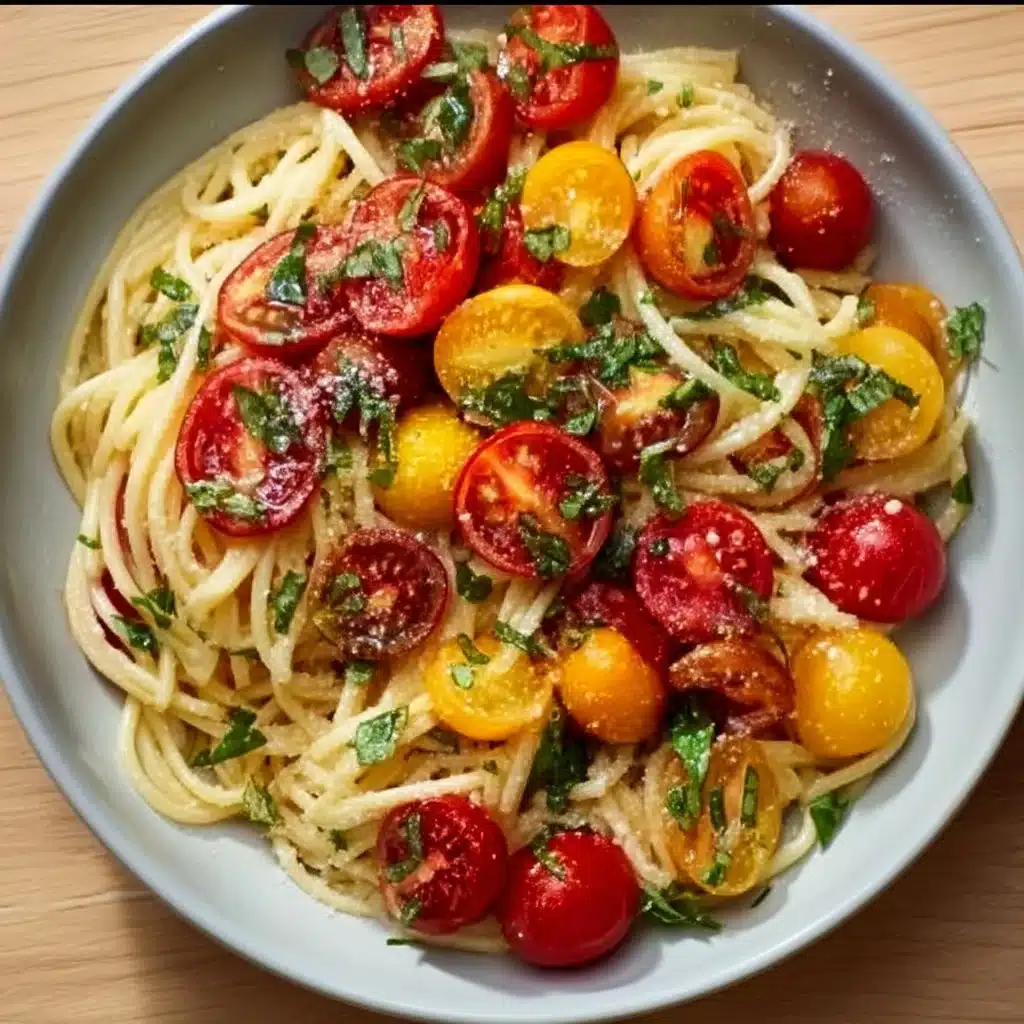
Instructions
- Cook the pasta according to package instructions. Drain and set aside.
- In a large skillet, heat the olive oil over medium heat. Add minced garlic and sauté until fragrant.
- Add the chopped fresh tomatoes and cook until they start to soften.
- Stir in the cooked pasta and fresh basil. Season with salt and pepper to taste.
- Serve warm, topped with grated parmesan cheese if desired.
Simple serving suggestions
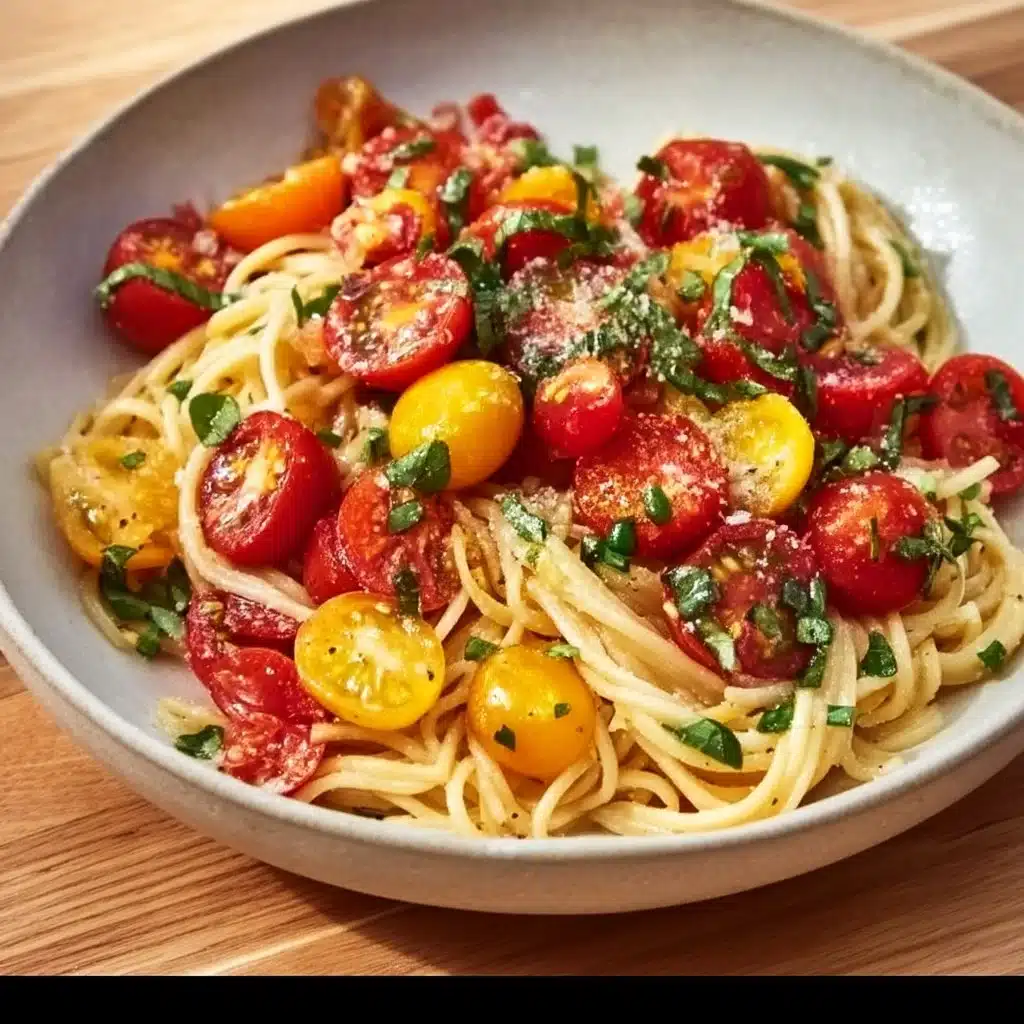
Serve this pasta straight from the skillet for a rustic, family-style presentation. Scatter torn basil leaves over the top right before serving so the fragrance stays bright. Offer grated Parmesan at the table so people can add as much as they like—its salty richness pairs especially well with the sweet acidity of fresh tomatoes. For a heartier meal, add a simple protein: pan-seared chicken breasts, sliced and laid over the pasta, or a handful of cooked shrimp tossed in the skillet for a minute. For a casual summer spread, set bowls of sliced bread, a green salad dressed lightly with lemon and olive oil, and a plate of marinated olives alongside the pasta.
If you serve this at a potluck, bring a small pan to keep it warm, or toss everything with a splash of reserved pasta water to keep the sauce glossy and the noodles from sticking as it cools. The pasta works cold or room temperature, too; it becomes a lovely pasta salad when you let it sit for a bit, so plan that option if you prepare it ahead of time.
How to store it properly
Cool the pasta to room temperature before storing to keep condensation out of the container. Transfer the leftovers into an airtight container and refrigerate promptly. The pasta keeps well for up to 3 days; after that the texture of the noodles will soften and the bright tomato flavors will dull. To reheat, warm a skillet over medium-low heat, add the pasta with a splash of olive oil or a couple of tablespoons of reserved pasta water, and stir until heated through. You can also microwave single servings, but stirring halfway through helps reheat evenly.
If you want to meal-prep, store the cooked pasta and sauce components separately. Keep the sliced tomatoes in one container and the pasta in another; toss them together just before serving to preserve the tomatoes’ fresh bite and basil’s bright aroma. Freeze this dish only as a last resort—tomato and basil lose their fresh character in the freezer and thaw, though you can freeze plain cooked pasta for up to a month if needed.
DishGrub Kitchen Tips
Use the best olive oil you have for flavor—the oil plays a starring role because it carries garlic and coats the pasta. Don’t let the garlic brown; cook it just until it smells fragrant so it tastes mellow and sweet instead of bitter. Save a cup of pasta water before draining; that starchy water binds the sauce to the noodles and gives you a silky finish when you toss everything together.
If your tomatoes feel watery, cook them a few minutes longer to concentrate their flavor. If they feel firm, chop them smaller so they soften quickly. Taste and adjust salt at the end—cheese will add saltiness, so wait until you plate to salt too aggressively. For a one-pan shortcut, finish the pasta in the skillet with the tomatoes and a touch of pasta water; the starch helps create a cohesive sauce.
For another comforting make-ahead option to serve alongside this pasta, try our cheesy spinach artichoke dip recipe for a warm appetizer that people will dig into while you finish plating.
Make it your own
Want more texture? Add toasted pine nuts or chopped walnuts for a nutty crunch. Prefer creamier sauce? Stir in a splash of heavy cream or a dollop of ricotta at the end. To boost the herb profile, mix in chopped parsley or a few mint leaves for a bright twist. To up the heat, add red pepper flakes when you sauté the garlic. If you want a smoky note, toss in a few roasted red peppers or finish with a drizzle of good-quality smoked olive oil.
For a vegetable-forward version, sauté thinly sliced zucchini or summer squash until soft and add them with the tomatoes. To make it vegetarian-lean and filling, fold in white beans like cannellini for a protein boost without changing the texture much. This recipe welcomes improvisation—just keep the balance of acid, fat, salt, and herb so the final bite feels lively.
Frequently asked questions
What pasta shape works best for this dish?
Choose a medium-width pasta that carries sauce well—spaghetti, linguine, penne, or fusilli all work. Long noodles like spaghetti wrap around basil and thin ribbons of tomato nicely, while penne and fusilli trap little pieces of tomato and garlic in their grooves. Pick what you have and cook it to al dente so the noodles keep a pleasant bite when you toss them with warm tomatoes.
Can I use canned tomatoes instead of fresh?
You can use canned tomatoes in a pinch, but fresh tomatoes deliver a brighter, louder summer flavor. If you use canned whole tomatoes, drain some of the liquid and roughly chop before adding them to the skillet. Simmer them a little longer to reduce and concentrate the flavors. Canned tomatoes work well when summer fruit isn’t available, and they make the sauce smoother and more uniform.
How much garlic should I use without overpowering the dish?
Use two to three cloves for a family-sized batch, more if you love garlic. Mince the garlic finely and cook it gently in the oil just until fragrant; that preserves a mellow, sweet garlic flavor rather than sharp raw heat. If you prefer a subtler garlic presence, add a whole clove early and remove it before tossing the pasta, leaving only a hint of flavor in the oil.
Can I make this vegan?
Yes—skip the Parmesan and finish with a sprinkle of nutritional yeast or toasted nuts for umami and richness. Choose a robust olive oil and salt carefully to balance flavors without the cheese.
Why did my pasta stick together after storing?
Pasta sticks when it cools without enough oil or sauce. Toss leftover pasta with a little olive oil before storing, or keep pasta and sauce separate. When reheating, add a splash of reserved pasta water or olive oil and heat gently while stirring to loosen the strands.
Conclusion
If you want a dependable, fresh-tasting pasta that comes together fast and feels like a meal from a backyard table, this recipe will fit every occasion. For a take on Ina Garten’s version and more of her bright, garden-driven approach, read Ina Garten’s Summer Garden Pasta Is (Almost) Too Good to Be True, which inspired our easy, approachable take on the dish.