The smell of smoky vegetables on a weeknight grill takes me right back to warm porches, kids chasing each other with juice-slick fingers and friends lingering over one more glass. I lean into that feeling whenever I need a quick, cozy dinner: nothing complicated, just good food and company. This grilled vegetable mix hits that sweet spot — it feels intentional without tying you to the stove. You can chat while you cook, set a simple platter in the middle of the table, and everyone helps themselves. It’s the kind of dish that turns a busy evening into something slower, together.
I started testing this recipe on small weekday evenings and then on lazy Sunday lunches. I kept the steps tight and the seasoning minimal so the vegetables shine. When you toss bell peppers, zucchini, eggplant, and carrots with olive oil and a little garlic powder, the grill pulls out bright, caramelized flavors that make even picky eaters reach for seconds. If you want a complete plate, try pairing these with a protein and a grain — they play beautifully next to roast chicken, grilled fish, or a hearty salad. For a ready-made pairing idea that balances flavor and nutrition, try our grilled chicken quinoa salad for a quick weeknight meal.
DishGrub focuses on simple comfort food that cooks reliably for U.S. home kitchens. We test recipes in real home kitchens so they work when you need them most: minimal fuss, high flavor, and a few smart tips to help ingredients cooperate. This grilled vegetable recipe follows that approach: straightforward prep, short cook time, and a forgiving seasoning profile. You’ll find practical timing notes in the steps below, and a few ways to dress the vegetables for weeknight dinners or weekend entertaining.
Why this recipe stands out
This grilled vegetable recipe stands out because it relies on contrast: crisp exterior char with tender, juicy interiors. The grill pan creates those trademark marks and a slight smokiness even when you cook on the stovetop. The vegetables in this mix offer complementary textures and flavors — bell peppers add sweetness, zucchini keeps things silky, eggplant gives a buttery mouthfeel, and carrots add a satisfying snap and natural sweetness when caramelized.
I designed the ingredient list so you can shop fast and skip indecisive trips to specialty aisles. Olive oil and a few simple seasonings carry everything, letting the vegetables speak for themselves. The method keeps the pieces evenly sized so they cook at the same rate, which reduces babysitting time. If you want to feed a crowd, this recipe scales well: use more pans or move things to an outdoor grill for larger batches. The result holds well for an hour at room temperature, which makes it ideal for buffet-style serving.
Steps to make Healthy Grilled Vegetables
Ingredients
- Bell peppers
- Zucchini
- Eggplant
- Carrots
- Olive oil
- Salt
- Pepper
- Garlic powder
- Dried herbs (optional)
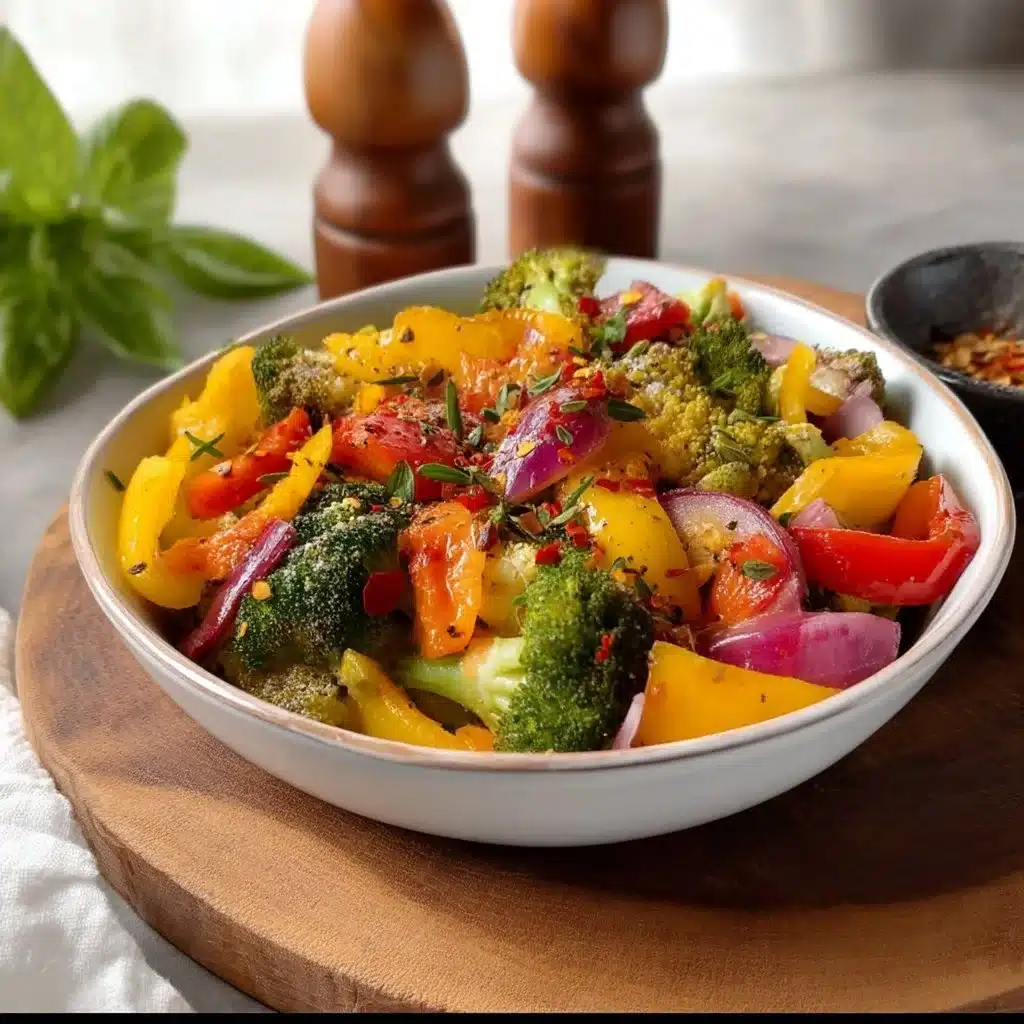
Instructions
- Preheat a grill pan over medium heat.
- Wash and cut all the vegetables into evenly sized pieces.
- In a bowl, toss the vegetables with olive oil, salt, pepper, garlic powder, and dried herbs if using.
- Place the vegetables on the hot grill pan in a single layer.
- Grill for about 5-7 minutes on each side, or until they are tender and have grill marks.
- Remove from the pan and serve warm.
Serving ideas
Serve these grilled vegetables straight from the pan for a rustic feel, or arrange them on a platter to make a centerpiece. They pair well with a simple grain like quinoa or farro and bright accents like lemon wedges or a dollop of yogurt-based sauce. For an easy weeknight plate, toss warm vegetables with cooked quinoa and a handful of chopped parsley for a light bowl meal. If you need a protein pairing, combine them with our healthy chicken enchilada casserole for a hearty, crowd-pleasing spread that keeps prep simple.
For a Mediterranean-style platter, add olives, feta, and pita; for an Italian twist, crumble fresh burrata on top and drizzle with balsamic glaze. You can also fold the grilled pieces into warm pasta with olive oil, garlic, and a squeeze of lemon to quickly transform leftovers into a new dinner.
How to keep leftovers
Cool the vegetables to room temperature before storing them so condensation doesn’t make them soggy. Place leftovers in an airtight container and refrigerate for up to four days. Reheat gently to avoid overcooking: warm them in a skillet over medium-low heat with a splash of olive oil, or reheat in a 350°F oven for 8–10 minutes until heated through.
You can also enjoy leftovers cold — they make a terrific addition to salads, sandwiches, or grain bowls. For freezer storage, flash-freeze in a single layer on a sheet tray for a couple of hours, then transfer to a freezer bag. Use frozen grilled vegetables within two months for the best texture; thaw in the refrigerator before reheating.
Recipe tips for success
Cut vegetables to uniform sizes so they cook evenly. For bell peppers, remove seeds and membranes and slice into wide strips. Cut zucchini lengthwise into 1/2-inch planks so they develop good char without becoming mushy. Peel thicker eggplants if their skin feels tough, and slice them about 1/2-inch thick. Slice carrots on a diagonal or into 1/4-inch thick coins so they cook through in the same timeframe as the other vegetables.
Pat vegetables dry after washing to ensure they brown rather than steam. Use enough oil to coat surfaces but avoid drenching them; a light sheen helps the seasonings stick and promotes even grilling. Keep the grill pan hot before adding vegetables; a good sizzle means you’ll get fast searing and attractive grill marks. Work in batches if needed so the pan won’t crowd — crowded pans drop temperature and cause steaming.
If you like more depth, add a small pat of butter or a drizzle of good balsamic reduction just before serving. For smoky flavor, finish with a pinch of smoked paprika or a few drops of liquid smoke, but use sparingly so you don’t overpower the natural sweetness of the vegetables.
Make it your own
Customize this recipe to match your pantry and mood. For a spicy kick, add crushed red pepper flakes or a splash of hot sauce before grilling. For herb-forward flavor, toss in chopped thyme, rosemary, or oregano. Try different oils to change the profile: sesame oil adds a nutty note (use sparingly), while avocado oil brings a neutral high-heat option.
Add a vinaigrette after grilling to lift the flavors — a simple lemon vinaigrette (lemon juice, olive oil, salt, pepper) brightens the dish. Fold in chopped fresh herbs like basil or mint for freshness. If you want a heartier option, mix the grilled vegetables with cooked beans like chickpeas or cannellini for a protein-rich salad. To make a composed main, layer grilled vegetables over toasted ciabatta and top with melted cheese or a smear of hummus.
Frequently asked questions
What grill pan works best for this recipe?
Choose a heavy-bottomed cast-iron grill pan for the best heat retention and clear char marks. Cast iron heats evenly and stays hot when you add vegetables, producing those attractive sear lines and concentrated flavor. If you don’t have cast iron, use a heavy nonstick grill pan and give it a few extra minutes to heat fully before adding the vegetables. On an outdoor grill, use a grill basket or a sheet of aluminum foil to keep smaller pieces from falling through the grates.
Can I use other vegetables or seasonal produce?
Yes. This method suits many vegetables that hold their shape: asparagus, mushrooms, sweet potatoes (par-boil them first), fennel, and cauliflower work well. When you add denser vegetables like sweet potato or cauliflower, cut them into smaller pieces or par-cook them briefly so they finish at the same time as quicker-cooking items. Adjust oil and seasoning proportions accordingly, and keep pieces uniform so you avoid undercooking or burning.
How do I keep grilled vegetables from getting soggy?
Dry the vegetables thoroughly after washing to reduce steam. Avoid over-oiling; too much oil leads to greasy, soggy results. Give the pan enough space so the heat can circulate and create sear marks; crowded pans trap moisture and steam the vegetables. Cook on medium to medium-high heat and flip only once when the underside has good color. After cooking, set vegetables on a wire rack or paper towel-lined tray briefly to drain excess oil before serving or storing.
Can I meal-prep these for the week?
Absolutely. Grill a larger batch and portion it into airtight containers for quick lunches or sides. Keep grains, proteins, and sauces separate, then assemble meals when you’re ready to eat. Reheat lightly on the stove or oven to protect texture, or eat them cold in salads and wraps.
What seasonings complement this mix without overpowering it?
Simple salt, pepper, and garlic powder let the vegetables shine. If you want more complexity, add a pinch of smoked paprika, a squeeze of lemon, or a handful of fresh herbs after cooking. A sprinkle of grated Parmesan or a drizzle of balsamic reduction adds richness without masking the natural flavors.
Conclusion
This grilled vegetable method gives you flexible, flavorful results with minimal fuss — a reliable side dish for weeknights or a casual party centerpiece. For more inspiration on grilling vegetables and variations you can try, explore the detailed tips and recipes in this helpful guide from Dinner at the Zoo: Dinner at the Zoo’s grilled vegetables guide.