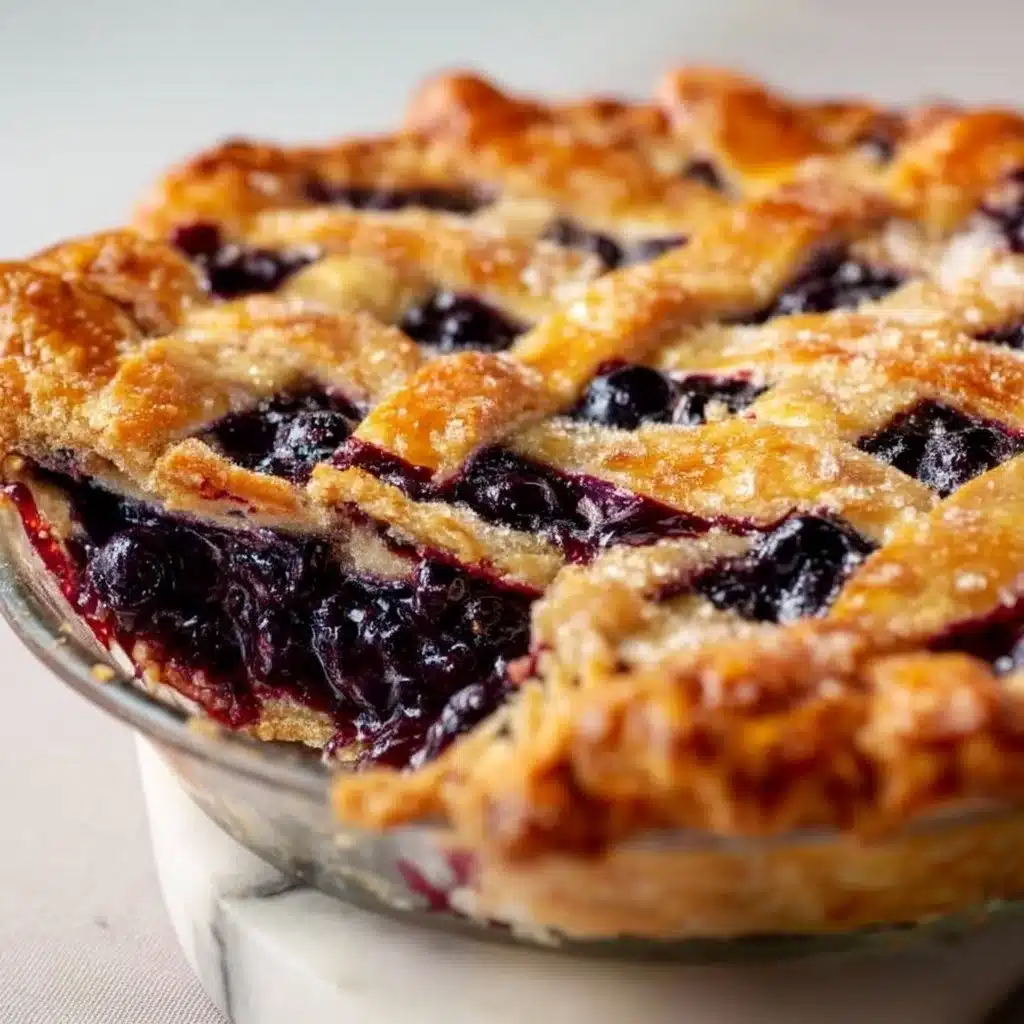
When summer berries ripen at the farmers market, I always imagine the soft, syrupy filling bubbling through a golden crust and the house filling with warm, fruity aroma. This blueberry pie does exactly that: it’s simple, cozy, and the kind of dessert that turns a quiet weeknight into something special or finishes a Sunday dinner the right way. I learned to make it the way my neighbor taught me—quick bowls, no fuss, and plenty of forgiving moments. The filling comes together in minutes, and the crust asks for only a little patience. When you pull it from the oven and the kitchen fills with that sweet-tart scent, everyone leans in.
I like pies because they invite company. They don’t demand perfect slices or fancy plating; they ask only for a scoop of ice cream, a cup of strong coffee, and people willing to dig in. That relaxed spirit is what I aim for on busy nights—comfort food that feels homemade without hours of effort. If you enjoy classic fruit pies, you might also appreciate the techniques in our homemade apple pie recipe, which uses similar steps for a flaky crust and straightforward fruit filling. This blueberry pie puts fresh fruit center stage, pairs beautifully with vanilla ice cream, and proves that great desserts don’t have to be complicated.
DishGrub tests each recipe until it works reliably in an ordinary kitchen with ordinary tools. We favor methods that save time and deliver consistent results—no fancy equipment, no mystery steps. That practical approach means you can expect tips that prevent runny filling, a crust that browns evenly, and simple swaps when ingredients are missing. This pie keeps things friendly for busy cooks: minimal prep, forgiving measurements, and familiar pantry staples. Read on for why this version works and how to make a blueberry pie you’ll make again and again.
Why this recipe stands out
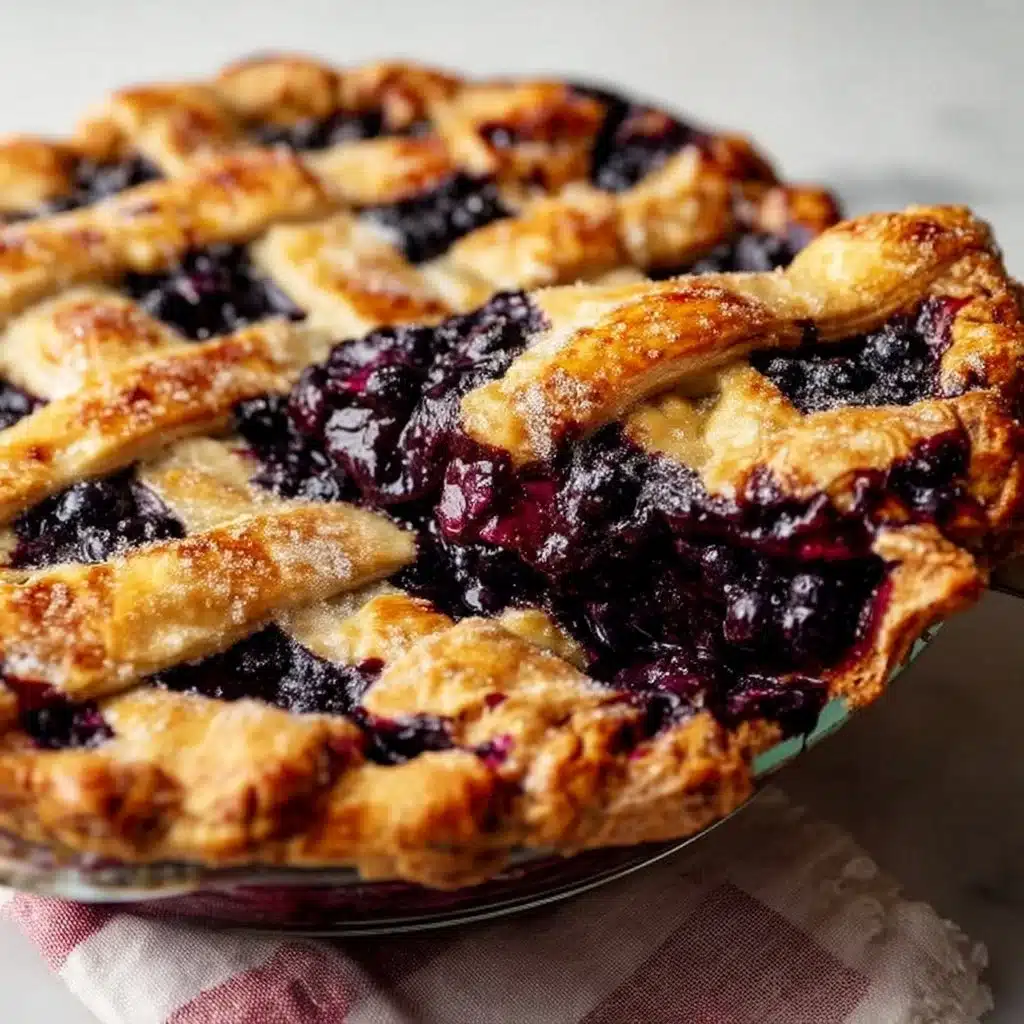
This blueberry pie balances bright fruit flavor with a gently thickened filling and a buttery crust that browns beautifully. Fresh blueberries hold their shape while releasing enough juices to create a luscious center; cornstarch thickens those juices without clouding the flavor. A hint of cinnamon and lemon lifts the berries and adds warmth and brightness, making each bite more complex than sugar and fruit alone. The dot of butter on top gives a glossy finish and a little richness that rounds the tart edges.
The recipe also shines for how little equipment it requires: a mixing bowl, a rolling surface, and an oven. You can use a store-bought crust when time is tight or make your own for a flakier base. Because the method emphasizes simplicity, you avoid overworking dough or overcooking the filling—two common pie pitfalls. That hands-off confidence makes this a dependable dessert for weeknights, potlucks, and holidays alike.
Simple steps for Homemade Blueberry Pie
This section walks you through the straightforward workflow so you can time everything without stress. Preheat, mix the filling, assemble, and bake—no elaborate staging. If you follow the steps here, the pie will come out with a juicy interior and a golden, crisp crust. The brief high-temperature start in the oven helps set the crust and encourages the filling to bubble, then the remaining bake finishes the interior without burning the pastry. Keep a baking sheet under the pie to catch any drips and avoid mess.
Ingredients
- 2 cups fresh blueberries
- 1 cup sugar
- 2 tablespoons cornstarch
- 1 tablespoon lemon juice
- 1/2 teaspoon cinnamon
- 1 tablespoon butter
- 1 pie crust (store-bought or homemade)
Instructions
- Preheat the oven to 425°F (220°C).
- In a large bowl, combine the blueberries, sugar, cornstarch, lemon juice, and cinnamon.
- Pour the blueberry mixture into the prepared pie crust.
- Dot the top with butter.
- Cover with a second pie crust if desired, sealing the edges and cutting slits for steam.
- Bake for 25-30 minutes or until the crust is golden brown and the filling is bubbly.
- Allow to cool before serving.
Simple serving suggestions
Serve this pie slightly warm so the filling holds together but still shows those glossy bubbles. A scoop of cold vanilla ice cream creates a classic contrast with the warm berries. For a lighter option, serve slices with a dollop of unsweetened whipped cream or a spoonful of Greek yogurt sweetened with a touch of honey. If you want a decorative touch, sprinkle a pinch of finely grated lemon zest over the top before serving to echo the lemon juice in the filling.
For casual gatherings, slice the pie and place it on a large platter with small forks so guests can easily help themselves. If you plan to plate individual servings, warm the slice for 10–12 seconds in the microwave to revive the crust’s tenderness, then top with ice cream right away so it melts just a little. Pair the pie with a pot of coffee or a bright, lightly sweet white wine—simple flavors that won’t overpower the berries.
How to store it properly
Store leftover pie at room temperature for up to two days if your kitchen is cool and dry; cover it loosely with foil to keep the crust from drying out. For longer storage, refrigerate the pie in an airtight container or wrapped tightly in plastic wrap for up to four days. Chilling will firm the filling, which makes cleaner slices but can reduce the crust’s flakiness; gently warm slices in a 325°F oven for 8–10 minutes to refresh the pastry.
To freeze, wrap the whole baked pie tightly in plastic wrap and then aluminum foil to protect against freezer burn; freeze for up to three months. Defrost the pie in the refrigerator overnight, then warm at 325°F for 15–20 minutes before serving to help revive the crust and soften the filling. You can also freeze individual slices on a baking sheet, transfer them to a bag once solid, and reheat single portions as needed.
Recipe tips for success
Use ripe, flavorful blueberries for the best taste. If your berries taste bland, add a little extra lemon juice to boost the brightness. Tossing the berries gently with the dry ingredients prevents breakage and keeps the filling from turning purée-like. Measure cornstarch carefully; too much makes the filling gummy, too little leaves it runny—two tablespoons works well for about two cups of berries.
Blind-bake the bottom crust for 6–8 minutes if you tend to get a soggy bottom, or assemble the pie right away if you prefer a fully raw-assembled method that bakes together. Bake on the middle rack for even browning and place a sheet on the rack below to catch drips. If you want to learn more about working with pie crusts and to compare techniques, check our practical tips in our homemade apple pie recipe, which covers crust chilling, crimping, and egg wash basics that apply here too.
Keep an eye on the slits or vents in the top crust. If the edges begin to brown too quickly, cover them loosely with foil. A final few minutes under the broiler is tempting to get deep color, but watch it closely—sugars brown quickly and can burn.
Make it your own
This blueberry pie adapts easily. Stir in up to 1/2 cup chopped strawberries for a mixed-berry flavor, or fold in a tablespoon of vanilla extract for extra warmth. For a nutty contrast, sprinkle a handful of toasted sliced almonds over the filling before topping with the second crust. If you’d rather avoid a top crust, make a crumb topping with 1/2 cup flour, 1/3 cup brown sugar, 1/4 cup cold butter, and a pinch of oats—blend until crumbly and sprinkle over the filling.
If you like your pies less sweet, reduce the sugar to 3/4 cup and add a tablespoon more lemon juice. For a deeper spice note, add a pinch of nutmeg or a quarter teaspoon of ground ginger. You can also swap cornstarch for 3 tablespoons of all-purpose flour if you prefer, though the filling may be slightly less glossy. For a boozy twist, macerate the berries briefly with a tablespoon of bourbon or dark rum before mixing with the dry ingredients.
Frequently asked questions
Q: Can I use frozen blueberries?
A: Yes. Use frozen blueberries straight from the freezer without thawing to avoid a watery filling. Increase the cornstarch to 3 tablespoons to account for extra liquid released during baking. You may also add an extra minute or two to the bake time; just watch for the filling to bubble in the center before removing the pie.
Q: My filling was runny—what went wrong?
A: Runny filling usually comes from too little thickener or underbaking. Make sure you measure cornstarch accurately and toss it thoroughly with the sugar before adding the berries so it distributes evenly. Also check that the filling bubbles during baking; if it doesn’t reach a boil in the middle, the cornstarch won’t fully activate. If you cut into the pie too soon, the filling will still be warm and fluid—cooling for an hour helps it set.
Q: How do I prevent a soggy bottom crust?
A: Preheat the oven fully before baking and bake on the middle rack for good air circulation. You can pre-bake (blind-bake) the bottom crust for 6–8 minutes, brushing it lightly with a beaten egg white for a seal that repels moisture. Also avoid overly juicy fruit—if your blueberries seem especially watery, toss them with an extra tablespoon of cornstarch or let them macerate briefly and drain any excess juice before combining.
Q: Should I use a store-bought crust or make my own?
A: Both work well. A store-bought crust saves time and produces consistent results, while a homemade crust can yield flakier texture and a fresher flavor. If you make your own, keep the dough cold and handle it minimally to prevent toughness. If you use a store crust, let it sit at room temperature for a few minutes before rolling to avoid cracking.
Q: Can I make this pie ahead of time?
A: Yes. You can assemble the pie and refrigerate it, covered, for up to 24 hours before baking. If you plan to bake it later, let the refrigerated pie sit at room temperature for 20–30 minutes before baking to reduce shock to the crust and help it bake evenly.
Conclusion
For more inspiration and a slightly different take on fruit pies, see Simply the Best Blueberry Pie (Recipe) – Sally’s Baking Addiction, which offers another tested approach to blueberry pie with helpful step-by-step photos.