There’s something about the scent of slow-roasted pork wafting through the house that says “gather.” Tender ribs pull apart with almost no effort, and everyone settles in around the table with sticky fingers and contented smiles. These ribs turn dinner into a small celebration of comfort — simple, unpretentious, and reliably delicious. Serve them with mashed potatoes or a crisp green salad, pour a cold drink, and let conversation fill the spaces between bites.
At DishGrub we test every recipe until it works in a real kitchen with real schedules. We strip steps down to what matters, keep pantry-friendly seasonings front and center, and focus on techniques that deliver consistent results. If you like weeknight recipes that feel like a treat without the fuss, try our air fryer chicken tenders recipe for another fast, crowd-pleasing option that cooks hands-off while you focus on sides and company. We write for cooks who want warm comfort food that doesn’t require a culinary degree — just good instincts, reliable timing, and a couple of pantry staples.
Why you’ll love this dish
Oven-roasted ribs give you all the eat-with-your-hands drama of barbecue without the grill or smoker. Slow heat breaks down connective tissue and melts fat, creating meat that becomes tender and juicy while the bone stays neat for presentation. This method keeps the kitchen easy: you season, wrap, and let the oven do the heavy lifting while you prepare sides or set the table. The simple spice mix—salt, pepper, garlic powder, and onion powder—works with any bottle sauce or homemade glaze you love, so you can target sweet, spicy, or tangy finishes depending on the crowd.
This recipe thrives on patience, not technique. Low-and-slow cooking ensures consistent results even if your ribs vary slightly in thickness. Covering the ribs tightly with foil traps steam and keeps the surface from drying out, preserving juiciness and giving the meat room to relax off the bone. For a finishing touch, a quick brush of barbecue sauce and a brief broil add caramelization and depth without overcooking. If you want to swap flavors, the same basic approach accepts dry rubs, Asian-inspired glazes, or a simple honey-mustard brush. The real reason you’ll love it: you get fall-off-the-bone satisfaction with minimal babysitting and maximum cozy payoff.
Simple steps for Tender Oven-Roasted Ribs
This method emphasizes straightforward prep and dependable oven timing so you can plan around it. A little trimming and a generous seasoning makes a big difference in texture and flavor. The short broil at the end adds a restaurant-quality glaze if you want it, but you’ll also enjoy the ribs plain or with sauce on the side for dipping.
Ingredients
- 2 racks of pork ribs
- Salt
- Pepper
- Garlic powder
- Onion powder
- Barbecue sauce (optional)
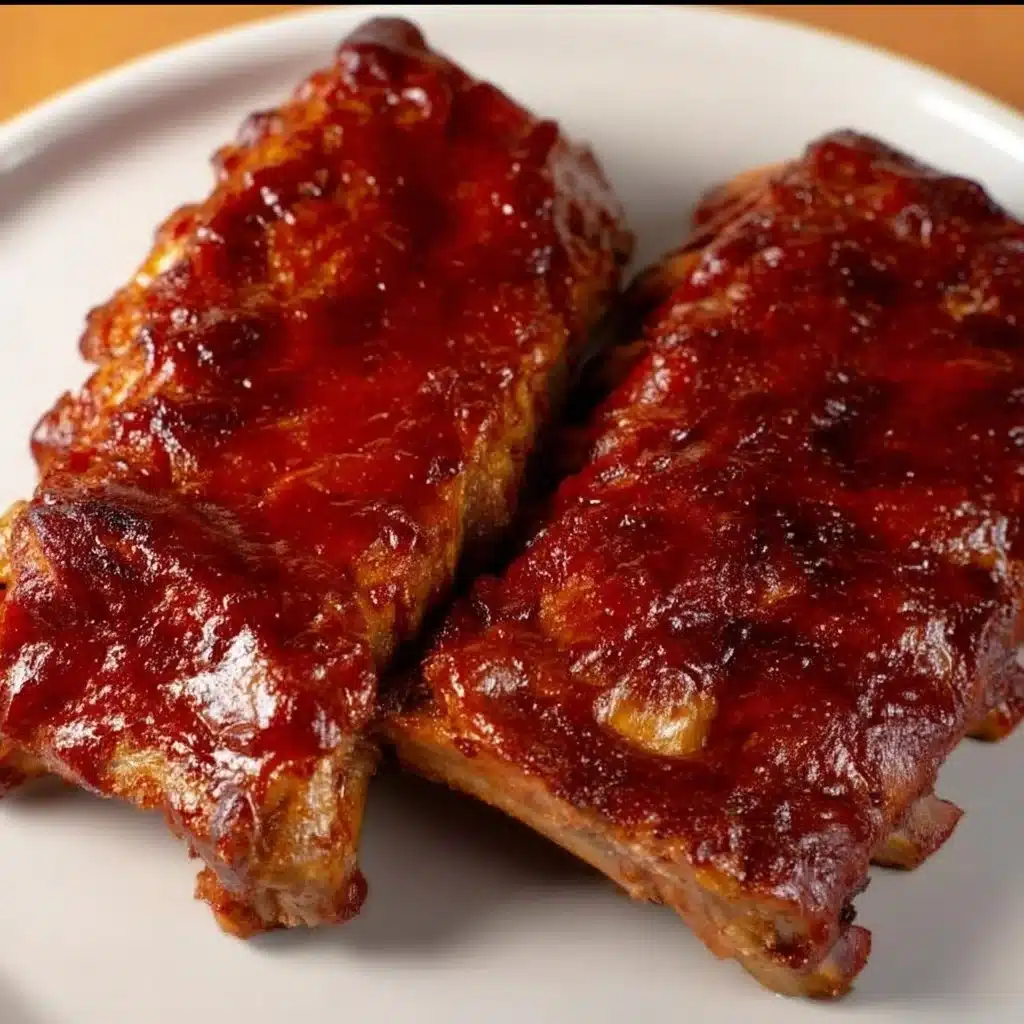
Instructions
- Preheat your oven to 300°F (150°C).
- Remove the membrane from the back of the ribs.
- Season the ribs generously with salt, pepper, garlic powder, and onion powder.
- Place the ribs on a baking sheet lined with aluminum foil.
- Cover the ribs tightly with another piece of foil.
- Bake in the preheated oven for 2.5 to 3 hours, until tender.
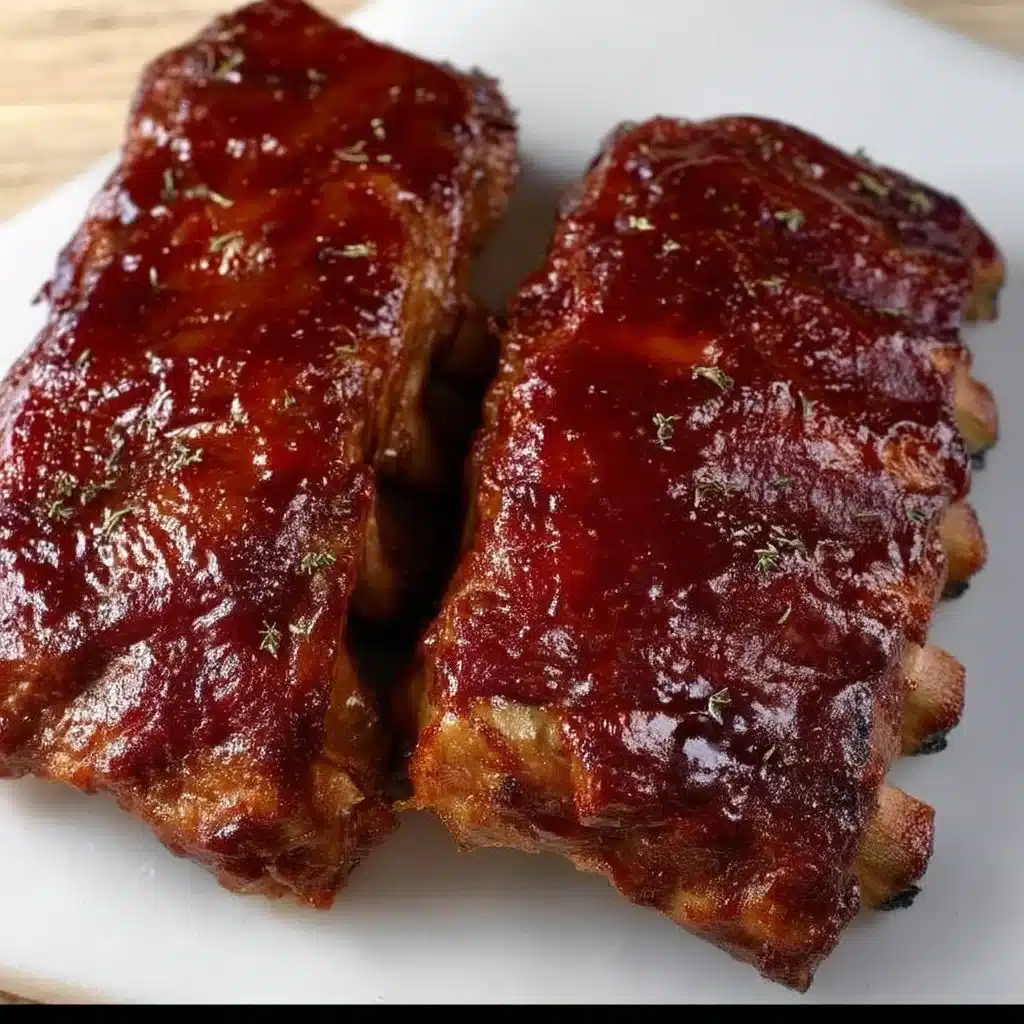
- If desired, brush with barbecue sauce and broil for 3-5 minutes until caramelized before serving.
Serving ideas
Keep service simple to let the ribs shine. Classic pairings include creamy mashed potatoes, coleslaw, corn on the cob, baked beans, or a crisp green salad to cut the richness. For casual family meals, line a sheet pan with foil, arrange the sliced ribs on top, and add roasted potatoes or thick-cut sweet potatoes to create a one-pan feast. For a weekend dinner with friends, set out bowls of sauces and pickles: a smoky barbecue sauce, a vinegary Carolina-style mop, and a mustard-based sauce give guests flavor choices and make the meal feel interactive.
If you want a Southern-inspired plate, add smoky baked beans and a scoop of coleslaw. For a lighter plate, serve ribs atop a bed of wilted greens with a squeeze of lemon to brighten the dish. Ribs pair well with beer, bold iced tea, or a simple red like Zinfandel; for a non-alcoholic choice, try sparkling water with a splash of lime or a chilled iced tea infused with mint. Serve extra napkins.
How to keep leftovers
Cool leftover ribs quickly and refrigerate within two hours. Slice the meat from the bone or store whole racks for maximum flexibility. Place ribs in an airtight container or wrap tightly in foil to prevent drying. Refrigerated ribs keep well for three to four days.
For longer storage, freeze cooked ribs in a single layer on a baking sheet until firm, then transfer to a freezer bag or airtight container. Press out excess air to prevent freezer burn. Freeze for up to three months. To reheat, thaw overnight in the fridge and warm gently at 275–300°F (135–150°C) wrapped in foil for 20–30 minutes, or microwave in short bursts covered to retain moisture. Finish with a quick broil or a brush of sauce to revive the surface.
If you cook ribs straight from frozen, heat them at 300°F (150°C) covered until warmed through, then unwrap and broil briefly to caramelize. Alternatively, shred cold leftovers for sandwiches, tacos, or shepherd’s pie-style casseroles; the seasoning adapts well, and a splash of warmed sauce or a drizzle of vinegar lifts the flavors.
Recipe tips for success
Trim smart: Remove the silver skin (membrane) from the bone side of the ribs to help seasonings penetrate and to prevent chewy texture. Use a butter knife or a clean paper towel to get a grip and pull it free.
Season boldly: Salt acts as flavor and helps with moisture retention. Season the meat generously and let it rest at room temperature for 20–30 minutes before roasting if time allows. That step helps the ribs cook evenly.
Wrap tightly: Sealing the ribs in foil traps steam and maintains a humid environment, which turns collagen into gelatin and yields tender meat. Double-wrapping prevents leaks and keeps your oven cleaner.
Finish with care: If you brush on barbecue sauce, do it at the end and broil briefly to caramelize the sugars without burning. Watch the broiler closely—sugars can go from caramelized to charred in seconds.
Make-ahead friendly: Cook ribs fully and hold them wrapped in a low oven (around 200°F / 95°C) for up to an hour if guests run late; the foil keeps them moist. Rewarm in foil before serving and finish under the broiler or on a hot skillet for texture.
If you want a crispy exterior without broiling, finish the ribs on a preheated cast-iron skillet or under a salamander if you have one. For a faster weeknight variant, try our air fryer chicken tenders guide for another hands-off method that still delivers big flavor.
Make it your own
Customize this base method for regional flavors or whatever you have on hand. For a classic dry-rub style, mix smoked paprika, brown sugar, chili powder, cumin, and a pinch of cayenne and rub it in before cooking. For Asian-inspired ribs, use five-spice powder in your rub and finish with a glaze of hoisin, soy, honey, and rice vinegar; broil or grill briefly to caramelize.
If you prefer tangy over sweet, brush with a mustard-based sauce or a cider-vinegar mop during the last 20 minutes of cooking. For a smoky touch without a smoker, add a few drops of liquid smoke to the barbecue sauce or use smoked salt in the rub. For kid-friendly flavors, keep the seasonings simple and let everyone choose their own dipping sauce.
For portion planning, one rack serves about 2–3 adults depending on appetite and sides. Scale the oven time slightly if you cook more than two racks at once—space them so air circulates, or cook on separate sheets and rotate midway through cooking.
Frequently asked questions
Q: How do I know when ribs are done?
A: Look for the meat to pull back from the bones by about a quarter inch and for the ribs to feel tender when you press them with a fork. A fork should enter with little resistance, and a toothpick should slide between bones without strong tugging. You can also test by picking up the rack with tongs: if the bones bend and the meat starts to break along the bones, that indicates tenderness. Avoid relying solely on time; thickness varies and tenderness matters more than a precise minute count.
Q: Can I use baby back ribs or spare ribs with this method?
A: Yes. Baby back ribs typically cook a bit faster because they are leaner and smaller; check them at around 2 to 2.5 hours. Spare ribs take slightly longer because they have more connective tissue; plan for the full 2.5 to 3 hours and check for tenderness. Adjust cooking times based on size and thickness, and remember that low-and-slow wins for both types.
Q: Should I add liquid to the pan when I wrap the ribs?
A: You don’t need to add liquid because the ribs release juices as they cook and the foil traps moisture. If you like, add a couple of tablespoons of apple juice, beer, or broth to the tray for extra steam and a subtle flavor boost, but avoid adding too much liquid—foil-wrapped ribs rely on steam, not braising, and excess liquid can dilute the seasoning and make a soggy exterior.
Q: Can I prep the ribs the day before?
A: Absolutely. Season the ribs and wrap them tightly, then refrigerate overnight. Bring them to room temperature for 20–30 minutes before roasting. You can also cook them fully, cool, and refrigerate; reheat gently as described earlier. Make-ahead prep saves time on busy days and concentrates flavors if you use a dry rub.
Conclusion
For a tested oven method that delivers fall-off-the-bone results with simple pantry seasonings, take inspiration from this approach and compare flavors with a trusted variation like Easy Fall Off the Bone Oven Baked Ribs Recipe – Inspired Taste.