Comfort food lives in the small rituals: the sizzle of an oiled pan, the bright squeeze of lemon, the way garlic perfumes the whole house and pulls everyone to the table. I picture weekday dinners and weekend slow-cook Sundays, but the simplest meals often become the most memorable. This Greek lemon chicken recipe delivers that warm, gathered-around-the-table feeling with minimal fuss. It balances tang and garlic with a hint of paprika and Greek seasoning so you get bold flavor without a laundry list of steps.
Serve it alongside a simple salad, pile it on rice or orzo, or tuck it into warm pita with tomatoes and cucumber for a quick, handheld dinner. I often make a double batch: one for tonight and one to slice cold for salads the next day. The lemon and yogurt keep the chicken tasting fresh, and the texture stays juicy when you pound the breasts thin so they cook evenly. The whole family comes back for seconds because it tastes like comfort, but it also looks like effort — without the effort.
At DishGrub we build recipes you can trust to work on busy weeknights and relaxed weekends. We test these dishes in everyday kitchens to make sure they taste great and come together without drama. You’ll find straightforward ingredient lists, clear steps, and tips that help you finish the meal with confidence. If you like bright lemon flavors, try our take on lemon chicken orzo soup for another cozy way to celebrate that tangy, homey flavor profile.
Why you’ll love this dish
This chicken hits the sweet spot between simple and special. The marinade uses pantry-friendly ingredients so you can mix it in minutes, and the thin-cut breasts cook quickly and evenly. Lemon brightens every bite and pairs perfectly with garlic and Greek seasoning, while a dollop of Greek yogurt adds a cool, creamy finish that keeps the meat tasting fresh. You get restaurant-worthy flavor with weeknight-level effort.
The recipe works for grilling or the oven, so you can adapt it to your time and equipment. Marinate for a short 30 minutes when you’re pressed, or let it rest overnight when you want deeper flavor. Either way, the technique keeps the chicken juicy and flavorful. You can plate it simply for a family dinner or dress it up for guests and still spend more time talking than cooking.
How to prepare Greek Lemon Chicken
This method focuses on a straightforward marinade and quick cooking for reliable results. Pounding the breasts to an even thickness speeds cooking and helps the chicken stay tender. Watch internal temperature to avoid overdrying: pull the chicken at 165°F (75°C) and let it rest for a few minutes before serving so juices redistribute. Use the oven for hands-off cooking or the grill when you want charred edges and a slightly smoky finish.
Ingredients
- 4 boneless skinless chicken breasts, pounded thin
- 1/4 cup extra virgin olive oil
- 5 garlic cloves, chopped
- 1/2 lemon, juiced (about 2 Tablespoons)
- 1 teaspoon paprika
- 1 teaspoon salt
- 1/2 teaspoon black pepper
- 1 Tablespoon Greek seasoning
- 1/4 cup Greek yogurt
Instructions
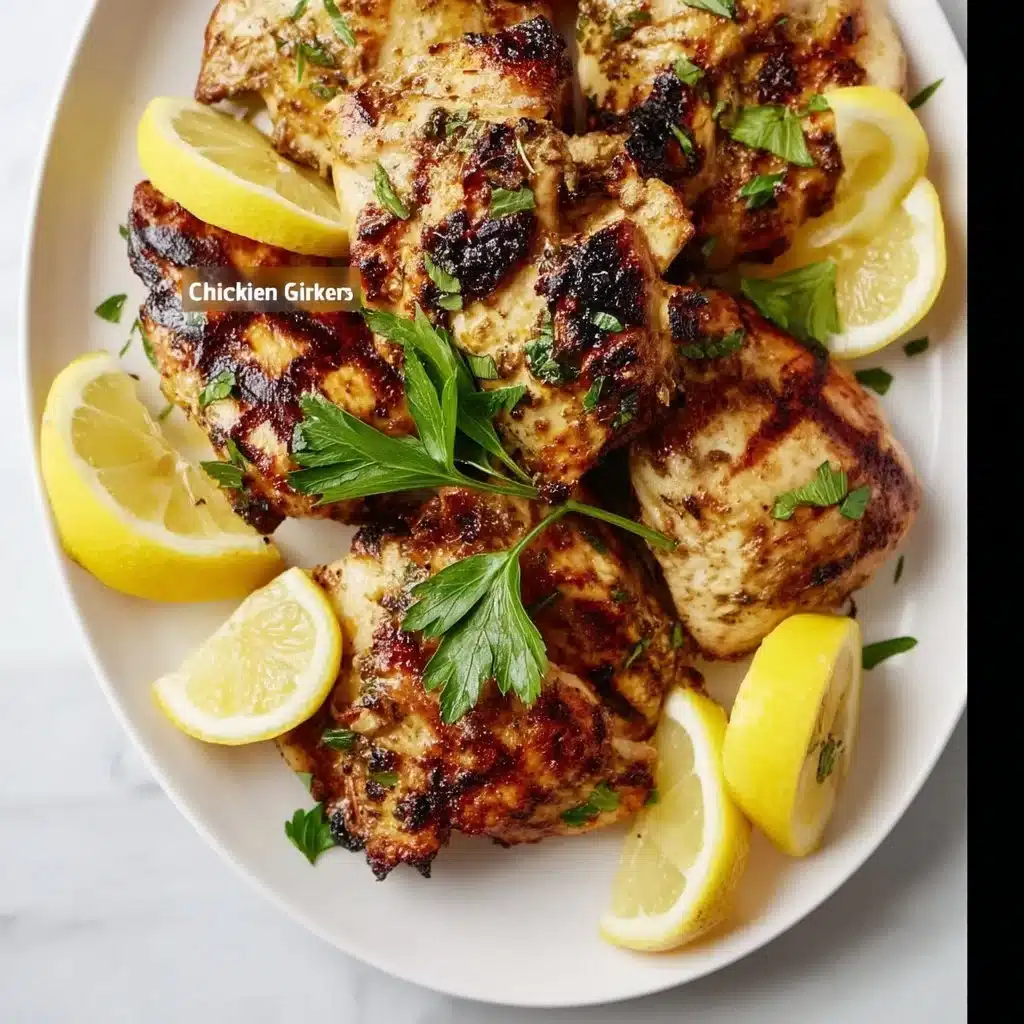
- In a bowl, mix together the olive oil, garlic, lemon juice, paprika, salt, black pepper, and Greek seasoning to create a marinade.
- Add the chicken breasts to the marinade, ensuring they are well coated.
- Marinate for at least 30 minutes or overnight for best results.
- Preheat your grill or oven.
- Cook the chicken until it is golden brown and reaches an internal temperature of 165°F (75°C), about 6-7 minutes per side on the grill or 20-25 minutes in the oven.
- Serve the chicken topped with Greek yogurt.
Serving ideas
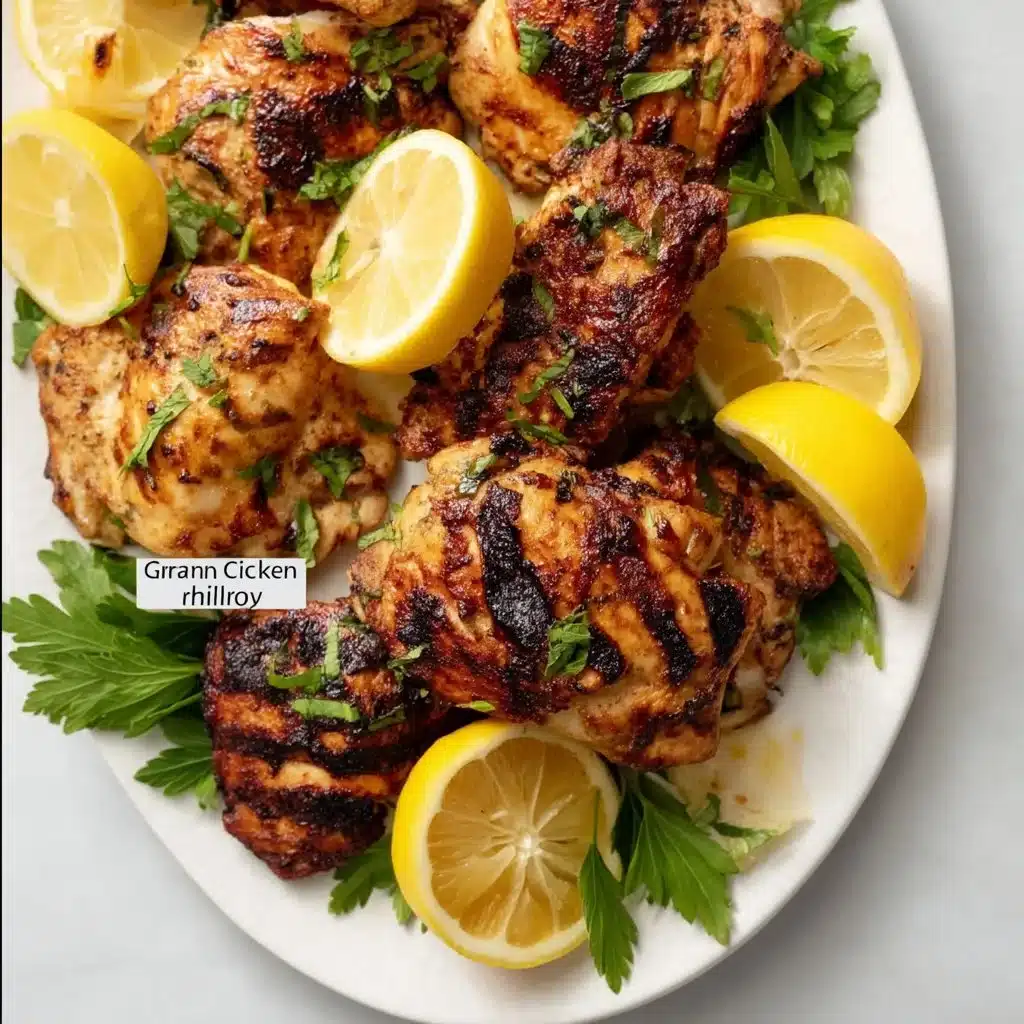
Serve this chicken in simple, satisfying ways that let the bright lemon flavor shine. Slice it and lay it over a bed of steamed rice or buttery orzo, spooning any pan juices over the top. Stack it on a toasted pita with sliced tomatoes, cucumbers, red onion, and a drizzle of extra yogurt for a fresh handheld option. For a lighter meal, serve it with a Greek-style salad of romaine, Kalamata olives, cucumber, and feta. If you like bowls, the flavors pair beautifully with roasted vegetables and grain bases — try assembling your own version inspired by our Greek chicken bowls for a complete, colorful dinner.
Offer lemon wedges and extra yogurt at the table so everyone can adjust brightness and creaminess. For a weeknight dinner, pair the chicken with a quick garlic-lemon green beans sauté or a small loaf of crusty bread to sop up the juices.
Storage tips
Cool the chicken to room temperature before storing to avoid condensation inside the container. Refrigerate the cooked chicken in an airtight container for up to four days. Slice it before storing for easy use in salads, sandwiches, and bowls. Keep the Greek yogurt separate when possible; add it just before serving to preserve texture and freshness.
Freeze cooked chicken in a single layer on a tray, then transfer to a freezer bag or airtight container for up to three months. Thaw overnight in the refrigerator, then warm gently in a skillet or oven to avoid drying. If you froze raw marinated chicken, thaw it fully before cooking and cook it promptly after thawing.
When reheating, warm over low heat or in a 325°F oven until just heated through; avoid high heat that can toughen the meat. Add a splash of olive oil or a spoonful of yogurt to help restore moisture while reheating.
DishGrub Kitchen Tips
Pound the breasts to an even thickness of about 1/2 inch to ensure even cooking and juicy results. Use a simple rolling-pin method: place the breast between two sheets of plastic wrap and tap gently until even. Trim excess fat for uniformity and quicker cooking.
If you grill, preheat the grates and oil them lightly to prevent sticking. Grill the breasts over medium-high heat to get a golden crust while maintaining a tender interior. If you use the oven, preheat to 400°F for a quick roast that browns the outside without overcooking the center.
Use a meat thermometer to check doneness. Insert it into the thickest part of the breast and remove the chicken when it hits 165°F (75°C); carryover heat will settle the temperature as it rests. Let the chicken rest for 5 minutes before slicing to lock in juices.
Adjust seasoning to taste. If you like more acidity, add another teaspoon of lemon juice to the marinade. If you want more depth, stir in a teaspoon of Dijon mustard or a pinch of smoked paprika.
Recipe variations
Turn this base into many different meals. For a citrus-forward twist, add orange zest and a splash of orange juice to the marinade. For herb-forward chicken, toss in chopped fresh oregano, dill, or thyme with the Greek seasoning. Swap Greek yogurt for tzatziki sauce and add chopped cucumber for a refreshing topping.
Make it spicy by adding 1/4 to 1/2 teaspoon of crushed red pepper or a teaspoon of harissa paste to the marinade. For a Mediterranean bowl, add roasted red peppers, olives, feta, and a lemon-herb dressing. If you prefer a creamy braise, brown the chicken first, then simmer gently in a sauce made from chicken stock, lemon juice, and a spoonful of Greek yogurt until the flavors meld.
You can transform the chicken into sandwiches, wraps, or salads. Chop the cooked breasts and mix with a little yogurt, lemon zest, and chopped herbs for a quick chicken salad. For a picnic-friendly option, serve cool slices on whole grain bread with arugula and a smear of hummus.
Frequently asked questions
How long should I marinate the chicken for best flavor?
Marinate for at least 30 minutes to let the lemon and garlic infuse the meat. For deeper flavor, marinate overnight in the refrigerator. Avoid marinating raw chicken in acidic mixtures for more than 24 hours because the acid can start to break down the meat fibers and change the texture.
Can I use bone-in chicken for this recipe?
You can, but adjust cooking time. Bone-in pieces need longer in the oven — typically 35 to 45 minutes at 375°F depending on size — and they benefit from lower, gentler heat to cook through without drying out. If you use bone-in pieces, allow extra time for the marinade to penetrate and check doneness with an instant-read thermometer near the bone.
What if I don’t have Greek seasoning?
Make a quick substitute with dried oregano, dried thyme, garlic powder, onion powder, and a pinch of dried mint if you like. Use roughly one part each of oregano and thyme with smaller pinches of the others, and season to taste. The paprika and lemon still play key roles, so the overall profile will remain bright and savory.
How do I prevent the chicken from drying out on the grill?
Pound the breasts thin for even cooking and grill over medium-high heat so the outsides brown quickly while the inside stays moist. Oil the grates and the chicken lightly to prevent sticking, and flip only once if possible. Remove the chicken from heat at 165°F and let it rest under foil for a few minutes to retain juices.
Can I make this dairy-free?
Yes. Omit the Greek yogurt topping and use a dairy-free yogurt alternative or a simple drizzle of olive oil and lemon. You can also serve the chicken with sliced avocado or a tahini-based sauce for a creamy finish without dairy.
Conclusion
For a reliable and bright Greek lemon chicken that fits weeknight life and weekend company, this method gives you juicy, flavorful results every time, and you can explore a slightly different take with the original inspiration at Greek Lemon Chicken – Downshiftology.