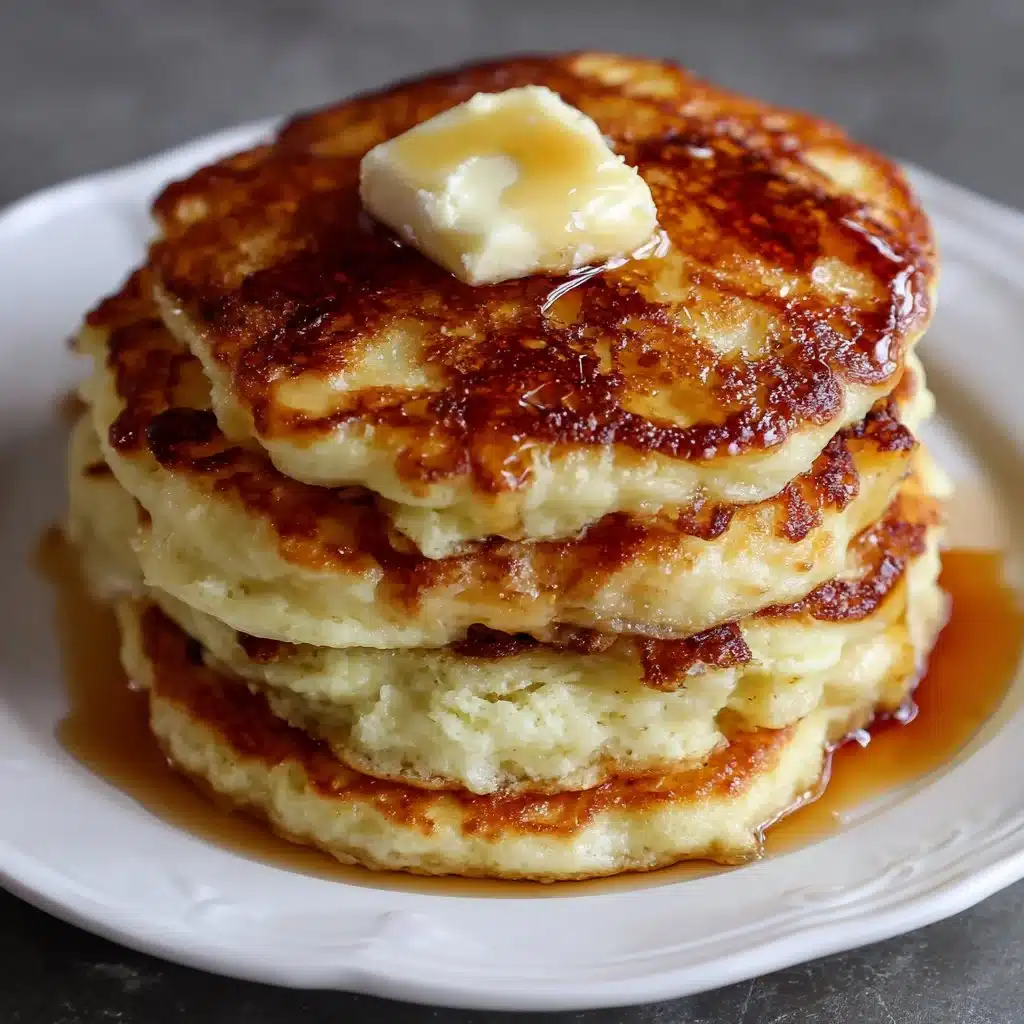
I still remember the first time my grandmother set a stack of steaming pancakes in front of me on a chilly Sunday morning. The kitchen smelled like browned butter and sweet vanilla, and the pancakes arrived tall and pillowy, topped with a slab of butter that melted into perfect little rivers. We ate them right around the table cluttered with coffee mugs and jam jars, and as syrup pooled into the crevices, everyone’s stories got a little louder and the morning felt softer. That memory follows me into my own kitchen: pancakes show up when we need a slow morning, when friends drop by, and when the week calls for a small celebration. They bring a sense of ease and togetherness that nothing else matches.
Pancakes should not feel fussy. They should respond to a whisk, a warm pan, and a little patience. Buttermilk does the heavy lifting here: its tang reacts with baking soda to give those deep, airy bubbles that lift the batter into tall, tender cakes. A touch of melted butter keeps each bite rich without weighing the pancake down. This recipe focuses on simple steps and reliable technique so you can recreate that comforting stack any weekend morning or whenever you want to bring people together around the table. You don’t need special tools or exacting chef skills just good ingredients and a calm skillet.
DishGrub tests recipes so busy cooks get dependable results. We make straightforward comfort food that tastes like home, with little fuss and big flavors. Every dish on DishGrub gets tried, tasted, and tweaked until it works in a real kitchen, not just for a food photo. That means you’ll find practical directions, helpful kitchen tips, and ways to customize a recipe to match your pantry and schedule. These pancakes fit our approach: they come together quickly, they handle small substitutions, and they reward you with warm, fluffy goodness.
Why you’ll love this dish
This pancake recipe gives you three things consistently: texture, flavor, and ease. The buttermilk-baking soda reaction creates strong lift and a tender crumb, so your pancakes come out tall and soft instead of thin and rubbery. Sugar and vanilla add an undercurrent of sweet warmth without overwhelming the tang of buttermilk, and the small amount of melted butter gives a satisfying richness. The ingredient list stays short and familiar, and the technique keeps mixing to a minimum that prevents overworking the batter and keeps pancakes light.
You’ll also appreciate how forgiving this recipe is. If you need to thin the batter a bit with a splash of milk, it won’t break. If you hold cooked pancakes on a warm oven rack for a short time while you finish a batch, they remain tender. Finally, this recipe scales well: double it for a crowd or halve it for a quick solo breakfast. All of that makes these pancakes a weekday treat or a weekend centerpiece.
How to prepare Fluffy Buttermilk Pancakes
Start with room-temperature wet ingredients so the batter blends smoothly. Preheat your skillet or griddle; consistent medium heat gives you even browning and enough time for the centers to cook without burning the edges. When you pour batter, keep the ladle or measuring cup at a steady height so pancakes spread evenly. Look for bubbles across the surface before you flip that sign means the underside formed a golden crust and the interior set enough for turning.
Timing matters but doesn’t have to be fussy. A couple minutes per side on medium heat usually does the trick. If the pancakes brown too quickly, lower the heat. If they take forever and stay pale, raise it a notch. Use a thin, flexible spatula to slide under the pancakes cleanly at the flip. Finish with your favorite toppings syrup, fresh fruit, a smear of jam, or a drizzle of browned butter.
Ingredients
- 1 cup all-purpose flour
- 2 tablespoons sugar
- 1 teaspoon baking powder
- 1/2 teaspoon baking soda
- 1/4 teaspoon salt
- 1 cup buttermilk
- 1 large egg
- 2 tablespoons melted butter
- 1 teaspoon vanilla extract
Instructions
- In a bowl, whisk together the flour, sugar, baking powder, baking soda, and salt.
- In another bowl, mix the buttermilk, egg, melted butter, and vanilla extract.
- Combine the wet and dry ingredients, stirring until just combined.
- Heat a skillet or griddle over medium heat.
- Lightly grease the skillet or griddle.
- Pour about 1/4 cup of batter for each pancake onto the hot surface.
- Cook the pancakes until bubbles form across the surface.
- Flip each pancake carefully using a spatula.
- Cook until the flipped side turns golden brown.
- Serve the pancakes warm with syrup or toppings of your choice.
Serving ideas
Keep things classic with butter and maple syrup, but don’t stop there. A handful of fresh blueberries or sliced bananas folded into the batter before cooking turns simple pancakes into a fruit-forward breakfast. For a cozy, indulgent brunch, serve hot pancakes with a scoop of vanilla yogurt and a drizzle of honey, or top them with warmed fruit compote and a dusting of powdered sugar. If savory appeals, try a smear of ricotta and a spoonful of lemon curd, or pair pancakes with crispy bacon and a fried egg for a sweet-and-salty plate that satisfies every appetite.
For family-style service, stack pancakes on a warmed plate and set out bowls of toppingschopped nuts, chocolate chips, sliced fruit, butter, jam, and syrupsso everyone builds their own stack. The visual variety and mix-and-match fun make breakfast feel like a little celebration.
Storage tips
Store leftover pancakes in an airtight container in the refrigerator for up to 3 days. Layer parchment or wax paper between pancakes to prevent them from sticking together. To reheat, place pancakes in a single layer on a baking sheet and warm them in a 350°F oven for about 8 to 10 minutes, or until heated through; this method keeps edges crisp and centers tender.
For longer storage, freeze pancakes in a single layer on a baking sheet until firm, then transfer them to a freezer bag. They keep for up to 2 months. Reheat frozen pancakes straight from the freezer in a toaster, toaster oven, or 350°F oven for 10 to 12 minutes. Avoid microwaving for long stretches, as that softens edges and makes pancakes gummy.
DishGrub Kitchen Tips
Measure flour by spooning it into the measuring cup and leveling with a knife; don’t scoop directly from the bag, which packs flour and makes batter dense. Let melted butter cool slightly before mixing with the buttermilk so the egg doesn’t cook on contact. Stir the batter until you no longer see dry streaks, but expect small lumpsthat’s good. Overmixing develops gluten and yields tougher pancakes.
Use a nonstick skillet or a well-seasoned cast-iron pan for reliable release. If you cook several batches, wipe the skillet lightly and re-grease between batches to keep pancakes from sticking. If you want perfectly round pancakes, use a 1/4-cup measuring cup and pour the batter from close to the pan; if you prefer a rustic look, pour from a little higher. Keep a small bowl of water nearby to flick at stubborn hot spots on the griddle and maintain an even temperature.
Recipe variations
Cinnamon-vanilla: Add 1/2 teaspoon ground cinnamon to the dry mix and increase vanilla to 1 1/2 teaspoons for a warm, spiced flavor.
Blueberry or chocolate chip: Fold 1/2 cup fresh or frozen blueberries or chocolate chips into the batter right before cooking. If using frozen fruit, do not thaw to avoid a soggy batter.
Whole wheat or oat mix: Replace half the all-purpose flour with whole wheat flour or oat flour for nuttier flavor and more fiber. Increase buttermilk by 2 tablespoons if the batter seems thick.
Lemon ricotta pancakes: Substitute 1/4 cup of the buttermilk with ricotta and add 1 teaspoon lemon zest for light, tangy pancakes that pair beautifully with berries.
Gluten-free: Use a 1:1 gluten-free flour blend in place of all-purpose flour and add a pinch more baking powder if the blend lacks lift. Let batter rest 5 minutes before cooking to hydrate the flour.
Frequently asked questions
How do I keep pancakes fluffy and not rubbery?
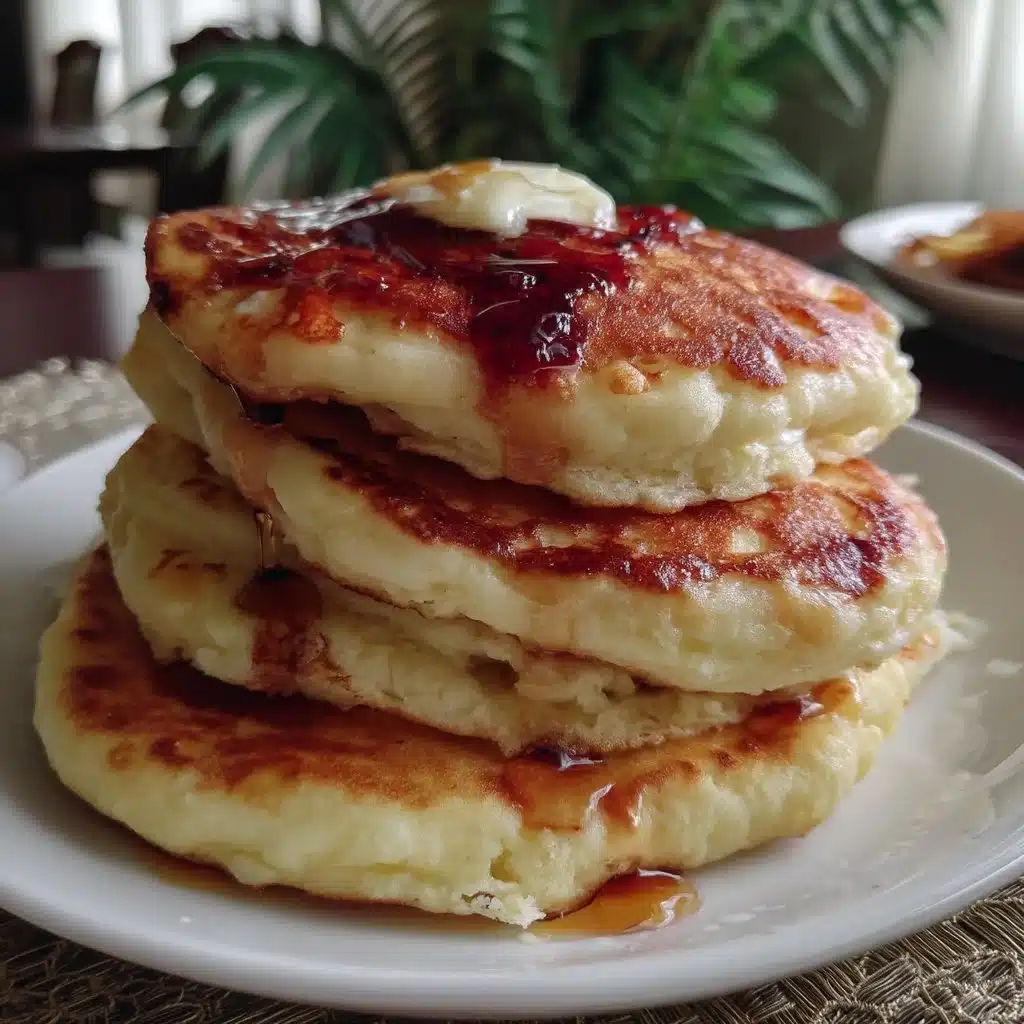
Rubbery pancakes result from overmixing or cooking at too-high a heat. Mix the batter until the ingredients come together and you still see a few small lumps. Let the batter rest for five minutes; this helps the baking powder and baking soda start reacting and lets the flour hydrate. Cook on medium heat so the exterior browns slowly while the center sets. Flip only once, when you see bubbles across the surface and the edges look set.
Can I make the batter ahead of time?
You can mix the dry ingredients and store them separately. If you mix the wet and dry ingredients fully and refrigerate the batter, it will keep for up to 24 hours. Expect slightly thicker pancakes after resting; add a splash of milk or buttermilk to loosen the batter if needed. Resting can actually improve flavor, but avoid storing batter for longer than a day because the leavening power may diminish with time.
How do I fix a batter that’s too thin or too thick?
If the batter looks runny and pours flat, add 1 tablespoon of flour at a time and fold gently until you reach a thicker pouring consistency. If the batter feels very stiff and doesn’t spread on the griddle, add 1 tablespoon of buttermilk or milk at a time until you can pour it easily. Aim for a batter that holds a round shape for a few seconds after pouring but still spreads slightly.
Can I use regular milk instead of buttermilk?
Regular milk works in a pinch, but it won’t deliver the same tang or lift. To mimic buttermilk, add 1 tablespoon of white vinegar or lemon juice to a measuring cup, then fill to the 1-cup line with milk and let it sit for five minutes. This soured milk gives similar acidity to react with the baking soda and improve rise.
How do I reheat pancakes without drying them out?
Reheat in a single layer on a baking sheet at 350°F for 8 to 10 minutes. If you prefer the microwave, stack pancakes separated by a damp paper towel and microwave in 20- to 30-second bursts until warm. The oven method preserves texture best; the microwave works for speed.
Conclusion
If you want another reliable take on fluffy buttermilk pancakes for comparison or inspiration, check out Mom On Timeout’s guide to fluffy buttermilk pancakes for additional tips and variations.
Print
Fluffy Buttermilk Pancakes
- Total Time: 25 minutes
- Yield: 4 servings
- Diet: Vegetarian
Description
Indulge in the comforting and delightful experience of homemade fluffy buttermilk pancakes that are perfect for any morning occasion.
Ingredients
- 1 cup all-purpose flour
- 2 tablespoons sugar
- 1 teaspoon baking powder
- 1/2 teaspoon baking soda
- 1/4 teaspoon salt
- 1 cup buttermilk
- 1 large egg
- 2 tablespoons melted butter
- 1 teaspoon vanilla extract
Instructions
- In a bowl, whisk together the flour, sugar, baking powder, baking soda, and salt.
- In another bowl, mix the buttermilk, egg, melted butter, and vanilla extract.
- Combine the wet and dry ingredients, stirring until just combined.
- Heat a skillet or griddle over medium heat.
- Lightly grease the skillet or griddle.
- Pour about 1/4 cup of batter for each pancake onto the hot surface.
- Cook the pancakes until bubbles form across the surface.
- Flip each pancake carefully using a spatula.
- Cook until the flipped side turns golden brown.
- Serve the pancakes warm with syrup or toppings of your choice.
Notes
For added flavor, incorporate berries or chocolate chips into the batter. Adjust cooking time based on skillet temperature.
- Prep Time: 10 minutes
- Cook Time: 15 minutes
- Category: Breakfast
- Method: Grilling
- Cuisine: American