Comfort food doesn’t have to be complicated. Picture a sunny weeknight, everyone coming in hungry after work or practice, and a big skillet of creamy pasta studded with spring vegetables waiting on the stovetop. It smells like garlic and butter, bright with basil and tomato, and it disappears fast. That’s the kind of meal that soothes and connects — forkfuls shared at the table, kids sneaking bites, and grown-ups trading stories between mouthfuls. It’s simple, satisfying, and exactly what home cooks want when they don’t want to fuss but still want something that feels special.
We make this Spring Pasta for nights when I want something that looks and tastes like I spent more time than I did, and when I want everyone to feel taken care of without a sink full of pots. The vegetables keep the bite fresh and springlike, the cream and Parmesan give the dish that cozy, indulgent hug, and a handful of basil at the end adds a finishing pop. It works whether you pair it with a crisp salad or call it dinner with a crusty loaf to sop up the sauce. Little swaps let you use what’s on hand: frozen peas instead of broccoli, lemon zest for brightness, or grilled chicken for more protein. It’s forgiving, fast, and reliably delicious.
At DishGrub we test recipes until they work in a busy household. We aim to take the fuss out of comfort food while keeping the flavors true—recipes that get you dinner on the table without a lot of stress. Our Spring Pasta recipe reflects that: straightforward steps, pantry-friendly ingredients, and tips that help you turn out a restaurant-style result from your own kitchen. If you want a full photo walkthrough and printable version, check our detailed guide to the Spring Vegetable Pasta Primavera for extra how-tos and serving ideas.
Why this recipe works
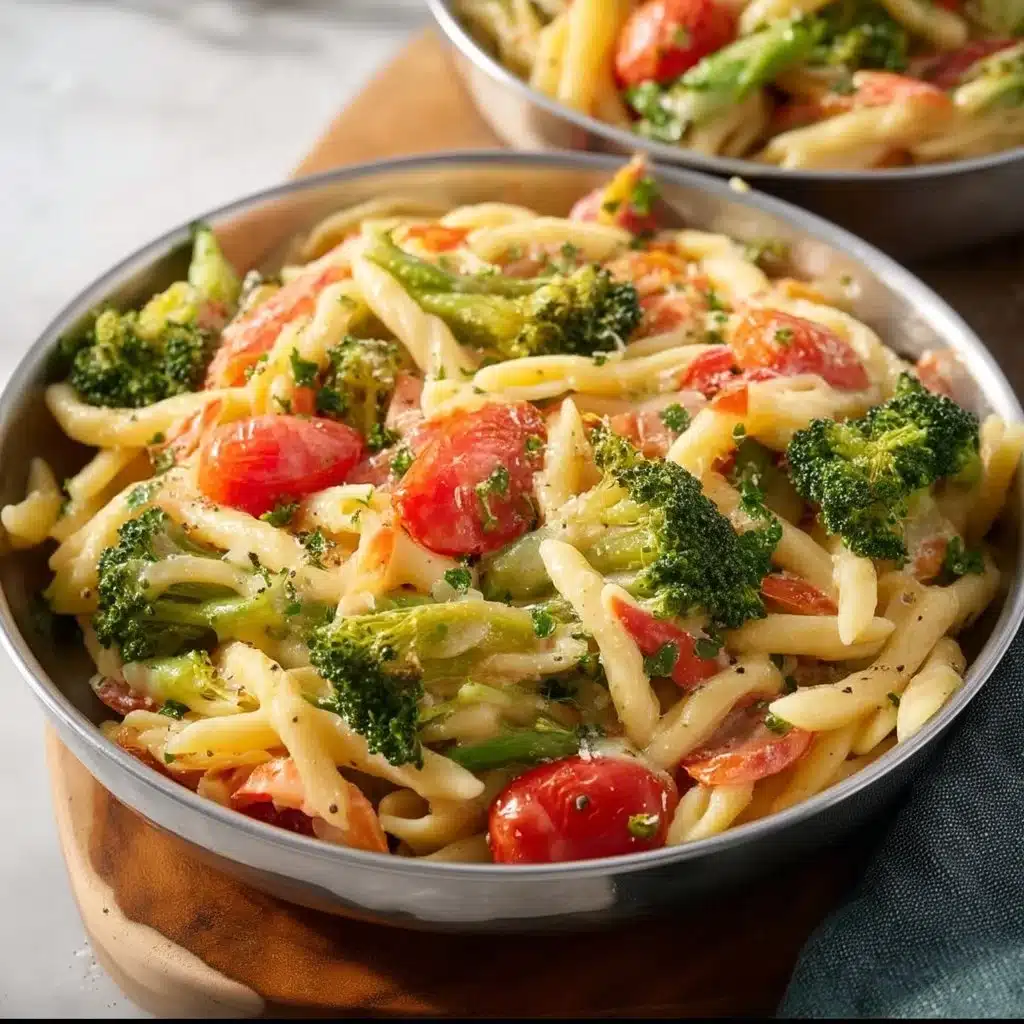
This dish balances cream and brightness in a way that makes every bite feel complete. The pasta carries the sauce so each forkful has just enough cream and cheese to be comforting without being heavy. Vegetables provide texture and freshness: broccoli gives a satisfying snap, bell pepper adds sweetness, zucchini offers tender bite, and cherry tomatoes burst with acidity to cut through the cream. Garlic gives the sauce an aromatic base that ties everything together.
Timing makes this recipe forgiving. You cook the pasta while you sauté the vegetables, so nothing sits waiting. The cream and Parmesan come together quickly to form a silky sauce; the residual heat finishes the melt and clings to the pasta. Because it all happens in one large skillet after the pasta cooks, cleanup stays minimal and the flavors blend in the pan instead of multiple pots. If you want the full set of photos and a printable shopping list, the Spring Vegetable Pasta Primavera page on DishGrub walks through each step with pictures and timing notes.
How to prepare Spring Pasta
Use a roomy pot and a wide skillet so you can toss pasta and sauce without splashing. Start the water early and salt it well—the pasta water seasons the dish from the inside out. Trim and cut your vegetables into similar-size pieces so they cook evenly. When you add the cream, bring it to a gentle simmer; aggressive boiling can separate the sauce. Stir in the Parmesan off the heat or on very low heat to prevent clumping, and save a splash of pasta water to loosen the sauce if it looks too thick.
Ingredients
- 8 oz pasta (e.g., penne or fettuccine)
- 2 tablespoons olive oil
- 1 cup broccoli florets
- 1 bell pepper (sliced)
- 1 zucchini (sliced)
- 1 cup cherry tomatoes (halved)
- 2 cloves garlic (minced)
- 1 cup heavy cream
- 1/2 cup grated Parmesan cheese
- Salt and pepper to taste
- Fresh basil for garnish
Instructions
- Cook the pasta according to package instructions and drain, reserving a cup of pasta water.
- Heat olive oil in a large skillet over medium heat.
- Add minced garlic to the skillet and sauté until fragrant, about 30 seconds.
- Add broccoli, bell pepper, zucchini, and cherry tomatoes and sauté until tender, about 5 to 7 minutes.
- Pour in heavy cream and bring to a gentle simmer.
- Stir in Parmesan until melted and creamy, adding reserved pasta water a splash at a time if needed to loosen.
- Toss cooked pasta into the skillet with the vegetables and sauce to combine.
- Season with salt and pepper to taste.
- Garnish with fresh basil before serving.
Serving ideas
This pasta tastes wonderful on its own, but a few simple pairings elevate it for company or a heartier weeknight dinner. Serve with a crisp green salad dressed with lemon vinaigrette to cut the richness and add crunch. A warm loaf of crusty bread or garlic bread soaks up the last of the sauce and keeps everyone happy. For a protein boost, sliced grilled chicken, pan-seared shrimp, or a handful of toasted pine nuts work well without overpowering the spring vegetables. Top with extra grated Parmesan for those who love a cheesier bite, or finish with a squeeze of lemon for brightness.
If you want to make it a one-pan meal, add diced cooked chicken or cooked sausage to the skillet when you add the cream, just to reheat through. For a lighter option, swap half-and-half for heavy cream and still maintain a silky texture, though the sauce will be slightly lighter.
Storage tips
Store leftover pasta in an airtight container in the refrigerator for up to three days. Cool it to room temperature before sealing to avoid condensation that can make the sauce thin. When you reheat, add a splash of cream, milk, or reserved pasta water to bring the sauce back to life and stir over low heat to prevent curdling. Reheating in a skillet works better than the microwave because it lets you control the heat and re-incorporate cream smoothly.
For longer storage, you can freeze the cooked pasta, but texture will change—vegetables like zucchini and bell pepper may become softer after freezing. If you plan to freeze, slightly undercook the pasta and cool completely, then freeze in meal-sized portions for up to two months. Thaw overnight in the refrigerator and reheat gently on the stove with a splash of cream.
DishGrub Kitchen Tips
Use freshly grated Parmesan for the best melt and flavor—pre-grated cheeses often contain anti-caking agents that prevent a silky sauce. Reserve a cup of pasta water before draining; the starchy water emulsifies with cream and cheese to produce a glossy, clingy sauce. Taste and adjust seasoning at the end: Parmesan adds saltiness, so add salt sparingly until after you stir it in.
If your sauce separates or looks grainy, remove the pan from heat and whisk in a small splash of cold water or a teaspoon of butter to bring it back together. For a brighter, lighter finish, shave a little lemon zest over the top right before serving. These small tricks deliver consistent results in a busy kitchen.
Recipe variations
Swap vegetables based on what’s fresh or in your fridge. Asparagus, peas, spinach, or thin-sliced carrots work well. Add a handful of arugula at the end for peppery color, or mix in sun-dried tomatoes for concentrated sweetness. For a vegetarian protein boost, stir in cooked white beans or cannellini beans right before serving. If you prefer a dairy-free version, substitute full-fat coconut milk and a tablespoon of nutritional yeast for savory depth; the flavor will change, but the creamy texture stays satisfying.
For a lighter sauce, use half-and-half or a mixture of milk and Greek yogurt stirred in off the heat to avoid curdling. For heat, toss in red pepper flakes while sautéing the garlic. To make it heartier, add browned Italian sausage or slices of pan-seared chicken breast before you pour in the cream.
Common questions
How can I keep the vegetables from overcooking?
Cook vegetables over medium heat and add firmer ones like broccoli first, giving them a head start. Slice vegetables to similar thickness so they finish at the same time. If you prefer extra-crisp vegetables, remove them from the skillet while you finish the sauce and toss them back in just before adding the pasta.
Can I use a different cheese if I don’t have Parmesan?
Yes. Pecorino Romano gives a saltier, tangier kick and works well if you like a sharper flavor. Asiago melts nicely too. If you use a milder cheese like cheddar, the flavor changes significantly—start with less and taste as you go. Freshly grated cheese always melts better and gives a smoother sauce than pre-shredded varieties.
What if my sauce is too thick or too thin?
If the sauce is too thick, add reserved pasta water a tablespoon at a time until it loosens and coats the pasta. Pasta water contains starch and helps the sauce cling. If the sauce is too thin, simmer it gently to reduce and thicken, or stir in a little more grated cheese off the heat. Avoid high heat, which can break a cream sauce.
Can I make this ahead for a gathering?
Prepare the vegetables and cook the pasta until just underdone, then cool and store separately. Finish the sauce and combine everything about 15 minutes before serving, reheating gently on the stove with a splash of pasta water or cream. This approach keeps vegetables from getting mushy and lets you spend less time at the stove while guests arrive.
How do I adapt the recipe for gluten-free diets?
Use a quality gluten-free pasta and cook it according to package directions. Keep an eye on texture, as gluten-free pasta can become gummy if overcooked. Follow the same sauce steps; the starch in the pasta water from gluten-free pasta will be different, so you may prefer to loosen the sauce with a little cream or milk instead.
Conclusion
For another take and inspiration, try the Pasta Primavera Recipe – Love and Lemons which offers different vegetable ideas and plating options to explore.