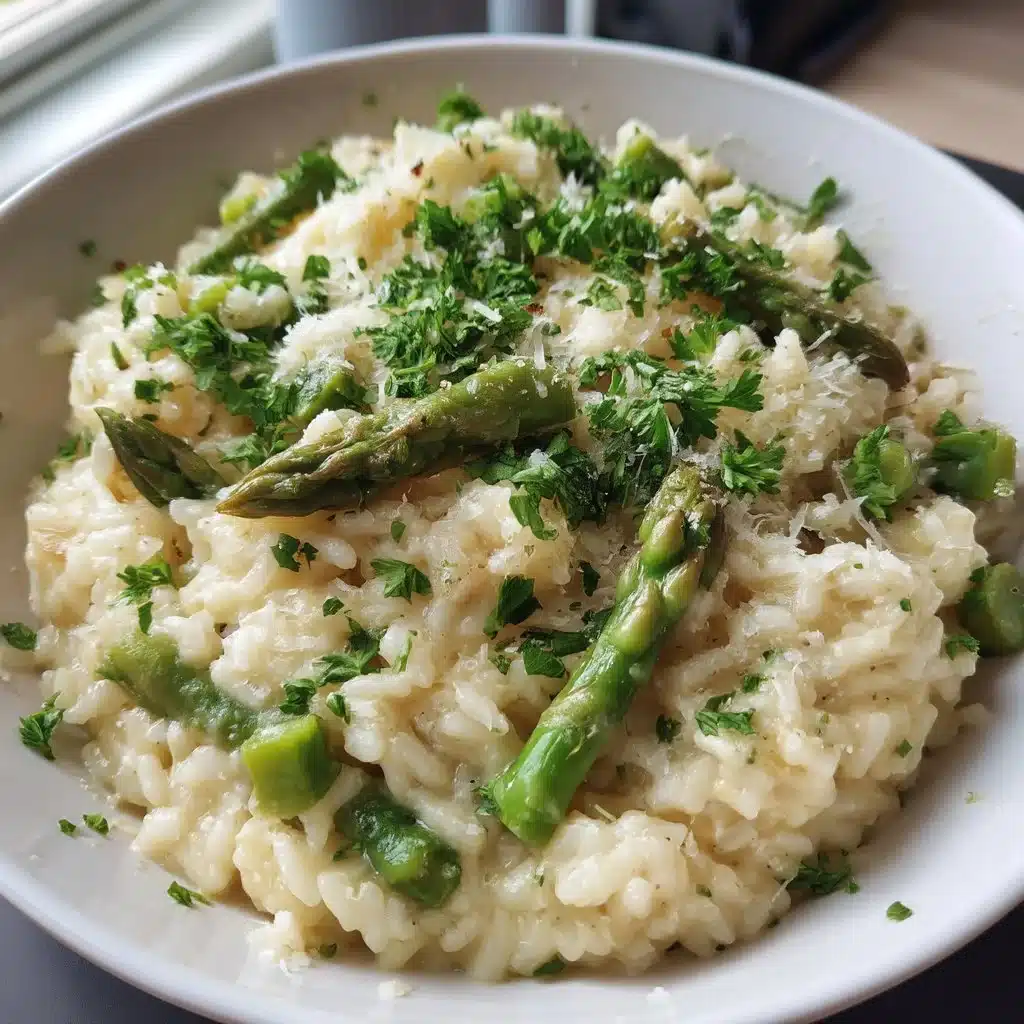
Fresh risotto feels like a warm kitchen hug. It asks for time and attention, rewards you with a silky spoonful, and invites people to linger at the table. On a rainy night or a rushed weeknight that deserves a little celebration, a pot of asparagus risotto makes the whole meal feel intentional without feeling fussy.
Comfort food isn’t always about heavy plates. Sometimes comfort comes from technique the slow coaxing of starch from rice, the gentle folding of cheese, the bright snap of fresh asparagus. This recipe balances those textures and flavors so each bite tastes like both home and a small treat. You don’t need a restaurant’s roster of tools or a pro’s timing; you need a warmed broth, a good pan, and the patience to stir and savor.
DishGrub started as a small collection of family-tested recipes that cut the fuss without losing the soul of classic comfort dishes. We test each recipe in everyday kitchens, using ingredients that most home cooks already keep on hand, and we tune directions so you can relax and cook confidently. Our goal stays the same: make cozy, practical meals that bring people together without complicated steps or obscure tools. That means clear techniques for creamy risotto, straightforward tips for perfectly cooked asparagus, and substitutions that keep flavor front and center when life gets busy.
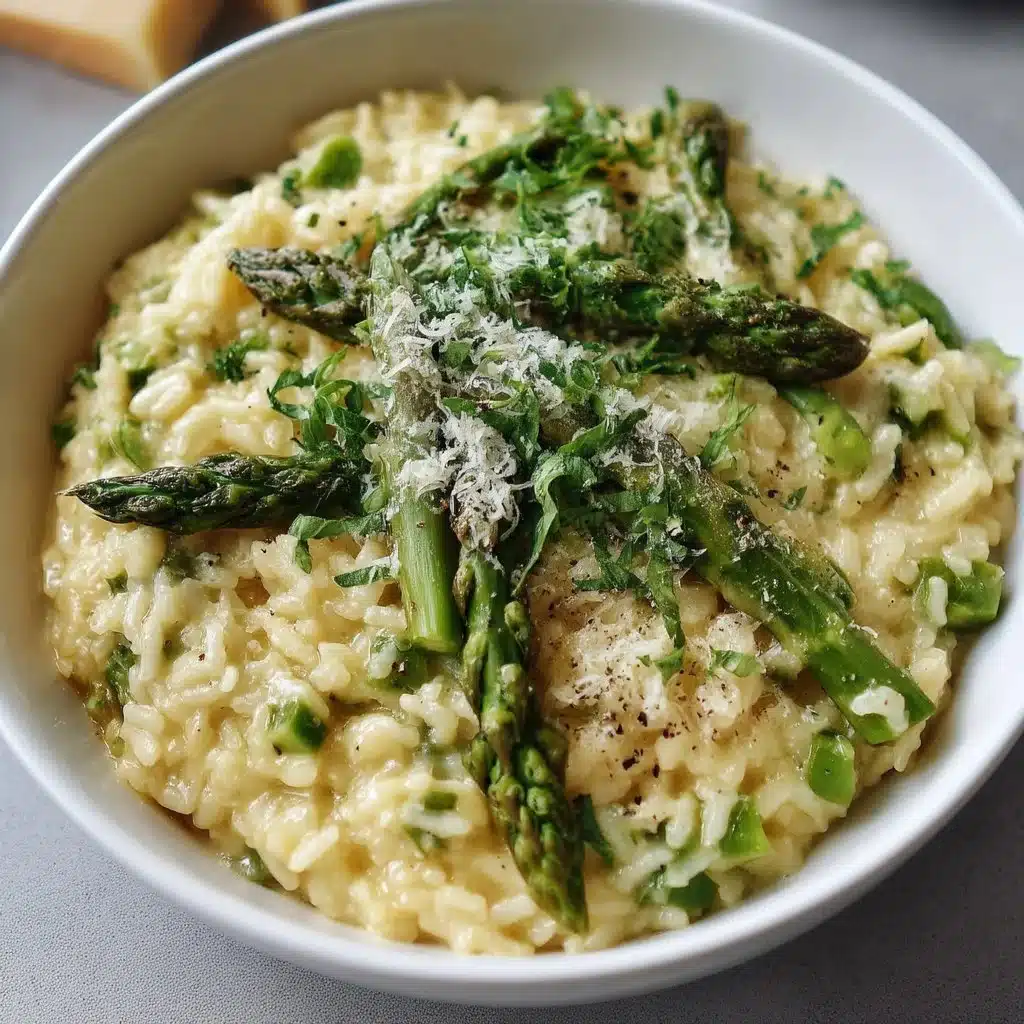
This asparagus risotto comes from that practical, cozy place. It leans on a short ingredient list and a single-pan approach for most of the work. You’ll toast the Arborio rice to deepen its flavor, feed it warm broth gradually for creaminess, and fold in Parmesan at the end for a rich finish. The asparagus goes in late so it stays tender-crisp and bright. The result feels special enough for guests but easy enough for a quiet Tuesday dinner a dish that invites conversation and a second helping.
Why this recipe works
This risotto follows a simple formula that guarantees creamy results: warm broth, gradual absorption, and steady stirring. Warming the broth prevents the rice from cooling down and slows the starch release so the grains cook evenly and turn luxuriously creamy. Toasting the rice first adds a slightly nutty note and helps each grain hold its shape, so you get that perfect al dente bite rather than mush.
Asparagus shines in this preparation because it keeps its fresh green color and a pleasant snap when added near the end of cooking. Parmesan folded in at the end delivers salty, savory richness that rounds the dish without overpowering the vegetable. The optional white wine brightens the flavors and helps deglaze the pan, but the risotto still tastes excellent without it if you prefer to skip alcohol.
This recipe works for weeknights because it uses one main pan plus a small pot for the broth, keeps seasoning minimal and straightforward, and relies on technique rather than complicated timing. Once you master the ladle-and-stir rhythm, you can scale this up for guests or tweak the mix-ins to suit what’s in your fridge.
How to prepare Asparagus Risotto
Start by setting up a simple assembly line: broth on low heat, ingredients prepped, and a ladle within reach. Risotto demands focus for about 20 minutes, but that time feels meditative more than stressful stirring is part rhythm and part attention. Heating the broth first keeps the cooking temperature steady and avoids shocking the rice as you add liquid.
Choose a wide, heavy-bottomed skillet or sauté pan so the rice has plenty of contact with the pan and you can stir without crowding. Use medium heat to maintain a gentle simmer; if the pan heats too high, the broth will evaporate too quickly and the rice won’t cook evenly. Add the asparagus toward the last five minutes so it cooks through but stays vibrant and crisp. Finish off the pan with freshly grated Parmesan and a quick rest to let the flavors settle before serving.
Ingredients
- 1 cup Arborio rice
- 4 cups vegetable broth
- 1 cup asparagus, trimmed and cut into pieces
- 1 small onion, finely chopped
- 2 cloves garlic, minced
- 1/2 cup white wine (optional)
- 1/2 cup grated Parmesan cheese
- 2 tablespoons olive oil
- Salt and pepper to taste
- Fresh parsley for garnish (optional)
Instructions
-
Warm the vegetable broth in a saucepan over low heat and keep it gently steaming.
-
Heat 2 tablespoons olive oil in a large skillet over medium heat.
-
Add the finely chopped onion and cook until soft and translucent.
-
Add the minced garlic and cook for about 30 seconds until fragrant.
-
Add 1 cup Arborio rice and stir to coat; toast the rice for 1 to 2 minutes until the grains look glossy.
-
Pour in 1/2 cup white wine if using and stir until the liquid has mostly absorbed.
-
Ladle in about 1/2 cup warm broth and stir until almost absorbed; continue adding broth in small ladles, stirring frequently, until the rice is nearly al dente (about 18 to 20 minutes total).
-
Add the 1 cup asparagus pieces during the last 5 minutes of cooking so they stay crisp-tender.
-
Remove the pan from heat when the rice is creamy and cooked to al dente; stir in 1/2 cup grated Parmesan cheese and season with salt and pepper to taste.
-
Let the risotto rest for one minute, then serve warm garnished with chopped fresh parsley if desired.
Serving ideas
Serve this risotto simply to let the asparagus shine. Finish each bowl with an extra grind of black pepper and a little more grated Parmesan at the table. For a heartier meal, top the risotto with roasted cherry tomatoes, a soft-poached egg, or sliced grilled chicken. Add a squeeze of lemon if you want a bright counterpoint to the creamy texture.
Pair the dish with a simple green salad dressed in lemon and olive oil or with roasted vegetables for a light, balanced plate. If you’re serving wine, a crisp Sauvignon Blanc or a light Pinot Grigio complements the green notes of the asparagus and the creamy Parmesan base.
How to keep leftovers
Cool leftover risotto quickly by spreading it in a shallow container and refrigerating within two hours of cooking. Store airtight for up to three days. When you reheat, add a splash of broth or water to loosen the rice and stir over low heat until heated through; finish with a pat of butter or a sprinkle of Parmesan to restore creaminess.
Avoid freezing risotto if you want the best texture, because frozen and thawed risotto can become grainy. If you must freeze, portion it into airtight containers and use within one month; thaw in the refrigerator overnight and reheat gently on the stovetop with extra liquid.
DishGrub Kitchen Tips
Use warm broth and keep it simmering rather than boiling. That steady temperature lets the rice cook evenly and release starch slowly, which creates creaminess without adding cream. Toasting the rice briefly before adding liquid develops flavor and helps maintain the grains’ structure.
Stir regularly but not constantly; a steady rhythm removes excess surface starch and keeps the risotto from sticking, but you don’t have to stir every second. Taste the rice as you approach the 18-minute mark to judge doneness and texture. If you skip wine, add a tablespoon of lemon juice or a splash of white wine vinegar near the end to lift the flavors.
Use freshly grated Parmesan instead of pre-grated to get a smoother melt and better flavor. If you want a richer finish, stir in a tablespoon of butter with the cheese just off the heat.
Make it your own
Swap the vegetable broth for chicken broth if you prefer a meatier base. Fold in blanched peas or spring ramps along with the asparagus for a seasonal twist. Stir in a spoonful of pesto at the end for herb-forward depth, or top with toasted breadcrumbs and lemon zest for a textural contrast.
To make a vegan version, use a plant-based Parmesan substitute or nutritional yeast, and finish with extra olive oil for silkiness. For a more substantial main, add seared shrimp, sautéed mushrooms, or browned Italian sausage on top when serving.
Common questions
Q: Can I use a different type of rice for risotto?
A: Arborio works because it releases starch and yields a creamy texture while holding its shape. You can use Carnaroli or Vialone Nano as premium alternatives; they both give slightly different textures but similar creamy results. Avoid long-grain rices like basmati or jasmine they don’t release enough starch and will result in a loose, non-creamy dish.
Q: Do I need to stir constantly for risotto?
A: No. Stirring frequently helps release starch and prevents sticking, but you don’t have to stir every moment. Stir in a steady rhythm, keeping the rice moving often enough to prevent sticking and encourage creaminess. If you need to step away, turn down the heat and give it a good stir when you return.
Q: How do I know when the asparagus is done?
A: Add asparagus pieces in the last five minutes of the total cooking time so they remain bright and slightly crisp. Test a piece with a fork it should be tender but still have a little bite. If you prefer softer asparagus, add it a minute or two earlier.
Q: Can I make this ahead for guests?
A: You can prep components ahead: warm the broth, chop the asparagus, grate the cheese, and toast the rice. Finish the risotto just before serving to preserve its texture. If you must reheat fully cooked risotto, do so gently with added liquid and finish with cheese and fresh parsley to revive the silky texture.
Conclusion
For a tested, detailed take on this classic, try the linked resource for more technique notes and variations: Asparagus Risotto Recipe.