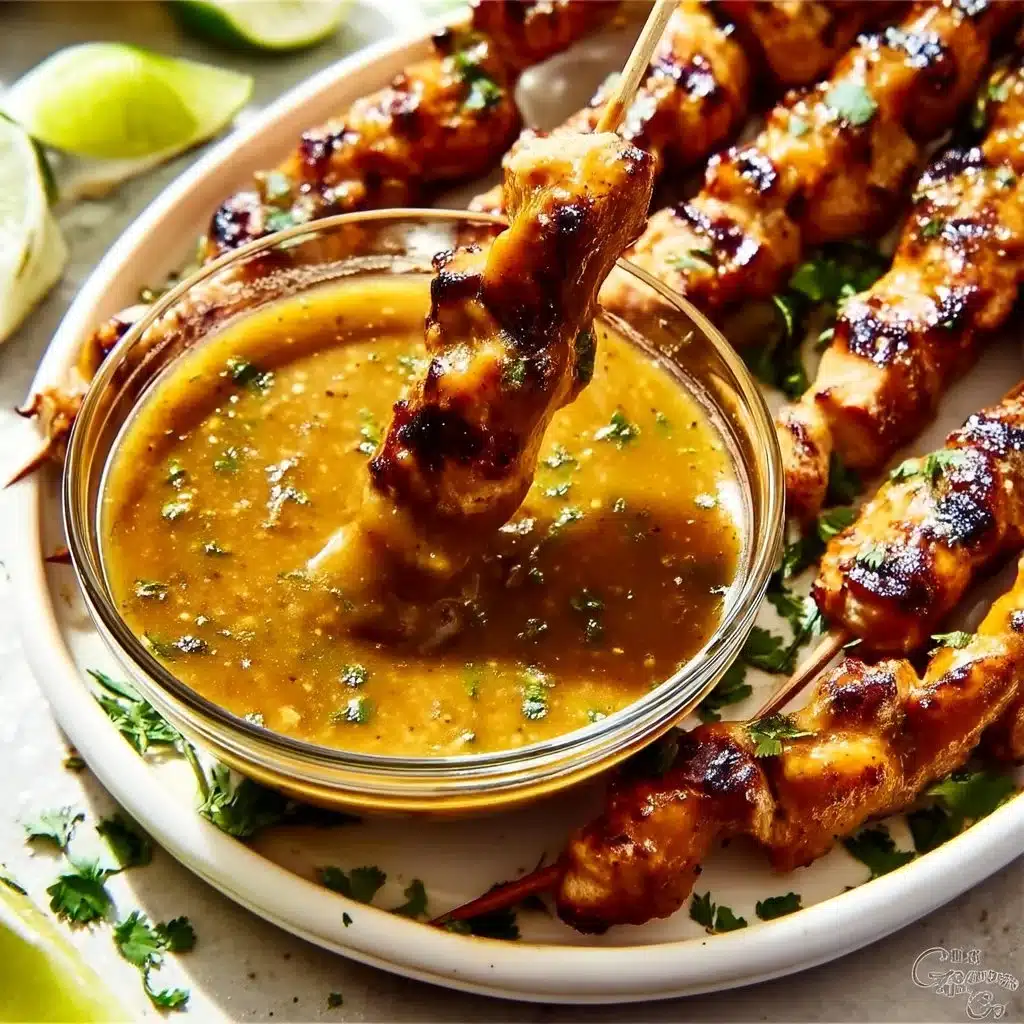
I remember the first time I made chicken satay at home: my kitchen smelled like toasted peanuts and warm spices, and the whole house felt like a tiny food stall tucked under string lights. I had invited a few neighbors over on a cool evening, and the skewers turned out to be the most effortless way to feed a crowd without fuss. People hovered around the serving platter, dipping each bite into a glossy peanut sauce and trading stories between mouthfuls. The satay sliced through the ordinary weeknight routine and felt like a small celebration—simple, hands-on, and honest.
This recipe lives in that spot where comfort meets quick: it uses familiar pantry staples and a short marinade to build real flavor, and the peanut sauce ties everything together with a silky, tangy finish. You can grill it, broil it, or cook it in a hot cast-iron pan. On weeknights, I pair it with steamed rice and sliced cucumbers for a fast, balanced meal; for weekends, I add charred bell peppers and extra skewers so people can graze while the conversation flows. No fancy equipment, no long ingredient list—just straightforward steps and a reliably tasty result.
DishGrub tests every recipe until it works in a real kitchen. We focus on cozy comfort food you can actually cook on a busy night, using clear instructions and practical tips that help you avoid common mistakes. Our satay recipe keeps things approachable: swap chicken cuts, adjust the spice, and use skewers you already own. If you like party-ready dips, you might also enjoy our easy Buffalo Chicken Dip, which shares the same spirit of big flavor with minimal fuss.
Why this recipe works
This version of Thai chicken satay keeps the classic flavors but trims the fuss so you can cook it any night. The quick soy-lime marinade seasons the meat without overpowering it, and the addition of brown sugar balances the acidity with a gentle caramel note. Curry powder gives the chicken a warm, aromatic backbone that pairs perfectly with the creamy peanut sauce. Marinating for at least 30 minutes allows the flavors to penetrate the chicken while still keeping prep time short.
The peanut sauce uses coconut milk to loosen the peanut butter and add a subtle tropical creaminess that brightens with lime juice and soy sauce. Heating the sauce briefly brings the flavors together and melts any graininess from natural peanut butter. Cooking the skewers over medium-high heat gives you a lightly charred exterior and juicy interior, and turning them often helps them cook evenly. Overall, the recipe works because it balances sweet, salty, tangy, and savory in a way that feels elevated but stays simple.
How to prepare Easy Thai Chicken Satay with Peanut Sauce
Start by prepping everything: cut the chicken, whisk the marinade, and soak wooden skewers if you use them. If you have a grill, preheat it to medium-high; if you prefer the oven, set a rack close to the broiler. Make the peanut sauce while the chicken marinates so it’s ready when the skewers finish cooking. Arrange sliced vegetables and steamed rice to serve alongside for a colorful, complete plate.
Ingredients
- Chicken breasts or thighs
- Peanut butter
- Soy sauce
- Lime juice
- Brown sugar
- Curry powder
- Garlic cloves
- Coconut milk
- Skewers
- Vegetables (like bell peppers, cucumber)
- Rice (for serving)
Instructions
-
Cut chicken into strips and marinate with soy sauce, lime juice, brown sugar, curry powder, and garlic for at least 30 minutes.
-
Thread the marinated chicken onto skewers.
-
Preheat the grill or oven to medium-high heat.
-
Cook the skewers for about 10-15 minutes or until the chicken is cooked through, turning occasionally.
-
To make the peanut sauce, combine peanut butter, coconut milk, lime juice, soy sauce, and brown sugar in a saucepan over low heat until smooth.
-
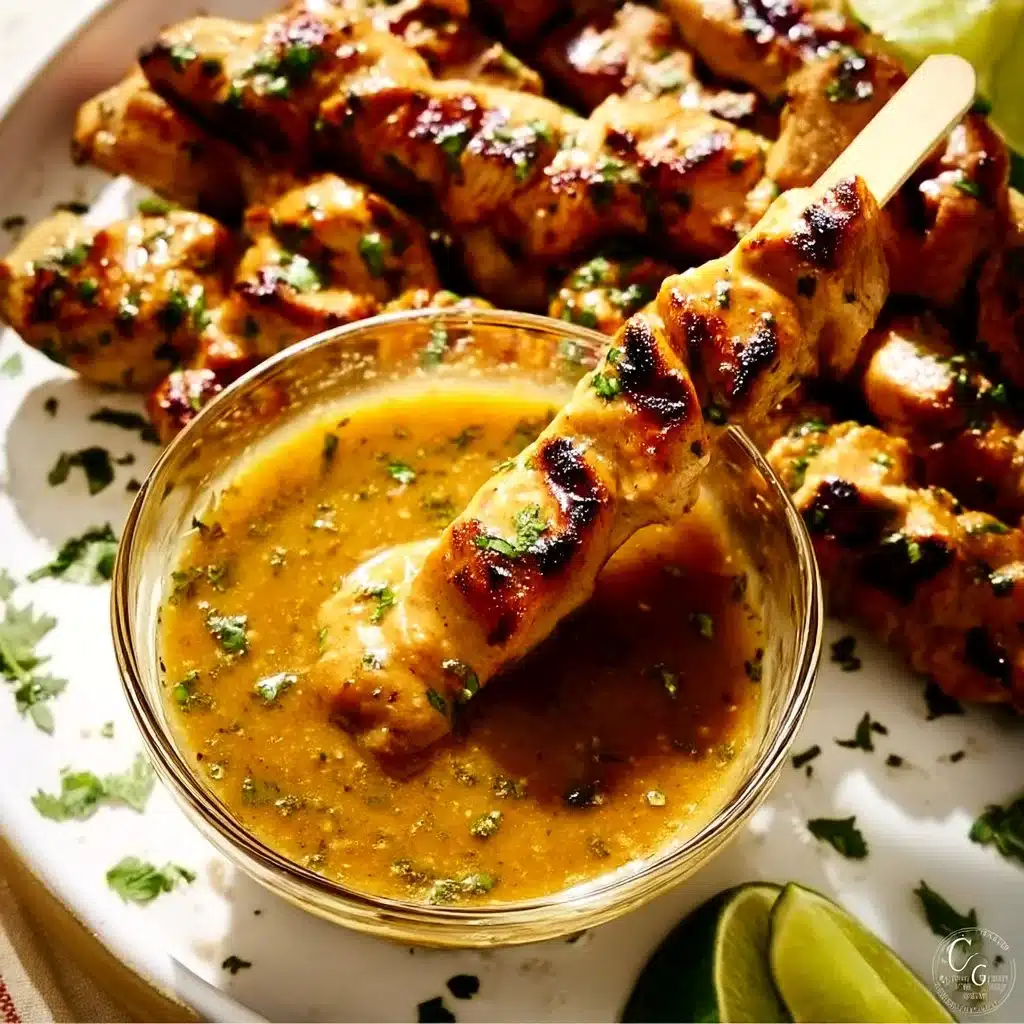
Serve the chicken satay with the peanut sauce for dipping, along with fresh veggies and rice.
Serving ideas
Serve satay warm straight from the grill with a pile of steamed jasmine rice and crunchy cucumber slices to cut the richness of the peanut sauce. For a casual gathering, place skewers on a large platter with small bowls of sauce for dipping and a tray of sliced bell peppers, carrot sticks, and snap peas. Add a simple slaw of shredded cabbage, lime juice, and a pinch of sugar for contrast, or toss the cooked chicken with chopped herbs and serve over rice noodles for a noodle bowl.
For a party, double the batch and set up a DIY satay station: warm peanut sauce in a slow cooker, keep skewers hot under a low oven setting, and label toppings like chopped peanuts, sliced chilies, cilantro, and lime wedges. Leftovers work great sliced over salads or folded into wraps for lunch the next day.
Storage tips
Cool leftover chicken and sauce to room temperature before refrigerating. Store cooked skewers and peanut sauce separately for best texture—seal them in airtight containers and keep them in the refrigerator for up to 3–4 days. Reheat chicken gently under a low oven (about 300°F) until warmed through or briefly on the stovetop in a skillet with a splash of water to restore moisture.
Freeze cooked chicken in a shallow, airtight container for up to 2 months; thaw overnight in the refrigerator before reheating. Freeze the peanut sauce in small portions for easier thawing and use within 1–2 months. If the sauce separates after thawing, whisk it over low heat with a little water or coconut milk to bring it back together.
DishGrub Kitchen Tips
Use thighs for more forgiving, juicy results and breasts for leaner skewers—either works well. If you use wooden skewers, soak them in cold water for at least 30 minutes to prevent burning on the grill. Always cut chicken into uniform strips so they cook at the same rate. Pat the chicken dry before threading to help the marinade cling and to get a better sear.
When you make the peanut sauce, start with less lime and sugar, then adjust to taste—some peanut butter brands vary in saltiness and sweetness. If the sauce thickens too much while resting, whisk in a tablespoon or two of coconut milk or warm water until it reaches dip-friendly consistency. For extra aroma, char the bell peppers on the grill while the chicken cooks. If you like bold spreads and dips at get-togethers, compare textures and flavors with our easy Buffalo Chicken Dip for another party-ready favorite.
Recipe variations
Make it spicy by adding a teaspoon of chili garlic sauce or a pinch of cayenne to the chicken marinade. Swap curry powder for ground turmeric and a little grated ginger for a different aromatic profile. For a lighter sauce, use natural peanut butter and thin it with extra coconut milk and a splash of rice vinegar for brightness.
Make this vegetarian by replacing chicken with firm tofu or tempeh strips—press tofu to remove excess moisture before marinating. For a nut-free version, substitute sunflower seed butter or tahini in the sauce and check flavor levels, adding a touch more lime or brown sugar to balance. To give it a citrusy twist, add orange zest to the marinade and a bit of orange juice to the sauce.
Common questions
Q: How long should I marinate the chicken for the best flavor?
A: Marinate the chicken for at least 30 minutes to allow the lime, soy, brown sugar, curry, and garlic to infuse the meat. If you have more time, marinate for up to 4 hours in the refrigerator to deepen the flavors without breaking down the texture. Avoid marinating longer than 8 hours, especially with lime in the mix, because the acid can start to cook and toughen the surface. If you’re short on time, even a 15-minute soak will add noticeable flavor; just focus on getting a good sear when cooking.
Q: Can I make the peanut sauce ahead of time and how do I reheat it?
A: Yes, the peanut sauce keeps well. Store it in an airtight container in the refrigerator for up to 4 days. Reheat gently in a small saucepan over low heat, stirring frequently and adding a tablespoon or two of water or coconut milk if it becomes too thick. You can also microwave it in short bursts, stirring between intervals. If the sauce separates after refrigeration, whisking over low heat brings it back together smoothly.
Q: What’s the best way to cook satay indoors without a grill?
A: Use your oven’s broiler or a hot cast-iron skillet. For broiling, arrange skewers on a foil-lined baking sheet and broil 4-6 inches from the heat—watch closely and turn once—until charred at the edges and fully cooked inside, about 10-12 minutes total depending on thickness. For a skillet, heat a little oil over medium-high heat and cook in batches, turning every few minutes so each side browns evenly. A grill pan also works well to mimic char lines if you don’t have an outdoor grill.
Q: How do I know when the chicken is cooked through without cutting into it?
A: The most reliable method is to use an instant-read thermometer: the thickest part of the chicken should reach 165°F. If you don’t have a thermometer, check that the juices run clear and the meat feels firm but springy when pressed. Uniform strip sizes help ensure even cooking so the outside won’t overcook while the center remains underdone.
Conclusion
For extra technique notes and a slightly different take, see the detailed RecipeTin Eats version of Thai Chicken Satay with Peanut Sauce at RecipeTin Eats Thai Chicken Satay with Peanut Sauce.