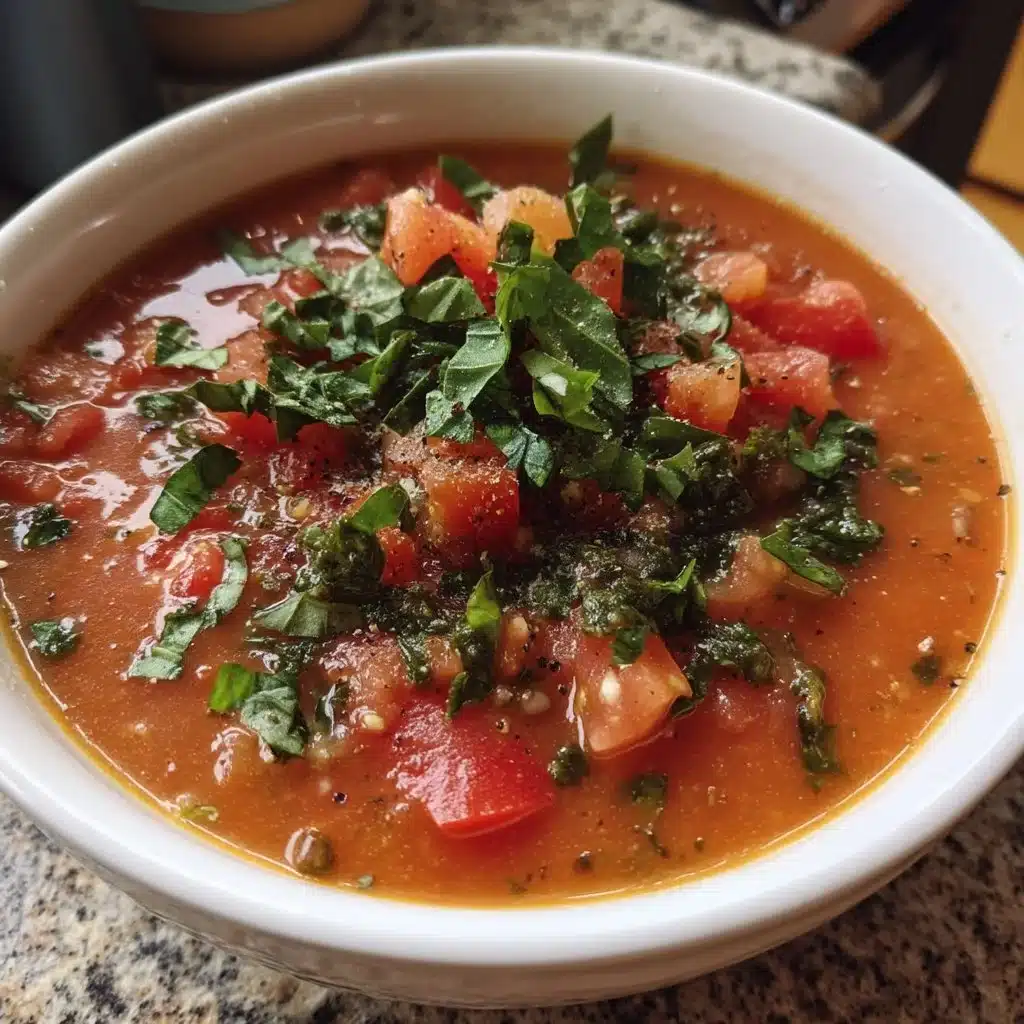
In cold weather or when schedules get messy, a steaming bowl of tomato basil soup brings a little calm. The aroma of garlic and onion softened in olive oil, the bright tang of tomatoes, and the herbal lift from fresh basil make this soup feel like a warm hug you can ladle up. It pairs beautifully with crusty bread, grilled cheese, or a simple salad for a meal that reads cozy and effortless. I reach for this recipe when I want something fast, reliable, and crowd-pleasingone pot, pantry-friendly ingredients, and a blender to finish it into silky comfort.
At DishGrub we test recipes in real kitchens, not just lab conditions, so this tomato basil soup reflects practical choices: canned tomatoes for convenience and consistent flavor, a splash of cream to smooth the edges if you want it richer, and fresh basil for brightness. We focus on little techniquessweating the onions gently, simmering long enough for flavors to meld, and blending carefully to get a luxuriously smooth texture. If you love cozy soups, try it alongside another weeknight favorite like our Broccoli Cheddar Soup for a comforting soup night that keeps prep simple and satisfaction high.
Why this recipe works
Why this recipe works
This tomato basil soup balances convenience with home-cooked flavor. Using canned diced tomatoes gives you ripe, consistent acidity year-round while a short simmer lets the raw edge mellow and lets flavors meld. Fresh basil added after cooking preserves that bright herbal note; blending the basil in at the end locks in color and fragrance. The optional cream rounds the soup and softens acidity without masking tomato or basil. Olive oil, onion, and garlic form a classic aromatic base that builds depth quickly, so you get big flavor without a long ingredient list or fuss. The recipe scales easily, reheats well, and adapts to what you have on hand, which makes it a reliable weeknight staple.
How to prepare Easy Tomato Basil Soup
How to prepare Easy Tomato Basil Soup
Ingredients
- 2 cans (14 ounces each) diced tomatoes
- 1 cup vegetable broth
- 1/2 cup fresh basil leaves
- 1 medium onion, chopped
- 2 cloves garlic, minced
- 1 tablespoon olive oil
- Salt and pepper to taste
- 1/2 cup heavy cream (optional)
Instructions
- Heat the olive oil in a large pot over medium heat.
- Add the chopped onion and minced garlic to the pot.
- Sauté the onion and garlic until the onion becomes translucent.
- Stir the diced tomatoes, including their juice, into the pot.
- Add the vegetable broth and stir to combine.
- Bring the soup up to a boil over medium-high heat.
- Lower the heat and simmer the soup for about 20 minutes.
- Remove the pot from the heat and add the fresh basil leaves.
- Blend the soup until smooth using an immersion blender or by working in batches in a regular blender.
- Stir in the heavy cream if you want a richer, creamier soup.
- Season the soup with salt and pepper to taste.
- Ladle the soup into bowls and serve it hot.
Simple serving suggestions
Simple serving suggestions
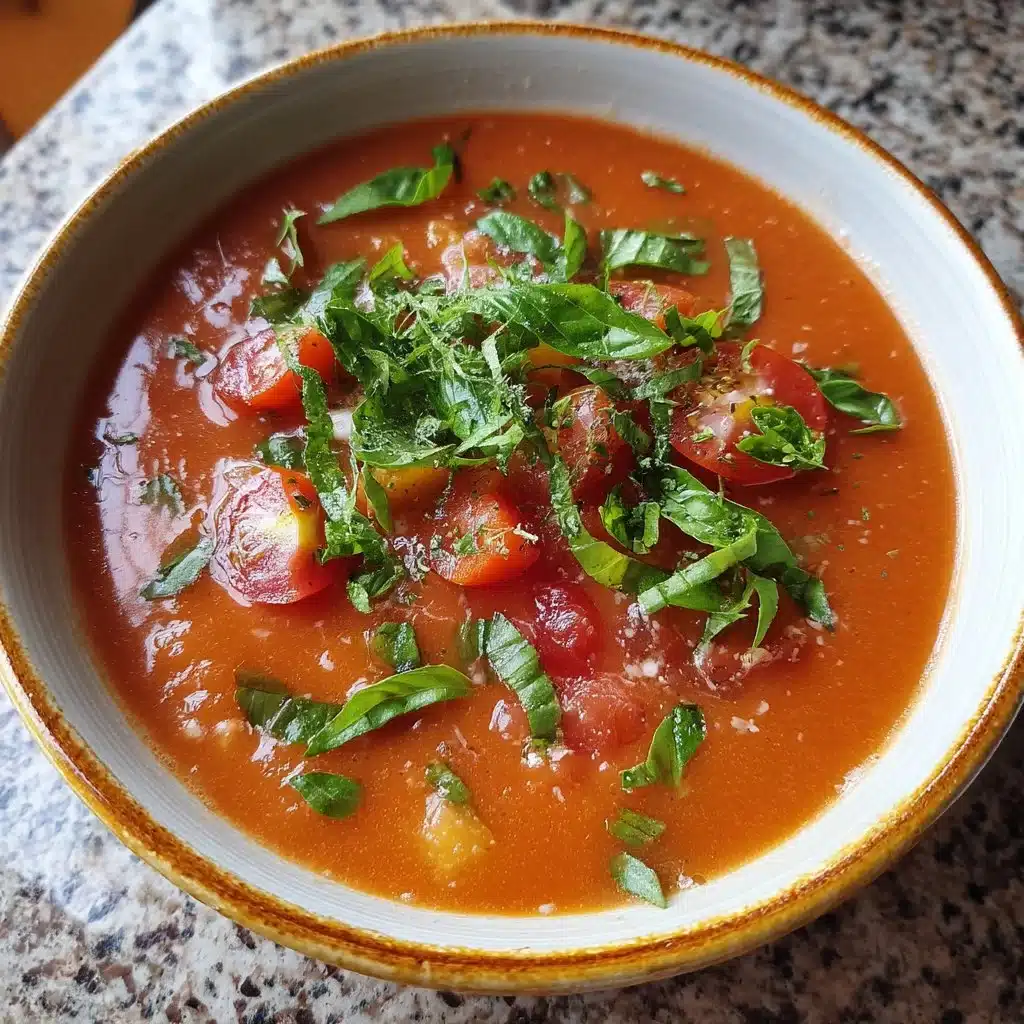
Serve this soup with buttered, crusty bread and a simple green salad for an easy weeknight meal. For a classic pairing, a sharp, melty grilled cheese makes a satisfying dunking partneruse sourdough or a sturdy white loaf and your favorite melting cheese. If you want to stretch the meal into a comforting lunch, ladle the soup into wide bowls and top with a drizzle of olive oil and a few torn basil leaves for brightness. You can also swirl in a spoonful of pesto for an herbaceous twist or sprinkle toasted pine nuts for a crunchy contrast. For a heartier dinner, serve the soup alongside a protein-forward sandwich or add cooked white beans or shredded rotisserie chicken to the pot before serving. If you like contrasting textures and flavors, try it with a bowl of our Classic Chicken Noodle Soup on the side for a cozy mixed-soup night.
How to store it properly
How to store it properly
Cool the soup to room temperature before storing to protect flavor and food safety. Transfer the soup to airtight containers and refrigerate for up to four days. For longer storage, pour the cooled soup into freezer-safe containers or heavy-duty zip-top bags and freeze for up to three months. When freezing in bags, lay them flat so they stack neatly and thaw quickly. Reheat gently on the stovetop over low to medium heat, stirring occasionally to prevent scorching; add a splash of broth or water if the soup thickens after refrigeration. If you used cream, reheat slowly to avoid separatingbring it up to a gentle simmer rather than a rapid boil.
Recipe tips for success
Recipe tips for success
Start by sweating your onions rather than browning them; that soft, translucent texture builds a sweeter base without introducing bitter notes. Taste and adjust acidity after blendingif the soup tastes too sharp, a small pinch of sugar or a teaspoon of butter softens the edge without making it sweet. When adding fresh basil, remove the pot from the heat so the herb stays bright; blending the basil while the soup cools slightly preserves its green color. If you blend in a standing blender, work in small batches and vent the lid slightly to let steam escape; cover the opening with a towel to avoid splatters. For a uniform, silky texture, blend until completely smooth, then strain through a fine-mesh sieve if you want an ultra-refined finish.
Make it your own
Make it your own
This soup welcomes tweaks. Swap vegetable broth for chicken broth if you want more savory depth. For a smoky twist, add a small spoonful of chipotle in adobo or smoked paprika. If you prefer a thicker, heartier bowl, stir in cooked rice, small pasta, or white beans. For a fresher, lighter version, skip the cream and finish with a swirl of plain yogurt or a little ricotta on top. Want a roasted flavor? Roast the canned tomatoes briefly in a hot oven or pan-sear fresh tomato halves before adding them to the pot. To make a vegan version, omit the cream or use a plant-based alternative, and use olive oil-only for richness.
Frequently asked questions
Frequently asked questions
Q: Can I use fresh tomatoes instead of canned?
A: Yes, you can use about 2 pounds of ripe fresh tomatoes in place of the canned tomatoes. Score and briefly blanch them to remove skins if you prefer a smoother texture, then roughly chop and cook them down until they release their juices and concentrate. Because fresh tomato acidity and sweetness vary, taste and adjust seasoning and simmer time as needed to reach the flavor balance you like.
Q: Do I have to add the cream?
A: No. The heavy cream is optional and serves to round out acidity and add a silky mouthfeel. If you want a lighter soup, skip it or replace it with a splash of milk or unsweetened plant-based cream. If you prefer tangier notes, add a spoonful of plain yogurt when serving, which gives creaminess with a bright finish.
Q: How do I prevent the soup from becoming too thin or too thick?
A: Simmering will naturally concentrate the soup; if it becomes too thin, cook it a bit longer uncovered to reduce and thicken. If it becomes too thick after refrigeration, thin it with a little hot broth or water while reheating until it reaches your preferred consistency. Blending also affects texturefully pureeing yields a smooth, thicker mouthfeel than a lightly blended, chunkier version.
Q: Can I add protein to make it a main course?
A: Absolutely. Stir in cooked shredded chicken, white beans, or simmer small meatballs directly in the soup for a more substantial meal. Add cooked grains like orzo, rice, or small pasta shapes for extra heft, but plan for leftovers to be eaten within a couple of days since pasta and grains continue to absorb liquid over time.
Conclusion
If you’d like another take on a creamy tomato basil soup with slightly different proportions and technique, check out Quick and Easy Creamy Tomato – Basil Soup – Shared Appetite for more inspiration and variations.