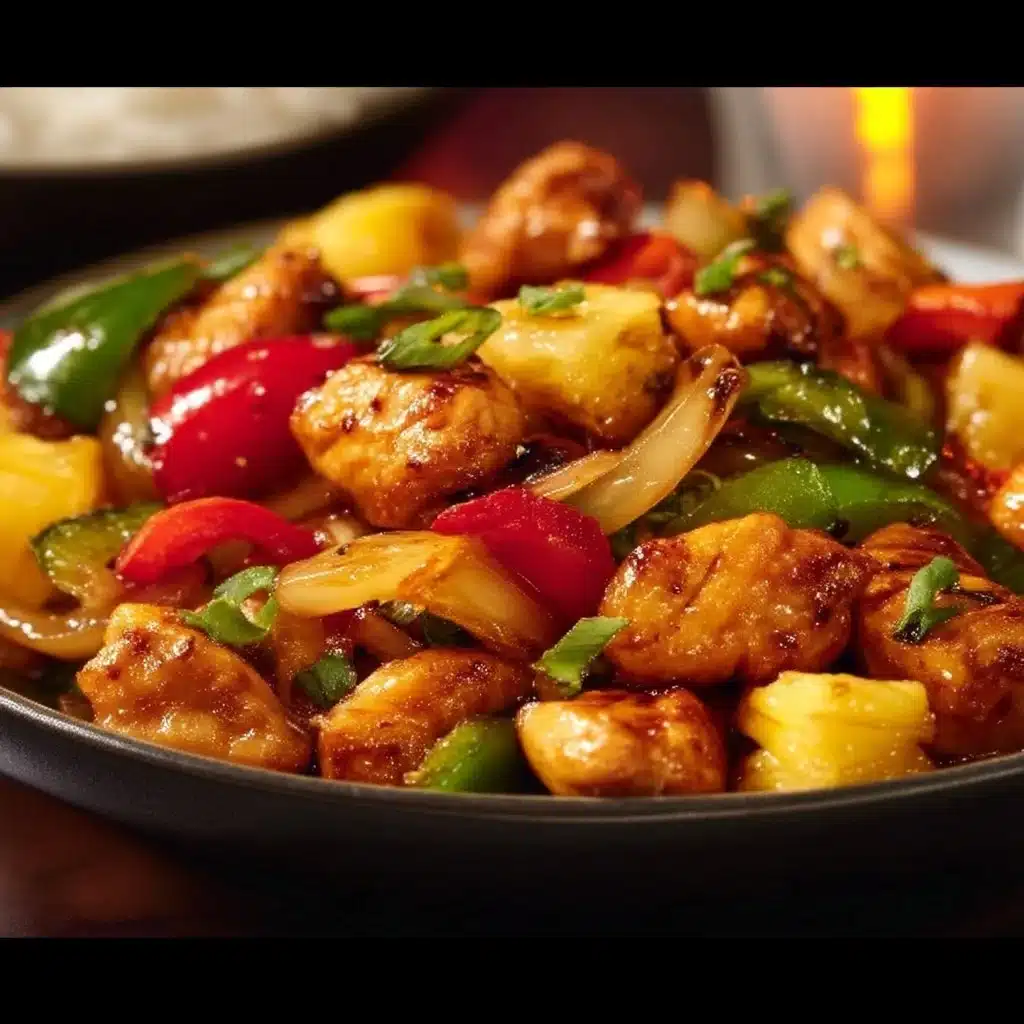
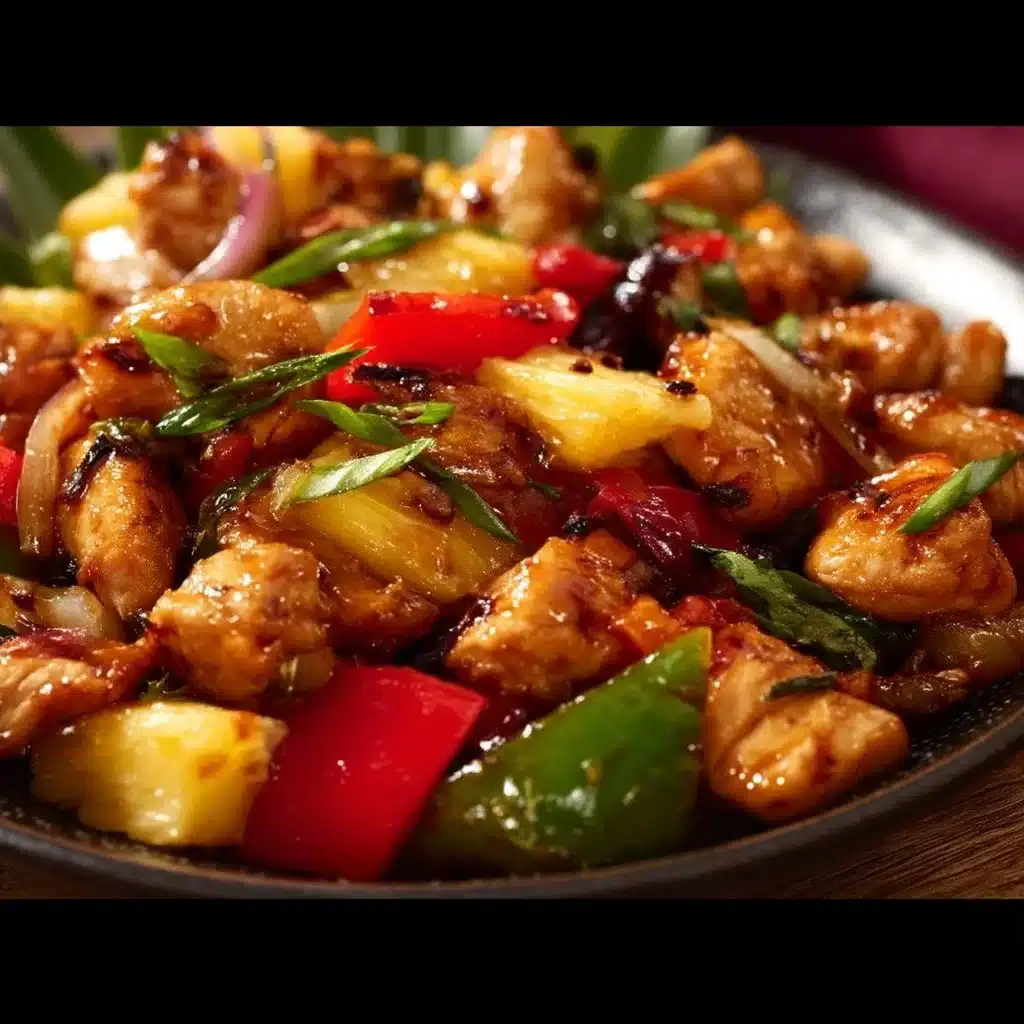
There’s something about a single pan that brings everyone to the table faster — the ease, the scent, the way vegetables and chicken caramelize together into warm, familiar flavors. When I first made this Hawaiian-inspired sheet pan meal, my kids wandered into the kitchen because they could smell honey and pineapple, not because I called them. The sheet pan simplifies dinner into one tidy, forgiving step: toss, roast, and sauce. You get juicy chicken bites, sweet charred pineapple, and bell peppers softened at the edges, all mingling with a glossy, tangy sauce that tastes like summer leftovers. It’s the kind of dinner you can pull out on a weeknight and still feel like you made something special for the family.
We love this meal because it balances comfort and speed. The chicken cubes cook through quickly, the vegetables hold their texture, and the pineapple adds bright acidity so you don’t miss anything heavy. Serve it over rice, tuck it into warmed tortillas for a casual handheld dinner, or spoon it over a bed of greens for a lighter bowl. Leftovers turn into lunchtime heroes — heat gently so the pineapple keeps its brightness and the chicken stays tender.
DishGrub recipes land in your inbox after we test them for real kitchens with real distractions: barking dogs, late homework, and that one burnt cookie sheet you refuse to throw away. We focus on practical shortcuts, honest flavors, and extra notes that help you avoid common mistakes. This Hawaiian sheet pan recipe follows that approach — simple prep, pantry-friendly sauce, and clear tips to keep everything juicy. If you like a similar speedy sheet pan vibe, you can try our lemon herb sheet pan chicken and broccoli for another fuss-free weeknight option: lemon herb sheet pan chicken and broccoli.
Why this recipe stands out
This dish works because it translates big, tropical flavors into a format every home cook can handle. The chicken pieces roast quickly and pick up sweet and savory notes from the pineapple and honey-soy sauce. Bell peppers and onions char at the edges, adding sweetness and a slight crunch to contrast the tender chicken. Roasting everything together concentrates flavors without extra hands-on time, and finishing with a glossy sauce ties the whole pan into something restaurant-worthy.
You don’t need a grill or exotic ingredients to get a bright, punchy result. The cornstarch slurry option lets you control the sauce texture, so families who like dipping can have a thicker glaze while those who prefer a lighter drizzle can skip the slurry. This makes the recipe adaptable and forgiving, perfect for busy nights when you want comfort without fuss.
How to prepare Hawaiian Chicken Sheet Pan
Ingredients
- 1 ½ lbs (700 g) boneless skinless chicken breasts, cut into 1-inch pieces
- 1 red bell pepper, chopped
- 1 yellow bell pepper, chopped
- 1 small red onion, cut into wedges
- 1 ½ cups fresh pineapple chunks (or canned, drained)
- 2 tbsp olive oil
- 2 cloves garlic, minced
- ½ tsp salt
- ½ tsp black pepper
- ½ tsp paprika
- ¼ tsp chili flakes (optional)
- Sauce (for tossing & drizzling):
- ⅓ cup low-sodium soy sauce
- ¼ cup pineapple juice (from the can or fresh)
- 3 tbsp honey (or brown sugar)
- 2 tbsp rice vinegar (or apple cider vinegar)
- 1 tbsp cornstarch + 2 tbsp water (slurry, optional for thickening)
Instructions
-
Preheat the oven to 400°F (200°C).
-
Line a large sheet pan with parchment paper or lightly grease it.
-
Assemble the cut chicken, bell peppers, red onion, and pineapple on the prepared sheet pan in a single layer.
-
Drizzle olive oil over the pan ingredients and sprinkle minced garlic, salt, black pepper, paprika, and chili flakes evenly.
-
Toss everything gently on the pan so the oil and seasonings coat the chicken and produce.
-
Roast in the oven for 20–25 minutes, flipping the pieces halfway through for even browning.
-
Check the chicken with a thermometer; it should register 165°F (74°C) in the thickest pieces.
-
While the pan roasts, combine soy sauce, pineapple juice, honey, and rice vinegar in a small saucepan and whisk until smooth.
-
Simmer the sauce over medium-low heat for 3–4 minutes, stirring so flavors meld and alcohol from the vinegar cooks off.
-
If you want a thicker glaze, stir the cornstarch and water slurry together, then whisk it into the simmering sauce and cook until glossy and thickened.
-
Remove the sheet pan from the oven when the chicken is cooked and vegetables are tender with browned edges.
-
Drizzle the sauce over the roasted chicken and pineapple, or serve the sauce on the side for dipping.
-
Garnish with sesame seeds or thinly sliced green onions, if desired, and serve immediately.
Serving ideas
Plate this Hawaiian sheet pan over steamed white rice or coconut rice for a classic pairing that lets the sauce soak into the grain. For lighter fare, serve it on a bed of mixed greens or shredded cabbage and top with a wedge of lime. The flavors also make for terrific wraps — warm flour tortillas, a smear of mayo or plain yogurt, and the pan mixture folded into handheld tacos. For a family-friendly variation, offer the sauce on the side so kids can control how saucy their portions get.
If you want to turn dinner into a casual spread, set bowls of chopped cilantro, sliced scallions, chopped peanuts, and lime wedges on the table so everyone can customize. For another easy, crowd-pleasing sheet pan option from DishGrub, try our loaded sheet pan nachos to mix up your next weeknight rotation: loaded sheet pan nachos.
How to keep leftovers
Cool leftovers to room temperature no longer than two hours, then transfer them to an airtight container and refrigerate. The chicken and vegetables will keep well for 3–4 days. Reheat gently in a skillet with a splash of water or pineapple juice to keep the chicken from drying; microwave reheats work fine but can toughen the meat if overheated. If you thickened the sauce, store it separately when possible — reheating the sauce briefly on low heat with a splash of water refreshes its texture.
For freezing, cool completely and pack in a freezer-safe container for up to 2 months. Thaw overnight in the refrigerator before reheating. Expect some textural changes in the pineapple after freezing; it will still be tasty in rice bowls or reheated dishes.
DishGrub Kitchen Tips
Use uniform pieces. Cutting the chicken into consistent 1-inch pieces ensures everything cooks at the same rate and prevents overcooking.
Don’t crowd the pan. Spread ingredients in a single layer so they roast instead of steam. If your pan is small, use two pans or roast in batches.
Watch the sugars. Honey and pineapple caramelize quickly. If you notice dark spots forming early, lower the oven to 375°F (190°C) and extend the cook time a few minutes.
Manage sauce thickness. Make the sauce while the pan roasts. If you want a sticky glaze for tossing, use the cornstarch slurry. If you prefer a lighter pour, skip the slurry and spoon the warm sauce over the pan at the end.
Flavor boosts. A squeeze of fresh lime just before serving brightens the whole dish. Toasted sesame seeds and thinly sliced green onion add texture and a finished look.
Recipe variations
Swap the chicken: Use thigh meat cut into chunks for richer flavor and extra juiciness. If using bone-in pieces, adjust roasting time and ensure an internal temperature of 165°F.
Veggie upgrades: Add sliced zucchini, snap peas, or chunks of sweet potato (par-cook sweet potato until nearly tender before adding). Keep in mind denser vegetables need more time.
Make it vegetarian: Replace chicken with firm tofu, pressed and cubed. Toss tofu in oil and seasonings and roast until edges crisp, then add pineapple at the end to prevent sogginess.
Spice it up: Add a teaspoon of sriracha or a tablespoon of gochujang to the sauce for heat and umami. For smoky warmth, use smoked paprika instead of regular paprika.
Low-sodium swap: Use low-sodium soy sauce (as listed) and reduce added salt. Balance saltiness with more honey or pineapple juice for sweetness.
Common questions
How can I prevent the chicken from drying out?
Cut chicken into uniform 1-inch pieces so they cook evenly. Roast at 400°F for the modest timeframe listed and check early; chicken pulled off the heat at 165°F stays juicy as it rests. If you worry about drying, use boneless skinless thighs — they tolerate heat better and stay tender longer. Also avoid overcooking the pan while you wait for caramelization; if edges brown too fast, reduce oven temperature slightly.
Can I make the sauce ahead of time?
Yes. The sauce keeps well in the refrigerator for 5–7 days and actually benefits from a short rest to let flavors meld. If you’ve thickened it with cornstarch, gently reheat the sauce over low heat with a splash of water or pineapple juice to restore its pourable texture. Store sauce separately from the roasted pan for the best texture when reheating leftovers.
What’s the best way to serve this for a crowd?
Keep the sheet pans coming out of the oven and a warmed bowl of rice on the counter. Let guests build their plates with rice, roasted chicken and vegetables, and sauce ladled over the top. Provide bowls of garnishes such as chopped cilantro, sliced scallions, lime wedges, and sesame seeds. If you want a buffet with minimal fuss, make multiple pans and rotate them in the oven to keep food hot without crowding.
Can I use canned pineapple instead of fresh?
Yes. Drain canned pineapple well to avoid extra liquid on the pan, and add it partway through roasting if you prefer it less caramelized. Fresh pineapple gives a brighter, firmer bite, while canned pineapple is convenient and still delicious.
How do I adjust for a larger family?
Double the ingredients and use two sheet pans to avoid crowding. Roast both pans simultaneously if your oven has the space; rotate them between racks halfway through for even cooking. Alternatively, roast in batches so everything gets proper browning.
Conclusion
For a tested, family-friendly sheet pan meal with sweet, savory, and tangy notes, this Hawaiian-style chicken delivers easy weeknight comfort that feels special. If you want a version from another source for comparison or inspiration, see this take on the dish at Sheet Pan Hawaiian Chicken | The Girl Who Ate Everything.