I remember the first time my grandmother handed me a tall glass of hibiscus water on a scorcher of a July afternoon. We sat on her back porch, the humidity thick and the cicadas singing, and the dark rose-red liquid looked almost too pretty to drink. She told me the flowers came from a neighbor’s garden and that she brewed them like tea, then sweetened the batch with a splash of lemonade to keep it bright and family-friendly. The first sip surprised me: tart and floral, with a cooling finish that felt like a secret shortcut to comfort, the kind only a beloved recipe can deliver. Over the years, hibiscus water became our house staple for barbecues, school play rehearsals, and nights when the family gathered to swap stories around an open pitcher. Kids loved the color; adults loved that it felt festive without being heavy; everyone loved how it hydrated and refreshed on a warm evening.
We turned that simple tradition into ritual: brew the flowers the night before, chill the tea in the fridge, then mix it with a touch of lemonade and pour it over ice when guests arrived. My grandmother taught me patience through the steeping pot and pride through presentation—lemon slices tucked against the glass, a mint sprig when company came. The drink became a bridge between seasons and a quick way to make any meal feel intentional. When I host now, I skip the complicated mixers and focus on bold, honest flavors. Hibiscus water respects that approach: it’s straightforward to make, beautiful to serve, and versatile enough to sit beside smoky grilled meats or a stack of pancakes.
Comfort food means different things to every household, but it always centers on togetherness. A pitcher within reach says, come sit, stay a while. That’s exactly what hibiscus water does—simple, satisfying, and utterly inviting.
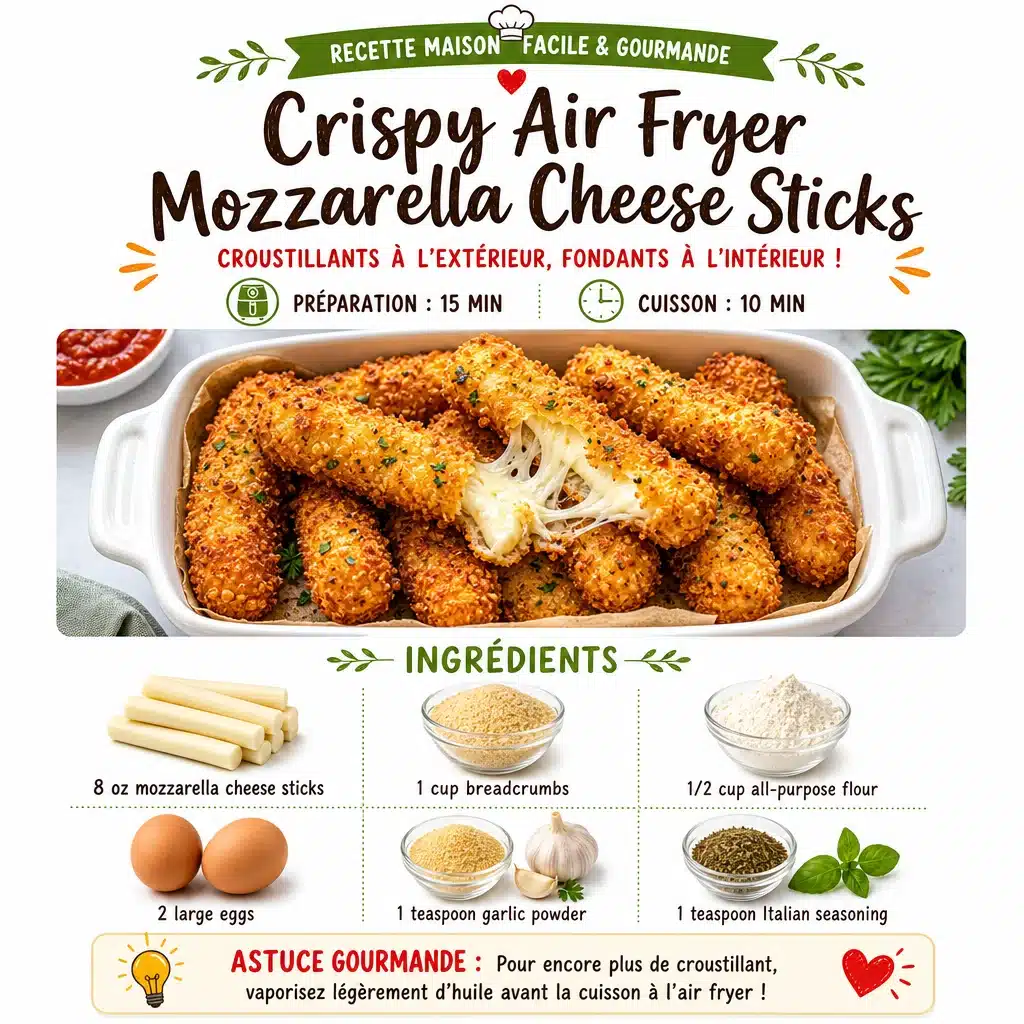
Hibiscus water pairs especially well with casual mains and quick family meals, so I often set it out alongside easy weeknight winners like our air fryer chicken tenders for a complete crowd-pleasing spread.
DishGrub tests each recipe for clarity and consistency so busy home cooks can rely on the results. We focus on cozy flavors, simple techniques, and minimal fuss; this hibiscus water follows that same philosophy. The recipe requires only a few pantry staples, a little time to steep, and a pitcherful of patience. With clear steps and small variations suggested later, you can make a batch that fits your taste—tart and bright, lightly sweet, or herbal and complex. We keep advice practical: how long to steep, how to adjust sweetness, and how to make it look as inviting as it tastes. Whether you plan a backyard dinner or a weekday family meal, this hibiscus water helps the table feel a little more special without making your evening more complicated.
Why this recipe stands out
Hibiscus water stands out because it turns a handful of dried flowers and water into a vibrant, refreshing drink that tastes much more elaborate than it is. The dried hibiscus flowers lend a natural tartness that balances sweetness beautifully; when you add a splash of lemonade you get a bright, citrusy lift that keeps the flavor lively. This recipe emphasizes hands-off time—steep, chill, and mix—so it fits into busy routines while still delivering something visually striking and deeply satisfying. The color alone makes it feel celebratory, and the flavor profile complements both savory and sweet dishes without overpowering them. You get the benefits of a homemade beverage—no artificial colors, no extra preservatives, and full control over sweetness—so you can tailor it to family preferences or dietary needs.
How to prepare Hibiscus Water
Preparing hibiscus water requires minimal technique but a few practical choices that make the outcome consistent: use quality dried hibiscus flowers, boil the water just once for optimal extraction, and cool the brew fully before refrigerating so it sets up cleanly and avoids cloudiness. Steeping time determines strength—if you prefer a milder cup, shorten steep time; if you like bold floral notes, let it steep longer before straining. When mixing with lemonade, add gradually and taste; homemade lemonade or a lightly sweetened store variety both work. If you’re serving at a gathering, make the brew the night before so it’s chilled and ready to go; this also lets any sediment settle for a clearer pitcher. A wedge of lemon brightens each glass and gives guests something to play with.
This hibiscus water pairs well with grilled or fried comfort foods: try it beside smoky barbecue or crispy chicken. For an easy weeknight combo that kids and adults both enjoy, serve hibiscus water with a platter of air fryer chicken tenders to keep the menu casual but special: air fryer chicken tenders
Ingredients
- 1/2 cup dried hibiscus flowers
- 40 oz hot water
- 1/2 cup lemonade
- Lemon slices, for garnish (optional)
Instructions
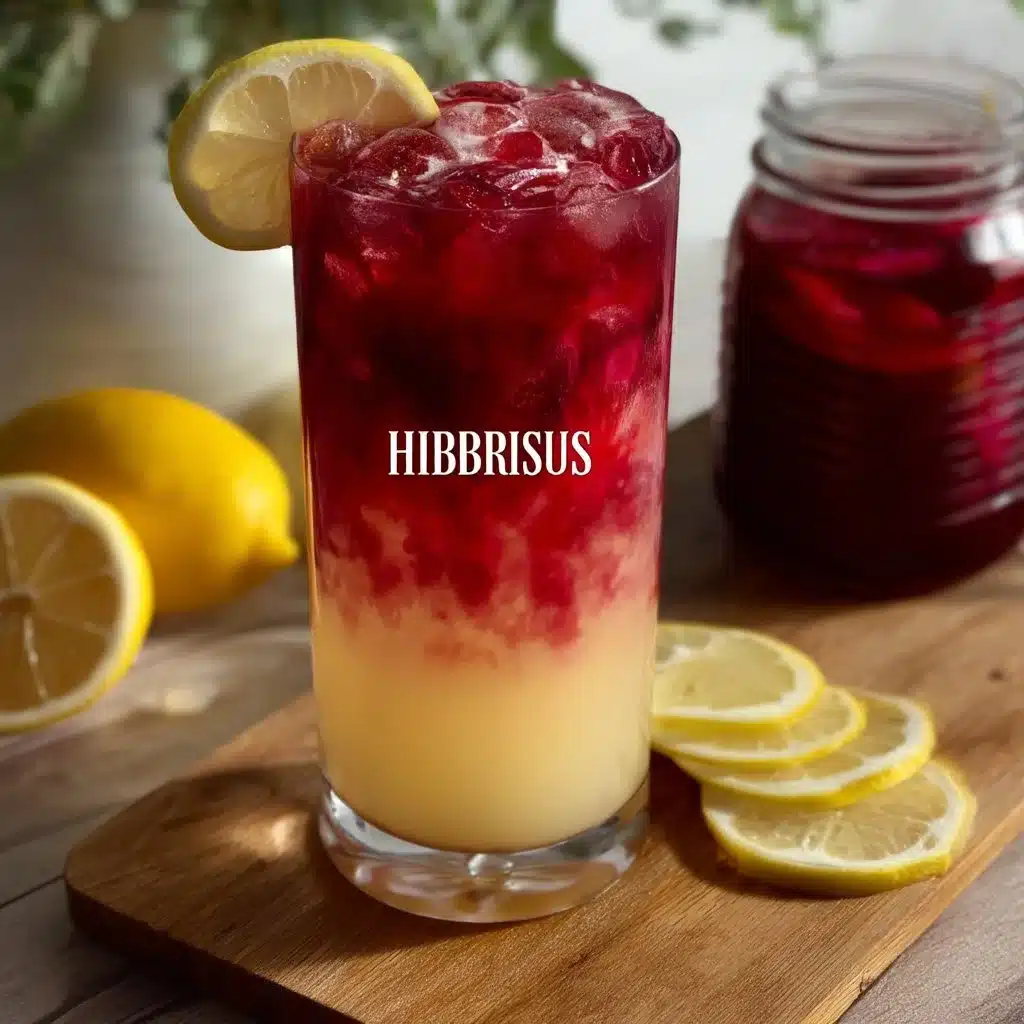
- Brew hibiscus tea in a kettle. Let it cool down before refrigerating overnight.
- To a tall glass, add ice, lemonade, and hibiscus tea.
- Mix and enjoy!
Serving ideas
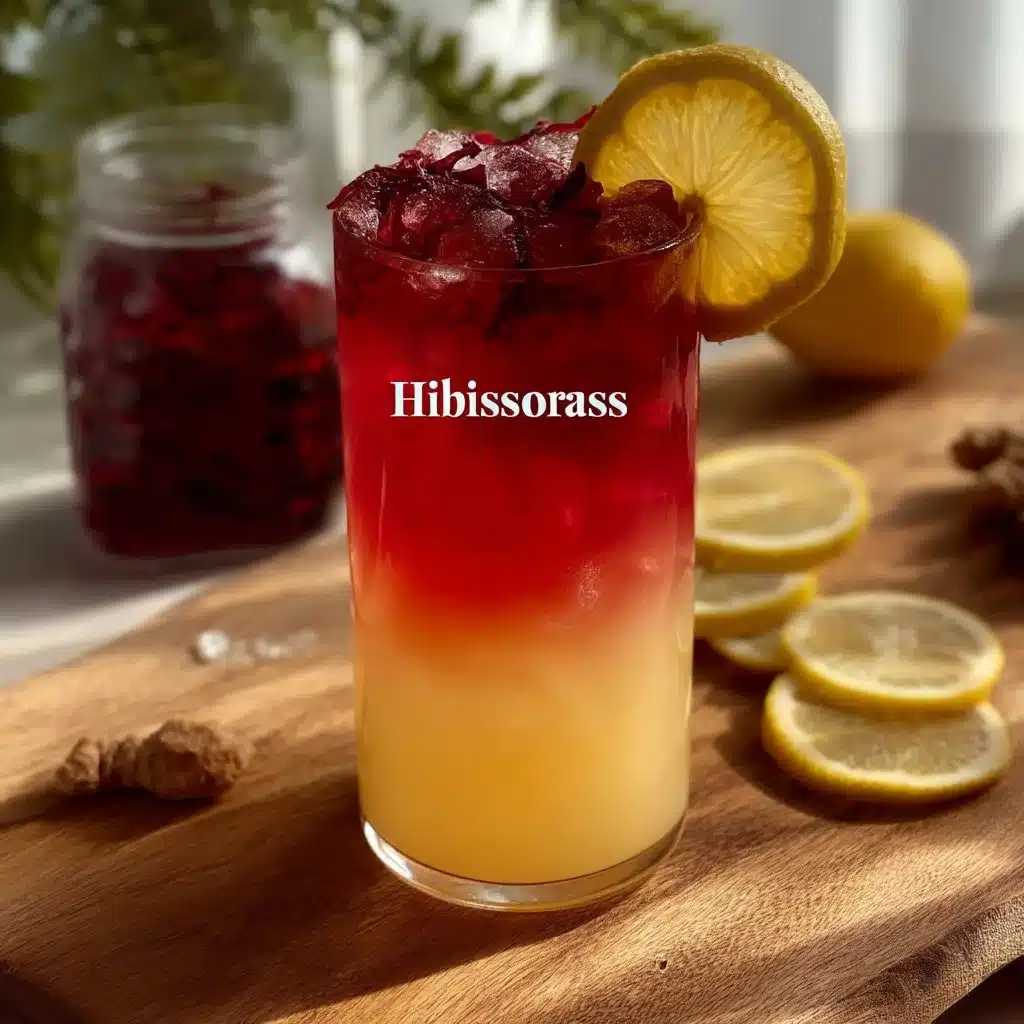
Serve hibiscus water in tall glasses over plenty of ice with lemon slices threaded along the rim for a classic look. For summer cookouts, present a large chilled pitcher with a small bowl of lemon wedges and optional mint sprigs so guests can customize their glasses. If you want to elevate it for brunch, ladle a small amount into champagne flutes and top with sparkling water or a splash of prosecco for a floral spritzer. For family dinners, keep it simple: a large pitcher on the table lets everyone help themselves, and the vivid color makes even a weeknight meal feel planned. Pair it with grilled vegetables, citrus salads, or roasted meats that can handle a bright, acidic counterpoint.
How to keep leftovers
Store leftover hibiscus water in a sealed pitcher or airtight container in the refrigerator for up to 4–5 days. Keep it chilled and avoid leaving it in warm spots to prevent the flavor from degrading. If you notice any cloudiness or off odors after a few days, discard the batch and make fresh—hibiscus keeps best when it stays cold. For longer storage, freeze portions in ice cube trays and add the flavored cubes to glasses later for quick chill without dilution. Do not leave lemonade-mixed hibiscus out at room temperature for extended periods; the added sugar in lemonade increases the risk of fermentation.
DishGrub Kitchen Tips
Use these practical tips to make the process smooth and the flavor consistent every time:
- Measure the hibiscus by volume for ease: 1/2 cup gives a balanced strength for 40 ounces of water.
- Use just-boiled water and pour it over the flowers to extract the most color and flavor quickly.
- Steep for 10–20 minutes depending on your strength preference, then strain through a fine-mesh sieve to remove petals.
- Cool completely before sealing and refrigerating to keep the liquid bright and clear.
- Taste before adding lemonade. If your hibiscus is particularly tart, start with less lemonade and add more to reach your preferred sweetness.
- Add a pinch of salt when serving to help balance flavors if the drink tastes too sharp.
These small steps cut down on guesswork and help you serve a consistently delicious pitcher.
Make it your own
Hibiscus water adapts easily to different flavor profiles. Here are some simple variations to try:
- Add fresh mint leaves while the tea cools for an herbal lift.
- Sweeten with honey or agave instead of lemonade if you prefer a different sweetness character.
- Mix in a splash of orange juice for a citrusy twist and deeper color complexity.
- For an adult version, add a shot of rum or tequila to individual glasses.
- Infuse with thin slices of ginger or cucumber during steeping for a spicy or cooling note.
Keep the basic ratio the same and experiment with small additions until you find the combination that matches your taste.
Frequently asked questions
Q: Can I make hibiscus water without dried hibiscus flowers?
A: Dried hibiscus flowers give this drink its signature tartness and deep red color; fresh hibiscus is less common and often more delicate, so dried is preferred for consistent flavor. If you cannot find dried flowers, some specialty tea blends contain hibiscus and can substitute, but check the blend for added flavors that might change the profile. You can also use concentrated hibiscus syrup in a pinch, but reduce added sweeteners accordingly since syrups contain sugar.
Q: How much lemonade should I add if I want it less sweet?
A: Start with half of the suggested amount—about 1/4 cup per 40 ounces of hibiscus tea—then taste and add more in 1 tablespoon increments. Lemonade sweetness varies widely by brand and recipe, so incremental tasting lets you reach a balance between bright tartness and approachable sweetness. If you plan to serve kids or people with lower tolerance for tart flavors, prepare a small bowl of extra lemonade so guests can customize their own drink.
Q: Can I make the tea on the stovetop instead of a kettle?
A: Yes. Bring water to a gentle boil in a saucepan, remove from heat, and add the dried hibiscus flowers. Steep off the heat for 10–20 minutes, then strain. Avoid prolonged simmering with the flowers still in the pot, as aggressive heat can create a bitter edge. The key is to use hot water for extraction and then cool the infusion before refrigeration.
Q: Is hibiscus water healthy?
A: Hibiscus tea contains antioxidants and has a pleasing low-calorie base when unsweetened. It can help with hydration and provides vitamin C when mixed with citrus. However, if you add a lot of lemonade or sweeteners, it increases the sugar and calorie content. People on certain medications or those with low blood pressure should consult a healthcare provider, as hibiscus can interact with some drugs and affect blood pressure.
Q: Can I carbonate hibiscus water?
A: Yes, carbonate chilled hibiscus tea in a soda maker or mix chilled hibiscus with chilled sparkling water at a 3:1 ratio (three parts hibiscus to one part sparkling) for a fizzy, refreshing drink. Add lemonade or sweetener sparingly, as carbonation can amplify acidity.
Conclusion
For a deeper look at the Mexican tradition behind this drink and regional variations, see the detailed write-up on Agua de Jamaica | Mexican Food Journal, which offers historical context and preparation ideas you can adapt for your own table.