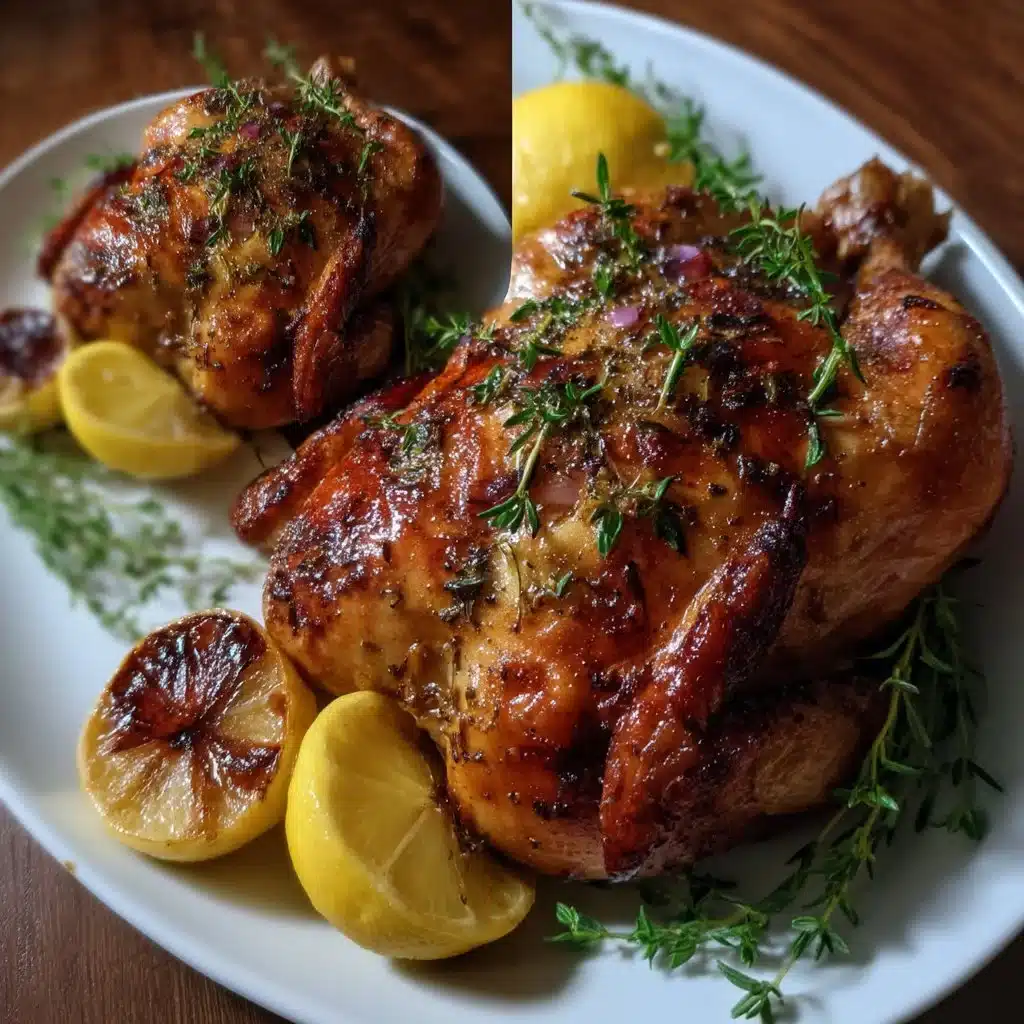
There’s something about a roast chicken that settles a house into a slower, kinder rhythm. The smell of roasting lemon and garlic drifts through rooms, draws family members toward the kitchen, and makes weekday dinners feel like little celebrations. I remember one rainy Thursday when I threw a simple lemon garlic chicken into the oven, then sat with a mug of tea while my kids did homework at the table. We ate together, we laughed, and the leftovers stretched into lunches and a soup that made everyone happy all over again. This recipe lives in that comfortable space between effortless and impressive: a handful of pantry staples, one pan, and a golden, fragrant bird that feeds your people.
DishGrub recipes focus on that same kind of cookingtested for busy home cooks who want flavor without fuss. We test every recipe until it behaves predictably in a real kitchen, so you can trust the timing and temperature. We’ll show you how to coax big flavor from lemons and garlic, how to tuck flavor under the skin so meat stays juicy, and how to turn simple ingredients into a meal that feels made with care. If you crave creamy comfort across the week, try our Creamy Garlic Tuscan Chicken for another family-friendly dinner that moves from pan to table in under an hour.
Why this recipe stands out
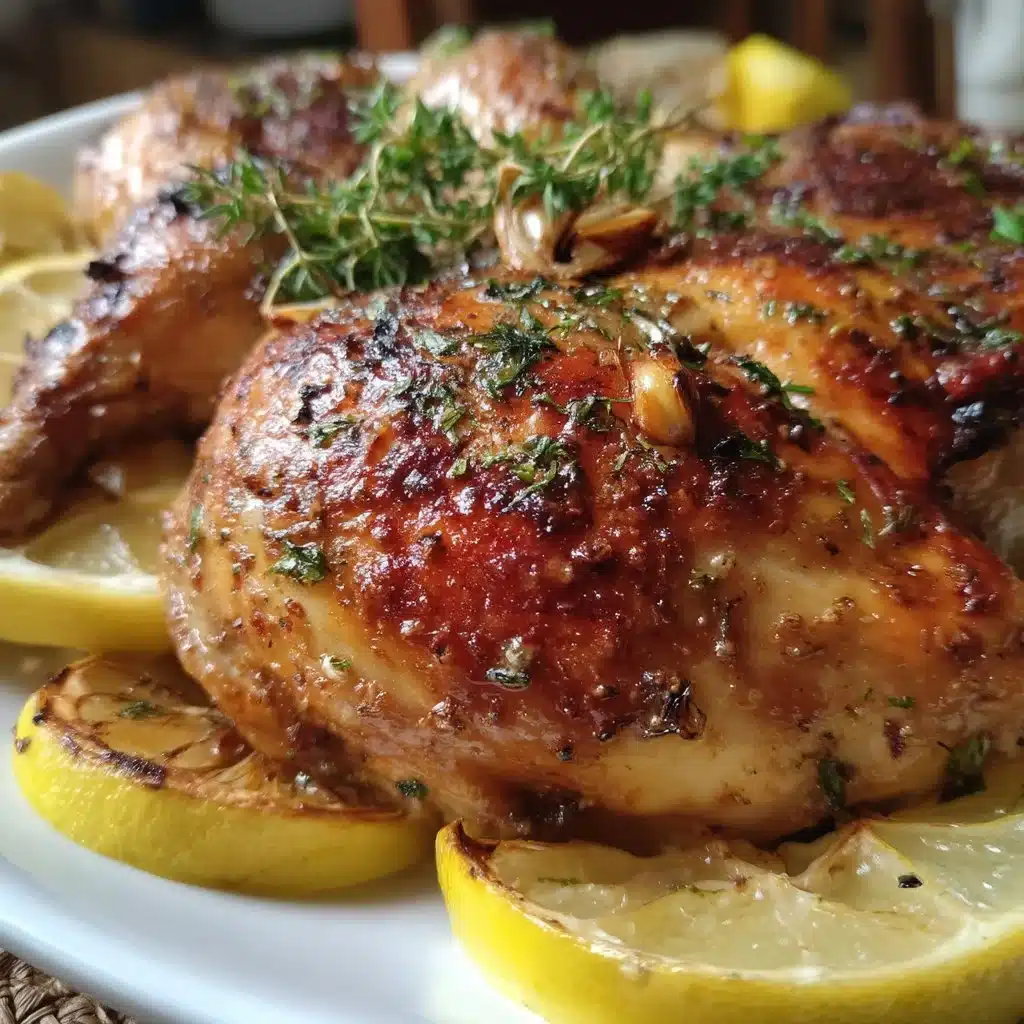
This lemon garlic roast chicken balances bright acidity and warm aromatics so the skin roasts crisp while the meat stays moist. Lemon juice breaks down surface proteins just enough to help brown the skin and infuse the white meat with citrus notes. Rubbing the garlic and oil under the skin ensures that both the breast and thighs pick up flavor, not just the surface. Roasting at a steady 375°F gives you even cooking: the skin crisps without drying the interior.
The approach keeps the technique simple: no brining, no trussing required unless you prefer it. That makes it a weeknight-friendly tradition you’ll repeat. Use the roasting pan juices to spoon over carved meat, or reserve them to build a quick pan sauce. This recipe gives you a centerpiece that looks and smells like effort, even when it takes almost none.
How to prepare Lemon Garlic Roast Chicken
I lay out straightforward steps you can follow without stopping to hunt for special tools. A small bowl, a sharp knife, and an oven-safe roasting pan take you from raw bird to dinner. When you rub the lemon-garlic mixture under the skin, you put flavor where the heat meets the meat, and the lemon wedges inside the cavity steam the interior, keeping it extra moist. Letting the bird rest after roasting lets juices redistribute so each slice stays juicy. Keep a digital thermometer handy to avoid guessing; it protects you from overcooking.
Ingredients
- 1 whole chicken
- 4 lemons (2 cut into wedges, 2 juiced)
- 6 cloves garlic, minced
- 2 tablespoons olive oil
- Salt and pepper to taste
- Fresh herbs (like thyme or rosemary) for garnish
Instructions
-
Preheat the oven to 375°F (190°C).
-
In a bowl, mix the olive oil, lemon juice, minced garlic, salt, and pepper.
-
Rub the mixture all over the chicken, including under the skin.
-
Place the lemon wedges inside the cavity of the chicken.
-
Place the chicken in a roasting pan and roast for about 1 hour and 15 minutes, or until the internal temperature reaches 165°F (75°C).
-
Let rest for 10 minutes before carving.
-
Garnish with fresh herbs and serve.
Simple serving suggestions
Serve the chicken with classic, comforting sides that soak up the pan juices. Roast baby potatoes or chopped carrots in the same oven for an easy one-roast meal; toss them with a little oil, salt, and pepper and slide them onto the rack during the last 35–45 minutes of cooking. A crisp green salad with a lemon vinaigrette complements the richness of the bird, and buttery mashed potatoes invite those bright, garlicky drippings.
For weeknight simplicity, carve breasts and serve them sliced over buttered pasta or a warm grain salad. The acidic notes in the chicken brighten creamy components, so pair it with polenta, rice pilaf, or a small scoop of mashed sweet potatoes to make the plate feel complete.
How to keep leftovers
Cool leftover meat quickly and stash it in airtight containers. Refrigerate within two hours and use within three to four days for the best quality. You can shred leftover chicken and fold it into salads, sandwiches, or wraps, or crisp small pieces in a skillet for tacos.
If you want to stretch this roast farther, use the meat to make a comforting soupshredded chicken, lemon, and orzo turn into a soothing meal in minutes and revive the roast into a fresh dish; try our Lemon Chicken Orzo Soup for a great example. To freeze, pack meat and juices in a freezer-safe container for up to three months. Thaw overnight in the refrigerator and reheat gently to avoid drying.
Recipe tips for success
Trim any loose skin or excess fat from the cavity and pat the chicken dry before rubbing it. Dry skin promotes browning and crispness, so a quick paper-towel dry makes a big difference. When you rub the lemon-garlic oil, work some of it under the skin over the breasts; that step adds flavor directly to the meat and helps keep those lean white pieces tender.
Place the chicken on a rack in your roasting pan if you have one; elevating it lets air circulate and prevents the bottom from stewing in juices. If you don’t have a rack, arrange chopped root vegetables under the bird to lift it slightly and collect delicious pan juices. Check the internal temperature in the thickest part of the thigh without touching bone; when it reads 165°F, remove the chicken and let it rest for at least 10 minutes before carving.
Make it your own
Customize this roast to suit your pantry and taste. Add a teaspoon of smoked paprika or a pinch of crushed red pepper to the rub for warmth and color. Swap herbs: tarragon gives a sweet, anise-like lift, while oregano adds Mediterranean depth. For a richer finish, brush the skin with melted butter during the last 10 minutes of roasting.
If you like a garlickier profile, smash a few extra cloves and tuck them whole into the cavity alongside lemon wedges; they will soften and marry with the meat as it roasts. For a subtly sweet twist, rub the skin with a little honey or maple syrup mixed with lemon before the final roast stagewatch closely so the sugars don’t burn.
Frequently asked questions
What if my chicken plateaus at a low temperature and won’t reach 165°F?
Oven temperatures can vary, and larger birds need more time. If the skin is browning too fast while the interior stalls, tent the chicken loosely with foil and continue roasting until the thermometer reads 165°F in the thigh. Insert the probe away from bone and fat to get an accurate reading. Foil slows browning and lets the interior catch up without charring the skin.
Can I prepare this chicken ahead of time?
Yes. You can mix the lemon-garlic oil and rub it onto the bird up to 24 hours ahead, then refrigerate the chicken uncovered for the last couple of hours to dry the skin for better crisping. Bring the bird to room temperature for 20 to 30 minutes before roasting so it cooks more evenly. If you prep more than 24 hours in advance, keep it tightly covered and know that the skin may not crisp as well.
How do I keep the breast meat moist?
Two things protect breast meat: flavor under the skin and proper resting. Work some of the lemon-garlic oil under the breast skin so flavor and fat stay close to the meat while roasting. Do not skip the 10-minute rest after roasting; carving too soon lets juices run out and leaves the meat dry. If you frequently roast chicken and worry about dryness, roast at a slightly lower temperature for a little longer and monitor with a thermometer for consistent results.
Can I use bone-in pieces instead of a whole chicken?
Yes, adapt roasting times for halves, quarters, or bone-in breasts. Pieces roast faster than a whole bird; start checking internal temperature after about 35 to 45 minutes, depending on size. Bone-in thighs and drumsticks tolerate higher heat and stay juicy, so you can increase oven temperature to 400°F for a crisper finish on pieces.
What should I do with the pan juices?
Deglaze the roasting pan with a splash of white wine, chicken stock, or even water, scraping up browned bits, then simmer and whisk in a pat of butter for a quick pan sauce. You can also strain the juices into a jar and refrigerate; the solidified fat will rise and solidify, making it easy to separate for reheating, or reserve the juices to flavor soups and sauces.
Conclusion
For a tested, straightforward take on classic roast chicken, you can follow this guide or explore a similar method in the Easy Lemon Garlic Roasted Chicken Recipe | From Scratch Fast to compare techniques and timing.