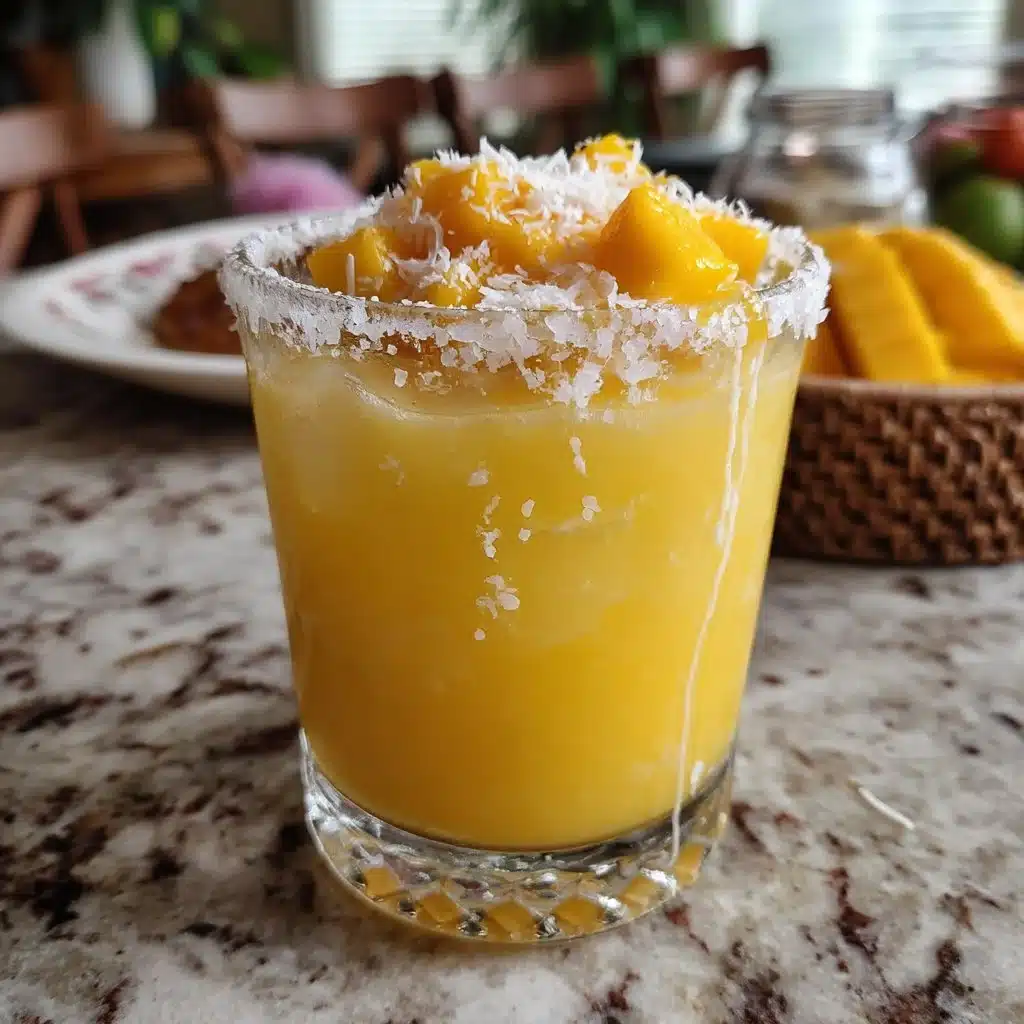
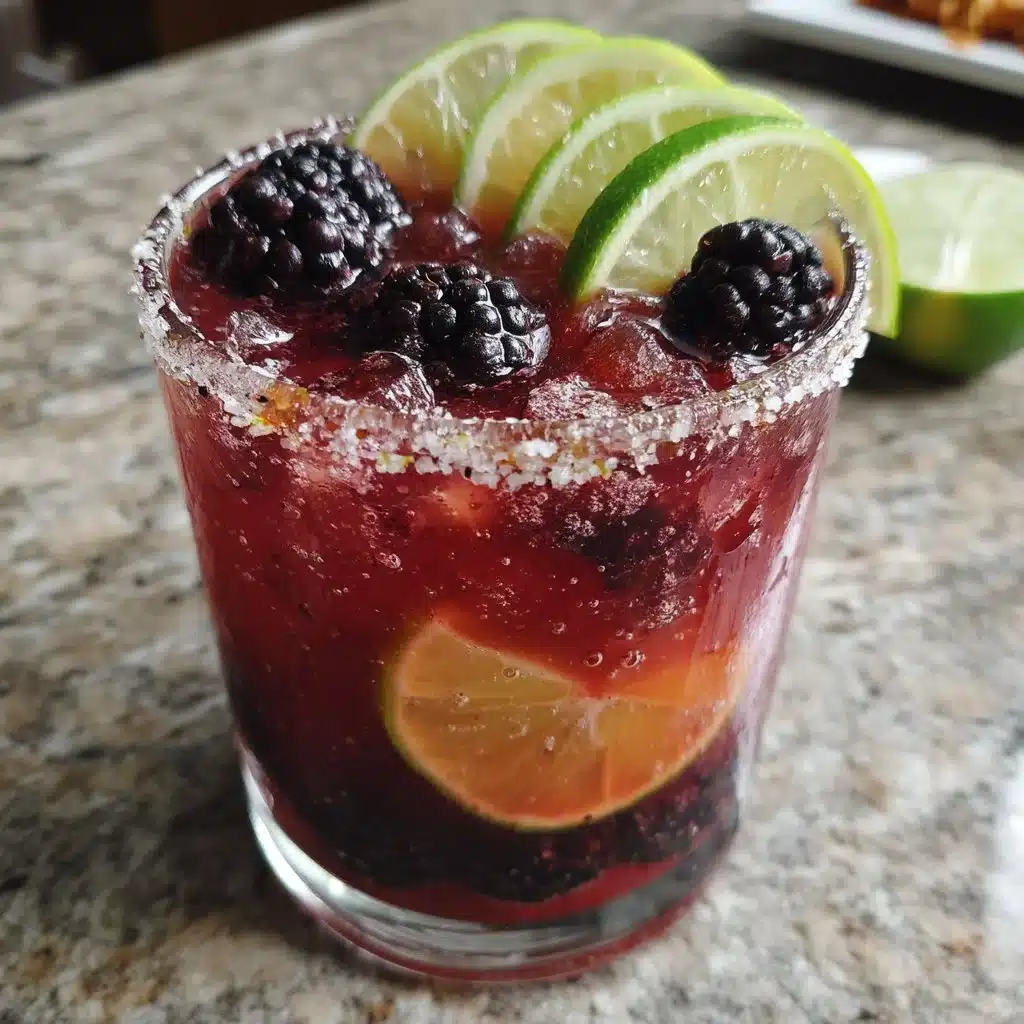
Summer evenings smell like cut grass and sun-warmed concrete. A tall glass of something bright and cooling transforms those sticky, slow hours into little celebrations of simple pleasures. Mango and pineapple together taste like a vacation you can pour: sweet, tangy, and impossibly fresh. That’s the feeling I chase with this Mango Pineapple Fresh Water — easy, unfussy, and made from whole fruit and plain water. You don’t need a lot of fancy gear, just a good blender, a sieve if you like silkier drinks, and a few minutes to pull something lovely together for family or friends.
Serve it at a backyard grillout, pour it for kids after a swim, or keep a pitcher in the fridge for an effortless, healthy sip all week. The lime brightens the sweet fruit, and a smidge of sugar helps round the flavors without masking them. Fresh mint lifts the aroma and makes each glass feel a little more special. I love how versatile this drink is: tone down the sugar for toddler-friendly sips, or spike a glass with rum for a porch-friendly cocktail. It removes decision fatigue — you’ll make this again because it’s reliable, fast, and satisfying.
At DishGrub we test every recipe until it feels like something you could make on a Tuesday night between homework and bedtime. We focus on cozy comfort food and easy weekday wins that don’t require a long shopping list. Our recipes favor approachable techniques, practical tips, and flavors that please a crowd. This Mango Pineapple Fresh Water follows that philosophy: it uses pantry basics, short prep time, and simple variations so you can tailor it to your family’s tastes. We write for home cooks who want dependable, delicious food that fits everyday life.
Why this recipe stands out
This Mango Pineapple Fresh Water stands out because it highlights ripe fruit instead of relying on syrups or powders. When mangoes ripen, they release natural sugars and floral notes that pair beautifully with pineapple’s tart brightness. The lime juice wakes up both fruits and keeps the sweetness from feeling flat. Blending with part of the water preserves an intense fruit flavor while adding the remaining water balances body and refreshment so you end with a drink that’s lively but not syrupy.
Straining remains optional, which makes this recipe forgiving. Leave the pulp in for a rustic texture that carries more fiber and a fuller mouthfeel. Strain it for a silky finish that sits lighter on the palate. The small amount of sugar acts as a flavor amplifier — you can use honey, agave, or omit it entirely if your mangoes are ultra-sweet. This recipe adapts to the season and to the fruit you can find, which is why it works so well year-round.
How to prepare Mango Pineapple Fresh Water
Start with the freshest fruit you can find. For mangoes, look for fruit that gives slightly to the touch and smells sweet at the stem end. For pineapple, check for golden color and a fragrant, tropical aroma. Prepare fruit by peeling and dicing the mangoes and chopping the pineapple into small pieces for easy blending.
Use a high-speed blender to get a very smooth base quickly. Add half the water first; this helps the fruit move and blend evenly without overheating the blades. After you blend, taste the puree before you dilute it. Good ripe fruit often needs little to no added sugar. If you do add sugar, dissolve it into the remaining water first so it blends evenly without leaving grit. Chill the final drink for an hour or two to let flavors meld, or serve immediately over ice for instant refreshment. If you plan to serve for a group, make it ahead and keep it chilled in the refrigerator so you can refill glasses as people gather.
Ingredients
- 2 ripe mangoes, peeled and diced
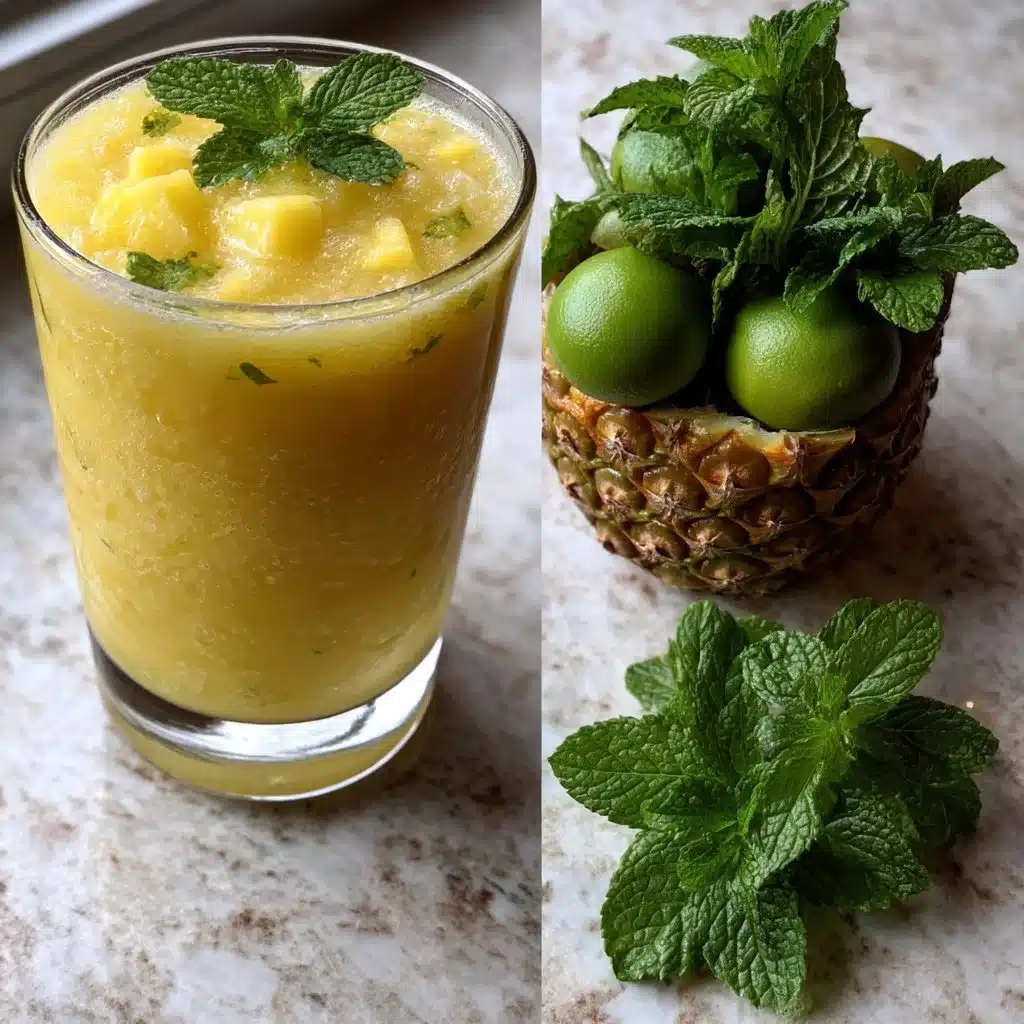
- 2 cups fresh pineapple, chopped
- 4 cups water
- 1/4 cup sugar (or to taste)
- Juice of 1 lime
- Mint leaves (for garnish)
Instructions
-
In a blender, combine the mangoes, pineapple, and 2 cups of water. Blend until smooth.
-
Strain the mixture through a fine mesh sieve into a pitcher to remove the pulp (optional).
-
Add the remaining 2 cups of water, sugar, and lime juice to the pitcher. Stir to combine.
-
Taste and adjust sweetness if necessary.
-
Serve chilled over ice, garnished with mint leaves.
How to serve this dish
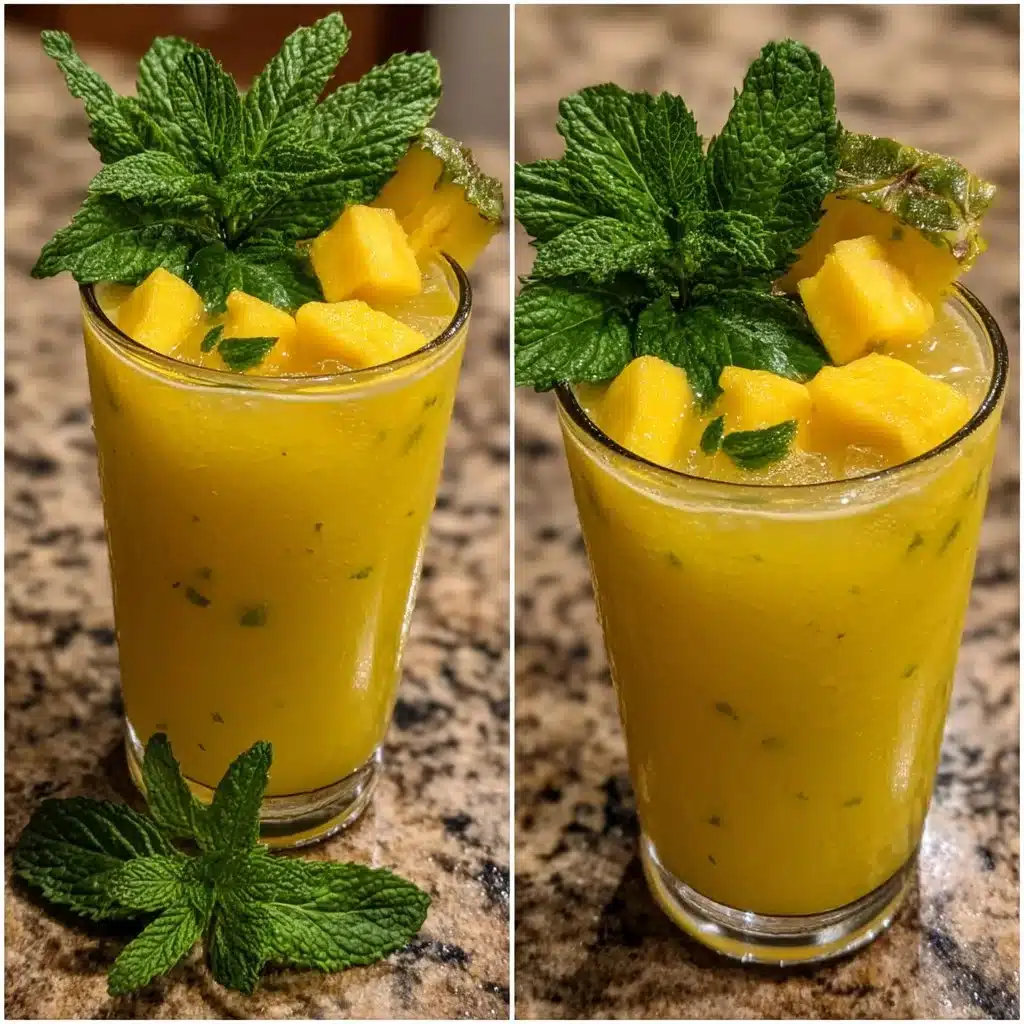
Serve Mango Pineapple Fresh Water in tall, chilled glasses to keep it cold longer and highlight the color. Add a handful of ice and tuck a sprig of mint into each glass for aroma and visual appeal. For a casual gathering, place a pitcher on the table with a tray of lime wedges and extra mint so guests can customize their own cup. Pair it with spicy dishes like grilled chicken or tacos — the sweetness cools heat and cleanses the palate between bites.
For brunch, present it alongside pancakes, yogurt bowls, or a fresh fruit salad. To make it feel more adult, float thin slices of cucumber or a few raspberries on the surface. For a boozy option, mix in a splash of light rum or tequila to individual glasses; add sparkling water for a spritzed version that tastes like summer in a glass. Keep the presentation simple: clear glass, fresh garnishes, and a neat pitcher give it a homey but thoughtful look.
How to store it properly
Store the fresh water in a covered pitcher or airtight container in the refrigerator. It will stay bright and flavorful for up to 48 hours. Over time the fruit will settle and separate; stir or shake gently before serving to recombine the flavors. If you strained the drink, it will look clearer and keep a little longer, but still plan to consume it within two days for the best taste.
Freeze any leftovers in ice cube trays to use later in smoothies or to chill drinks without diluting them. If you expect to keep the beverage longer than two days, consider holding the blended puree frozen and diluting with fresh water and lime when you plan to serve. Avoid leaving the pitcher out at room temperature for more than two hours, especially in hot weather, to prevent fermentation or spoilage.
DishGrub Kitchen Tips
Ripe fruit makes this drink shine. If your mangoes are too firm, ripen them at room temperature for a day or two. Speed ripening by placing mangoes in a brown paper bag with an apple or banana to concentrate ethylene gas. Choose pineapple with a golden hue and fragrant stem end; if corky or sour, skip it and use frozen chunks instead.
When blending, pulse first to break large pieces, then blend on high until smooth. If your blender struggles, add a little more water and work in batches. To dissolve sugar quickly, warm the 2 cups of water slightly and stir in sugar before combining with the fruit puree — cool that water before adding if you want the drink chilled right away. For a silky finish, press the blended mix through a fine mesh sieve using a spatula to coax out every drop.
Make it your own
Swap sweeteners to match your pantry: honey, agave nectar, or maple syrup all work. Use less sugar and increase lime if you prefer tartness. Add a handful of fresh basil instead of mint for an herbal twist that pairs surprisingly well with mango. For a creamier version, stir in a splash of coconut milk after blending to echo tropical flavors and create a smoothie-like texture.
If fresh fruit feels expensive or out of season, use frozen mango and pineapple in a 1:1 ratio and reduce the water by about half when blending to maintain flavor intensity. For a sparkling version, replace half the water with chilled club soda just before serving to keep fizz. Turn this drink into a mocktail by muddling berries or cucumber at the bottom of the glass before adding the fresh water.
Frequently asked questions
Q: Can I make this recipe with frozen fruit instead of fresh?
A: Yes. Use frozen mango and pineapple in equal measure if fresh fruit isn’t available. Reduce the initial water by about half while blending since frozen fruit releases less liquid as it breaks down. Blend until smooth and then dilute with the remaining water to achieve the desired consistency. Using frozen fruit gives the drink a thicker, colder texture that works well as a slushy alternative.
Q: Do I have to strain the puree?
A: No, straining is optional. Leaving the pulp adds fiber and gives the drink a fuller body, which some people enjoy, especially children. Strain if you prefer a smooth, café-style beverage or if you plan to serve to guests who expect a cleaner presentation. If you strain, press the pulp in the sieve with the back of a spoon to extract as much juice as possible.
Q: How can I adjust the sweetness for kids or diabetics?
A: Taste the fruit puree before adding sugar. Ripe mangoes and pineapple often provide enough natural sweetness for a child-friendly drink without added sugar. If you need to reduce sugar for dietary reasons, skip the sugar altogether or use a small amount of a calorie-free sweetener that dissolves well. Increase the lime slightly to balance the flavors if you remove sweeteners.
Q: Can I turn this into a cocktail or mocktail easily?
A: Yes. For an adult cocktail, add 1 to 1.5 ounces of light rum, tequila, or vodka per serving and stir gently. For a long drink, add a splash of soda water for sparkle. For a nonalcoholic mocktail, muddle cucumber or fresh berries in the glass before pouring and top with sparkling water for effervescence.
Conclusion
For more variations and a slightly different take on this tropical refresher, check out the Mango Pineapple Agua Fresca Recipe for extra ideas and inspiration.