I remember the summer my neighbor brought a bowl of vibrant, jewel-toned sorbet to the block party. People hovered at the picnic table like it held something precious: children with sticky fingers, parents trying to balance paper plates, and grandparents smiling like they’d found a piece of childhood. The sorbet tasted like sunshine — bright mango, sweet strawberry, and a whisper of lime — and it managed something rare: it made everyone pause and savor the moment. That bowl became a small ritual that season. We started leaving extra spoons at the table, and people began bringing back stories with every scoop. Simple food often does the heavy lifting when it comes to togetherness. A single frozen dessert can turn a hot afternoon into a memory that lingers.
Comfort food doesn’t have to be heavy to be comforting. This sorbet proves that light, fresh ingredients can deliver big feelings. It’s forgiving to make, which means even the person who terrorizes the kitchen can step up and look like a hero. Use ripe fruit, measure sugar according to how sweet the fruit already is, and don’t be afraid to taste as you go. I’ve swapped seasonal berries and citrus a dozen ways, and every version brings its own mood. When you serve sorbet, you give people a tiny chilled pause — a breath between courses or a cool capstone to a backyard meal.
DishGrub tests recipes with busy home cooks in mind, so this Mango Strawberry Sorbet recipe grew out of practical trial and error. We kept the ingredients list short and the method straightforward so you can make an elegant dessert without specialty equipment. If you have a blender or food processor and a shallow dish, you have everything you need. DishGrub’s team tried variations with frozen fruit, different sweeteners, and those little tweaks that save time without sacrificing flavor. We aim for cozy, reliable recipes you’ll reach for when you want food that comforts and connects. If you like fruity desserts, you might also enjoy our take on a smoothie that shares some of the same bright, fruity notes in a drinkable form — try this strawberry banana smoothie recipe for a quick companion treat.
Why this recipe works
This sorbet balances three things: intense fruit flavor, just enough sweetness, and a texture that stays scoopable. Mango provides a lush, creamy base while strawberry adds acidity and complexity, so you don’t need a lot of sugar to get a satisfying dessert. The small amount of water helps the blender run smoothly and lets you adjust the final texture. Freezing the mixture in a shallow dish rather than a deep container speeds up freezing and reduces large ice crystals; stirring a couple times as it sets keeps the texture smooth. You don’t need an ice cream maker to get clean, bright flavor and a pleasant mouthfeel — just ripe fruit and a little patience.
How to prepare Mango Strawberry Sorbet
Ingredients
- 2 ripe mangoes, peeled and diced (about 2 cups)
- 2 cups fresh strawberries, hulled and sliced
- 1 cup sugar (adjust based on sweetness preference)
- 1/2 cup water
- 2 tablespoons fresh lime juice (optional, for added brightness)
Instructions
- Peel and dice the mangoes into small pieces and hull and slice the strawberries.
- In a blender or food processor, combine mangoes, strawberries, sugar, water, and lime juice (if using).
- Blend until smooth and creamy.
- Taste the mixture and adjust sweetness or lime juice as needed, then blend again briefly.
- Pour the mixture into a shallow freezer-safe dish, cover airtight, and freeze for 4-6 hours or until solid.
- Stir every couple of hours to break ice crystals for best texture.
Serving ideas
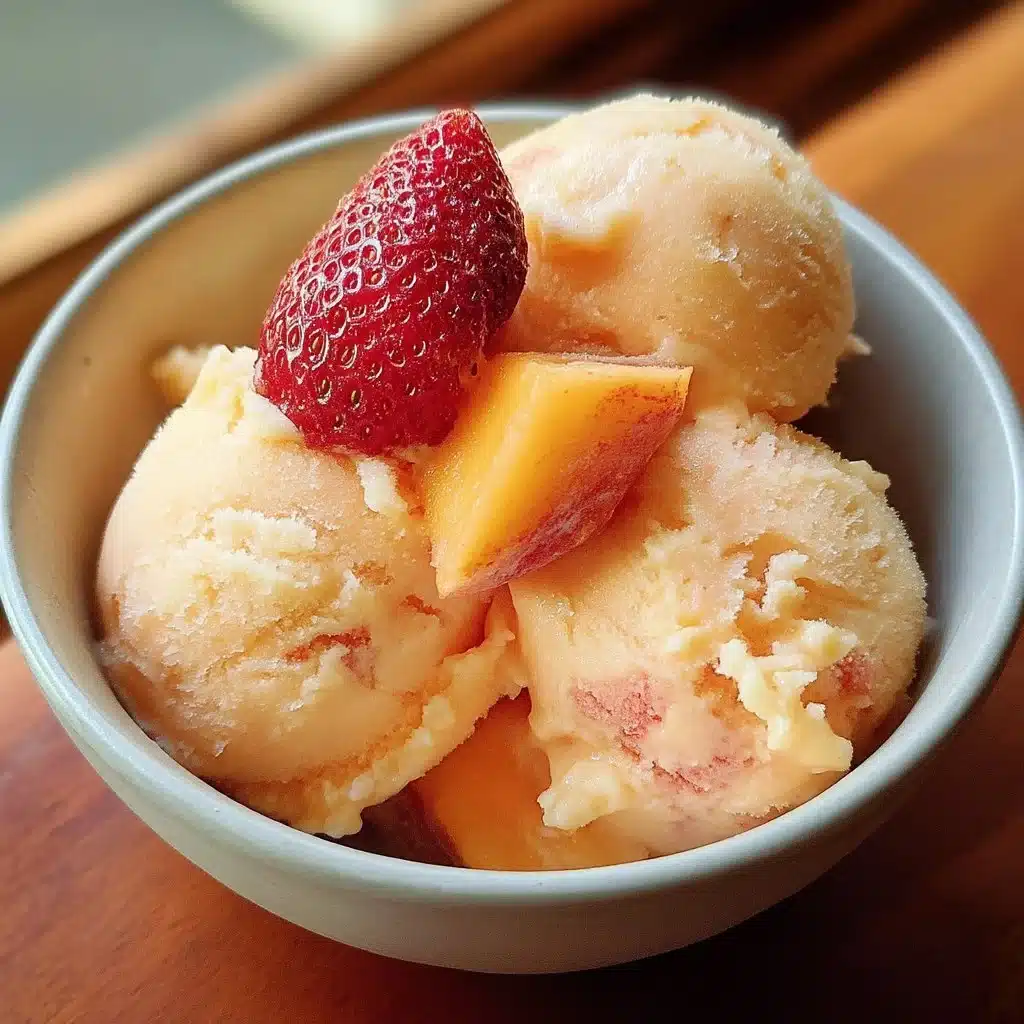
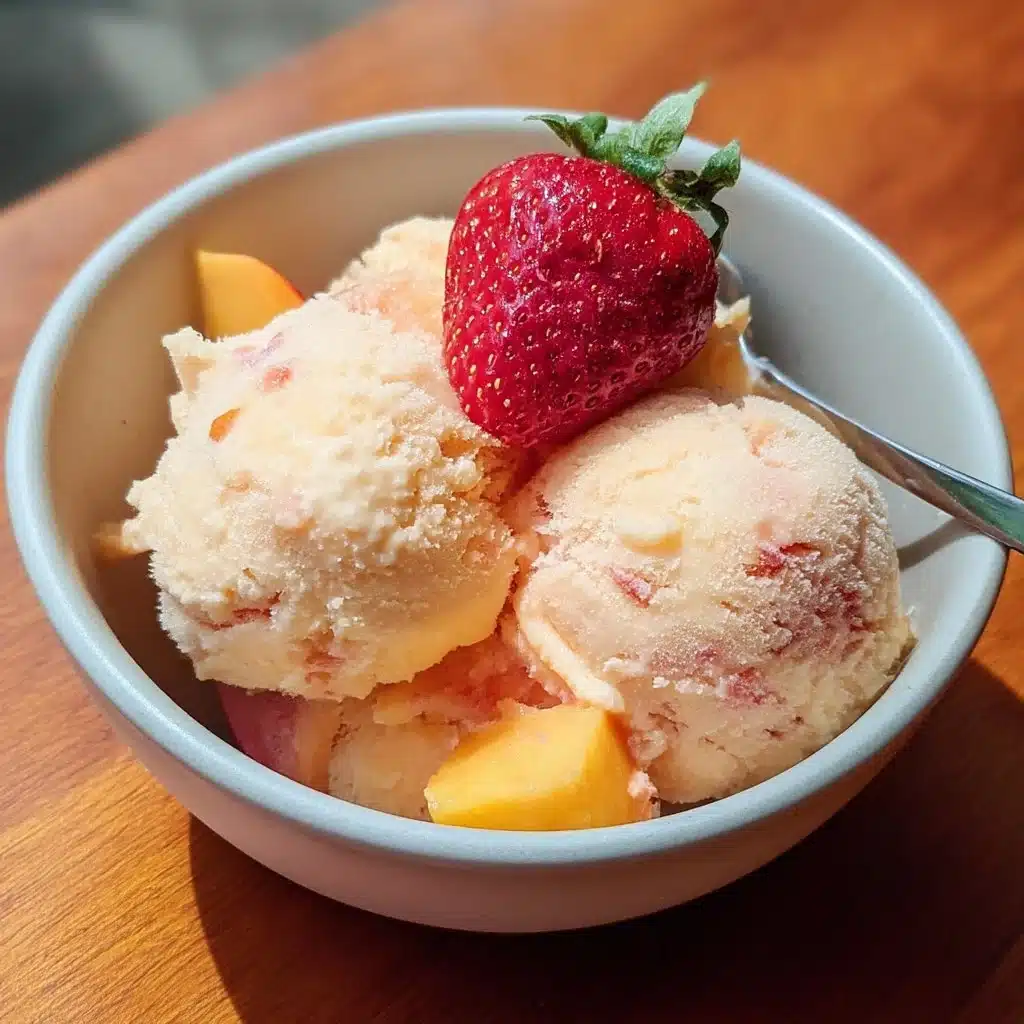
Serve this sorbet in bowls or pretty glasses for an effortless dessert. A simple garnish of thinly sliced strawberry or a small mango wedge makes it feel special without fuss. For a grown-up touch, spoon a small scoop into individual glasses and finish with a splash of chilled sparkling wine or prosecco for a light granita-style float. If you want to stretch a serving, pair a small scoop with plain yogurt or a dollop of whipped cream; the creamy element contrasts nicely with the bright fruit and makes the dessert feel more substantial.
For a casual crowd, set the sorbet in a shallow bowl with a small stack of spoons next to it and let people serve themselves. It also plays well alongside spicy or richly flavored mains because the fruit cleanses the palate. Serve it after grilled chicken tacos, barbecue skewers, or a rich pasta; the acidity and sweetness balance heavier flavors and refresh the palate for conversation that continues long after the plates are cleared.
How to keep leftovers
If you plan to keep sorbet longer than a day, store it properly to preserve texture and flavor. Transfer the sorbet to a shallow, airtight container and press a piece of parchment or plastic wrap directly onto the surface before sealing; this reduces the formation of ice crystals. Keep it in the coldest part of the freezer, not the door, to prevent temperature fluctuations. When you scoop directly from the container, let the sorbet sit at room temperature for 3–5 minutes to soften slightly so you can scoop cleanly. Leftover sorbet maintains good flavor for about two weeks when stored well, though the texture will slowly become firmer and slightly icier over time.
DishGrub Kitchen Tips
- Choose ripe, fragrant mangoes. A ripe mango yields a sweet, floral base that lets you reduce sugar. Press gently near the stem; it should give slightly.
- Taste before freezing. Always taste the blended mix and tweak sugar or lime juice while it’s fresh and liquid. You can always add more acid for brightness but you can’t remove it once frozen.
- Use a shallow pan for faster chilling. A 9×13 or similar shallow dish freezes faster and produces a finer texture than a tall container.
- Stir as it freezes. Every couple hours, scrape and stir the partially frozen edges toward the center to break ice crystals and keep the sorbet scoopable.
- Try quick-freeze tricks. If your freezer has a fast-freeze compartment, use it for the first hour to set the sorbet quickly; then move it to regular cold.
- Pair with matching flavors. For a uniform fruity menu, offer a small glass of our take on a creamy fruit drink alongside the sorbet; the flavors echo each other well — try this strawberry banana smoothie recipe if you want a quick pairing.
Recipe variations
Swap sweeteners: For a less refined option, replace white sugar with honey or maple syrup, but reduce the liquid slightly since those sweeteners add moisture. Use about 3/4 cup to start and taste.
Use frozen fruit: If fresh mango or strawberries aren’t available, use frozen fruit. Thaw slightly and reduce the water to avoid a watery sorbet. Blending frozen fruit will give you a thicker, almost soft-serve consistency that freezes nicely.
Add herbs: Toss in a handful of fresh basil or mint for an herbal lift. Blend the herbs with the fruit for a clean, garden-fresh flavor.
Make a triple-fruit version: Add 1 cup of pineapple or peach for a tropical twist. Cut back a bit on sugar if using sweet ripe peaches.
Citrus twist: Substitute or add a tablespoon of fresh orange juice with the lime for a different brightness.
Alcohol option: Add one to two tablespoons of light rum, vodka, or Cointreau after blending for a softer, scoopable texture and a grown-up finish. Alcohol lowers freezing point, so add sparingly.
Common questions
Q: Can I make this sorbet with a blender if I don’t have a food processor?
A: Yes. Most high-speed blenders handle fruit and sugar easily. Blend in batches if your blender jar is small, and pulse to check texture. If the mixture seems too thick for the blades, add a splash more water, blend until smooth, and then transfer to your shallow dish. A blender often yields a silkier texture than a food processor because it fully emulsifies the sugar and fruit.
Q: How do I sweeten sorbet without using refined sugar?
A: You can substitute maple syrup, honey, or agave in place of white sugar. Start with about 3/4 cup of liquid sweetener and taste the blended mix before freezing; adjust if needed. Keep in mind that liquid sweeteners add moisture and can slightly alter freezing texture, so freeze times may vary. For a lower-sugar option, use ripe fruit and reduce the sweetener by half; the natural sugars will still shine through.
Q: Will the sorbet get icy if I freeze it longer than recommended?
A: Over time, any homemade sorbet will develop some ice crystals as moisture migrates and temperatures fluctuate. You can minimize iciness by pressing plastic wrap onto the sorbet’s surface before sealing, using a shallow container for faster freeze, and storing it in the coldest part of your freezer. When you serve, let it sit at room temperature for a few minutes and then stir or break up the surface to restore a smoother texture.
Q: Can I make this sorbet ahead for a party?
A: Definitely. Make it a day ahead for the best texture. If you want to prepare even earlier, freeze in individual portions for about two weeks and thaw slightly before serving. For a party presentation, freeze in small scoops inside silicone molds or chilled metal bowls, then unmold and perch each scoop on a dessert plate with a cookie or crisp wafer.
Q: How do I adjust the recipe for tart strawberries or not-quite-ripe mangoes?
A: If your strawberries taste tart, increase the sugar by small increments and add a splash more lime or lemon to balance acidity. For underripe mangoes, add a touch more sugar and consider a small splash of orange juice to round out flavor. Always taste before freezing — it’s easier to correct the liquid mix than the frozen result.
Conclusion
If you’d like another blender-based take on this bright combination, check out this quick berry mango sorbet for a similar, speedy approach: Strawberry Mango Sorbet in the Blender – Perchance to Cook.