Warm kitchens have a way of turning simple ingredients into something that feels like home. A pan of golden-roasted cauliflower, scented with maple and bright turmeric, can anchor a weeknight dinner, appear on a potluck table, or simply sit on the counter while family members graze and chat. This recipe brings that cozy, approachable energy to your table with minimal fuss and maximum flavor.
When the weather cools or you want a dish that says “I care” without complicated steps, this Maple Turmeric Cauliflower Salad fits the bill. It pairs the warmth of turmeric with the sweet whisper of maple syrup and the bright finish of lemon, so every bite tastes balanced and intentional. Share it beside roasted chicken, tuck it into grain bowls, or offer it as a colorful, vegetarian side that still feels hearty. For another easy cauliflower crowd-pleaser, try our Buffalo Cauliflower Bites for a spicy contrast that’s perfect for game day or casual dinners.
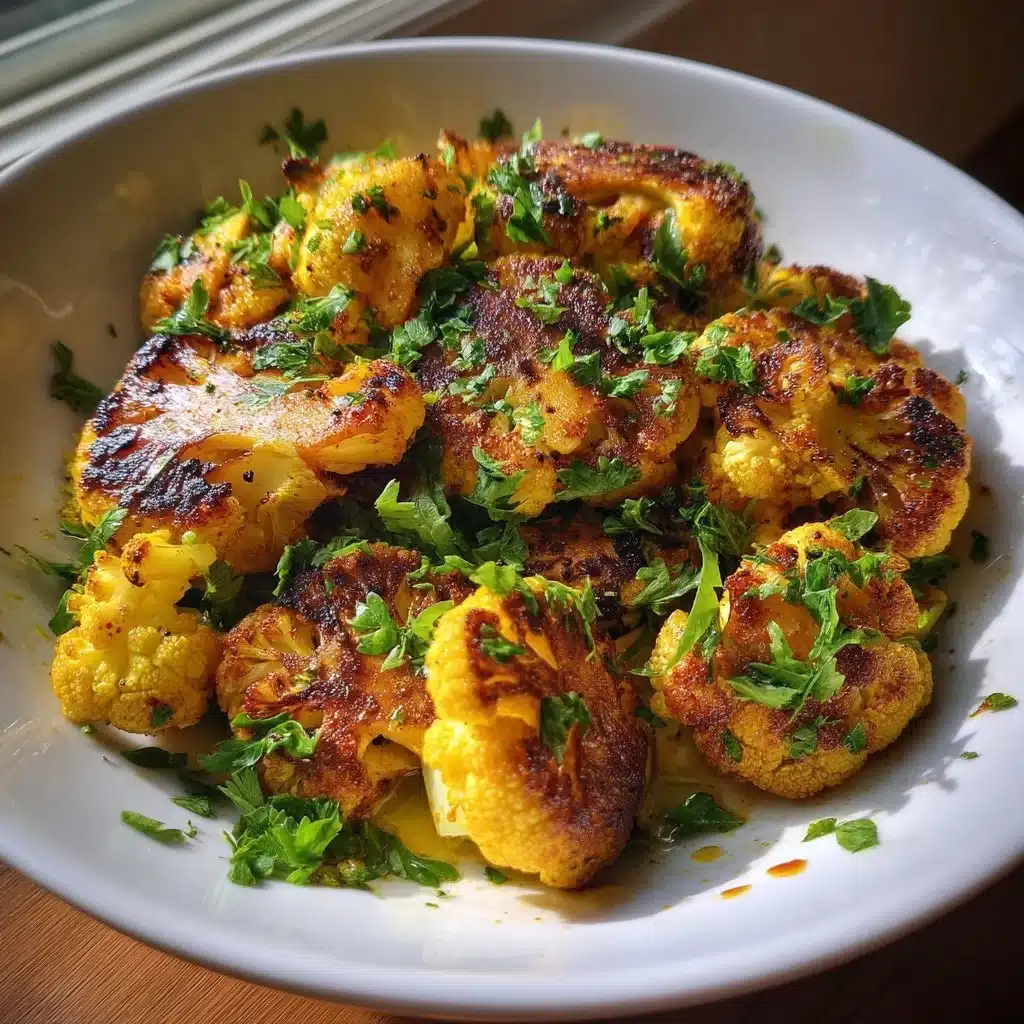
At DishGrub we test recipes until they feel effortless and reliable in a real home kitchen. We focus on comfort food that stays practical—simple ingredients, straightforward methods, and tips you can use on repeat. Our goal with dishes like this salad remains the same: deliver recipes that make weeknights calmer and weekend gatherings cozier. We design steps so you spend less time guessing and more time enjoying food with the people you love. This Maple Turmeric Cauliflower Salad grew from a few experiments with roasting times and seasoning ratios; we landed on a version that crisps at the edges, stays tender inside, and tastes lively with just a squeeze of lemon and a sprinkle of parsley.
Why this recipe stands out
This recipe stands out because it balances comfort and lift. Roasting caramelizes the cauliflower’s natural sugars, creating brown, nutty edges that echo the maple’s gentle sweetness. Turmeric adds color and a mild earthiness without overwhelming the palate. A quick toss with olive oil ensures each floret gets coated and roasts evenly, while the lemon at the end brightens everything so the dish never feels heavy.
You’ll also find that this salad works across many situations: serve it warm with a grain and protein for a full meal, cool it and pack it for lunches, or present it on a platter alongside dips at a gathering. If you want a spicy alternative or a couch-friendly snack, branch off to our Buffalo Cauliflower Bites—they show how versatile roasted cauliflower can be. The simple ingredient list keeps shopping and prep easy, and the oven does the heavy lifting so you can focus on other components of the meal.
How to prepare Maple Turmeric Cauliflower Salad
This recipe relies on a brief prep and a single roasting step that delivers maximum flavor with minimal fuss. Choose a medium head of cauliflower, cut into uniform florets so everything cooks evenly. Tossing by hand ensures oil and seasonings coat each piece; if you prefer, use a large zip-top bag for less cleanup. Give the cauliflower space on the baking sheet—a crowded pan steams vegetables instead of roasting them, so work in batches if needed.
Roast at a moderately high temperature so the edges become golden and slightly crisp while the centers remain tender. Remove the pan as soon as the florets pierce easily with a fork; a few more minutes on the sheet will deepen color without drying the cauliflower. Finish with fresh lemon juice to add lift and a scattering of parsley for a fresh, bright look. If you like texture contrast, add toasted nuts or seeds just before serving.
Ingredients
- 1 head cauliflower, cut into florets
- 2 tablespoons olive oil
- 1 tablespoon maple syrup
- 1 teaspoon turmeric powder
- Salt and pepper, to taste
- Fresh parsley, chopped (for garnish)
- Juice of 1 lemon
Instructions
- Preheat the oven to 400°F (200°C).
- Cut the cauliflower into uniform florets and place them in a large bowl.
- Add the olive oil to the bowl.
- Add the maple syrup to the bowl.
- Add the turmeric powder to the bowl.
- Season with salt and pepper to taste.
- Toss the cauliflower until each floret gets an even coating.
- Spread the cauliflower on a baking sheet in a single layer.
- Roast the cauliflower for 25 to 30 minutes until golden and tender.
- Remove the baking sheet from the oven.
- Drizzle the roasted cauliflower with lemon juice.
- Garnish with chopped parsley before serving.
How to serve this dish
Serve this roasted cauliflower warm to highlight its toasted edges and fresh lemon brightness. Plate it as a side beneath a roasted chicken or alongside pan-seared salmon. Make a grain bowl with warm quinoa or brown rice, add a handful of greens, spoon on the cauliflower, and finish with a drizzle of yogurt or tahini for creaminess. For a lighter meal, place the cauliflower over mixed greens and add crumbled feta or toasted chickpeas for protein.
At casual gatherings, transfer the florets to a wide platter and offer lemon wedges and chopped parsley at the side so guests can customize. You can also fold it into a warm pasta salad with spinach and toasted pine nuts for a comforting twist. The dish pairs well with mildly spiced mains, grilled vegetables, or even as a filling for wraps and pita pockets.
How to keep leftovers
Cool the cauliflower to room temperature before storing to prevent sogginess. Transfer leftovers to an airtight container and refrigerate for up to four days. Reheat gently in a hot skillet over medium heat to revive some of the roasted texture; use a splash of olive oil and toss until edges crisp again. Avoid microwaving if you want to keep the texture, because the microwave can steam the florets and soften the edges.
If you plan to keep the cauliflower longer, freeze cooked florets on a baking sheet in a single layer until solid, then move them to a freezer-safe bag for up to three months. Reheat from frozen in a 400°F oven on a rimmed sheet until heated through and slightly crisped, about 15 to 20 minutes.
DishGrub Kitchen Tips
Choose a firm head of cauliflower with tight florets for the best texture. Cut the florets into similar sizes so they roast at the same rate; use a paring knife or kitchen shears for control. When coating the florets, toss them by hand so you can feel if any pieces need more oil or seasoning. Line the baking sheet with parchment for easy cleanup and to prevent sticking, but make sure you still give the cauliflower space to breathe.
If you want deeper color, slide the pan onto the top rack of the oven for the last five minutes, keeping a close eye so nothing burns. Add the lemon juice only after roasting; the acid brightens the finished dish and preserves the roasted flavor. For extra aroma, grate a little lemon zest over the hot cauliflower right before serving. These small adjustments help this simple recipe feel intentional and restaurant-worthy without adding time or complexity.
Make it your own
Turn this salad into a heartier main or a textured side with a few tweaks. Fold in roasted chickpeas or toasted walnuts for crunch and protein. Stir in a spoonful of tahini and a splash of water for a light, nutty dressing that echoes the maple’s sweetness. Swap maple syrup for honey if you prefer, or add a pinch of smoked paprika or cumin along with the turmeric for a deeper savory note.
For a bright herb change, swap parsley for cilantro or dill depending on the cuisine you lean toward. Add dried cranberries or chopped apple for a sweet contrast during fall and winter. If you love heat, finish with a sprinkle of red pepper flakes or a drizzle of harissa oil. These variations keep the core technique the same while letting you customize flavor profiles to match the meal.

Frequently asked questions
Q: Can I make this recipe oil-free?
A: Yes. Replace the olive oil with a small amount of water or vegetable broth when tossing the florets. The cauliflower won’t brown as deeply without oil, so increase the roasting time slightly and watch for tender edges. You can also finish with a splash of high-quality extra-virgin olive oil at the end if you want some richness without heavy cooking oil.
Q: Will the maple syrup burn in the oven?
A: Maple syrup can caramelize at high heat, which adds flavor rather than a burnt taste when you use it sparingly. One tablespoon spread across a head of cauliflower provides a subtle sweetness that enhances browning. If you’re concerned about sticking or burning, toss the maple with the oil first so it disperses evenly, and place the cauliflower on parchment paper for easier cleanup.
Q: Can I use ground turmeric instead of fresh?
A: The recipe calls for turmeric powder, which works perfectly. If you mean turmeric root, you can grate a small amount into the oil, but powdered turmeric delivers the even color and mild flavor this dish needs. Keep turmeric to one teaspoon unless you prefer a stronger, slightly bitter edge; too much can dominate the other flavors.
Q: How do I get the florets extra crispy?
A: Roast the cauliflower in a single layer on a roomy baking sheet and avoid overcrowding. Use a hot oven (400°F) and let the florets develop color without stirring too often; turning halfway through cooking works well. For additional crunch, finish in a hot skillet for a minute or two or broil briefly while watching closely.
Conclusion
For another roasted cauliflower idea that brings maple into a creamy, tangy pairing, try this take on roasted cauliflower with tahini from Desiree Nielsen: Desiree Nielsen’s maple tahini roasted cauliflower.