Comfort food fills more than the stomach; it stitches a roomful of people together around a table. This one-pot pasta does that quietly and confidently: it simmers on the stove, smells like home, and lands on plates ten minutes later with minimal fuss. When weeknights run thin and you still want something warm, a bowl of tender pasta, bright tomatoes, and garlic-flavored broth gives a familiar hug. Everyone eats with less hurry and more ease, and clean up stays quick. Those small, uninterrupted moments—scooping pasta, passing the Parmesan, trading a story between bites—make this dish feel like an immediate family favorite.
I test recipes the way most home cooks test patience: hands-on and repeatable. At DishGrub we simplify comfort food so cooks spend less time fussing and more time sharing. We test homespun recipes in everyday kitchens, strip away complicated steps, and keep the flavors honest. The result: reliable, cozy dinners you can count on on a busy Tuesday or a slow Sunday. If you want a spin with taco flavors, try our one-pot taco pasta, which moves the same simple idea into a bolder, spiced lane.
Why this recipe works
This one-pot method uses the pasta’s cooking liquid as the backbone of the sauce, which saves time and reduces dishes. The vegetable broth and diced tomatoes provide enough liquid to cook the pasta and concentrate flavor as the water reduces. Garlic and diced onion build an aromatic base, while Italian seasoning creates a familiar, rounded profile with herbs you likely have. Using a single pan keeps starch in the pot so the sauce clings to the pasta naturally, producing a silky finish without extra cream or butter. You control texture by watching the final minutes: more reduction yields a stickier, saucier bite; less gives a looser, soupier bowl.
How to prepare One Pot Pasta
Start with room-temperature ingredients so the pot heats evenly. Use a wide, heavy-bottomed pan or shallow pot to allow even liquid evaporation and prevent a crowded, uneven cook. Keep the heat attentive—high enough to reach a boil, then low enough to simmer steadily. Stir occasionally to stop sticking and to free starch into the cooking liquid, which thickens the sauce. Taste in the last minutes so you hit the al dente window; pasta continues to absorb liquid off the heat, so remove it just shy of your preferred texture if you plan to rest it a minute before serving.
Ingredients
- 8 ounces pasta
- 2 cups vegetable broth
- 1 cup diced tomatoes
- 1 teaspoon garlic, minced
- 1 teaspoon onion, diced
- 1 teaspoon Italian seasoning
- Salt and pepper to taste
- Parmesan cheese (optional)
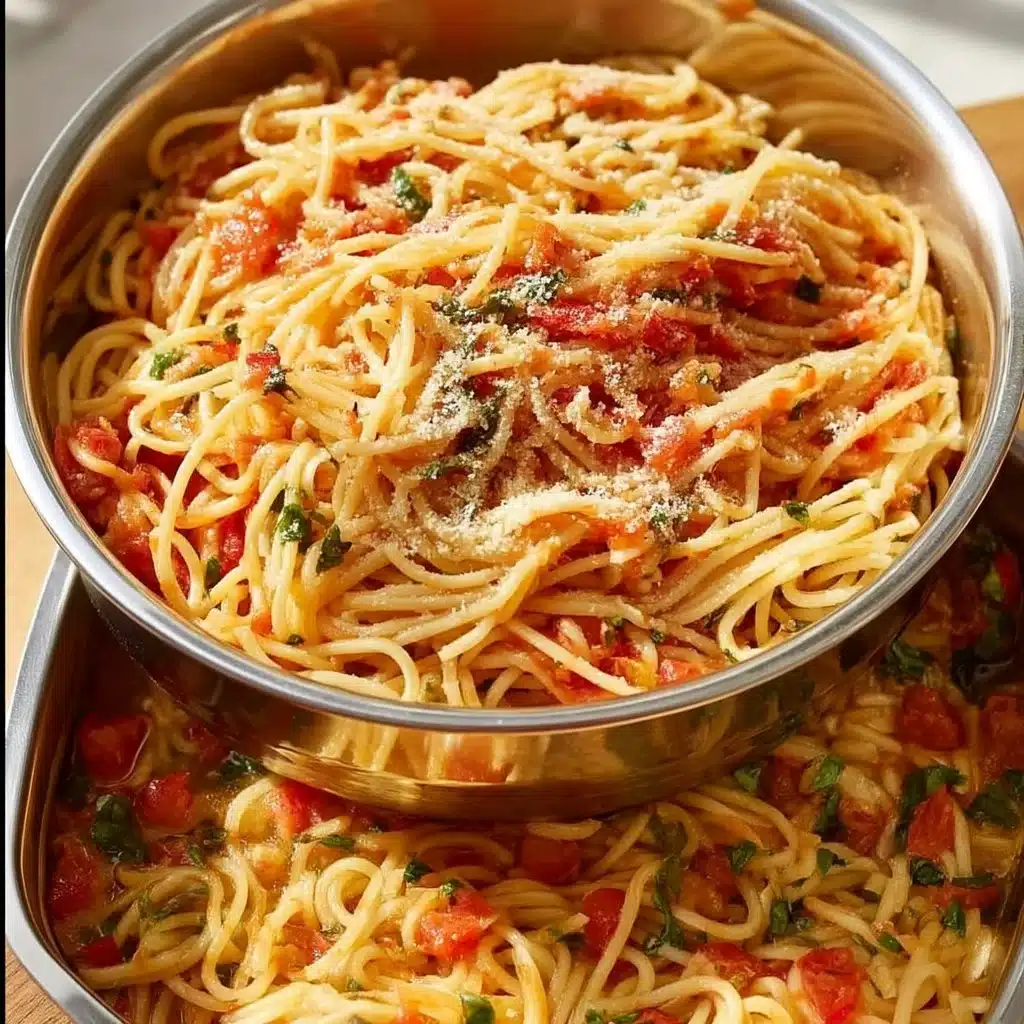
Instructions
-
Place a large pot or pan on the stove and add the pasta.
-
Pour in the vegetable broth.
-
Add the diced tomatoes to the pot.
-
Stir in the minced garlic.
-
Add the diced onion.
-
Sprinkle in the Italian seasoning.
-
Season with salt and pepper to taste.
-
Turn the heat to medium and bring the mixture to a boil.
-
Reduce the heat to a simmer once it reaches a boil.
-
Cook for about 10 to 12 minutes, stirring occasionally to prevent sticking.
-
Watch for the pasta to become al dente and for most of the liquid to evaporate.
-
Taste and adjust seasoning as needed.
-
Serve hot topped with Parmesan cheese if desired.
Serving ideas
Serve this pasta straight from the pot for a rustic presentation, or spoon it into shallow bowls for a family-style meal. Add a crisp green salad on the side and crusty bread to soak up any remaining sauce. Top the pasta with fresh basil or chopped parsley to add a bright contrast, or scatter toasted pine nuts for a crunchy finish. For protein, tuck in cooked rotisserie chicken, canned tuna, or sautéed shrimp right before serving so they warm through without overcooking. Pair the dish with a chilled white wine or a sparkling water with lemon to balance the richness.
How to keep leftovers
Cool leftovers quickly and refrigerate them within two hours of cooking. Transfer the pasta to an airtight container and press a piece of plastic wrap directly onto the surface to minimize air exposure and drying. Stored this way, it will keep for three to four days. Reheat gently on the stove over low heat with a splash of broth or water to loosen the sauce and revive the texture. Microwave reheating works too—stir every 30 seconds and add a teaspoon or two of liquid as needed. For longer storage, freeze individual portions in freezer-safe containers for up to two months; thaw overnight in the fridge before reheating.
DishGrub Kitchen Tips
Use pasta shapes that hold sauce—penne, fusilli, or campanelle work nicely because their nooks catch the tomatoes and garlic. Measure your broth carefully; too much will make the finish soupy and too little will leave the pasta dry. If you like a silkier finish, stir in a splash of cream, a knob of butter, or a generous handful of grated Parmesan off the heat. For a heartier version with meat and an even bolder flavor profile, you can adapt the method similar to our one-pot spaghetti and meatballs recipe, which shows how to brown protein and build sauce without adding extra pans.
Recipe variations
Make it vegetarian-friendly by adding diced bell peppers, sliced mushrooms, or a handful of spinach in the last two minutes of cooking. For a smoky twist, stir in a tablespoon of smoked paprika and top with crumbled bacon or diced chorizo. If you prefer a creamier texture, mix in half a cup of ricotta or a quarter cup of cream cheese right after you remove the pot from the heat. To brighten the dish, finish with a tablespoon of lemon juice or a teaspoon of zest. Swap Italian seasoning for a pinch of red pepper flakes and fresh oregano for a spicier, more herbal profile.
Common questions
What pasta shapes work best for one-pot cooking?
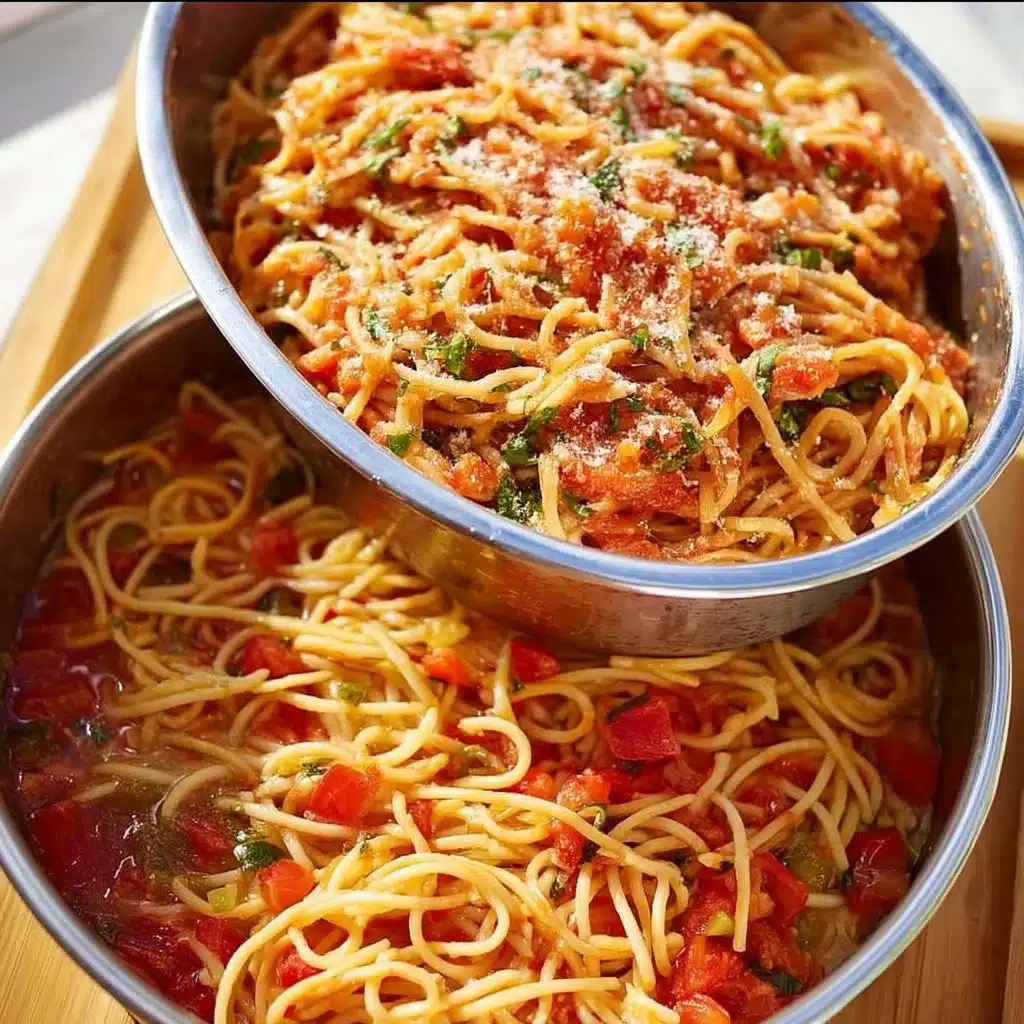
Short, sturdy shapes like penne, rigatoni, shells, or fusilli work best because they cook evenly and hold the tomato bits and sauce. Long shapes like spaghetti or linguine can work, but they need more careful stirring to prevent clumping and may require a little more liquid. Use a wide pot for long pasta so you can spread the strands and encourage even contact with the liquid.
Can I use chicken or beef broth instead of vegetable broth?
Yes. Chicken or beef broth adds more savory depth and pairs well if you plan to add proteins like browned sausage or shredded chicken. Adjust the salt since some broths contain added sodium; taste halfway through cooking and again at the end to avoid over-salting.
How do I prevent the pasta from sticking or clumping?
Stirring early and often helps the pasta move freely and releases starch into the liquid to form the sauce. Use a wide, heavy-bottomed pan that allows the liquid to reduce without crowding the pasta. Adding the right amount of liquid matters—enough to cover the pasta but not so much that it becomes a thin soup. If you use long pasta, push the strands into the liquid gradually as they soften to prevent a tangled mass.
Can I double or halve this recipe?
You can scale the recipe, but cook time may change slightly. When you double, use a wider pan and increase the liquid proportionally. Keep an eye on the pasta as it cooks; larger volumes can take longer to come to a boil and may need slight adjustments in simmer time. Halving is straightforward; it will cook a touch faster since there’s less mass to heat.
What leftovers reheat best and how do I avoid a gummy texture?
Leftovers reheat best when you add a splash of broth or water and warm them gently on low heat. Avoid reheating at very high temperatures, which can overcook the pasta and make it gummy. Stir while reheating and stop as soon as the pasta becomes tender and the sauce loosens.
Conclusion
For more one-pot pasta inspiration and a broader list of simple dinners you can make in a single pan, see 20 One-Pot Pasta Dinners for When You Just Can’t – Simply Recipes.