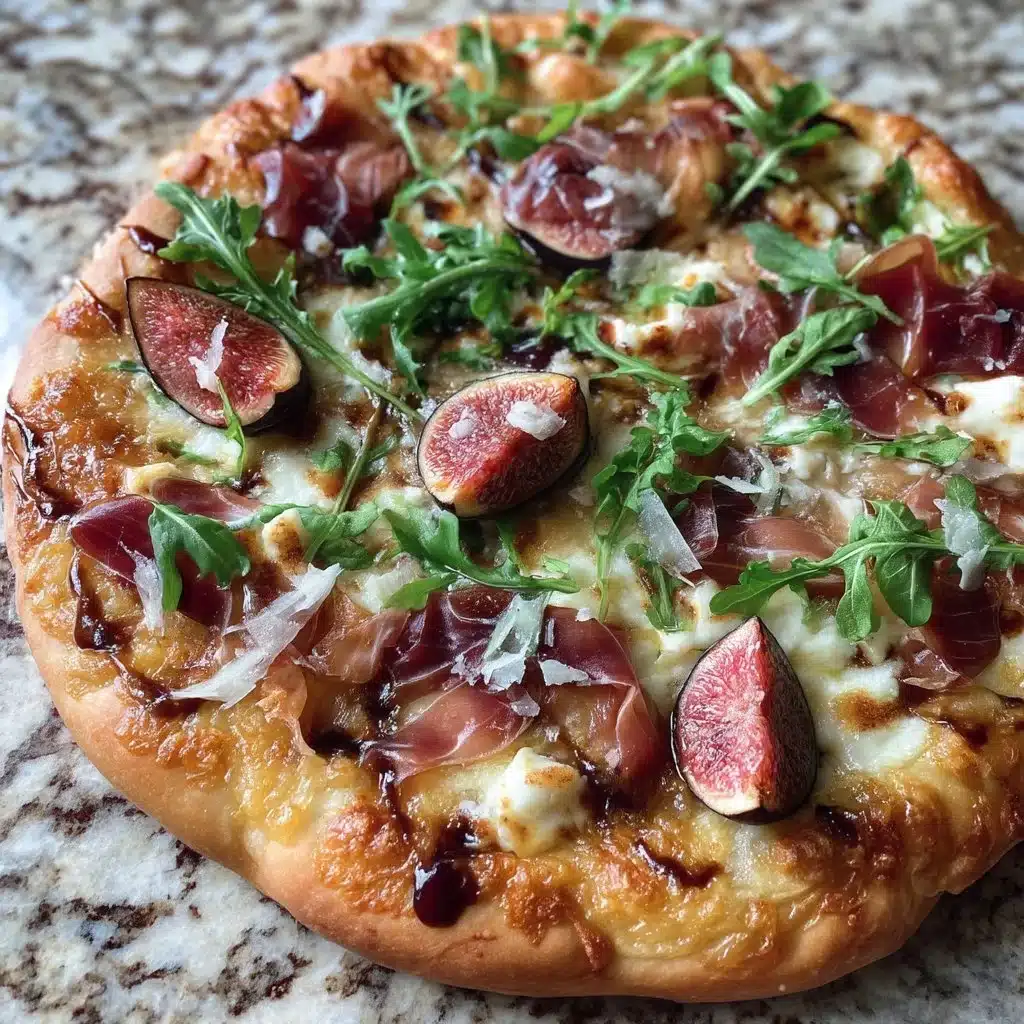
Food tastes like home when it brings people to the table and the conversation follows. A warm pie pulled from a hot oven makes awkward evenings easy and celebratory nights even brighter. When you slice into a pizza topped with sweet figs, silky prosciutto, tangy cheese and a peppery hit of arugula, you get more than dinner—you get a moment worth lingering over.
I lean on food like this when I want to feel rooted and generous without fuss. Prosciutto Fig Pizza checks both boxes: it looks special, but it comes together quickly, and it plays well with wine, salads or a simple side of roasted vegetables. I bring this pizza to potlucks and date nights alike; friends compliment the unusual combo and ask for the recipe, which I hand over with the kind of pride that comes from something tested and dependable.
At DishGrub, we aim to keep cozy cooking within reach. We test recipes until the timing, seasonings and basic techniques work for home kitchens across the country. You’ll find practical choices, sensible shortcuts and flavor-first approaches in every recipe we publish. If you want to try a playful presentation sometime, our heart-shaped pizza guide shows simple ways to dress up dough for celebrations without a lot of extra stress.
Why this recipe stands out
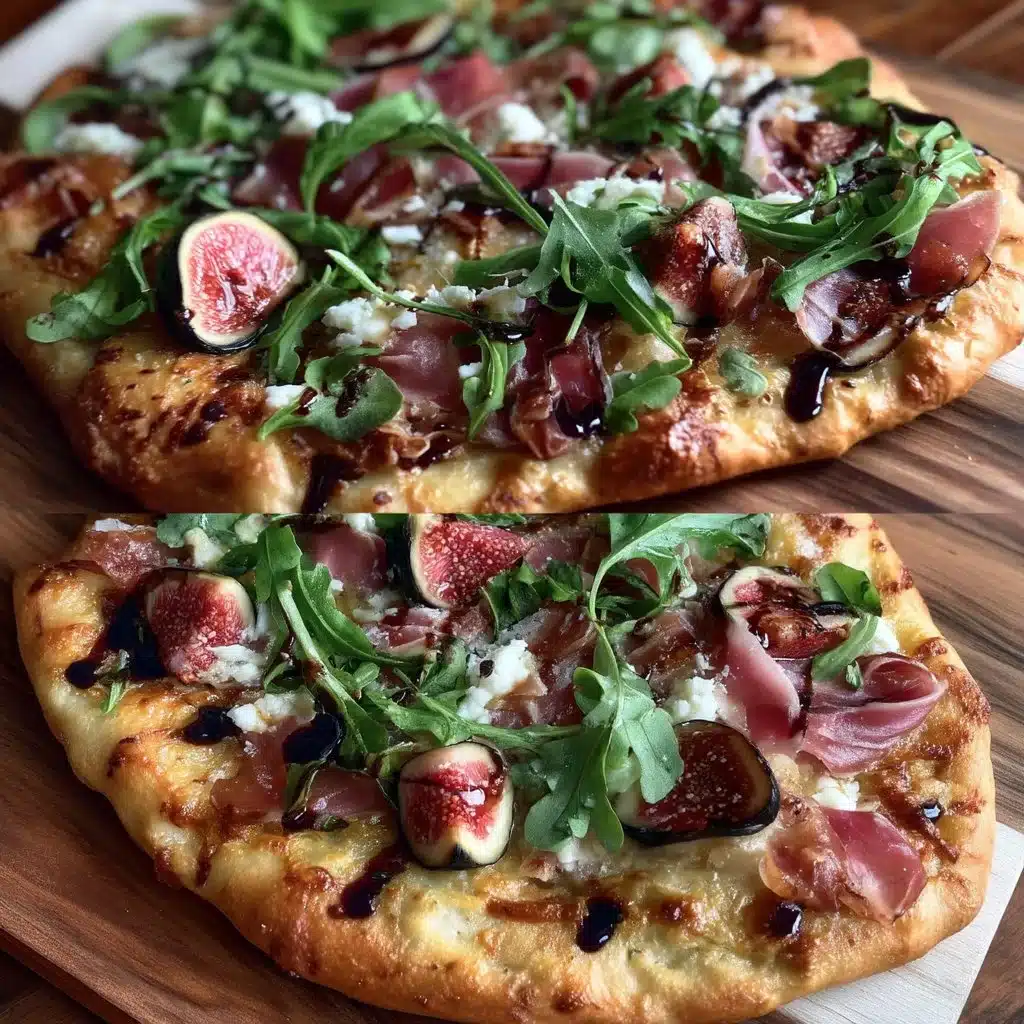
This pizza balances sweet, salty and peppery flavors in a way that feels upscale but requires no special skill. Fresh figs add honeyed sweetness and a tender bite that contrasts with the crisped edge of a hand-stretched crust. Prosciutto brings a cured, savory component that melts slightly into the warm cheese without overpowering the figs. Choosing between tangy goat cheese or milky mozzarella gives you control over the final texture and flavor: goat cheese adds creamy tartness, while mozzarella offers gooey, familiar comfort.
The balsamic glaze finishes the pizza with an acidic brightness that ties the topping flavors together and cuts through the richness. The fresh arugula adds a peppery lift and a textural contrast that keeps each slice lively. You can assemble this pizza in about 15 minutes and bake for the same amount of time, so it works beautifully for weeknight dinners, impromptu guests, or a relaxed weekend supper when you want to feel a little fancy without fuss.
Simple steps for Prosciutto Fig Pizza
This recipe follows straightforward, reliable steps so you can repeat it confidently. Start with a room-temperature dough for easy stretching. Use a hot oven to get the crust crisp quickly while keeping the toppings from drying out. Lay the figs and prosciutto carefully so each bite gets a balanced mix. Finish with arugula and balsamic glaze right after baking to preserve fresh texture and flavor.
If you prefer, prepare components ahead: slice figs, crumble or shred the cheese, and keep the prosciutto chilled until you bake. That small prep step saves time and makes this pizza feel like an assembly project rather than a rush.
Ingredients
- Pizza dough
- Olive oil
- Fresh figs, sliced
- Prosciutto, thinly sliced
- Goat cheese or mozzarella cheese, crumbled or shredded
- Balsamic glaze
- Fresh arugula
- Salt and pepper to taste
Instructions
- Preheat the oven to 475°F (245°C). Roll out the pizza dough on a floured surface to your desired thickness.
- Transfer the dough to a pizza stone or baking sheet. Brush with olive oil.
- Layer the sliced figs evenly over the dough.
- Add the prosciutto and cheese on top of the figs.
- Season with salt and pepper.
- Bake in the preheated oven for about 12-15 minutes, or until the crust turns golden and the cheese melts.
- Remove the pizza from the oven and drizzle with balsamic glaze.
- Top with fresh arugula before slicing and serving.
How to serve this dish
Serve this pizza straight from the oven so the cheese stays melty and the crust stays crisp. Use a pizza peel or wide spatula to transfer slices to a cutting board, then slice with a pizza cutter or chef’s knife. Let guests add extra arugula or a splash more balsamic glaze if they like stronger brightness.
Pair the pizza with a simple green salad dressed with lemon and olive oil, roasted baby potatoes, or a light vegetable side such as roasted asparagus. For drinks, choose a medium-bodied red like a Sangiovese or a chilled dry rosé to complement the saltiness of the prosciutto and the sweetness of the figs. If you serve this at a casual gathering, cut the pizza into smaller squares so people can graze and sample multiple toppings.
How to store it properly
If you have leftovers, cool the pizza to room temperature within two hours of baking, then store slices in an airtight container in the refrigerator. Place parchment or wax paper between slices to prevent sticking. Eat refrigerated slices within three days for best texture and flavor.
To reheat, preheat your oven to 400°F and place slices on a baking sheet. Reheat for 6 to 8 minutes until the crust crisps and the toppings warm through. You can also reheat in a skillet over medium heat: cover the pan for a few minutes to warm the toppings, then uncover to crisp the bottom. Avoid microwaving when you want to keep the crust crispy; the microwave softens the dough and makes it chewy.
If you want to freeze for longer storage, flash-freeze individual slices on a sheet pan until firm, then wrap each slice tightly in plastic and place them in a freezer bag. Freeze for up to one month. Reheat from frozen in a 425°F oven for 10 to 12 minutes, or until heated through and crisp.
DishGrub Kitchen Tips
Stretch your dough gently from the center outward to keep an even thickness and avoid tearing. If the dough springs back, let it rest for 5 to 10 minutes to relax the gluten; then resume stretching. Brush the outer edge of the crust with a little olive oil to promote even browning and add a glossy finish.
Use fresh, ripe figs for the best sweetness; underripe figs taste bland, and overripened figs can get mushy. If you can’t find fresh figs, drain and lightly pat sliced dried figs, but reduce the amount slightly because dried fruit concentrates sugars. When you lay prosciutto on the pizza, tear it into pieces so it folds and warms without becoming too chewy.
If you want visual variety, add a scatter of shaved Parmesan after baking or a sprinkle of toasted pine nuts for crunch. For more pizza technique inspiration, try our guide to making reliable dough in the homemade pepperoni pizza recipe; many of the same handling tips apply here.
Make it your own
Customize the cheese to fit your taste: swap goat cheese for mascarpone for richer creaminess, or use a blend of mozzarella and fontina for extra melt. Add a smear of fig jam under the figs if you want a sweeter, more concentrated fig flavor. For a herbal layer, scatter fresh thyme leaves or a few basil leaves after baking.
If you prefer more heat, add thin slices of fresh pepper or a drizzle of chili oil after baking. For a vegetarian version, omit the prosciutto and add caramelized onions or roasted mushrooms to bring savory depth. You can also finish with a touch of lemon zest on top of the arugula to brighten the flavors.
For a dinner party, turn this into an antipasto-style spread: make several smaller pizzas with different cheeses and charcuterie, then place them on a board alongside olives, marinated vegetables and crusty bread so guests can mix and match bites.
Common questions
Q: Can I use dried figs instead of fresh figs?
A: Yes, you can use dried figs, but adjust their preparation. Slice dried figs thin, then soak them briefly in warm water or a splash of balsamic to plump and soften them. Pat them dry before placing them on the dough to avoid excess moisture. Use slightly fewer dried figs than fresh to prevent the pizza from becoming overly sweet or sticky.
Q: Which cheese works best with prosciutto and figs?
A: Goat cheese and mozzarella both work well but create different profiles. Goat cheese adds a tangy, creamy contrast to the sweet figs and salty prosciutto, and it crumbles nicely across the pizza. Mozzarella gives you classic melt and a neutral milky backdrop that lets the toppings shine. Try half-and-half for a balance: scatter crumbled goat cheese in spots and shred mozzarella over the whole surface so you get pockets of tang and lots of stretch.
Q: How do I prevent the crust from getting soggy under the figs?
A: Start with a hot oven and a preheated pizza stone or baking sheet if possible; the intense heat helps set the crust quickly. Brush the dough lightly with olive oil before adding toppings to create a moisture barrier. Slice figs thinly so they release less juice, and avoid piling too many wet toppings in one area. Finally, bake until the crust turns golden and slightly blistered; that quick bake locks moisture into the toppings without soaking the base.
Q: Can I make this pizza ahead of time?
A: You can prepare the components—slice figs, crumble cheese, and portion prosciutto—ahead and store them separately in the refrigerator. Assemble the pizza shortly before baking to keep the arugula fresh and to avoid a soggy crust. If you need to assemble and bake ahead, wait to add the arugula and balsamic glaze until just before serving.
Conclusion
For a classic inspiration that helped popularize this flavor pairing, take a look at Fig & Prosciutto Pizza – The Original Dish to compare techniques and presentation notes.