Warm ovens and full bowls bring people together faster than any clever conversation. A bite of warm, savory bread with melting cheese and a whisper of fresh herbs says “sit down” in the kindest way, folding ordinary days into cozy memories. That feeling — simple, homey, comforting — is exactly what this savory herb cake delivers.
I test recipes until they behave predictably in a real home kitchen: nothing finicky, no mystery ingredients, just reliable techniques that let you focus on the company rather than the timing. At DishGrub I lean on those same priorities: recipes you can trust on a weeknight, dishes you’ll happily bring to a potluck, and green-lit shortcuts that save time without sacrificing flavor. If you like easy bakes with bold flavor, you might also enjoy our take on a carrot cake with cream cheese frosting, which follows the same get-it-right, enjoy-it-immediately approach.
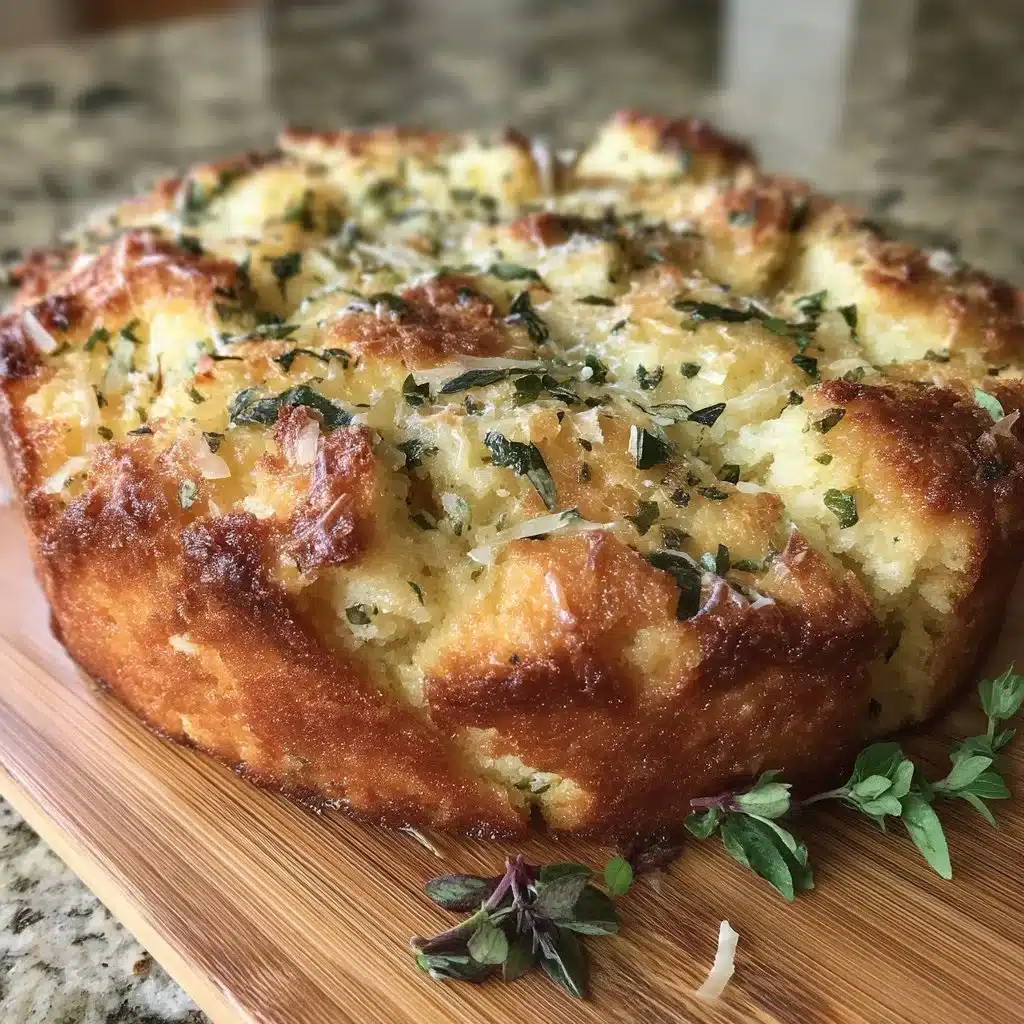
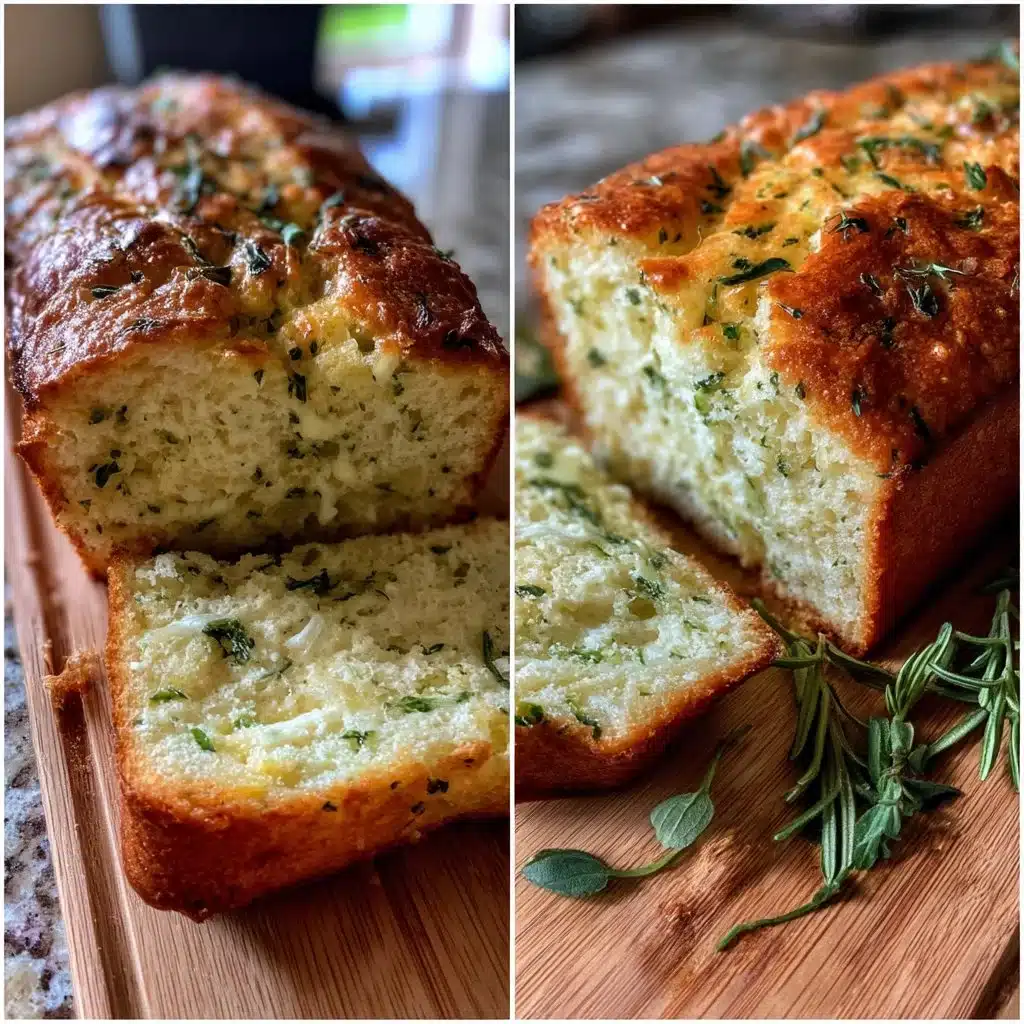
This savory herb cake fits anywhere from a lazy Sunday brunch to a last-minute dinner side. It bakes up like quick bread but tastes like a thoughtful loaf you’d find at a neighborhood bakery. Butter and cheese give it richness, while eggs and milk keep the crumb tender. Fresh herbs lift and brighten the whole thing, turning ordinary pantry staples into an unmistakable savory centerpiece. You’ll find it forgiving: swap cheeses, toss in a handful of greens, or add a pinch of red pepper flakes to wake things up. This cake pairs with soups, salads, or just a smear of mustard and a cup of tea. The steps stay straightforward so you can focus on gathering the people you love and making the table feel warm.
Why this recipe works
This recipe keeps chemistry simple and results consistent. Baking powder gives lift without the precision a yeast loaf demands, so the cake rises evenly even if you overmix a little. Butter and cheese add fat, which creates a tender, rich crumb and helps the loaf brown nicely. Eggs bind and add structure so slices hold together for sandwiches or skew into neat loaf pieces for a brunch spread. Milk thins the batter to just the right pouring consistency, which creates a crumb that’s neither gummy nor dry.
Fresh herbs do heavy lifting for flavor. When you chop parsley, thyme, or basil and fold them into the batter, the heat releases aromatic oils that perfume each bite. Using a generous cup of grated cheese ensures pockets of melty, savory goodness throughout. These elements together make a cake that slices cleanly, stays moist for a day or two, and carries enough flavor to stand alone or complement other dishes.
How to prepare Savory Herb Cake
Prep time stays short: measure, mix, and bake. Start by bringing your butter to room temperature so it creams easily, and grate the cheese finely so it distributes evenly. Use a medium bowl for the dry ingredients and a larger bowl for creaming and combining so you don’t spill when you add milk. Alternate the flour mixture and milk into the butter mixture to prevent overmixing and to keep the crumb light.
Grease the loaf pan well and consider lining it with parchment for an easy release. Watch the bake during the last 10 minutes—ovens vary, and a toothpick test will tell you when the center sets. Let the cake cool briefly before slicing so the crumb firms up and the cheese settles. Serve warm for the best texture and aroma.
Ingredients
- 2 cups all-purpose flour
- 1 tablespoon baking powder
- 1/2 teaspoon salt
- 1/2 cup unsalted butter, softened
- 1 cup grated cheese (such as cheddar or parmesan)
- 1/4 cup fresh herbs (such as parsley, thyme, or basil), chopped
- 3 large eggs
- 1 cup milk
Instructions
- Preheat the oven to 350°F (175°C) and grease a loaf pan.
- In a bowl, mix together flour, baking powder, and salt.
- In another bowl, cream butter and then add cheese and herbs.
- Beat in eggs one at a time, mixing well after each addition.
- Alternately add the flour mixture and milk to the butter mixture, stirring until just combined.
- Pour the batter into the prepared loaf pan and smooth the top.
- Bake for 50-60 minutes or until a toothpick inserted in the center comes out clean.
- Let it cool for a few minutes before slicing and serving.
Serving ideas
Slice this cake warm alongside a simple green salad for a weeknight supper, or pair it with a bowl of tomato soup for an effortless cozy meal. Cut thicker slices and serve with a smear of grainy mustard and a crisp apple for a picnic-style plate. For brunch, set it with soft-boiled eggs, smoked salmon, or roasted cherry tomatoes to create variety without fuss.
If you’re planning a spring-themed table, add a playful dessert or a sweet companion—our recipe for Easter bunny cupcakes brings the same straightforward comfort to the dessert course and complements savory items beautifully.
Storage tips
Cool the loaf completely before storing to prevent condensation, which leads to soggy crusts. Wrap cooled slices tightly in plastic wrap or place them in an airtight container. Stored at room temperature, the cake stays fresh for up to two days; refrigerate for up to five days if your kitchen runs warm or if you use softer cheeses. To reheat, microwave a slice for 12–20 seconds or warm it in a 325°F oven for 8–10 minutes until just heated through.
For longer storage, slice the cake and freeze in single portions layered with parchment paper inside a freezer-safe bag. Thaw overnight in the refrigerator or reheat from frozen in a toaster oven at 300°F until warmed through.
DishGrub Kitchen Tips
Measure your flour by spooning it into the measuring cup and leveling it off with a knife to avoid a dense loaf. If you prefer a lighter texture, swap half the all-purpose flour for white whole-wheat flour for a bit of nuttiness without losing tenderness. Use a microplane to grate cheese finely so it disperses evenly; this prevents heavy pockets of cheese and encourages even melting.
If herbs aren’t at peak freshness, substitute with a teaspoon of dried herbs—toss them into the dry ingredients so they rehydrate during baking. For richer flavor, brown the butter lightly until it smells nutty, then let it cool slightly before creaming with the cheese and herbs; it gives the cake a deeper, caramelized note.
Recipe variations
- Cheese swaps: Try gruyère or smoked gouda for a more pronounced flavor, or mix cheddar and parmesan for complexity.
- Add-ins: Fold in 1/2 cup of cooked, crumbled bacon or sautéed mushrooms for a heartier loaf.
- Veggie boost: Stir in 1/2 cup finely grated zucchini or carrot, squeezed dry, to add moisture and a subtle vegetable flavor.
- Heat option: Add 1/4 teaspoon crushed red pepper flakes or a diced jalapeño for a spicy kick.
- Breakfast-forward: Fold in 1/3 cup chopped, lightly roasted walnuts and a teaspoon of honey for a slightly sweet-savory breakfast cake.
Common questions
How can I make this cake gluten-free?
You can swap the all-purpose flour for a 1:1 gluten-free baking flour blend that contains xanthan gum. Keep the same volume and expect similar results; some blends absorb more liquid, so if the batter looks overly thick, add a tablespoon or two of milk to adjust the consistency. Let the cake rest for 10 minutes before baking when using gluten-free flour to hydrate the mix.
Can I use dried herbs instead of fresh?
Yes. Use about one-third the amount of dried herbs that the recipe calls for in fresh herbs—so roughly one tablespoon of dried herb blend in place of the 1/4 cup fresh. Add dried herbs to the dry ingredients so they mingle and rehydrate during baking. The flavor will be less bright than fresh, but the cake will still taste herbaceous.
My cake browned too quickly on the top but was underdone inside. What should I do?
If the top browns too quickly while the center remains undercooked, tent the loaf loosely with foil about halfway through the bake to prevent further browning. You can also lower the oven temperature by 25°F and bake a bit longer. Placing the loaf on a lower rack helps as well, since it moves the pan away from the oven’s top heat source.
Can I make this in a muffin tin?
Yes. Spoon the batter into a greased or lined muffin tin and bake at 350°F for approximately 18–22 minutes, until a toothpick comes out clean. Muffins make great grab-and-go portions and will brown faster than a loaf, so start checking at 15 minutes.
What’s the best way to reheat slices without drying them out?
Brief microwave bursts (12–20 seconds) work well for single slices. For a crispier crust and even reheating, warm slices in a 325°F oven for 8–10 minutes wrapped loosely in foil. If reheating frozen slices, heat from frozen at 300°F until warmed through.
Conclusion
If you want a reliable savory loaf to season your weeknight meals or to bring to the next family brunch, this herb and cheese cake delivers on flavor and simplicity; for a classic inspiration and background on this style of bake, see Savoury Herb Cake – Ricardo Cuisine.