I still remember the first time I cooked salmon this way: a rainy Tuesday, a sleepy toddler on my hip, and an empty fridge that demanded something quick, nourishing, and forgiving. I slid a sheet pan into the oven and let the simple combination of salmon, asparagus, lemon, and garlic do the heavy lifting. Ten minutes later I had a steaming tray of bright, flaky fish and crisp-tender green spears that smelled like home. We ate straight from the pan at the kitchen counter while the kiddo drew with crayons, and that easy, no-fuss meal somehow felt like a celebration.
Weeknights push me toward recipes that respect time without sacrificing flavor. This sheet pan method wins back the clock and still gives you food that looks and tastes deliberate. The salmon roasts gently, the asparagus caramelizes on the edges, and the lemon lifts everything with a bright finish. I use this on busy nights, when friends drop by unexpectedly, and whenever I want a dinner that feels like comfort without corner-cutting. The cleanup stays mercifully small, and the oven handles the workperfect for cooks who want rewarding results without drama.
Food connects us, and simple dinners become the backdrop for the best conversations. This recipe fits right into that rhythm: it requires just a few ingredients, relies on straightforward techniques, and delivers consistent results. If you like the convenience of one-pan meals, you might also enjoy our twist on nachos that crowd-pleases every time; see our recipe for loaded sheet pan nachos to borrow the same easy, family-style spirit in a different direction.
DishGrub tests each recipe until it feels reliable for real kitchens. We keep techniques cozy, measurements practical, and flavors familiar so you can recreate the same success night after night. Our team cooks these recipes for friends, family, and hungry editors, then simplifies the steps so you can follow them without fuss. We focus on comfort food that fits modern schedules, and this sheet pan salmon and asparagus is a great example of that balancefast, forgiving, and good for sharing.
Why this recipe works
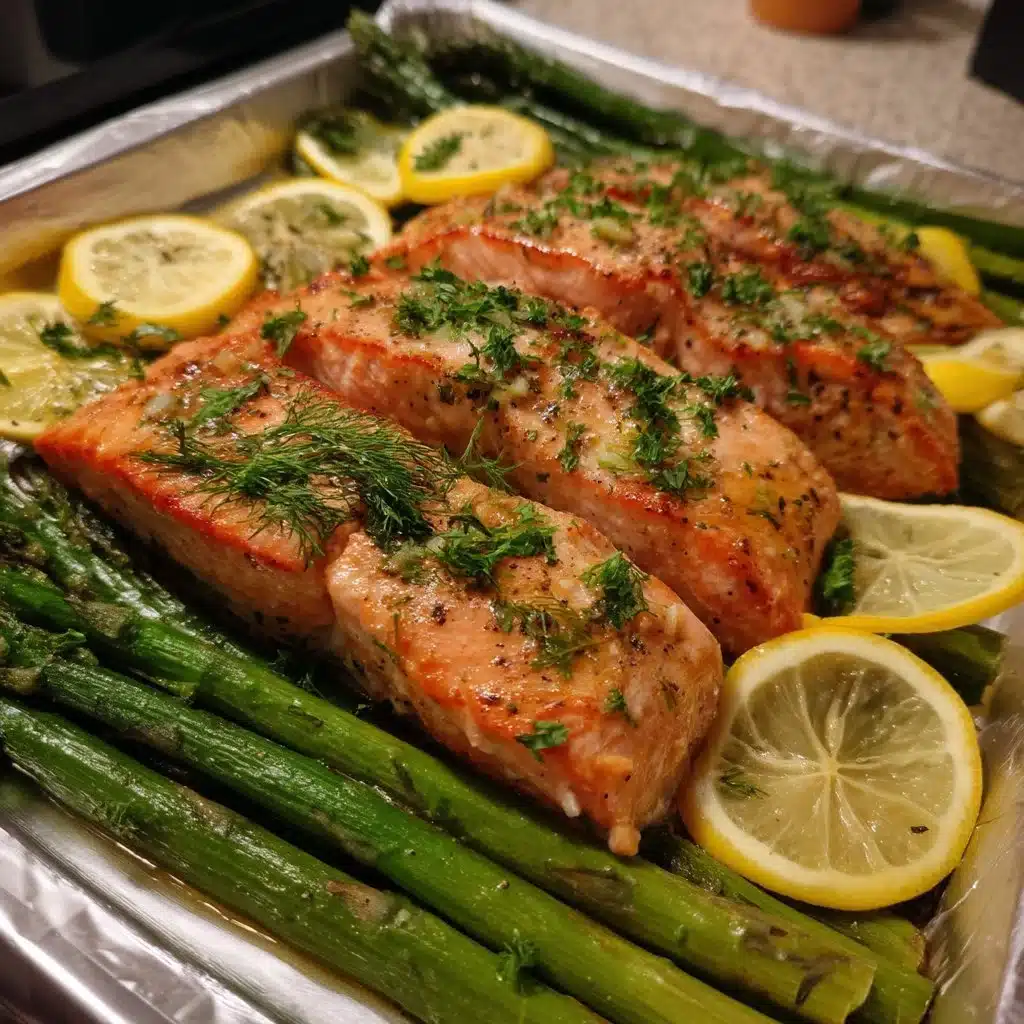
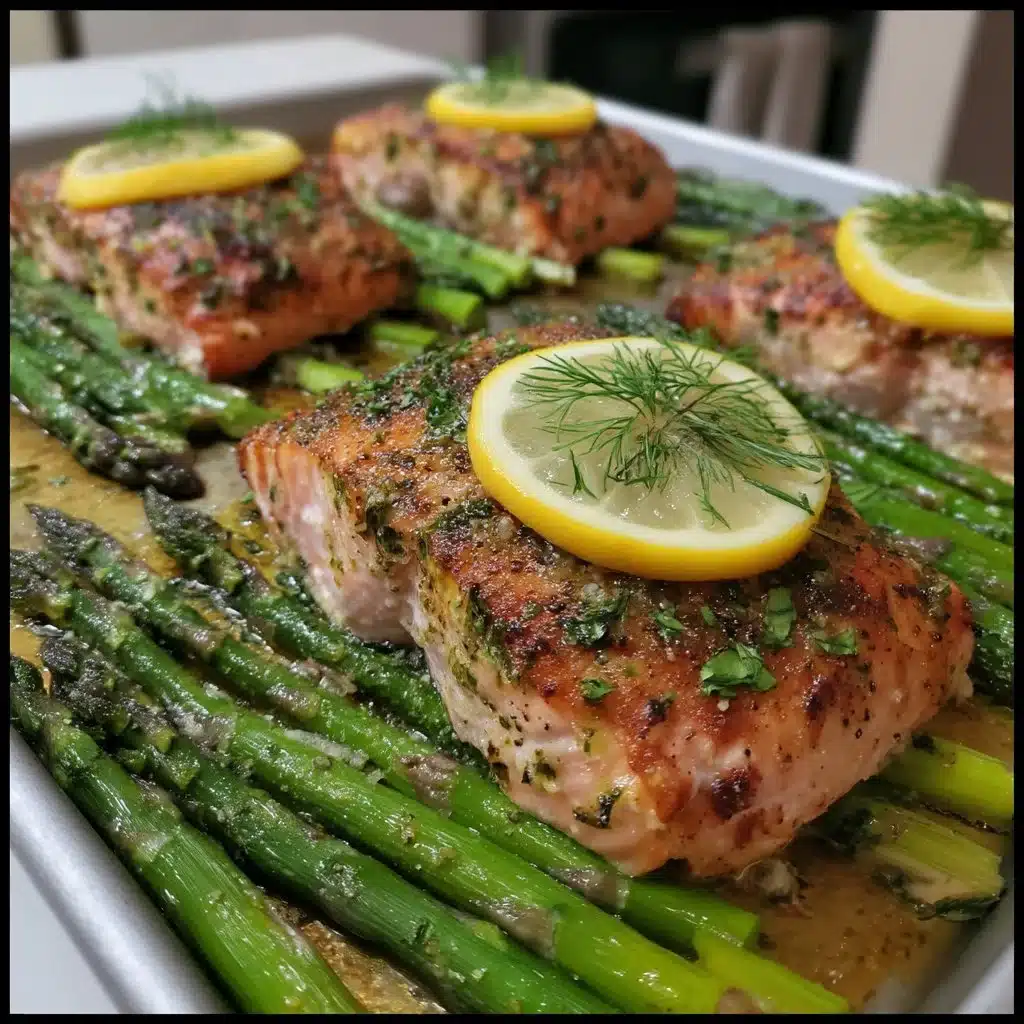
This recipe works because it leans on balance and simplicity. Salmon holds up well to high, dry heat and benefits from a short, focused roast that keeps the interior moist while giving the exterior a light sear. Asparagus cooks quickly and mirrors the salmon’s timing, so both components finish together on one pan. Lemon slices steam over the fish as it bakes, imparting bright acidity without needing extra sauces. Minced garlic and olive oil add straightforward flavor without overwhelming the fish’s natural richness.
The sheet pan method cuts steps and tools: you season, arrange, and roast. That simplicity reduces the chance for mistakes and makes the recipe approachable for cooks at any level. Because the ingredients are few, each one matterspick firm salmon fillets and crisp asparagus for the best texture. The result is a weeknight-friendly meal that looks impressive with minimal effort.
How to prepare Sheet Pan Salmon and Asparagus
Ingredients
- 4 salmon fillets
- 1 bunch asparagus
- 2 tablespoons olive oil
- 2 cloves garlic, minced
- 1 lemon, sliced
- Salt and pepper to taste
- Optional: Fresh herbs (e.g., dill, parsley)
Instructions
- Preheat the oven to 400°F (200°C).
- Line a sheet pan with parchment paper.
- Place the salmon fillets on one side of the sheet pan and the asparagus on the other.
- Drizzle olive oil over the salmon and asparagus, then sprinkle with minced garlic, salt, and pepper.
- Arrange lemon slices on top of the salmon.
- Bake for 12-15 minutes, or until the salmon is cooked through and flakes easily with a fork.
- Optionally, garnish with fresh herbs before serving.
Serving ideas
Serve this tray-roasted salmon and asparagus with a handful of simple accompaniments to make a complete plate. Spoon cooked rice or a lemony couscous next to the fish to catch the pan juices. A crisp green salad dressed with a basic vinaigrette adds crunch and contrast. For a cozy family-style meal, slide the whole pan to the center of the table and let everyone help themselves.
If you love asparagus in other meals, transform leftover spears into an easy brunch: fold them into a savory tart or quiche for a breakfast-forward option that stretches your effort farthertry our asparagus quiche for inspiration and an easy way to reuse extras.
Storage tips
Cool leftovers quickly to store them safely. Transfer salmon and asparagus to an airtight container within an hour of cooking. Refrigerate for up to three days; the fish will remain moist enough for easy reheating if you store it with a piece of lemon or a light brush of olive oil.
Reheat gently to avoid overcooking. Warm individual portions in a 300°F oven for 8–10 minutes or microwave briefly at 30-second intervals until heated through. If you have more time, reheat in a skillet over low heat with a splash of water and a lid to steam and revive the texture. Avoid extended reheating in high heat, which dries the salmon.
For longer storage, freeze cooked salmon and asparagus in a single layer on a baking sheet, then transfer frozen pieces to a freezer-safe bag. Freeze for up to one month. Thaw overnight in the refrigerator before reheating.
DishGrub Kitchen Tips
Keep these small habits in your routine and you’ll get the best results without extra effort.
- Pat salmon dry with paper towels before seasoning to help it brown lightly in the oven instead of steaming.
- Trim asparagus stalks where they naturally snap; thicker stalks work great because they won’t overcook while the salmon reaches doneness.
- Space items on the sheet pan so hot air circulatescrowding slows roasting and can steam the food.
- Use room-temperature fillets if you can; they roast more evenly than cold fish straight from the fridge.
- Taste your lemon before serving; a final squeeze of fresh lemon brightens the whole dish and ties the flavors together.
Recipe variations
You can adapt this one-pan dinner to fit flavor preferences and whatever’s in your pantry.
- Citrus-herb: Swap lemon slices for orange or grapefruit for a sweeter citrus note, and finish with chopped basil or cilantro.
- Honey-mustard glaze: Whisk a tablespoon each of Dijon mustard and honey, brush over the salmon before roasting for a sweet-savory glaze.
- Spicy sesame: Add a teaspoon of chili paste to the olive oil and sprinkle sesame seeds over the salmon before baking for a takeout-style twist.
- Veggie swap: Substitute broccoli, green beans, or thinly sliced bell peppers for the asparagus; adjust cook time slightly for denser vegetables.
- Sheet pan dinner for two: Cut the ingredient quantities in half and use a smaller baking tray to concentrate the heat.
Common questions
Q: How can I tell when the salmon is done without overcooking it?
A: Look for firm but flaky flesh and an internal temperature of 125–130°F for medium doneness; the fish will continue to cook slightly after you remove it from the oven. Insert a fork or the tip of a knife into the thickest part and twist gently; the flesh should separate into flakes but still look moist.
Q: Can I roast frozen salmon fillets straight from the freezer?
A: You can roast frozen fillets, but they will take longer and might cook unevenly. I recommend thawing fillets overnight in the refrigerator for the best texture. If you must cook from frozen, add 8–12 minutes to the baking time, check for doneness frequently, and consider starting them at a lower temperature to allow heat to penetrate more evenly.
Q: What do I do if my asparagus cooks faster than the salmon?
A: If asparagus looks done before the salmon, remove it from the pan and keep it warm on a plate tented with foil. Alternatively, toss the asparagus in after the salmon has baked for the first 5–7 minutes so both finish together. Thicker asparagus spears will hold up better to the full bake time.
Q: Can I use skin-on salmon fillets?
A: Yes. Place skin-side down on the sheet pan. The skin helps protect the flesh from direct heat and can crisp up nicely. If you prefer, you can remove the skin after cooking.
Q: How do I scale this for a crowd?
A: Use multiple sheet pans and switch oven racks during cooking to ensure even airflow, or cook in batches and hold finished pans in a low oven (200°F) for up to 15–20 minutes while the rest finishes. Season consistently across pans so everyone gets the same flavor.
Conclusion
For a tested, fast weeknight meal that feels both thoughtful and effortless, this sheet pan salmon and asparagus delivers. If you want a slightly different take or additional timing details from another trusted source, compare notes with the Sheet Pan Salmon and Asparagus Recipe (5 Ingredients, 20 Minutes).