There’s something about the smell of hot cornmeal and butter that brings people to the table. A skillet of golden cornbread feels like a hug you can eat: warm edges, tender crumb, a little crunchy top from the cast iron. I remember carrying a piping-hot skillet from the oven to the center of the table as a kid, and everyone reached for a wedge with a different toppinghoney, butter, chili, or a simple pat of jam. Those small, shared rituals make weeknights feel cozy and holidays feel familiar.
Comfort food is about more than flavor; it’s about gatherings, big and small. A skillet of cornbread turns quick dinners into something worth lingering over. It pairs with bowls of beans, simmering greens, tomato soup, or a roast chicken. It absorbs sauces and soaks up gravy, and it stands up to bold flavors. You can slice it into wedges and serve it family-style or cut it into squares for noon-time picnics. Every kitchen has a memory like this, and this recipe helps you build one without fuss.
At DishGrub we test each recipe until it’s as foolproof as possible. We aim for cozy, practical dishes that U.S. home cooks can make with everyday pantry staples. We test pans, tweak temperatures, and note the small steps that make results consistentlike heating the skillet first, or folding the batter just enough to keep the crumb tender. Our goal is food that feels homemade but comes together reliably on busy nights. This skillet cornbread recipe gives you a dependable golden crust, a moist interior, and flexible timing so it works for weeknight sides or a weekend bake. It uses familiar ingredients, requires minimal bowls, and plays nicely with a cast-iron skillet or an oven-safe pan you already own.
I wrote this recipe after testing several versions: coarse versus fine cornmeal, different sugar amounts, and a range of oven temperatures. The combination below creates a slightly sweet cornbread that browns deeply on the outside and stays tender inside. If you like a denser, more rustic crumb, try half yellow cornmeal and half stone-ground. If you prefer it sweeter, add another tablespoon of sugar. This one hits the middle groundcomforting, simple, and unmistakably cornbread.
Why this recipe stands out
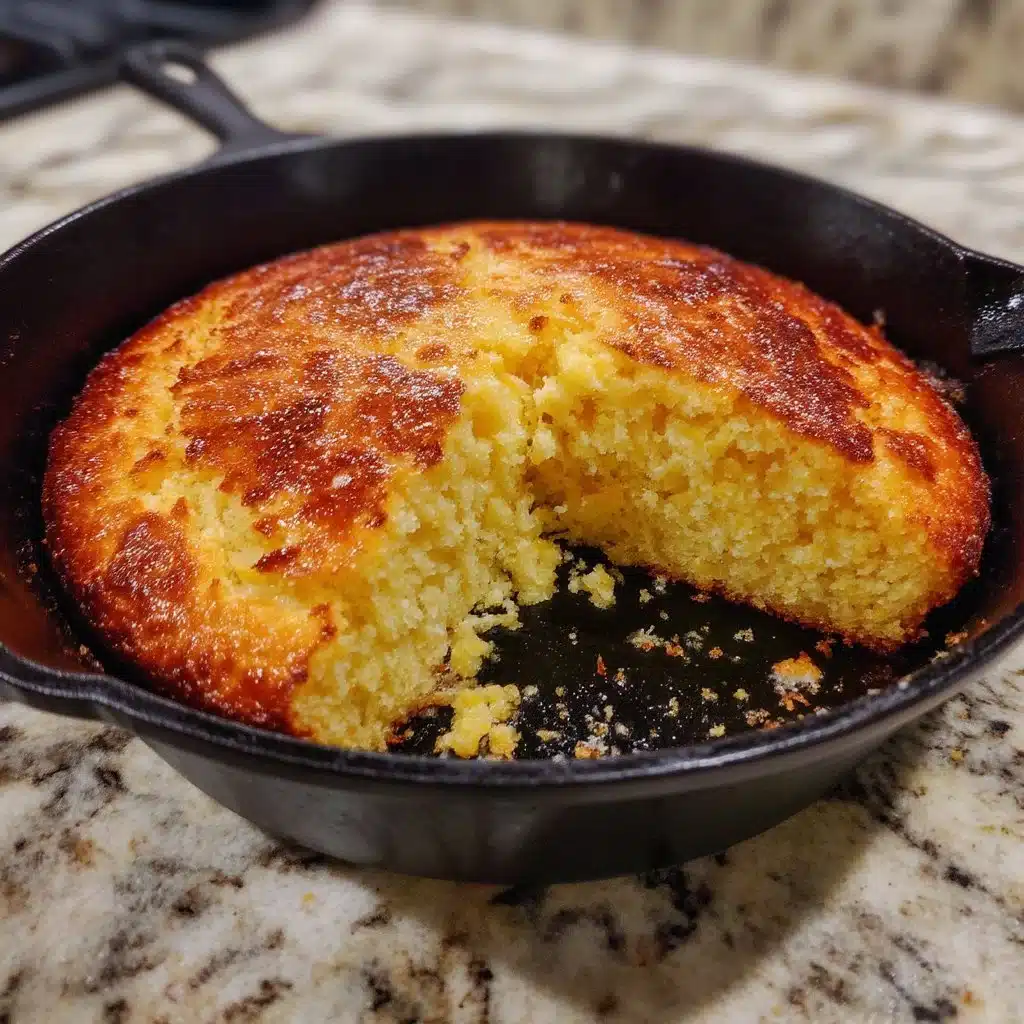
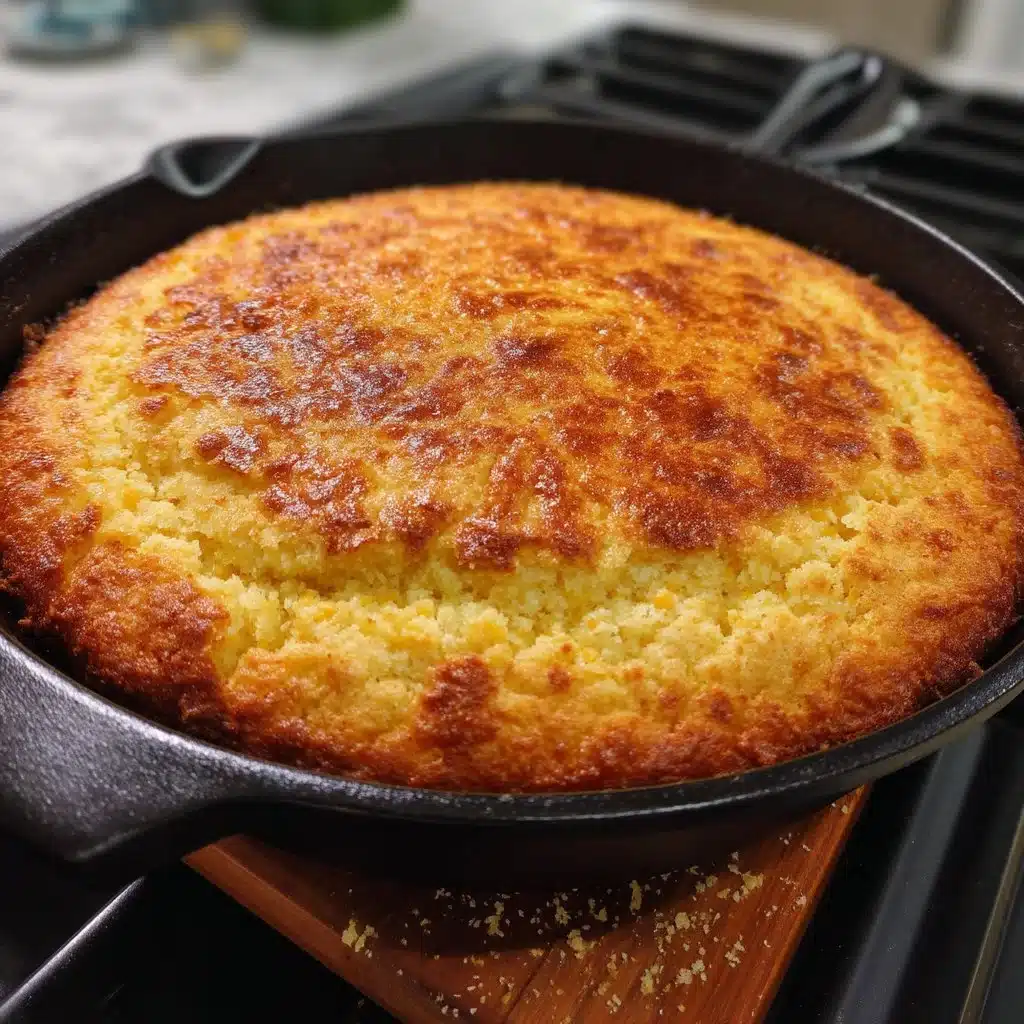
This skillet cornbread balances a crisp, browned exterior with a soft, tender center. Heating the pan before adding batter builds an immediate crust, and baking at a relatively high temperature encourages even color. The recipe keeps measurements straightforward and uses common ingredients, so you don’t need specialty items to get a reliably good result.
The batter mixes quickly in two bowls, which saves time and keeps you from overworking the cornmeal and flour. A small amount of sugar brightens the corn flavor and improves browning without turning this into a dessert. The optional corn kernels add bursts of sweetness and texture, but the cornbread is excellent plain. Because you bake it in a skillet, it develops more surface contact than a sheet pan cakemore crunchy edges and a homier look. This makes it ideal for family dinners, potlucks, or as part of a holiday spread.
How to prepare Skillet Cornbread
Ingredients
- 1 cup cornmeal
- 1 cup all-purpose flour
- 1 tablespoon baking powder
- 1/2 teaspoon salt
- 1 cup milk
- 1/4 cup sugar
- 2 large eggs
- 1/4 cup vegetable oil
- 1/2 cup corn kernels (optional)
Instructions
- Preheat your oven to 425°F (220°C).
- In a large bowl, mix the cornmeal, flour, baking powder, and salt.
- In another bowl, whisk together milk, sugar, eggs, and vegetable oil.
- Combine the wet and dry ingredients until just mixed. If using, fold in the corn kernels.
- Pour the batter into a hot, greased skillet and bake for about 20-25 minutes or until golden brown.
- Let it cool slightly before serving.
How to serve this dish
Serve this cornbread warm, straight from the skillet, with a pat of butter that melts into the crumbs. For a classic pairing, offer bowls of collard greens, baked beans, or chili so everyone can scoop and soak. For breakfast or brunch, split a wedge and drizzle with honey or maple syrup, or top with a smear of cream cheese and seasonal jam.
Cut into wedges and serve family-style for a homey presentation. If you need to transport cornbread, bake it in an oven-safe pan with handles for easy carrying. You can also crumble warm cornbread into a bowl and ladle hot soup over it for a rustic stew-and-bread combo. For guests, present a small board with butter, honey, and a sharp cheddar so people can customize each slice.
How to store it properly
Let the cornbread cool to room temperature before storing to avoid sogginess. Store leftovers in an airtight container at room temperature for up to two days. After that, refrigerate to extend freshness for up to five days. Wrap tightly in plastic wrap or place in a zip-top bag if you prefer to keep it in the refrigerator.
To freeze, cut the cornbread into wedges or squares and wrap each piece individually in plastic wrap. Place the wrapped pieces in a freezer bag, squeeze out the air, and freeze for up to three months. Reheat frozen slices in a 350°F oven for 10–15 minutes, or toast slices in a toaster oven until warmed through and crisp at the edges. You can also microwave a slice for 20–30 seconds for a soft, quick warm-up, but the oven will restore more of the original texture.
DishGrub Kitchen Tips
Use a cast-iron skillet if you have one. Preheat it in the oven while the oven heats so the batter hits a hot surface and a crisp bottom forms. If you don’t have cast iron, a heavy oven-safe skillet or a 9-inch cake pan will work; the texture will be slightly different but still delicious.
Measure flour and cornmeal by spooning into a cup and leveling with a knife to avoid packing; too much flour makes the cornbread dense. Mix just until the dry ingredients are moistenedovermixing develops gluten and makes the cornbread tough. Fold in any additions gently.
If using frozen corn kernels, thaw and pat them dry before adding to the batter to prevent extra moisture. Use whole milk for a richer crumb, or swap in buttermilk for a tangier flavor and slightly softer texturereduce the baking powder by about half if you use acidic buttermilk and want a more controlled rise.
Grease the skillet generously with butter or oil. For extra flavor and a glossier top, rub a little melted butter over the cornbread as soon as it leaves the oven. Let the cornbread rest for five to ten minutes before slicing to help the crumb set and make cleaner wedges.
Make it your own
Customize this cornbread to suit your meal or mood. Stir shredded cheddar and chopped jalapeño into the batter for a cheesy, spicy twist that pairs beautifully with soups and barbecue. For Southwestern flavor, add a sprinkle of cumin and a handful of diced roasted peppers. For a sweeter, cake-like cornbread, increase the sugar to 1/3 cup and add a teaspoon of vanilla extract.
For a gluten-free version, substitute a 1-to-1 gluten-free flour blend for the all-purpose flour and check for a similar texturesome blends yield a slightly crumblier result. For a lighter crumb, replace half the cornmeal with fine-ground cornmeal or yellow polenta. Mix in cooked, crumbled bacon for a savory variation, or fold in a cup of fresh corn kernels and a half cup of cotija cheese for a celebratory side.
If you want a skillet with an herbal aroma, sauté minced rosemary or thyme briefly in the oil before mixing it into the wet ingredients. For a brunch-friendly change, stir in a half-cup of blueberries and a tablespoon of lemon zest for a sweet-and-tart bite that complements coffee and yogurt.
Frequently asked questions
How can I tell when the cornbread is done without overbaking?
Check for a deep golden-brown top and edges that pull away slightly from the pan. Insert a toothpick or small knife into the centerif it comes out clean or with a few moist crumbs, the cornbread is done. If the toothpick has wet batter, bake for a few more minutes and check again. Keep a close eye during the final five minutes because the high oven temperature browns the crust quickly.
Can I make this without a skillet?
Yes. An oven-safe 9-inch round cake pan, a square 8×8 baking dish, or a similar-sized pan will work. The cornbread will rise and brown differently: expect fewer crunchy edges and a slightly softer bottom. Preheat the pan in the oven if you want a crisper base, and adjust baking time by a few minutes if your pan is shallower or deeper than a standard cast-iron skillet.
What’s the best way to use leftover cornbread?
Leftover cornbread works in many ways. Toast slices for breakfast and top with butter or jam. Crumble the cornbread and use it as a base for stuffing or cornbread dressingadd sautéed onions, celery, herbs, and broth. Use cubes of cornbread to make savory croutons for a hearty salad, or pulse slices in a food processor and use the crumbs to coat chicken or fish for a crunchy crust.
Can I make the batter ahead of time?
You can mix the dry ingredients ahead of time and keep the wet ingredients separate, then combine them just before baking. Fully mixed batter keeps in the refrigerator for a few hours but will thicken as cornmeal absorbs liquid, so give it a gentle stir before baking and add a tablespoon of milk if it looks too stiff. For best texture, bake the batter soon after mixing.
What adjustments should I make at high altitudes?
At high altitudes, reduce the baking powder slightly (subtract about 1/8 teaspoon per tablespoon), increase liquid by a tablespoon or two, and lower oven temperature by 15–25°F if you find the cornbread browns too fast. Watch baking times closely; high-altitude ovens can dry out baked goods more quickly.
Conclusion
For another reliable skillet cornbread version and additional tips on using cast iron, see Alex Guarnaschelli’s cast iron skillet cornbread recipe on Food Network, which offers useful technique notes that complement this simple DishGrub approach.