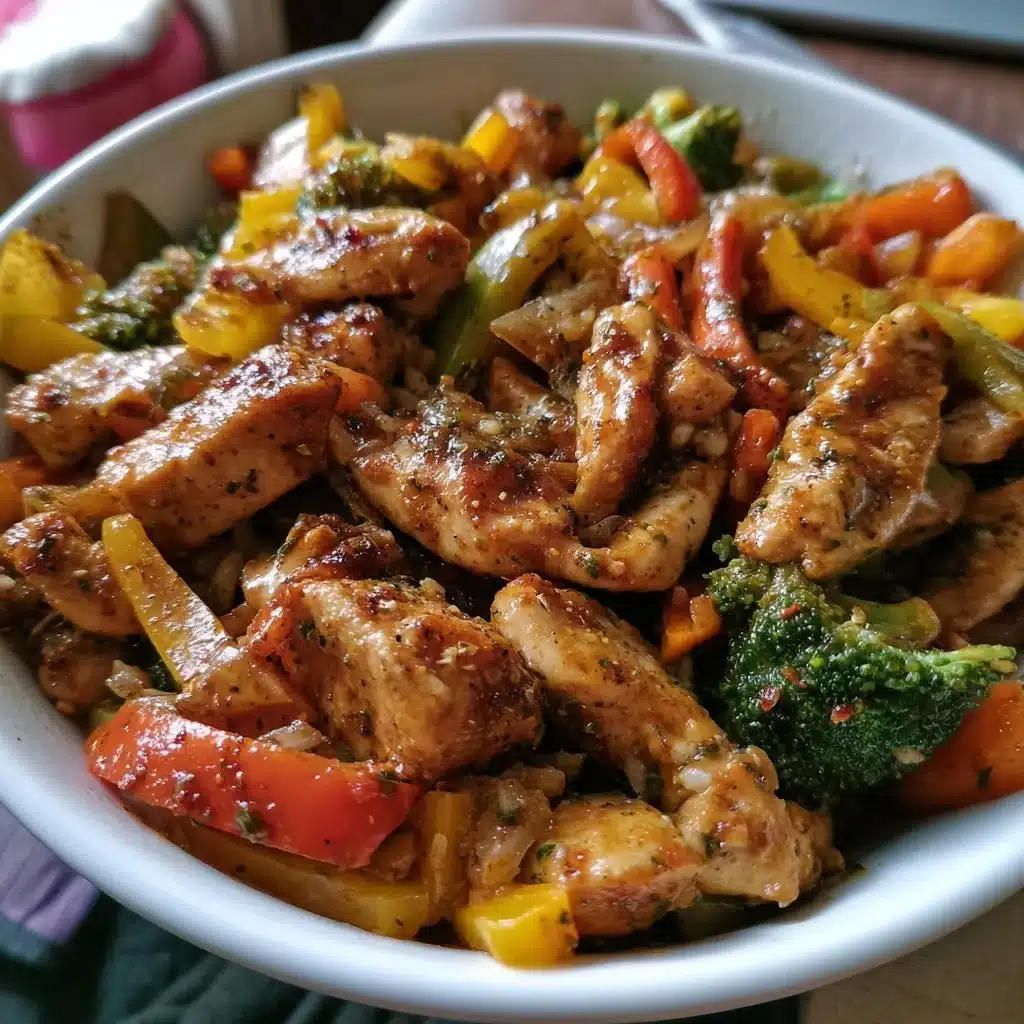
I still remember the first week I tried to balance work, a toddler, and cooking dinner without calling for pizza. I wanted something fast, bright, and satisfyingmeals that felt like a warm hand on a busy day. That’s how this stir-fry became a staple: it moves quickly on the stovetop, turns pantry staples into dinner, and fills the house with ginger-and-garlic steam that feels like a small celebration. Nights when the fridge looks sparse, this dish stands ready to take whatever you have and make it sing. The chicken browns, the vegetables keep a little snap, and the sauce clings to everything in a glossy, comforting way. It never pretends to be fine dining; it aims to be the kind of meal your family asks for again.
I built this recipe for evenings when comfort and speed both matter. I tested it on picky eaters and rushed weeknights, adjusting the heat and timing until the chicken stayed juicy and the vegetables stayed crisp-tender. I learned to keep the sauce simpleteriyaki and a little soyand to rely on a hot skillet to create texture quickly. You can change the vegetables or swap in tofu, and the method still works. A little ginger and garlic wake up the whole pan, and a final toss ties everything together. This recipe keeps dinner practical without skimping on flavor.
When I want something even simpler, I’ll lean on favorites from the site: for a kid-approved crunchy option try our air-fryer chicken tenders, and for a slow-simmered comfort night, our chicken-and-dumplings recipe comforts a crowd. These links show the same DishGrub promise: tested recipes for busy people who still want food that feels like home.
Why this recipe works
This stir-fry balances speed, texture, and flavor. High heat sears the chicken, locking in juices and creating little browned bits that the sauce loves. Quick-cooking vegetables keep their color and bite because you add them after the chicken has a head start. A short sauce of teriyaki and soy brings sweet and savory notes without overpowering the fresh aromatics of garlic and ginger. Because the components cook fast, you preserve flavor and nutrients while still getting dinner on the table in under 20 minutes.
The method stays forgiving: if your chicken pieces vary in size, a slight extra minute on the pan finishes them without drying. The simplicity also makes the recipe adaptableswap vegetables, add a splash of rice vinegar for brightness, or finish with sesame oil for a warmly nutty note. The result feels homemade but moves at the pace of a weeknight.
How to prepare Teriyaki Chicken Stir-Fry
This recipe focuses on a hot pan and timing. Prep everything before you heat the skillet so you can move quickly: slice the chicken thin, mince the garlic and ginger, and cut the vegetables into bite-sized pieces. Heat the oil until it shimmers, then add the chicken in a single layer to encourage even browning. After the chicken develops color, loosen the pan by stirring and make space for aromaticsgarlic and gingerso they toast briefly and release their oils without burning.
Once the aromatics smell bright, add the vegetables and keep the pan moving; the goal is tender-crisp with plenty of bite. Pour in the sauces and toss everything to coat, letting the liquid thicken slightly on the hot surface. Serve immediately over steamed rice to soak up the sauce, and finish with a pinch of sliced green onions, sesame seeds, or a squeeze of lime if you like a touch of acid. The whole process keeps you active in the kitchen but delivers a satisfying, balanced meal.
Ingredients
- 1 lb chicken breast, sliced
- 2 cups mixed vegetables (bell peppers, broccoli, carrots)
- 2 tablespoons teriyaki sauce
- 1 tablespoon soy sauce
- 2 cloves garlic, minced
- 1 tablespoon ginger, minced
- 2 tablespoons vegetable oil
- Cooked rice, for serving
Instructions
- Heat vegetable oil in a large skillet over medium-high heat.
- Add sliced chicken and cook until browned and cooked through, about 5-7 minutes.
- Stir in garlic and ginger, cooking for an additional minute.
- Add mixed vegetables and stir-fry until tender-crisp, about 3-4 minutes.
- Pour in teriyaki and soy sauces, tossing everything together to coat.
- Serve hot over cooked rice.
Serving ideas
Keep serving simple and seasonal. Spoon the stir-fry over freshly steamed white or brown rice for a classic bowl. For lower carbs, serve it over cauliflower rice or a bed of baby greens warmed briefly by the hot stir-fry. Add a handful of toasted sesame seeds and sliced green onions for contrast and crunch. If you want a brighter finish, squeeze a little lime or sprinkle chopped cilantro on top.
For family dinners, set out extra toppings so everyone customizes their bowl: chopped peanuts, chili flakes, hoisin for sweetness, or a drizzle of toasted sesame oil. For meal prep, pack rice and the stir-fry separately to keep textures optimalreheat the stir-fry quickly in a skillet so it doesn’t get soggy in the microwave.
Storage tips
Cool the stir-fry to room temperature within two hours of cooking to keep food safe. Transfer it to an airtight container and refrigerate for up to four days. Keep rice stored separately when possible; rice holds moisture and can turn soft if mixed with the saucy stir-fry for storage.
To reheat, warm a skillet over medium heat and add the stir-fry directly, stirring until just heated throughthis revives texture better than the microwave. If the sauce tightened too much in the fridge, add a splash of water, broth, or a little more soy sauce while reheating to loosen it. For longer storage, freeze in meal-sized portions for up to three months and thaw overnight in the fridge before reheating.
DishGrub Kitchen Tips
Prep like a pro: slice chicken thin and uniform so pieces cook evenly. Dry the chicken with a paper towel before seasoningless surface moisture helps browning. Keep all ingredients chopped and within reach before you heat the pan; stir-frying demands quick transitions. Use a wide skillet or a wok so ingredients spread into a single layer and sear instead of steam.
If you want to add more flavor depth, brown the chicken in two batches so the pan stays hot and you develop more caramelization. Finish with a splash of rice wine or a teaspoon of honey if your teriyaki lacks sweetness. For a family-friendly tip, hide extra vegetables by chopping them fine or shredding larger oneskids often accept textures when the sauce and chicken look familiar. For another comforting chicken recipe that works for cooler nights, try our rich, homestyle chicken and dumplings.
Make it your own
Personalize this stir-fry to suit your pantry or preferences. Swap chicken for tofu, shrimp, or thinly sliced pork. Use whatever vegetables you have on hand: snap peas, mushrooms, zucchini, or spinach all work. Boost umami with a teaspoon of oyster sauce or a splash of fish sauce tucked into the sauce mix.
If you prefer heat, add sliced fresh chiles or red pepper flakes. For extra crunch, top bowls with crushed roasted peanuts or crispy fried shallots. To turn this into a meal prep staple, double the recipe and portion into containers with rice and a wedge of limereheat for a weekday lunch that doesn’t feel routine.
Common questions
What cut of chicken works best for stir-fry?
Chicken breast cooks quickly and stays lean, which works nicely for faster weeknight recipes. Slice it thin and across the grain to keep pieces tender. You can also use boneless skinless chicken thighs; they offer a bit more fat and flavor and tolerate slightly longer cooking without drying out. Adjust cooking time a minute or two depending on thickness and always check that the internal pieces reach a safe temperature before serving.
Can I make the sauce ahead of time?
Yes. Mix the teriyaki and soy sauce in a small jar and refrigerate for up to a week; this streamlines the final step. If you make a larger batch, taste before adding so you can balance salt and sweetness to your preference. If the sauce seems thin after refrigeration, whisk in a little cornstarch slurry when reheating to thicken and coat the stir-fry evenly.
How do I prevent soggy vegetables?
Prevent sogginess by cutting vegetables into uniform, bite-sized pieces and adding them to the pan in order of cooking time: denser veggies like carrots and broccoli first, then peppers and snap peas. Keep the pan hot and avoid overcrowding; if you add too much at once, ingredients steam instead of sear. Cook just until vegetables turn bright and develop slight tendernessthis retains color and crunch.
Can I make this gluten-free?
Yes. Swap regular soy sauce for tamari or another certified gluten-free soy sauce, and double-check the teriyaki sauce label or use a gluten-free brand. Use gluten-free hoisin or oyster sauce if you add those, and ensure any added condiments or garnishes also meet your dietary needs.
Is it possible to scale this for a crowd?
Absolutely. Increase the ingredients proportionally and cook in batches for best resultscrowding the pan reduces heat and prevents proper browning. Keep finished batches warm in a low oven while you finish the rest so you serve everything hot and fresh.
Conclusion
If you want another take on teriyaki with extra detail and ideas, check out this well-loved version from Salt & Lavender: Salt & Lavender’s Teriyaki Chicken Stir Fry.