I grew up in a kitchen where dessert meant comfort, not complication. My family kept a little stack of tried-and-true sweets we reached for when the week needed a pick-me-up: a tray of warm brownies, a bowl of cinnamon-spiced fruit, or a smooth, shimmering flan that arrived like a quiet celebration. I learned early that a simple, well-made dessert can turn an ordinary evening into something you remember. Vanilla coconut flan does that—its silky custard and glossy caramel feel elegant, but it comes together without fuss. It fills the house with a warm, sweet aroma and invites everyone to linger at the table. That feeling of togetherness matters: a shared spoon, a polite nod at the last slice, the small talk that stretches into stories. Food does that. It gathers us.
At DishGrub we test recipes so home cooks don’t have to guess. We focus on comfort food that stays practical: clear ingredient lists, straightforward steps, and tips that save time without sacrificing flavor. I made this flan multiple times on both weekday nights and holiday weekends, tweaking the caramel timing, the water-bath method, and the cooling time to land on a version that holds together without cracking and unmolds cleanly. You get a balanced coconut flavor that plays nicely with vanilla and the deep, slightly bitter caramel that cuts the sweetness. The recipe uses pantry-friendly ingredients, and you can scale it up or divide it into ramekins for individual servings. When I test, I write down what trips me up so you don’t have to discover those lessons the hard way. Expect reliable results, a cozy finish to your meal, and a dessert people will ask you to make again.
Why this recipe stands out
This vanilla coconut flan proves that simplicity and impressive results can coexist. The recipe relies on a handful of accessible ingredients—sweetened condensed milk, coconut milk, eggs, vanilla, and a basic caramel—so you don’t chase specialty items. The condensed milk gives the custard a luxuriously smooth texture and a touch of caramelized sweetness, while the coconut milk brings a gentle tropical note without overpowering the vanilla. The result feels both familiar and a little exotic, perfect for Sunday dinners or a low-key celebration.
The recipe also stands out for technique more than bells and whistles. The caramel cooks quickly and becomes the glossy crown for the flan, and the water bath ensures the custard sets evenly without curdling or cracking. A blender makes the custard silky in seconds, and refrigerating the flan overnight helps it firm up and sharpen the flavors. This dessert looks fancy on a platter, but it won’t cost you hours in the kitchen. You get a crowd-pleasing finish with predictable results—exactly what you want from comfort-food cooking.
How to prepare Vanilla Coconut Flan
Approach this flan with an organized mise en place and a calm stove-top rhythm. Measure the caramel ingredients first—sugar and water—so you can focus when the sugar starts to color. While the caramel cooks, blend the custard so you can pour it as soon as the caramel cools just enough to hold but not harden. Set up your water bath and preheat the oven ahead of time so you bake right away and avoid undercooking.
Keep a clean towel and oven mitts near your workspace, because the caramel can spatter when you pour it into molds. When you blend the eggs with the milks, pulse briefly—overmixing can create bubbles that lead to small holes on the flan surface. If bubbles appear, skim them off or let the batter rest a few minutes to subside before pouring. Finally, give the chilled flan time to rest in the refrigerator; patience pays off with a cleaner unmold and a creamier texture.
Ingredients
- 1 can (14 oz) sweetened condensed milk
- 1 can (13.5 oz) coconut milk
- 4 large eggs
- 1 tsp vanilla extract
- 1 cup sugar (for caramel)
- 1/4 cup water (for caramel)
- Pinch of salt
Instructions
-
Preheat the oven to 350°F (175°C).
-
In a saucepan over medium heat, combine sugar and water to make caramel. Stir until sugar dissolves, then let it cook until golden brown. Carefully pour the caramel into a flan mold or individual ramekins, tilting to coat the bottom.
-
In a blender, combine sweetened condensed milk, coconut milk, eggs, vanilla extract, and salt. Blend until smooth.
-
Pour the mixture over the caramel in the mold.
-
Place the mold in a larger baking dish filled with water (water bath).
-
Bake for about 50-60 minutes or until set and a knife inserted comes out clean.
-
Allow to cool, then refrigerate for at least 4 hours before serving.
-
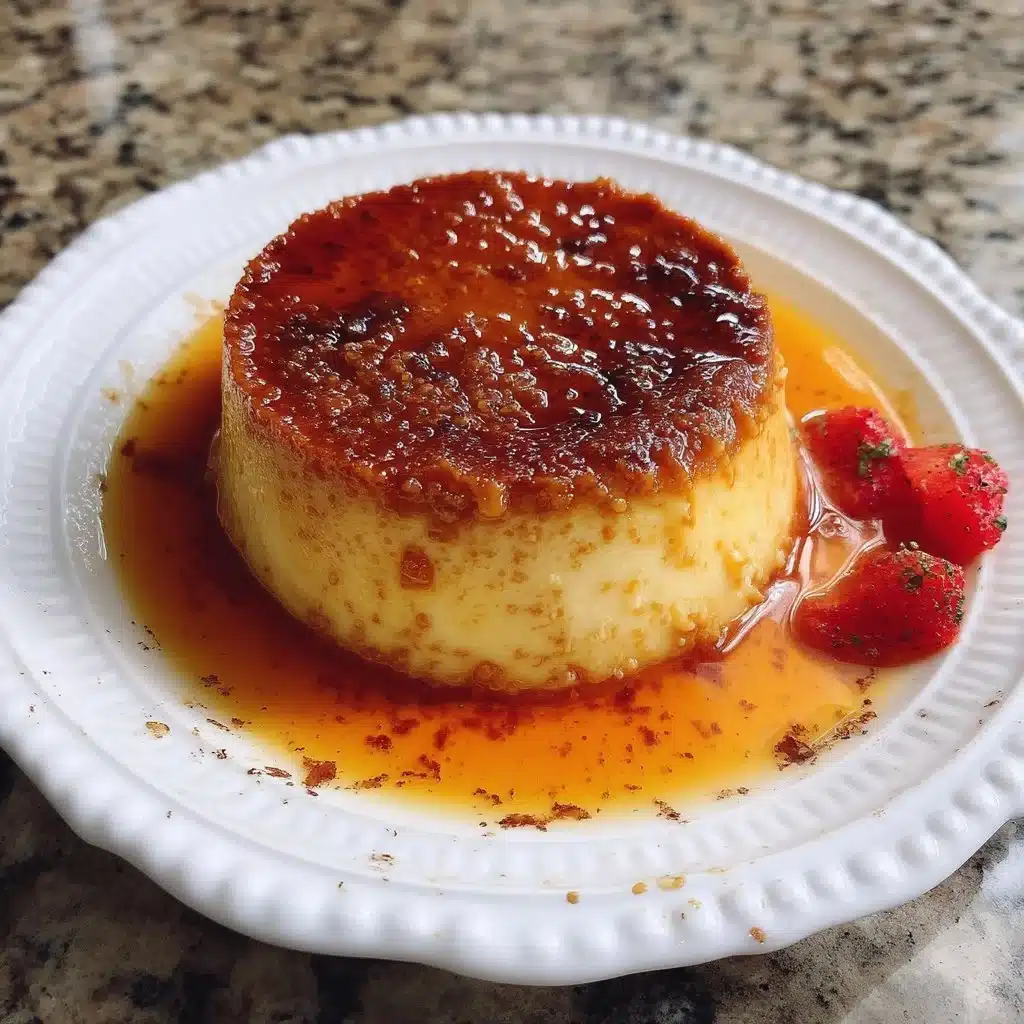
To serve, run a knife around the edges and invert onto a plate.
Simple serving suggestions
Serve slices of this flan chilled, and plan small garnishes that highlight the flavors without competing. A thin slice looks elegant atop each plate, with a small spoonful of warmed fruit compote—mango, pineapple, or a citrus-ginger jam—on the side to echo the coconut. Toasted coconut flakes add crunch and a toasted aroma that pairs well with the smooth texture.
For a cozy presentation, serve the flan on a shallow rimmed plate so the caramel pools attractively. Add a few fresh berries for color and a sprig of mint for brightness. If you want contrast, sprinkle a pinch of flaky sea salt on the caramel just before serving; the salt highlights the caramel’s complexity and the coconut’s sweetness. For individual portions, unmold ramekin-size flans onto small dessert plates and top with a tiny drizzle of dark rum or coffee liqueur for adults.
How to store it properly
Store whole or sliced flan in the refrigerator. Cover the mold or plates loosely with plastic wrap or a reusable lid to prevent the flan from absorbing other fridge smells. The custard keeps well for up to 4 days; it retains its silky texture and flavor when chilled properly.
If you store slices, place them in an airtight container in a single layer or separated with wax paper to prevent sticking. Do not freeze the flan; freezing changes the custard’s texture and makes it grainy when thawed. If you must prep ahead, you can make the caramel and custard a day before assembly, keep them chilled separately, and combine and bake the next day for fresher results.
DishGrub Kitchen Tips
Plan the caramel carefully—once sugar reaches the right color, it moves fast. Use medium heat and resist stirring once the sugar dissolves; swirl the pan gently if needed. If the caramel hardens slightly after pouring, warm the bottom of the mold briefly over low heat to soften it before adding custard.
Use room-temperature eggs for a smoother custard, and strain the blended mix through a fine sieve if you want an ultra-supersmooth finish. If air bubbles rise during blending, let the mixture rest for five minutes or tap the blender jar on the counter to release trapped air. For even cooking, line the outer water-bath pan with a kitchen towel underneath the baking dish to prevent rattling in the oven and to help moderate the heat around the mold.
If you use ramekins, reduce the baking time to 35–45 minutes; check doneness with a clean knife or toothpick. The flan continues to set slightly as it cools, so a little jiggle in the center is fine. When in doubt, err on the side of slightly undercooked rather than overbaked—overbaked flan develops bubbles and a curdled texture.
Recipe variations
Coconut and vanilla form a great base you can build on depending on mood and pantry finds. For a citrus lift, add 1 teaspoon of finely grated lime or orange zest to the custard. That small addition brightens the flavor and pairs especially well with a tropical fruit compote.
Swap half the coconut milk with regular whole milk or evaporated milk if you prefer a less pronounced coconut flavor. Add a tablespoon of toasted coconut extract for a deeper toasted note without extra toasting work. For a spiced version, stir in 1/2 teaspoon ground cinnamon and a pinch of cardamom; those warm spices create a holiday-friendly profile.
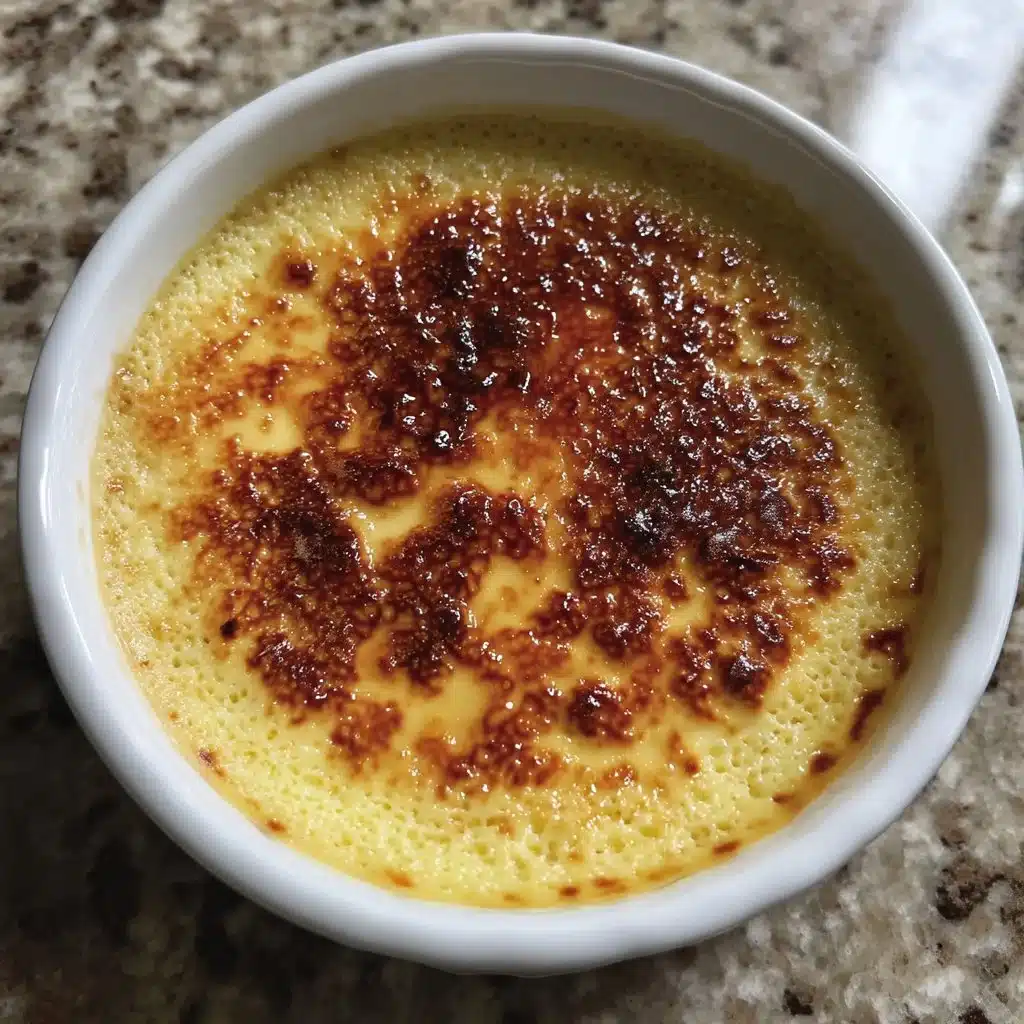
To make a boozy adult version, fold in 1–2 tablespoons of dark rum or coconut rum into the blended custard. Pour the rum in just before baking so the alcohol mellows in the oven and the flavor infuses the custard. For individual flair, top each ramekin with a brûléed sugar crust—use a small torch to melt an additional tablespoon of sugar on top after chilling for a crunchy contrast.
Common questions
How do I know when the flan is done?
Check doneness by inserting a thin knife or skewer into the center. The flan is done when the knife comes out mostly clean with only a few moist crumbs—not a lot of liquid. The center should have a slight jiggle when you gently shake the mold; it will finish setting as it cools. Avoid overbaking because the custard becomes grainy and develops air pockets. Timing varies by oven and pan size, so rely on the knife test more than the clock.
Can I make this without a blender?
Yes. Whisk the sweetened condensed milk, coconut milk, eggs, vanilla, and salt vigorously in a large bowl until smooth. Use a fine mesh sieve to remove any strands of egg white or lumps before pouring over the caramel to ensure a silky finish. Whisking by hand takes a little more elbow grease, but it produces the same creamy texture if you mix thoroughly and strain well.
What if my caramel hardens before I pour the custard?
If the caramel gets too hard, gently rewarm the pan over low heat until the sugar softens and liquefies again, then quickly pour it into the mold. If it hardens in the mold and you can’t soften it, you can pour the custard over the hardened caramel—the custard will still bake and the caramel will gradually dissolve into a syrup as it chills. To prevent issues, keep a watchful eye on the caramel; have the custard ready to go so you pour while the caramel remains pourable.
How can I prevent air bubbles in the custard?
Run the blended custard through a fine sieve into a pouring jug to catch any foam or bubble bits. Tap the jug on the counter a few times and let the mixture sit for five minutes before pouring. If you still see bubbles on the surface after pouring, skim them with a spoon or gently pop them with a toothpick. Using a lower blending speed or whisking by hand reduces the amount of air introduced.
Can I double the recipe for a larger crowd?
Yes. You can double the ingredients and use a larger flan mold or two molds. Keep the same water-bath method and adjust baking time—expect roughly 10–20 extra minutes for a much larger single mold. Check doneness with the knife test and allow ample cooling and refrigeration time. If you use multiple ramekins, they may cook faster than a single large mold, so check them individually.
Conclusion
If you want a version to compare or draw inspiration from before you start, this Coconut Vanilla Bean Flan from Cooking With Books offers a slightly different take on coconut and vanilla that can help you adjust flavor balance or presentation ideas.