I remember the first time I mashed potatoes for a big family dinner: the kids clustered around the kitchen island watching me work, the dog hoping for a stray bite, and my aunt offering a tip she swore by. That warm, bustling chaos felt like the real seasoningmore than butter or salt. Comfort food lives in those moments: the soft steam rising from a pot, the gentle clank of the masher, and the way a simple bowl of mashed potatoes seems to smooth the edges of any hectic day.
Mashed potatoes hold a special place at the table because they feel familiar and forgiving. You can make them rustic or silky-smooth, laced with butter or brightened with herbs. They pair with everything from weeknight roasted chicken to holiday ham, and they step up to picky eaters and adventurous eaters alike. When I cook mashed potatoes, I aim for a texture that invites a spoon and flavors that bring people closerno fuss, just hearty satisfaction. The trick lies in simple technique and good timing: cook the potatoes until tender, warm the dairy, and mash with purpose.
DishGrub tests recipes the way home cooks actually use them: we prioritize short ingredient lists, straightforward instructions, and reliable results. Our kitchen tests this mashed potato method over and over until it behaves predictably in different homesold pots, new stoves, slow burners, and quick ones. We choose approaches that save time without sacrificing taste. That means sensible steps you can trust, like warming milk to keep the potatoes fluffy, and finishing with salt and pepper adjusted to your preference. Our aim is cozy, practical recipes that fit into real weeknights and special occasions.
I want you to feel confident making mashed potatoes that taste like they come from your best memories. This version uses pantry basics and a clear technique so you can focus on what matters: who you’re serving and the simple pleasure of a good, creamy side on the plate.
Why this recipe works
This recipe works because it focuses on fundamentals: even cooking, warmed dairy, and gentle mashing. When you boil potatoes until tender, you cook them evenly through to the center without breaking them down too much. Draining and returning them to the pot lets residual heat evaporate away excess water so your mash doesn’t turn watery. Adding butter first coats the potato starch with fat, producing a richer mouthfeel and smoother texture. Gradually folding in warm milk lets you control creaminess so you don’t overwork the potatoes.
Because the ingredient list stays short, you get pure potato flavor with a buttery, silky finish. This approach also adapts easily for any size of gatheringyou can scale up without changing technique. The steps encourage tasting and adjusting salt and pepper at the end, which keeps the dish balanced. For home cooks who want comfort without complication, this recipe delivers consistent, satisfying mashed potatoes every time.
How to prepare Creamy Mashed Potatoes
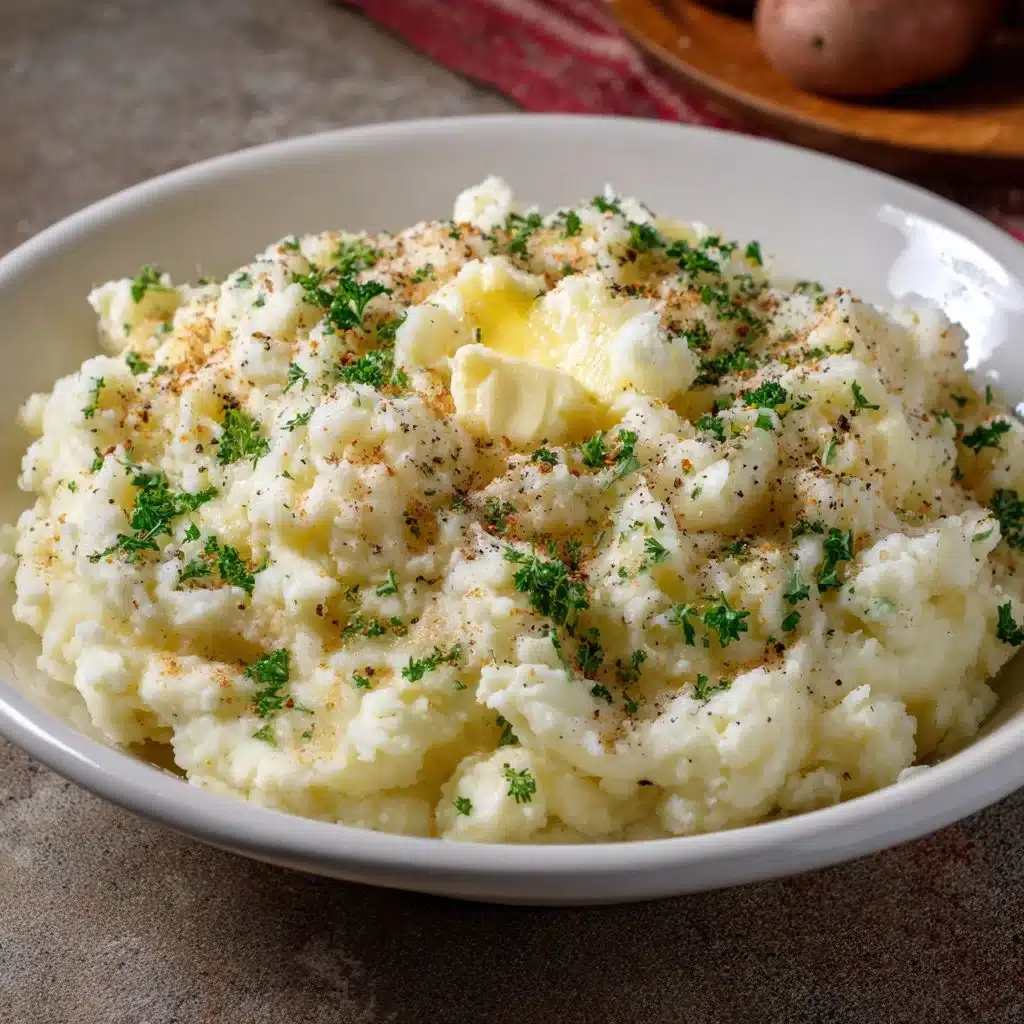
This method centers on heat control and timing. Start with evenly diced potatoes so they cook at the same rate. Salt the boiling water to season from the inside out. After draining, return the potatoes to the hot pot briefly to let steam escape; that step removes surface moisture that can thin the mash. Mash while the potatoes are hotcold potatoes become gluey. Add butter first so it melts and coats the potato before you add milk. Warm the milk to prevent cooling the potatoes and to help it incorporate smoothly. Add milk gradually until you reach your preferred consistency, then finish with salt and freshly ground pepper to taste.
Ingredients
- 4 large potatoes, peeled and diced
- 1/2 cup milk
- 1/4 cup butter
- Salt to taste
- Pepper to taste
Instructions
-
Boil the diced potatoes in salted water until tender.
-
Drain the potatoes and return them to the pot.
-
Add butter and mash the potatoes until smooth.
-
Gradually add milk until desired creaminess is reached.
-
Season with salt and pepper to taste.
Serving ideas
Serve these mashed potatoes alongside roasted or grilled proteins for a classic combo: roast chicken, pork tenderloin, meatloaf, or steaks pair beautifully. Spoon gravy or pan sauce over the potatoes for holiday dinners, or keep them plain for a versatile side that lets a bold main shine. For a cozy weeknight bowl, top the mash with browned butter and a sprinkle of chopped parsley or chives. For a more indulgent plate, nestle roasted garlic or soft-poached eggs into a shallow well in the mash.
You can also make the mash a base for vegetable-forward plates: top with sautéed mushrooms and caramelized onions, or pile on steamed greens for texture contrast. For family-style meals, transfer the mashed potatoes to an oven-safe dish, dot with extra butter, and broil briefly until the top shows golden spots for a rustic finish.
Storage tips
Cool mashed potatoes quickly and store them properly to keep texture and flavor. Transfer mashed potatoes to an airtight container and refrigerate within two hours of cooking. They last well for three to four days in the fridge. For longer storage, freeze mashed potatoes in freezer-safe containers or resealable bags; remove as much air as possible to prevent freezer burn. Label with the date and use within two months for best quality.
When reheating refrigerated mashed potatoes, add a splash of milk or a small pat of butter to loosen the texture. Reheat gently on the stove over low heat, stirring frequently, or use a microwave in short bursts, stirring between intervals. For frozen mashed potatoes, thaw overnight in the refrigerator before reheating, or reheat from frozen in a covered dish at low oven temperature until warmed through, stirring occasionally to restore creaminess.
DishGrub Kitchen Tips
Always start with a potato that suits mashingYukon Golds and Russets perform best. Yukon Golds give a naturally creamy texture and buttery flavor; Russets yield a fluffy, light mash. Cut potatoes into even pieces so they finish cooking at the same time. Use the right tool: a ricer or food mill produces the smoothest results without overworking the starch; a traditional hand masher gives a slightly more textured, homey result. Avoid electric mixers unless you want gluey, gummy potatoesmixers can overwork the starch.
Heat the milk or cream slightly before adding; cold dairy cools the potatoes and makes them dense. Taste as you seasonpotatoes need more salt than you might expect. If your mash turns out a touch bland, a spoonful of sour cream or a little grated cheese can add depth. If it gets too thin, add a small amount of instant mashed potato flakes or reduce it gently in a skillet to thicken.
Recipe variations
Make garlic mashed potatoes by boiling a couple of garlic cloves with the potatoes or stirring in roasted garlic at the end. For herb-forward mash, fold in chopped fresh parsley, chives, or thyme just before serving. Swap milk for half-and-half or heavy cream for a richer result, or use olive oil and a touch of milk for a dairy-light version that still feels creamy.
Add-ons can change the dish entirely: fold in grated cheddar and scallions for a loaded-style mash, or stir in horseradish and mustard for a tangy, savory twist. For a lighter take, substitute chicken or vegetable broth for part of the milk and finish with a drizzle of olive oil. You can also create a sweet, buttery side by adding a touch of brown sugar and cinnamon for holiday menus that split focus between savory and sweet offerings.
Common questions
What type of potato should I use for the creamiest mash?
Yukon Golds and Russets work best for mashed potatoes. Yukon Golds deliver a naturally creamy, buttery texture that needs less butter and dairy to feel rich. Russets produce a light, fluffy result if you avoid overworking them. Waxy potatoes like red potatoes hold their shape and make a chunkier, more rustic mash; they don’t break down as smoothly for a velvety texture.
How can I prevent gluey or gummy mashed potatoes?
The main cause of gluey mashed potatoes is overworking the starch. Use a ricer, food mill, or a hand masher rather than an electric mixer. Mash while the potatoes are hot, but stop as soon as they reach your desired consistency. Warm your dairy before adding it; cold milk makes you stir more and encourages gluey texture. Also, drain potatoes well and return them to the pot briefly to steam off excess moisture before mashing.
Can I make mashed potatoes ahead of time?
Yes. You can make mashed potatoes a day ahead and refrigerate them in an airtight container. Reheat gently on the stove over low heat with a splash of milk or a pat of butter, stirring frequently to restore creaminess. For holiday planning, you can also transfer the mash to a baking dish, cover, and keep in the fridge; before serving, add a little milk or cream and warm in a 350°F oven until hot, then broil briefly for a golden top. For longer storage, freeze mashed potatoes in portions and thaw in the refrigerator before reheating.
How do I adjust seasoning for a large batch?
Taste as you go and season incrementally. Potatoes take more salt than you might expect because their mild flavor needs balance. When scaling up, don’t simply multiply salt by the same ratio without tastingseason in stages and adjust at the end. Add a little acid like lemon juice or a spoonful of sour cream if the large batch tastes flat; that brightness can lift the overall flavor without over-salting.
How do I fix watery mashed potatoes?
If your mashed potatoes become watery from overcooking or excess milk, return them to the hot pot and cook gently over low heat, stirring frequently until some moisture evaporates. You can also add a small amount of instant mashed potato flakes or a spoonful of potato starch to thicken, adding a bit at a time until you reach the right consistency.
Conclusion
For a reliable, creamy result every time, follow simple technique and season as you go; you’ll have a bowl of mashed potatoes that fits weeknight dinners and holiday tables alike. For another trusted method and extra tips to make the silkiest texture, compare notes with Natasha’s Kitchen’s creamy mashed potatoes recipe.
Print
Creamy Mashed Potatoes
- Total Time: 35
- Yield: 4 servings
- Diet: Vegetarian
Description
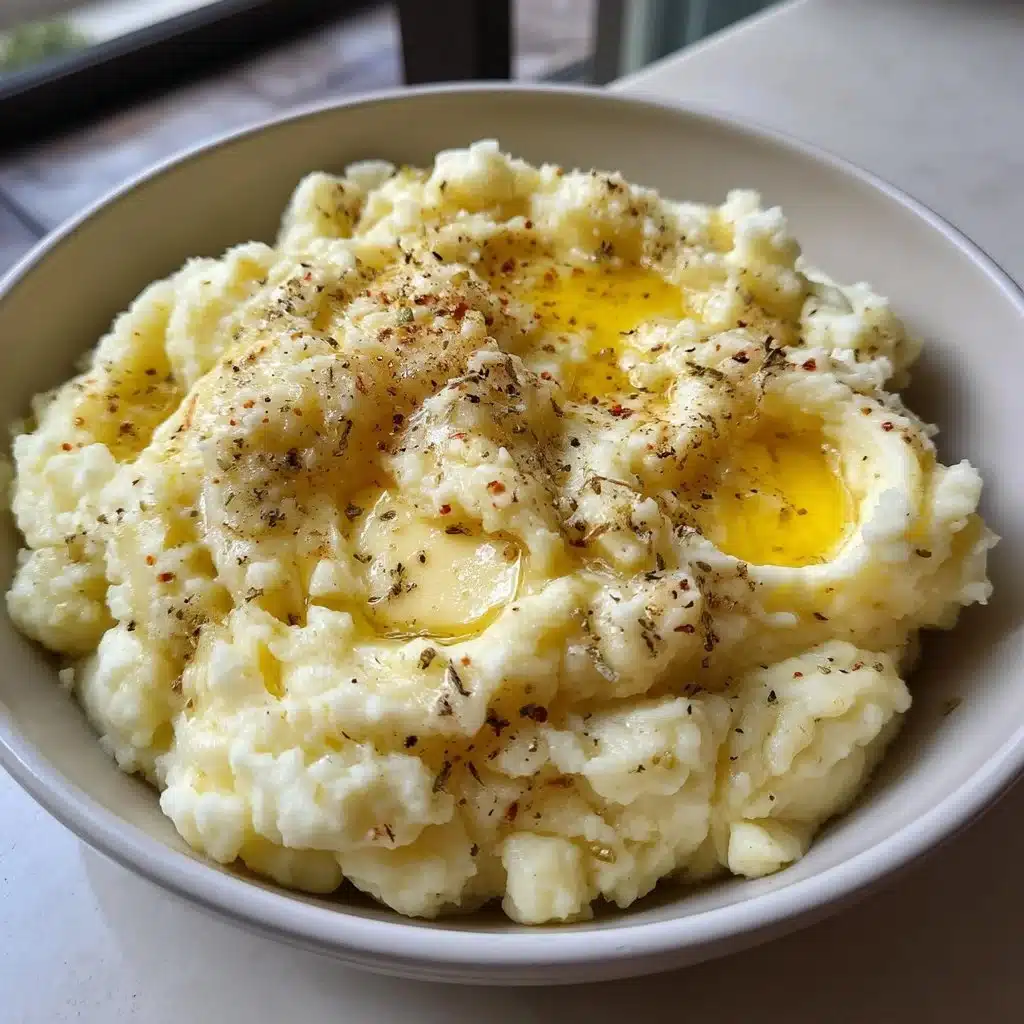
A classic recipe for creamy mashed potatoes, perfect for any occasion with a smooth texture and buttery flavor.
Ingredients
- 4 large potatoes, peeled and diced
- 1/2 cup milk
- 1/4 cup butter
- Salt to taste
- Pepper to taste
Instructions
- Boil the diced potatoes in salted water until tender.
- Drain the potatoes and return them to the pot.
- Add butter and mash the potatoes until smooth.
- Gradually add milk until desired creaminess is reached.
- Season with salt and pepper to taste.
Notes
Start with Yukon Gold or Russet potatoes for the best texture. Adjust seasoning to your taste and enjoy with various mains.
- Prep Time: 15
- Cook Time: 20
- Category: Side Dish
- Method: Boiling
- Cuisine: American