I learned to make Irish soda bread the way my grandmother did: quick, hands-on, and ready to feed whatever hungry family wandered into the kitchen. Her loaf didn’t rely on a long rise or fancy ingredients. It leaned on something simplerbaking soda, buttermilk, a little flour, and her steady hands. I remember the warm crust cracking under the knife and the room filling with the smell of toasted butter and comfort. We tore pieces off with our fingers and slathered them with jam or salty butter, and suddenly the ordinary moment felt like an occasion.
That memory stuck with me because soda bread gives you that kind of instant, small celebration. You can make it while dinner simmers, on a rainy Sunday morning, or when a neighbor drops by. This recipe honors that tradition: it keeps the method straightforward so the bread comes out reliable every time, with a golden crust and a crumb that eats well with soups, stews, or even a bowl of tea. I’ll walk you through why this loaf is forgiving, how to shape it without fuss, and a few ways to make it yours without losing the simple, homely soul of the bread.
At DishGrub we test recipes in real kitchens for real people, and we aim for cozy results that fit into busy lives. We keep techniques practical and directions friendly: no intimidating steps, just helpful guidance so you can feel confident at the stove. If you enjoy quick breads that deliver comfort without a complex schedule, explore our classic banana bread guide for another easy, crowd-pleasing loaf that bakes up with minimal fuss.
Why this recipe stands out
This Irish soda bread shines because it trades time in the oven for a few dependable techniques. Baking soda reacts immediately with the acid in buttermilk, so you don’t wait for yeast to work. That chemical lift gives you a tender crumb and a crisp, rustic crust in under an hour. The recipe relies on only four core ingredients, which keeps the flavor pure and the method accessible.
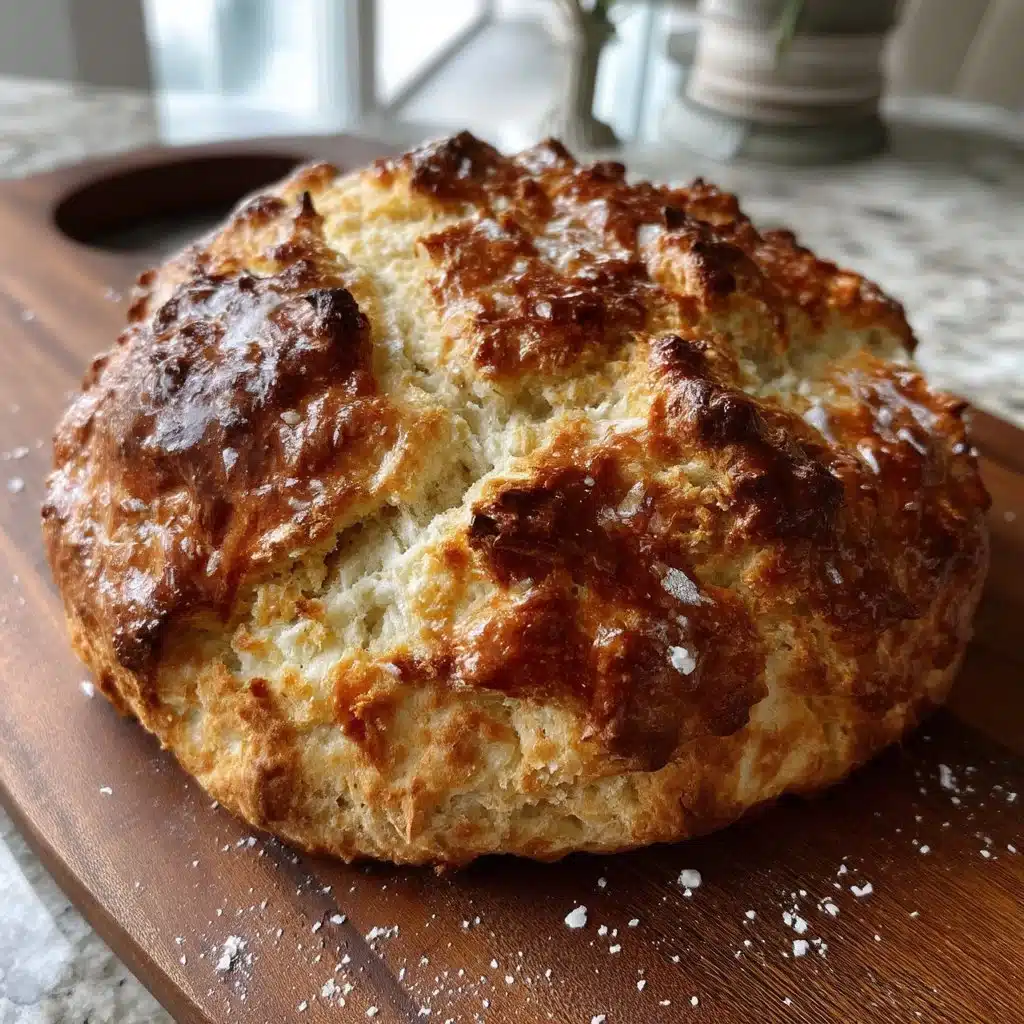
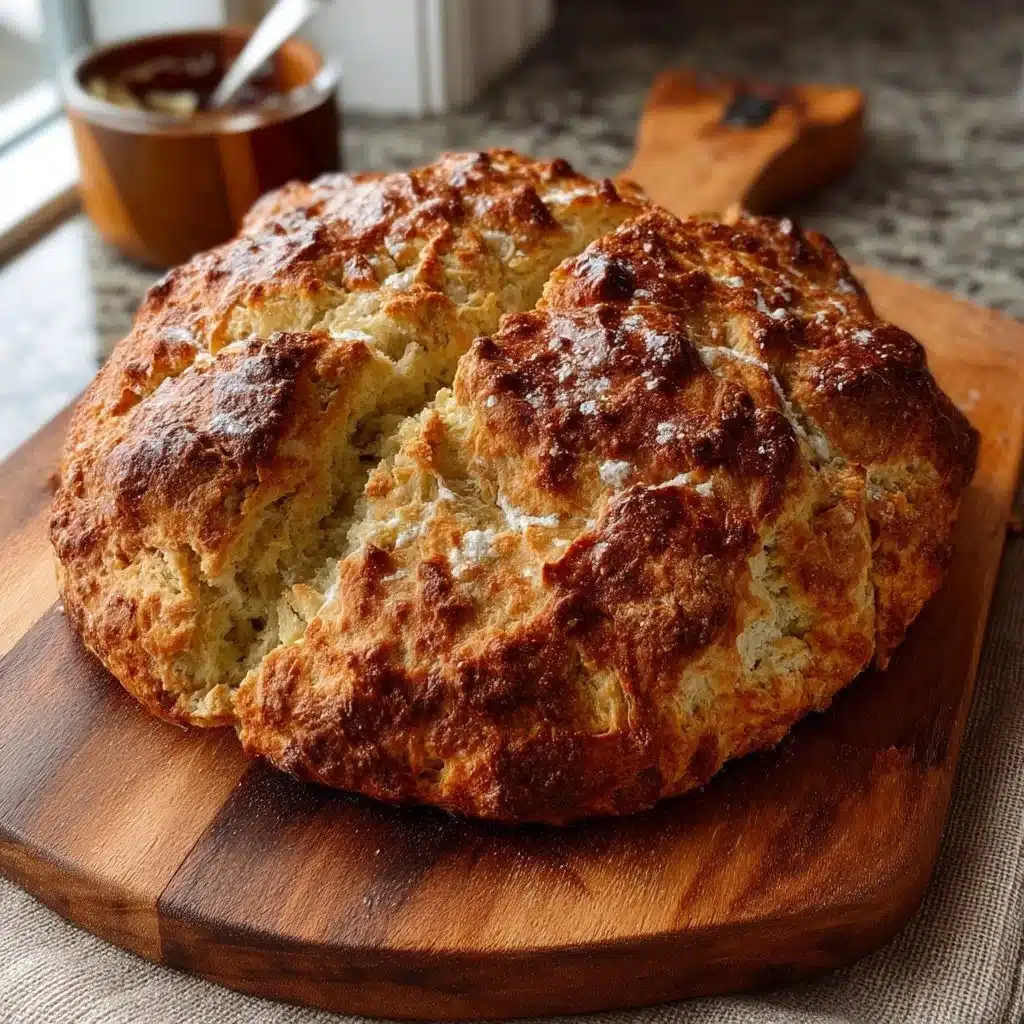
The loaf develops a satisfying, slightly tangy profile from the buttermilk and a true home-baked appearance from the cross cut on top. That cross isn’t just tradition; it helps the loaf expand and cook evenly. Because the dough requires only a gentle touch, anyone can make it without intensive kneading or special equipment. This makes the bread perfect for weekday dinners, last-minute guests, and cooks who appreciate straightforward, dependable baking.
How to prepare Irish Soda Bread
Soda bread’s simplicity hides a few small technical points that make a big difference. First, measure your flour properlytoo much or too little changes texture. Second, mix until the dough just holds together; overmixing will toughen the loaf. Third, the oven must be hot when the loaf goes in to develop that golden crust while the inside sets quickly.
Work quickly once you add the buttermilk to keep the reaction lively. When you shape the dough, press rather than stretch: you want to form a cohesive round without kneading. The cross on top both honors the bread’s Irish roots and directs steam release so the center cooks through. Finally, listen for a hollow sound when the loaf finishes bakingthis tells you the interior has baked correctly without slicing it open too early.
Ingredients
- 4 cups all-purpose flour
- 1 teaspoon baking soda
- 1 teaspoon salt
- 1 3/4 cups buttermilk
Instructions
- Preheat your oven to 425°F (220°C).
- In a large bowl, mix the flour, baking soda, and salt together.
- Make a well in the center and pour in the buttermilk.
- Stir until a soft dough forms.
- Turn the dough onto a floured surface and knead gently for about 1 minute.
- Shape the dough into a round loaf and place it on a baking sheet.
- Cut a deep cross on top of the loaf to help it cook evenly.
- Bake for about 30 minutes or until golden brown and sounds hollow when tapped on the bottom.
- Let cool on a wire rack before slicing.
How to serve this dish
Serve soda bread warm for the fullest flavor. Slice it with a serrated knife and offer a selection of simple toppings: salted butter, sharp cheddar, honey, or tangy jam. The bread pairs beautifully with hearty stews and creamy soups; its crust stands up well to a dunk in a bowl of beef stew or chowder. For breakfast, toast slices and top them with scrambled eggs, smoked salmon, or avocado.
For a more rustic presentation, tear the loaf into wedges and pile them in a bread basket lined with a cloth napkin. The bread’s slightly tangy crumb complements rich spreads and savory toppings, so think of it as a versatile side that makes even simple meals feel intentional.
How to keep leftovers
Store leftover soda bread at room temperature, wrapped in a clean kitchen towel or stored in a paper bag to protect the crust while preventing sogginess. It will stay fresh for about two days that way. For longer storage, slice the loaf and freeze the slices in an airtight container or heavy-duty freezer bag; frozen slices thaw quickly or toast straight from the freezer.
To revive a slightly stale loaf, sprinkle a little water on the crust and warm it in a 350°F oven for 5–10 minutes. That quick refresh will restore some of the bread’s original crispness. Avoid refrigerating the bread; cold temperatures dry it out faster.
DishGrub Kitchen Tips
- Measure flour by spooning it into the measuring cup and leveling it off; do not scoop directly with the measuring cup. This prevents packing and keeps your dough from going dry.
- Keep the dough shaggy and slightly sticky before shaping. If it feels dry, add a tablespoon of buttermilk at a time until it comes together.
- Use a heavy baking sheet or cast-iron skillet to help the bottom crust brown evenly. A preheated sheet can also boost oven spring when you drop the loaf onto it.
- If you want a shinier crust, brush the top with a little buttermilk or milk before baking. For a darker crust, brush with an egg wash, but that moves the bread away from classic soda bread simplicity.
- Test doneness by tapping the bottom of the loaf with your knuckles; it should sound hollow. A clean toothpick in the center can confirm it too.
Make it your own
Soda bread invites small, thoughtful tweaks without complicating the method. Add 1 tablespoon of sugar and a handful of raisins for a touch of sweetness that turns this into a tea loaf. Fold in a heaping cup of grated cheddar and a tablespoon of chopped fresh chives for a savory variation that pairs wonderfully with soups.
For whole-grain flavor, swap up to half the all-purpose flour with whole-wheat flour and increase the buttermilk by a couple of tablespoons to compensate for the denser flour. Add seedssunflower, pumpkin, or carawayinto the dough or sprinkled on top for extra texture and flavor. If you like a heartier crust, dust the top lightly with cornmeal before baking.
Common questions
Q: Can I make soda bread without buttermilk?
A: You can substitute a homemade buttermilk by mixing 1 3/4 cups of milk with 1 3/4 teaspoons of lemon juice or vinegar, letting it sit for 5 minutes before using. The acid activates the baking soda. Avoid using plain milk without acid; the loaf will not rise properly and may taste flat.
Q: Why does soda bread sometimes come out dense?
A: Dense soda bread often results from overmixing, incorrect flour measurement, or expired baking soda. Mix the dough until it just comes together; overworking develops gluten and creates toughness. Measure your flour by spooning and leveling, not scooping. Also check your baking sodaif it no longer reacts with an acid, replace it.
Q: How do I get a crisp crust and a tender interior?
A: A hot oven (425°F) helps set the crust quickly while the interior bakes through. Don’t over-knead; that keeps the crumb tender. Bake on a heavy sheet to promote even browning. If the top browns too quickly, tent loosely with foil during the last 5–10 minutes.
Q: Can I add mix-ins like raisins or cheese without changing baking time?
A: Yes. Small additions like raisins, cheese, or herbs rarely require adjusting baking time. Keep the dough consistency similar; if mix-ins absorb moisture (dried fruit), add a bit more buttermilk. Large quantities of mix-ins may increase the baking time by a few minuteswatch for the hollow tap to confirm doneness.
Conclusion
If you want a straightforward, satisfying loaf that brings warmth to any meal, this Irish soda bread delivers with minimal fuss and maximum comfort. For a classic take with slightly different proportions and additional tips from a well-tested source, see Grandma’s Irish Soda Bread – Sally’s Baking.
Print
Irish Soda Bread
- Total Time: 45 minutes
- Yield: 8 servings
- Diet: Vegetarian
Description
A simple and quick Irish soda bread recipe that evokes warmth and comfort, perfect for any occasion.
Ingredients
- 4 cups all-purpose flour
- 1 teaspoon baking soda
- 1 teaspoon salt
- 1 3/4 cups buttermilk
Instructions
- Preheat your oven to 425°F (220°C).
- In a large bowl, mix the flour, baking soda, and salt together.
- Make a well in the center and pour in the buttermilk.
- Stir until a soft dough forms.
- Turn the dough onto a floured surface and knead gently for about 1 minute.
- Shape the dough into a round loaf and place it on a baking sheet.
- Cut a deep cross on top of the loaf to help it cook evenly.
- Bake for about 30 minutes or until golden brown and sounds hollow when tapped on the bottom.
- Let cool on a wire rack before slicing.
Notes
Serve warm with toppings like salted butter, sharp cheddar, honey, or jam. Store leftovers at room temperature wrapped in a towel or in a paper bag.
- Prep Time: 15 minutes
- Cook Time: 30 minutes
- Category: Bread
- Method: Baking
- Cuisine: Irish