I grew up watching summer afternoons change color through a pitcher of something cold and bright on the kitchen counter. My family treated big-batch drinks the same way other cooks treat casseroles: an easy, generous thing you make for company and keep making until everyone is full. Mango and hibiscus together feel like that kind of generosity: warm, tropical fruit softened by tart floral notes, poured over ice and handed around like a small celebration. It’s the kind of drink you make when you’re tending a grill, when kids come back sweaty from the yard, or when you want to bring a bright note to a grey week. This iced tea has a way of making a simple meal feel intentional without being fussy.
At DishGrub, we test dishes until they feel like second nature in a home kitchen. We focus on comfort, practicality, and flavors you’ll want to repeat. Our recipes aim to be bold in taste but gentle in technique, the sort of thing you can make on a weeknight or for a weekend gathering. If you enjoy easy, welcoming recipes like our classic chicken-fried steak, try pairing it with a pitcher of Mango Hibiscus Iced Tea for contrast and sparkle: the tea’s tartness cuts through rich fried flavors and refreshes the palate. We write for real cooks who want dependable results and recipes that fit into a busy life without sacrificing warmth or satisfaction.
Why you’ll love this dish
This Mango Hibiscus Iced Tea brings two straightforward ingredients together and turns them into something that feels special. Dried hibiscus flowers make a tea that’s ruby bright and tart, giving the drink backbone and a floral lift. Ripe mango purée supplies sweetness, lush body, and a sunny color that complements hibiscus both visually and on the palate. Together they create balance: hibiscus keeps the sweetness from being cloying, and mango softens the tea’s tang with creamy fruit flavor.
The recipe scales well. Make a single pitcher for a small family meal or quadruple the hibiscus and mango purée for a weekend party. You can steep the tea ahead and keep mango purée in the fridge for a few days, which makes assembly fast. This drink also adapts easily to adult variations (a splash of rum or tequila at serving) or to lighter versions with sparkling water for a fizzy, lower-sugar option.
How to prepare Mango Hibiscus Iced Tea
Start by thinking in two parts: the hibiscus tea and the mango purée. The hibiscus infuses quickly and benefits from full extraction, so steep it in near-boiling water for a bold color and tartness. Cooling the tea completely before mixing prevents the purée from warming up and keeps the texture silky. For the mango purée, pick a ripe mango that yields slightly when pressed and smells sweet at the stem end. A blender or food processor will turn the fruit into a smooth base you can spoon or strain depending on how silky you prefer it.
If you want an easy make-ahead plan, steep the tea in the morning and chill it; make the purée later in the day or the night before. Store the purée in an airtight container in the fridge and stir it into chilled hibiscus when you’re ready to serve. When you host a simple backyard meal—maybe something rich and crispy like our classic chicken-fried steak recipe—this tea keeps things balanced and bright on the table.
Ingredients
- 2 tbsps dried hibiscus flower
- 5 cups boiling water
- 1 large mango
- 1 tbsp lemon juice
- 2 tbsps agave syrup
- 1 tbsp water
- Ice

Instructions
-
Hibiscus Tea: Add 2 tablespoons of dried hibiscus flowers to a tea kettle and pour in 5 cups of boiling water. Let it steep and cool down completely. To speed up the cooling process, transfer it to the fridge after 30 minutes.
-
Mango Purée: Slice a large ripe mango and add it to a blender with lemon juice, agave syrup, and a splash of water. Blend until smooth. Store in an airtight container in the fridge.
-
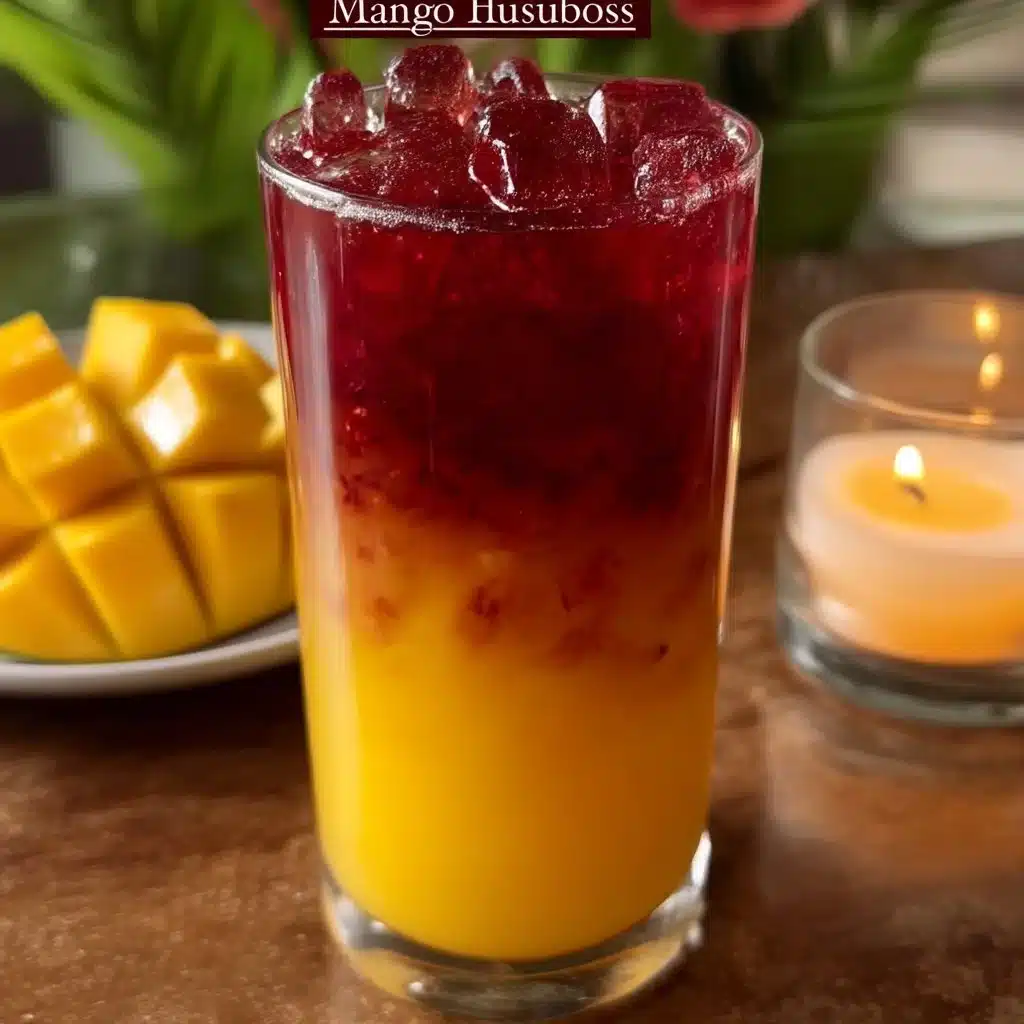
Serving: In a glass, add mango purée, ice, and chilled hibiscus tea. Stir well and enjoy!
Serving ideas
Serve this iced tea in tall glasses over plenty of ice for casual refreshment, or in mason jars with garnishes for a picnic-ready presentation. A few thin mango slices or a lemon wheel tucked on the rim makes it look put together without extra fuss. For a party, offer a pitcher of chilled hibiscus and a bowl of mango purée alongside fresh mint and lime wedges so guests can build their own glass. That way, you support different sweetness preferences and guests can pick how bright or mellow they want their drink.
For an afternoon spread, pair the tea with salty, crunchy snacks—chips and salsa, spiced nuts, or a tangy slaw—because the hibiscus cuts through fats and closes the palate between bites. For a heartier supper, its bright acidity complements grilled proteins and fried mains; the acidic notes refresh the mouth after a rich bite. If you want an adult cocktail, add a shot of tequila or white rum to each glass and top with a splash of soda water for sparkle.
How to store it properly
You can keep the hibiscus tea and mango purée separately to preserve the best texture. Store the strained hibiscus tea in a covered pitcher or container in the refrigerator for up to four days; flavor may mellow slightly but will remain vibrant for several days. Keep the mango purée in an airtight jar for up to three days. If the purée darkens slightly, it’s still fine—stir well before using.
If you combine the purée and tea into a pitcher, drink within 24 to 48 hours for the best texture and flavor. Ice dilutes the drink as it melts, so assemble glasses right before serving. For longer storage, freeze mango purée in ice cube trays; pop a few cubes into a glass with tea for a fruity chill that won’t water down as fast.
DishGrub Kitchen Tips
Use ripe mangos for the richest flavor. A perfectly ripe mango gives the purée a fragrant sweetness and smooth texture; underripe fruit makes the purée thin and a little starchy. To check ripeness, press gently—if it yields slightly and smells sweet near the stem, it’s ready.
When steeping hibiscus, avoid boiling the flowers for too long because a prolonged boil can make the tea overly tannic. Steep for about 10 to 15 minutes, then strain. If you prefer a milder tea, start with 1 tablespoon of hibiscus and taste as it cools; you can always add more later.
If you want to serve this with a heavier, Southern-style meal, a bright pitcher of this iced tea pairs well with fried and comfort foods—try it alongside our crispy chicken-fried steak for a contrast that keeps each bite lively. Keep simple syrups, citrus wedges, and sparkling water nearby so guests can customize sweetness and fizz.
Recipe variations
Make it sparkling: Replace a quarter to half of the hibiscus tea with chilled sparkling water at the time of serving for a fizzy mango-hibiscus spritzer.
Lower the sugar: Reduce the agave syrup or swap for a sugar-free sweetener to suit dietary needs. You can also rely on riper mangos and a squeeze of extra lemon to balance tartness without more sugar.
Add herbs and aromatics: Muddle mint, basil, or a few slices of fresh ginger into the mango purée for an herbal or spicy kick. Strain if you prefer a smooth drink.
Turn it into a mocktail or cocktail: Add a splash of lime and a shot of white rum or tequila to each glass for an adult version. For a nonalcoholic mocktail, add a splash of ginger beer for warmth and bite.
Use different fruit: Swap mango for peach or ripe pineapple for a different tropical profile. When substituting, taste and adjust the lemon and agave ratio to balance acidity and sweetness.
Frequently asked questions
Q: Can I use store-bought hibiscus tea bags instead of dried hibiscus flowers?
A: Yes. If you have hibiscus tea bags, use two to three standard tea bags for the strength equivalent of 2 tablespoons of dried flowers and steep according to the package directions—usually 5 to 10 minutes in boiling water. Taste as it cools and adjust steeping time to control tartness. Remember that bagged teas sometimes mix hibiscus with other herbs, which can alter the flavor profile; if you want the pure floral-tart hibiscus note, check the ingredient list.
Q: How do I know when a mango is ripe enough for purée?
A: Ripe mangos give slightly when you press near the stem and release a fragrant, sweet aroma. The skin color varies by variety, so don’t rely solely on color. If the fruit feels soft but not mushy and smells sweet at the stem end, it will purée smoothly and taste rich. If a mango is underripe, let it sit at room temperature for a couple of days to soften before puréeing.
Q: Can I make this sugar-free or suitable for diabetics?
A: Yes. Reduce or omit the agave syrup, and rely on the natural sweetness of a very ripe mango and a splash of lemon to balance the hibiscus. If you want a substitute sweetener, use a measured amount of stevia, erythritol, or another preferred sugar alternative, and taste as you go. When replacing sweetness, do it gradually since sweeteners vary in intensity.
Q: What if my hibiscus tea turns out too tart or too strong?
A: If the tea tastes too tart, dilute it with water or add more mango purée to soften the acidity. A touch of sweetness—more agave or a little simple syrup—can also balance the tartness. If the tea tastes overly strong or bitter, strain it again and dilute with cold water or add more iced water before mixing with the purée.
Conclusion
Make a big pitcher early in the day and let it chill so the flavors have time to settle; it rewards the simplest meals and upgrades casual gatherings. If you like trying different hibiscus blends, you might also enjoy a ready-made twist on this flavor combination from Hibiscus Mango Iced Tea – Smith Teamaker, which can inspire variations and give you a taste reference when you tweak steeping time or sweetness at home.