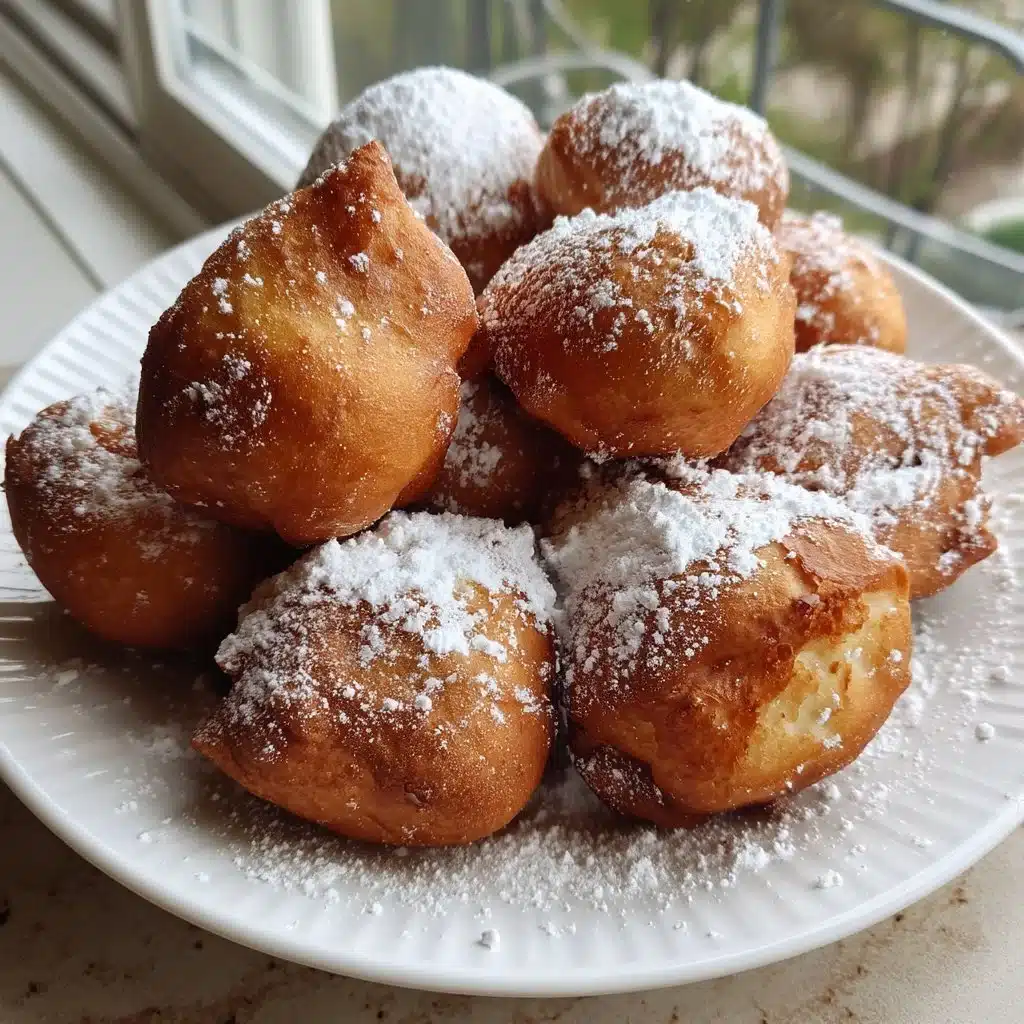
There’s nothing like a hot beignet straight from the fryer on a slow weekend morning.
You catch that first puff of powdered sugar on your lips, and the kitchen fills with a warm, buttery scent that feels like home.
I learned to love beignets at a small table in the French Quarter, watching powdered sugar drift like winter while a brass band played two streets over. This recipe gives you that moment at your own kitchen table without the travel or the crowds. I chose ingredients you can find in any pantry and steps you can follow without special equipment. The dough stays soft, the oil stays steady, and the result tastes light and cloud-like rather than heavy and greasy. Share a plate with someone you love and watch how a simple ritualthe frying, the dusting, the first bitebrings people together. Serve them with coffee, cocoa, or a bowl of fresh fruit for color and contrast. These beignets focus on flavor and texture: tender interior, crisp exterior, and that signature powdered-sugar finish that makes every bite feel celebratory.
DishGrub tests every recipe in modest kitchens, not test-kitchen castles. We tune measurements so home cooks get consistent results and suggest shortcuts that save time without losing comfort. Our New Orleans-style beignet recipe comes from small-batch testing and real family breakfasts; the directions keep things practical and forgiving. If you love classic desserts with a straightforward method, this recipe pairs well on a brunch menu. For another tried-and-true dessert to add to your baking rotation, check out our New York cheesecake guide for tips on making a smooth, reliable cheesecake that travels well to potlucks and family dinners.
Why this recipe stands out
This beignet recipe strips the process down to essentials so you get consistent results in a home kitchen. I focused on approachable ingredients and a forgiving dough that tolerates slight variations in temperature and flour absorption. The yeast yields a gentle rise that creates the light interior you expect from New Orleans beignets, while a short rest and a quick roll deliver a tender bite without hours of kneading.
I also balanced richness and sweetness. The melted butter and whole egg provide flavor and structure without weighing the dough down. Frying in a neutral oil at a controlled temperature develops a golden exterior that stays crisp long enough to enjoy, while powdered sugar provides the nostalgic finish. This recipe works well for cooks on a schedule: you can make the dough in the morning and fry up a fresh batch before guests arrive, or prepare it the night before and let it rise slowly in the refrigerator for an easy morning treat.
How to prepare New Orleans Beignets
Ingredients
- 2 cups all-purpose flour
- 1/4 cup granulated sugar
- 1 packet (2 1/4 teaspoons) active dry yeast
- 1/2 cup water
- 1/2 cup milk
- 1 egg
- 1/4 cup unsalted butter, melted
- 1/4 teaspoon salt
- Powdered sugar, for dusting
Instructions
-
Warm the water until it feels like warm bath water and stir in the yeast; let it sit until it foams.
-
Whisk together the flour, granulated sugar, and salt in a separate bowl.
-
Pour the foamy yeast mixture, the milk, the beaten egg, and the melted butter into the flour mixture and stir until a loose dough begins to form.
-
Turn the dough onto a lightly floured surface and knead by hand until smooth and elastic.
-
Place the dough in a greased bowl, cover with a towel or plastic wrap, and let it rise in a warm spot until it doubles in size, about 1 to 2 hours.
-
Lightly flour your work surface, roll the dough to about 1/4 inch thick, and cut it into squares with a knife or pizza cutter.
-
Heat a deep pot of neutral oil to 350°F, and carefully fry the dough squares until they turn golden brown, about 2 to 3 minutes per side.
-
Transfer the fried beignets to a rack or paper towels to drain and immediately dust them with powdered sugar before serving.
How to serve this dish
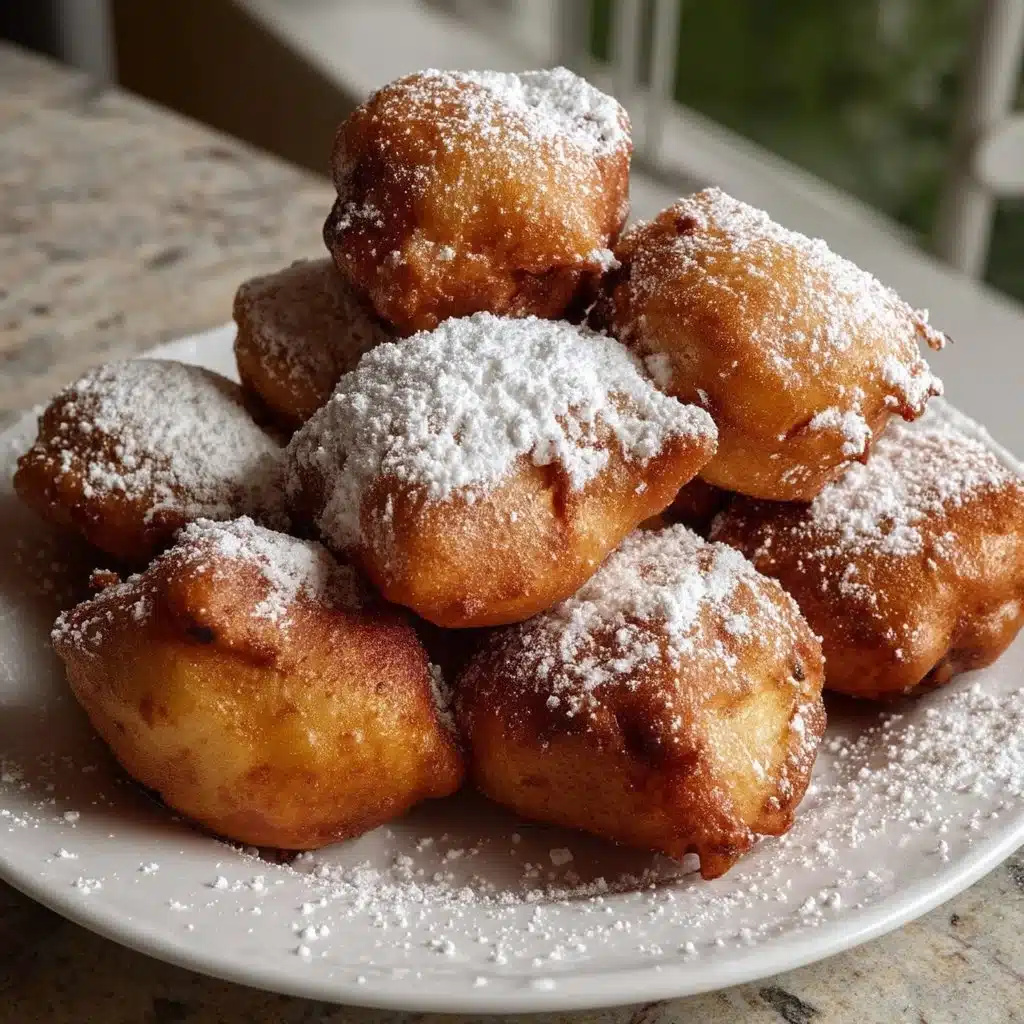
Serve beignets hot for the best contrast between crisp exterior and pillowy interior. Arrange them on a large platter dusted with extra powdered sugar to catch any falling snow. Offer strong coffee, chicory coffee if you have it, or a spicy hot chocolate alongside to balance the sweetness. For a brunch spread, place bowls of fresh berries, orange segments, and nutty granola nearby so guests can build a plate that feels balanced.
You can also serve beignets with dipping options. A warmed fruit coulis, a quick caramel sauce, or a simple chocolate ganache make elegant companions. For a seasonal twist, serve with a warm apple butter in the fall or a lemon curd in spring and summer. If you plan to present beignets at a party, fry them in batches and keep them on a baking sheet in a 200°F oven for short holds; they will stay warm for about 20 to 30 minutes without becoming soggy.
How to store it properly
Beignets taste best fresh, but you can store leftovers with care. Cool any uneaten beignets on a wire rack until they reach room temperature. Place them in an airtight container with a piece of paper towel to absorb excess moisture and prevent sogginess. Store at room temperature for up to 24 hours; refrigeration will dry them out, so avoid the fridge unless you plan to reheat.
To reheat, use a low oven or toaster oven at 300°F for 5 to 8 minutes to refresh the crisp exterior. You can also refry briefly in hot oil for 20 to 30 seconds per side to restore crunch, then dust again with powdered sugar. For longer storage, freeze cooled beignets in a single layer on a sheet tray, then transfer frozen pieces to a freezer bag for up to one month; reheat from frozen in a 350°F oven for 8 to 12 minutes.
Recipe tips for success
Measure ingredients by weight when you can; flour levels vary by scooping method, and a kitchen scale gives you repeatable results. If you must scoop cups, spoon the flour into the measuring cup and level it off rather than packing it.
Check the water temperature for the yeast: it should feel warm but not hot. Temperatures above 120°F can kill yeast and prevent the dough from rising. If the yeast doesn’t foam within 10 minutes, discard and start with fresh yeast and fresh water.
Control the oil temperature with a candy or instant-read thermometer. Oil that runs too hot will brown the beignets on the outside before they cook through; oil that runs too cool will absorb too much and feel greasy. Keep the temperature steady around 350°F and fry in small batches so the oil temperature recovers quickly.
When cutting the dough, avoid stretching the shapes; press straight down to keep edges clean. That prevents irregularities that puff unevenly during frying. If you want perfectly square beignets, use a ruler to guide your cuts or a cookie cutter for round shapes.
Make it your own
Customize this base recipe in many ways without losing the beignet identity. Fold in a pinch of cinnamon or nutmeg to the dough for a warm spice note. Add a tablespoon of vanilla extract for extra aroma or swap a tablespoon of the milk for buttermilk to create a slightly tangy crumb.
If you enjoy filled pastries, pipe a small amount of jam, pastry cream, or chocolate into the center after frying, using a piping bag fitted with a narrow tip. For savory variations, reduce the sugar, add shredded cheese and chopped herbs to the dough, and fry smaller rounds to serve as a party snack.
For an indulgent presentation, serve dusted beignets with a drizzle of caramel and flaky sea salt, or top with whipped cream and a quick berry compote. Keep experiments modest to maintain the classic airy texture that makes beignets so irresistible.
Frequently asked questions
Q: Can I make the dough ahead of time?
A: Yes. You can prepare the dough and let it rise once, then punch it down and refrigerate it overnight in a covered container. The cold slow-rise develops flavor and gives you a head start in the morning. Remove the dough from the refrigerator about 30 to 60 minutes before you plan to roll it out so it softens enough to roll easily. Allowing it to sit at room temperature helps the dough relax, which reduces resistance and makes cutting cleaner shapes.
Q: What oil should I use for frying?
A: Use a neutral oil with a high smoke point, such as vegetable oil, canola oil, or peanut oil. These oils tolerate repeated heating and won’t impart strong flavors that compete with the beignets. Avoid olive oil because it smokes at lower temperatures and leaves a pronounced flavor. Monitor the oil temperature closely and use a thermometer so you maintain the ideal 350°F frying temperature.
Q: Why didn’t my beignets puff up properly?
A: Several factors can reduce puff: old yeast, water that was too hot or too cold for activation, or dough that did not rise long enough. Always check the expiration date on your yeast and proof it in warm water to make sure it foams before adding it to the flour. Also avoid overworking the dough after the first rise; excessive handling can deflate the air bubbles the yeast created. Finally, maintain proper frying temperature; if the oil runs too cool, the dough will absorb oil instead of puffing and crisping.
Q: Can I bake these instead of frying?
A: You can bake fried-style dough to reduce oil use, but you will not get the same crisp exterior that frying produces. To bake, brush the cut dough with melted butter and bake at 425°F for 8 to 12 minutes until golden, then dust with powdered sugar. The texture will be slightly denser and less airy, but baking provides a reasonable compromise when frying isn’t an option.
Q: Can I scale this recipe up for a crowd?
A: Yes. The dough scales well, but increase your frying capacity by preparing multiple pots or frying in batches so the oil temperature recovers quickly between batches. Keep finished beignets warm in a low oven set to 200°F and place them in a single layer on a baking sheet to avoid steaming. If you expect to serve many people, consider doubling the dough and staggering frying so you can plate fresh, hot beignets throughout the event.
Conclusion
For an in-depth take on the classic New Orleans preparation and a different set of tips, compare this recipe with the detailed New Orleans Beignets Recipe which offers another home-cook-friendly approach and helpful photos to guide you.
Print
New Orleans Beignets
- Total Time: 80 minutes
- Yield: 4 servings
- Diet: Vegetarian
Description
Experience the delight of homemade New Orleans beignets with this approachable recipe featuring a tender interior and crisp exterior, dusted with powdered sugar.
Ingredients
- 2 cups all-purpose flour
- 1/4 cup granulated sugar
- 1 packet (2 1/4 teaspoons) active dry yeast
- 1/2 cup water
- 1/2 cup milk
- 1 egg
- 1/4 cup unsalted butter, melted
- 1/4 teaspoon salt
- Powdered sugar, for dusting
Instructions
- Warm the water until it feels like warm bath water and stir in the yeast; let it sit until it foams.
- Whisk together the flour, granulated sugar, and salt in a separate bowl.
- Pour the foamy yeast mixture, milk, beaten egg, and melted butter into the flour mixture and stir until a loose dough forms.
- Turn the dough onto a lightly floured surface and knead by hand until smooth and elastic.
- Place the dough in a greased bowl, cover with a towel or plastic wrap, and let it rise in a warm spot until it doubles in size, about 1 to 2 hours.
- Lightly flour your work surface, roll the dough to about 1/4 inch thick, and cut it into squares.
- Heat a deep pot of neutral oil to 350°F, and carefully fry the dough squares until they turn golden brown, about 2 to 3 minutes per side.
- Transfer the fried beignets to a rack or paper towels to drain and immediately dust them with powdered sugar before serving.
Notes
Serve beignets hot for the best texture contrast. Pair them with strong coffee or spicy hot chocolate. Store leftovers in an airtight container at room temperature for up to 24 hours.
- Prep Time: 60 minutes
- Cook Time: 20 minutes
- Category: Dessert
- Method: Frying
- Cuisine: Creole