Comfort food lives in the small, shared moments: a warm skillet passed between friends, the quick forkful that tastes like home, the little ritual of scraping the bottom of the pan while someone pours the tea. Snap Pea Fried Rice keys into that exact feeling — humble, fast, and endlessly comforting. It cooks up in the time it takes to decide what’s for dinner and fills the kitchen with garlic and soy-scented steam that draws everyone in. It works for nights when you need something filling without a fuss, for leftover rounds when you want to stretch a takeout portion, and for a weeknight when you swap a tired side into the star of the plate.
At DishGrub we test recipes until they behave predictably in a busy American kitchen. We pick ingredients you can find at any grocery store, trim techniques to cut the fuss, and focus on flavor that lands every time. We’ve tuned this snap pea fried rice so the peas stay crisp, the rice heats evenly, and the eggs fold in silky ribbons without overcooking. If you’re curious about another low-carb swap for fried rice, try our version of cauliflower fried rice for a lighter take that still satisfies. We design recipes to get dinner on the table fast, keep cleanup minimal, and let you relax into the meal — exactly what dinner should do.
Why this recipe works
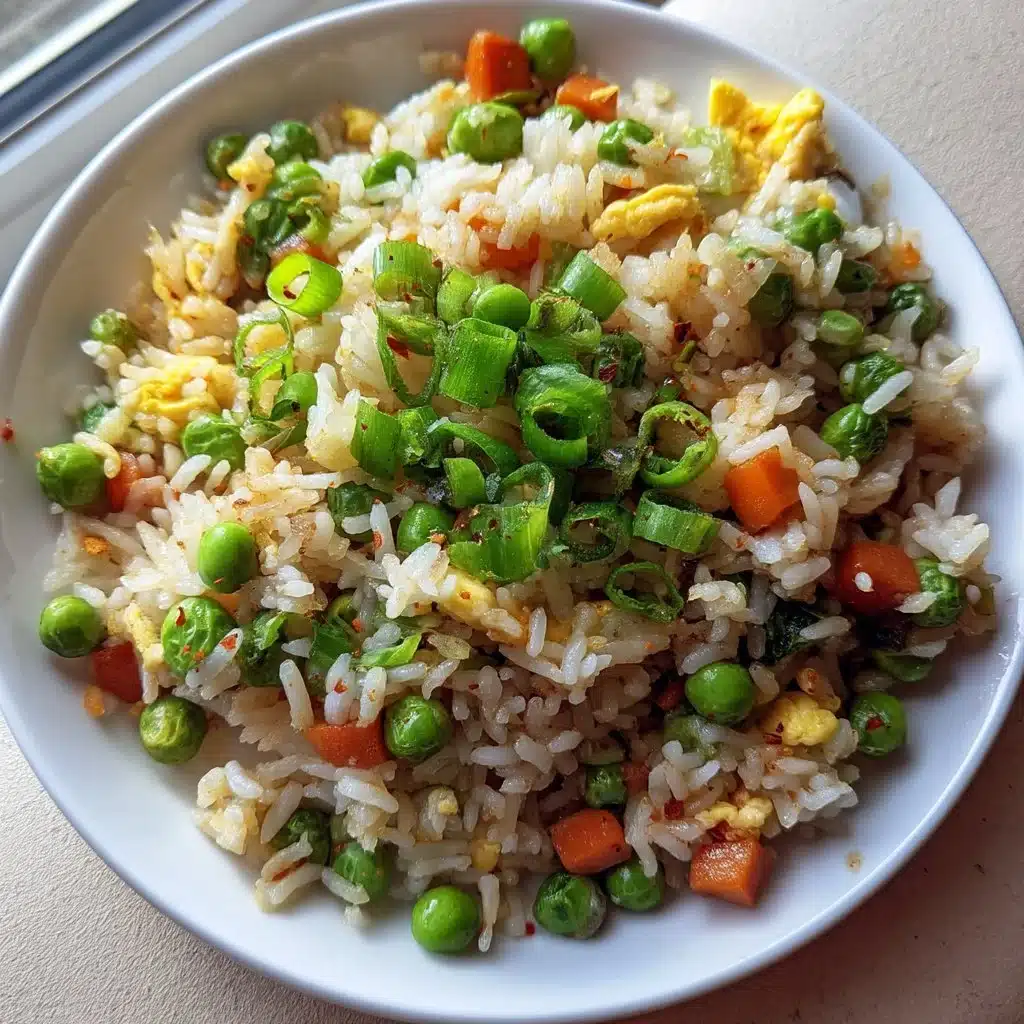
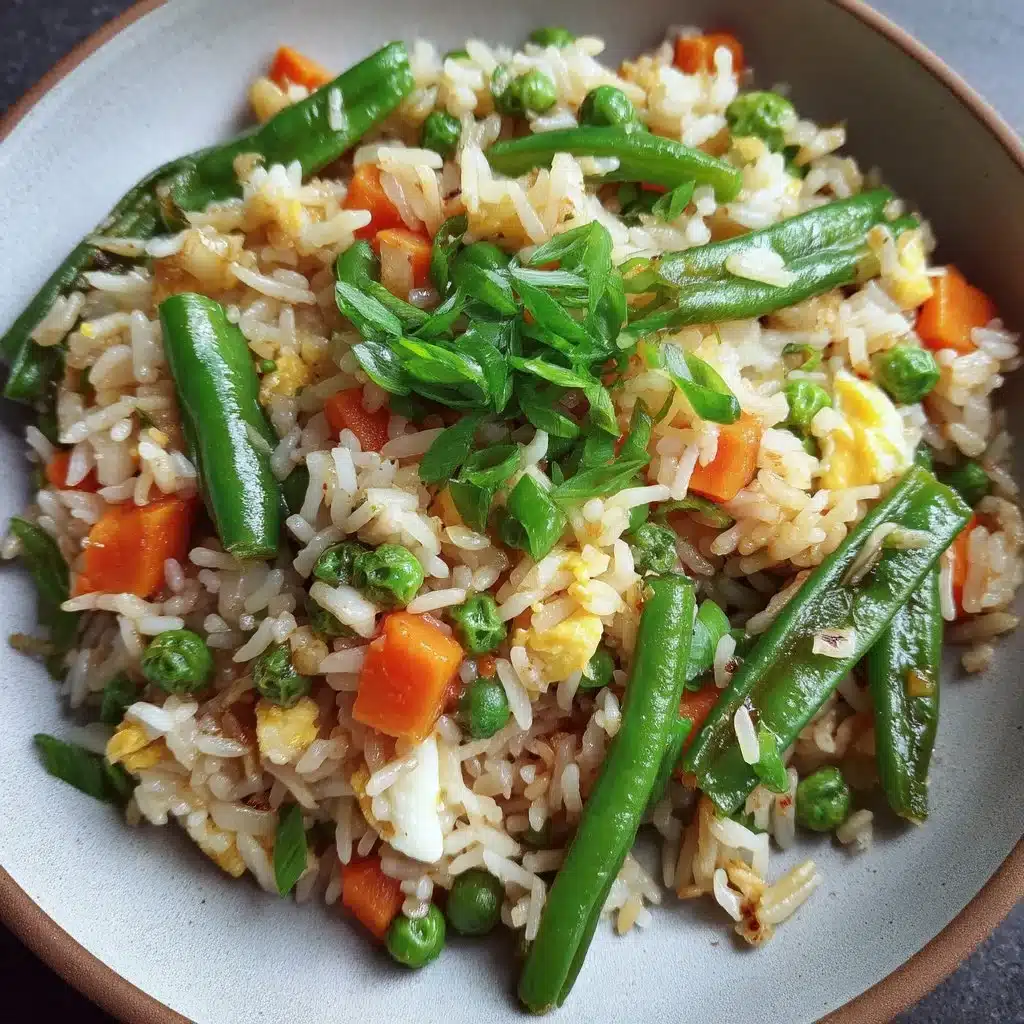
Fried rice succeeds when contrasting textures and quick heat converge. Snap peas bring a bright snap and a clean flavor that balances the salty, savory backbone of soy sauce and garlic. Using cooked rice gives the dish structure: the grains separate instead of clumping, so every bite gets an even toast. High heat and a single large pan let you sear edges and caramelize the onion and carrot slightly, building more flavor in a short time.
The egg plays two roles. When you scramble it in the pan, it creates soft, custardy pockets that disperse through the rice and cling to the vegetables. That contrast takes the dish from a simple stir-fry to a cozy, substantial meal. Vegetable oil tolerates the higher heat without smoking, and a small splash of soy sauce seasons the whole skillet without overpowering the snap peas’ brightness.
We designed this version to work with ordinary pantry staples and minimal prep. That means you can pull it together any night of the week, and it scales easily if you want leftovers for lunches. The technique also adapts well: swap proteins, change the sauce, or add seeds and herbs to shift the flavor profile while keeping the same quick-cook method.
How to prepare Snap Pea Fried Rice
Set out all ingredients before you heat the pan; fried rice moves fast and needs everything within reach. Use day-old rice if you have it; it’s dryer and fries into separate grains. If you must use freshly cooked rice, spread it on a sheet pan and let it cool briefly so steam escapes. Trim the snap peas and slice the carrot into small, even dice so everything cooks at the same rate.
Heat a large skillet or wok until it’s hot to the touch, then add the oil and swirl to coat. Sauté the onion and garlic until they release their aroma and the onion becomes translucent. Add carrots and snap peas next; give the veggies a couple of minutes to soften while keeping that fresh crunch. Push the vegetables aside, pour in beaten eggs, and scramble them gently so they set into soft curds. Fold the rice in last, with soy sauce seasoning the mixture as you toss. Finish with green onions for a fresh lift. Work quickly, keep the heat relatively high, and don’t overcrowd the pan.
Ingredients
- 2 cups cooked rice
- 1 cup snap peas, trimmed
- 2 tablespoons vegetable oil
- 2 cloves garlic, minced
- 1 onion, diced
- 1 carrot, diced
- 2 eggs, beaten
- 3 tablespoons soy sauce
- Salt and pepper to taste
- Green onions for garnish
Instructions
-
Heat the vegetable oil in a large skillet or wok over medium-high heat.
-
Add onion and garlic, and sauté until fragrant.
-
Add diced carrot and snap peas, and cook for a few minutes until vegetables are tender.
-
Push the vegetables to the side of the pan and pour in the beaten eggs, scrambling until fully cooked.
-
Stir in the cooked rice, soy sauce, salt, and pepper. Mix everything together well, and cook for another few minutes until heated through.
-
Serve hot, garnished with green onions.
Serving ideas
Serve this snap pea fried rice straight from the pan for casual family dinners — it works great in wide, shallow bowls so each portion keeps the crispy bits. For a heartier meal, spoon it next to a simply seared protein: grilled chicken, pan-fried salmon, or quick shrimp that cook in minutes. For a Southern-style contrast, pair the rice with a crisp piece of fried chicken or even add a light drizzle of sesame oil and serve alongside roasted greens to round out the plate.
For family-style meals, set out small bowls of condiments: extra soy sauce, sriracha for heat, and a small dish of toasted sesame seeds. Add a wedge of lime for brightness, or top the rice with chopped herbs like cilantro if you want more freshness. For a quick weeknight dinner, drop slices of leftover rotisserie chicken into the skillet in the last two minutes of cooking to warm through and fold into the rice.
How to store it properly
Cool the fried rice to near-room temperature before storing. Transfer portions into airtight containers and refrigerate within two hours of cooking to maintain safety and texture. Stored this way, fried rice stays good for up to four days.
To freeze, spread the cooled fried rice in a shallow layer on a sheet pan and freeze until firm, then move into freezer bags or containers. Frozen fried rice keeps well for 2 to 3 months; thaw overnight in the refrigerator before reheating for the best texture.
Reheat in a hot skillet with a teaspoon of oil or a splash of water to restore moisture, tossing until heated through. Microwave reheating works in a pinch: cover loosely, heat in 60-second intervals, and stir between bursts so the rice heats evenly.
DishGrub Kitchen Tips
Use a flat, wide pan to maximize contact between rice and heat; a wok works, but a large skillet gives the same effect in most kitchens. Preheat the pan well: when the oil shimmers, you know it’s hot enough to sear without steaming. Keep vegetables chopped uniformly so they finish at the same time.
If you want deeper flavor, add a teaspoon of toasted sesame oil at the end — it’s potent and aromatic, so little goes a long way. Taste as you go and adjust the soy sauce just before serving; soy concentrates as it cooks. For cleaner cleanup, lay a sheet of foil under the skillet on the stovetop to catch splatters if you’re cooking at higher heat.
If you want a protein-forward plate, serve this rice alongside our pan-fried, country-style entrée like our chicken fried steak for a hearty, all-in-one dinner. It makes a comforting combo for weekend family meals.
Recipe variations
Make this dish vegetarian by increasing the snap peas and carrots, adding edamame, and using tamari instead of soy for a gluten-free option. For a meaty boost, stir in crumbled bacon cooked until crisp or fold in diced ham in the final minutes. Swap the eggs for silken tofu or cubed firm tofu for a vegan version; crumble and brown it to mimic the egg texture.
Change the flavor profile by swapping soy sauce for a mix of soy and oyster sauce, or by adding a teaspoon of fish sauce for umami depth. Add heat with chopped jalapeño or a drizzle of chili garlic sauce. For a tropical twist, stir in diced pineapple near the end and finish with a sprinkle of chopped cashews for crunch. To make it more substantial, toss in cooked shrimp, thinly sliced steak, or shredded rotisserie chicken.
Common questions
Q: Can I use freshly cooked rice?
A: Yes, you can use freshly cooked rice, but it needs time to dry slightly to avoid clumping. Spread the rice on a tray or sheet pan for 10 to 15 minutes to let steam escape, or refrigerate it for a short while to help the grains firm up. Day-old rice works best because it loses moisture in the fridge and fries into separate grains, creating classic fried rice texture.
Q: Are snap peas the same as snow peas?
A: Snap peas and snow peas look similar, but they taste and cook differently. Snap peas are plump and sweet with a thicker pod and more crunch; they stand up well to sautéeing. Snow peas have flatter pods and a more delicate texture. Use snap peas here for a firmer bite; if you use snow peas, add them later to avoid overcooking.
Q: Can I add other vegetables or proteins?
A: Absolutely. Fried rice is a template: add bell peppers, mushrooms, broccoli florets, or a handful of frozen peas. For proteins, toss in pre-cooked shrimp, diced ham, shredded chicken, or crispy bacon in the final minutes. If you add raw proteins like chicken or shrimp, cook them first, remove them from the pan, and return them to the rice to finish so everything cooks evenly.
Q: How do I prevent the rice from sticking to the pan?
A: Use a hot pan with enough oil to coat the surface, and stir frequently but decisively. A well-seasoned cast-iron or carbon steel pan works great because it helps form those caramelized bits without sticking. If the rice starts to stick badly, lower the heat slightly and add a teaspoon of oil or a splash of water to loosen any bits.
Q: What are good soy sauce alternatives?
A: Tamari offers a gluten-free alternative and deep flavor. Coconut aminos provide a lower-sodium, slightly sweet option that works in a pinch. Adjust salt after swapping to account for differences in sodium and sweetness.
Conclusion
This snap pea fried rice proves how little effort yields a big, homey payoff: bright vegetables, savory rice, and soft ribbons of egg all in one skillet. For a bacon-forward riff on the same idea that leans into smoke and crunch, check out Bacon and Snap Pea Fried Rice – knead. bake. cook.