I remember the first time I took a bite of a potato salad that tasted like spring. The potatoes came warm from the pot, their skins just tender enough to hold together when I cut them. Bright peas popped against a background of buttery starch, and fresh mint slid in like a cool breeze. That bowl sat in the middle of a picnic table while kids clambered over lawn chairs and adults swapped stories over cups of coffee. It felt effortless, the kind of dish you make when you want people to linger and talk, not rush to the next thing. I started making that salad on a regular basis—because it travels well, because it feeds a crowd without fuss, and because it changes a heavy meal into a light, fresh celebration.
Spring Pea & Mint Potato Salad works in small kitchens and on big backyard gatherings. It highlights simple pantry ingredients while letting fresh produce sing. I keep a kettle going, a bowl for dressing at the ready, and mint in a jar on the windowsill. On busy weeknights, I make it with leftover boiled potatoes and toss in peas I thawed quickly in a microwave. On Sunday, I follow the full routine—cook, cool, dress, and let flavors sit for just the right amount of time. Each variant gave me a new lesson: warm potatoes absorb dressing more, while chilled ones keep the mint taut and bright. The salad adapts, so you can scale it up, tweak the acid level with lemon, or sneak in shallots for crunch. It rewards no-fuss prep and polite finishing touches.
Food brings people together, and this salad keeps that promise. It works for potlucks, grills, weekday dinners, and picnic tubs. If you want a richer side, try our simple techniques from the creamy mashed potatoes guide to add an indulgent texture elsewhere on your table. At DishGrub, we test every recipe until it behaves the way a home cook needs it to: forgiving, predictable, and crowd-pleasing. We write with practical steps, not chef-only jargon, so you can cook confidently and spend more time at the table than in the kitchen.
Why this recipe works
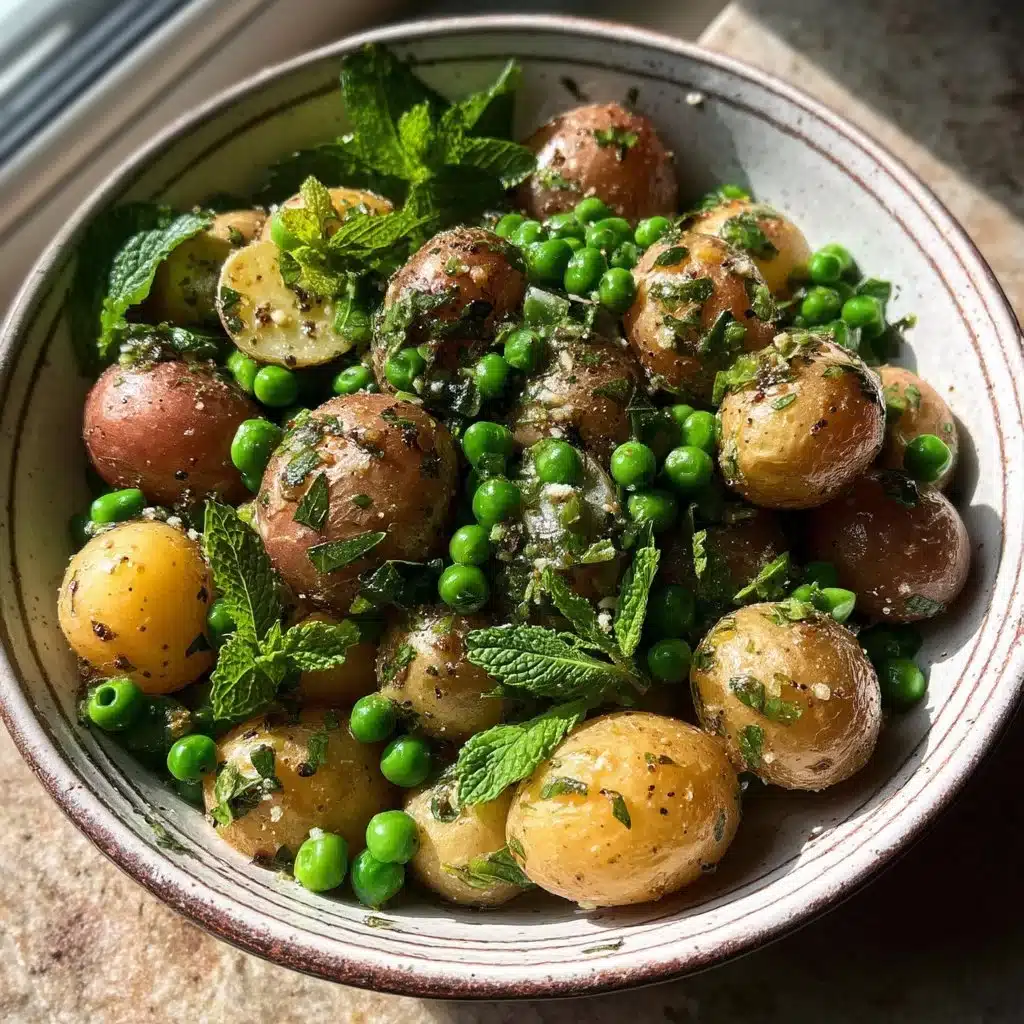
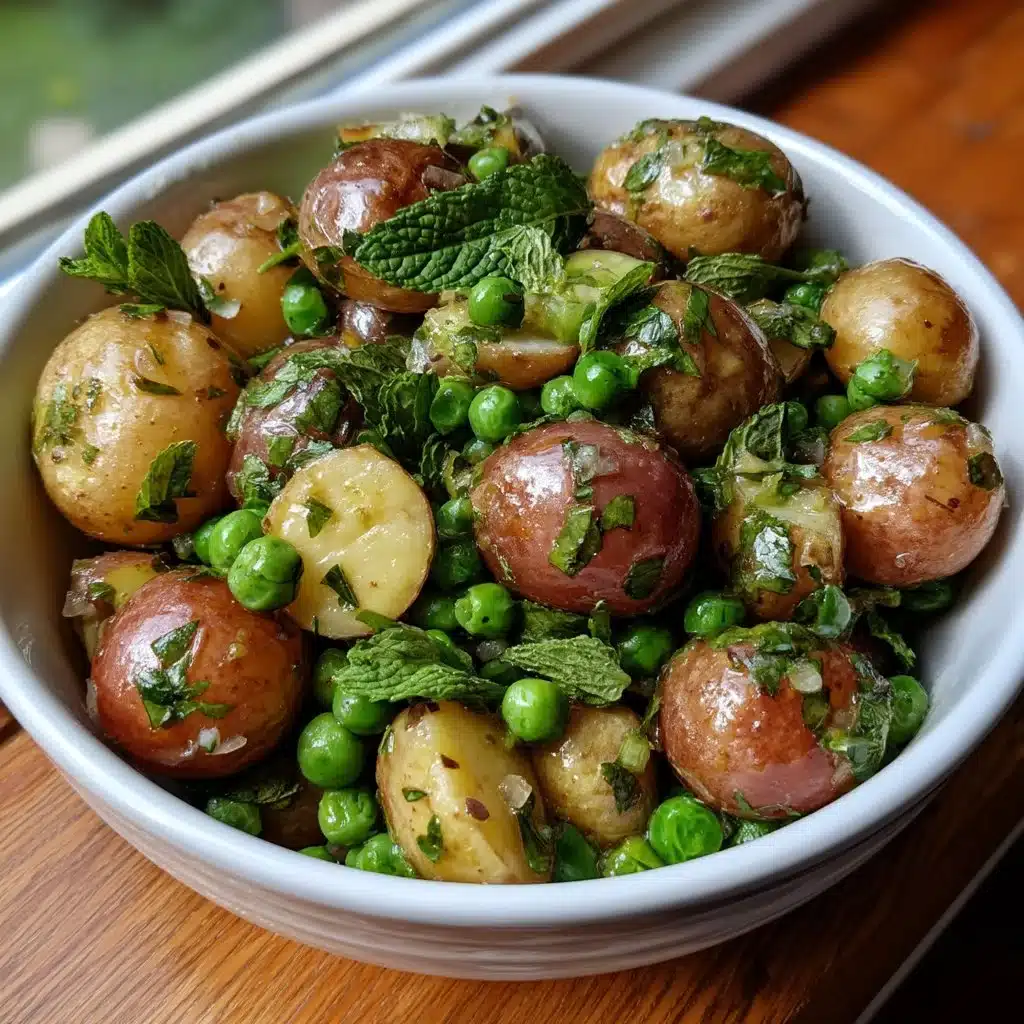
Spring Pea & Mint Potato Salad relies on contrast: warm, tender baby potatoes meet the crisp pop of fresh peas, while mint adds a cool, herbal lift that keeps the dish from feeling stodgy. Olive oil and lemon juice form a simple emulsion that clings to the cut potato surfaces, so every bite tastes balanced. The small potato pieces create more surface area, which helps dressing and mint coat each piece evenly.
This recipe uses fresh peas for texture and bright taste; when available, skip frozen peas. Fresh peas bring a clean sweetness and a slightly firmer bite that complements the soft potatoes. The lemon juice adds acidity to cut the starchiness, and olive oil provides richness without overwhelming the vegetables. Salt and pepper finish the salad; season in layers—during boiling and again in the dressing—to build depth. I link this dish to other potato-focused recipes in our collection, like the creamy mashed potatoes guide, because understanding a potato’s texture helps you choose the right cooking time and cut for salads versus mashes.
How to prepare Spring Pea & Mint Potato Salad
Ingredients
- 2 pounds baby potatoes
- 1 cup fresh peas
- 1/4 cup fresh mint leaves, chopped
- 1/4 cup olive oil
- 2 tablespoons lemon juice
- Salt and pepper to taste
Instructions
- Boil baby potatoes in salted water until tender, about 15-20 minutes. Drain and let cool.
- Once cooled, cut potatoes into halves or quarters.
- In a bowl, combine the chopped mint leaves, olive oil, lemon juice, salt, and pepper.
- Add the potatoes and fresh peas to the bowl and toss gently to combine.
- Serve chilled or at room temperature.
Serving ideas
Serve this salad as a refreshing counterpoint to rich mains. Pair it with grilled chicken or salmon to give the plate a bright, herbal element. For a vegetarian spread, set it beside roasted asparagus, a simple green salad, and crusty bread. If you want to build a picnic plate, tuck the salad into a container next to hard-boiled eggs and a jar of pickles—the textures play well together.
To make it a main-dish salad, stir in a can of drained white beans or a few torn pieces of cooked prosciutto. Scatter toasted almonds or walnuts on top when you want crunch. For a brunch buffet, serve the salad with smoked trout or a soft cheese; the lemon and mint will lift the heavier flavors. Keep bowls of extra lemon wedges and flaky salt nearby so guests can adjust the seasoning to their taste.
Storage tips
Store this potato salad in an airtight container and keep it chilled. It will taste best within 2 to 3 days. The longer it sits, the more the potatoes soak up dressing and the mint softens, so plan to eat it sooner rather than later. If you plan to prepare ahead for a gathering, make the components separately: cook and cool the potatoes, blanch the peas briefly and chill them, and store chopped mint in a small container. Dress the salad up to an hour before serving so the mint stays vibrant.
Avoid freezing this salad. Freezing breaks the potato’s texture and turns peas mushy. If you need to refresh leftovers, add a splash of lemon juice and a drizzle of fresh olive oil, then toss gently to revive brightness and loosen any congealed dressing.
DishGrub Kitchen Tips
Measure salt for the cooking water the same way every time—a tablespoon per quart works well for seasoned potatoes. Start tasting the dressing before you add potatoes; balance lemon and oil to your preference. If lemon bites too sharply, add a touch more olive oil or a pinch of sugar to round it out. Keep mint leaves whole until just before chopping to preserve volatile oils; bruised mint turns bitter.
Use a fork to test potatoes rather than judging by time alone—sizes vary. If you plan to serve the salad at room temperature, let the potatoes cool to at least warm rather than piping hot so the peas don’t cook further. If you want a creamier finish, fold in a tablespoon of plain yogurt or crème fraîche at the same time you mix the dressing.
Recipe variations
Add chopped shallot or green onion for a mild bite. Stir in a handful of halved cherry tomatoes for color and extra acidity during summer months. Swap lemon for white wine vinegar or sherry vinegar if you prefer a subtler sour note. For a Mediterranean twist, add a tablespoon of capers and a sprinkle of crumbled feta.
If you want protein, toss in flaked canned tuna or diced cooked chicken. For a grain boost, fold in a half cup of warm cooked farro or barley; the grains soak up dressing and turn the salad into a more substantial meal. Use basil or tarragon instead of mint for a different herbal character—each herb shifts the salad’s personality, so pick what pairs best with the rest of your menu.
Common questions
How do I make this salad ahead of time?
Make the components separately for best texture: boil and cool the potatoes, blanch and chill the peas, and mix the dressing and chopped mint in a small container. Store everything chilled and assemble the salad about an hour before serving so the mint stays fresh and the potatoes don’t over-saturate. If you must dress the salad further in advance, add the mint at the last minute.
Can I use frozen peas instead of fresh?
Yes. Thaw frozen peas under cold running water or briefly blanch them to revive color and texture. Pat them dry before adding to the salad to avoid watering down the dressing. Frozen peas will still taste good, but fresh peas keep a firmer bite and a sweeter note if you can get them.
Should I leave the potato skins on?
Yes. Baby potato skins add texture and nutrients, and they help the salad hold together. Just scrub the potatoes clean before boiling and trim any rough spots. If you prefer a smoother mouthfeel, peel larger potatoes before cooking.
Why did my salad turn mushy?
You likely overcooked the potatoes or let the salad sit too long after dressing. Cook potatoes until just tender and cool them quickly; dress the salad close to serving time. Also avoid freezing the salad—frozen potatoes and peas break down and get grainy.
How much salt should I use?
Season the boiling water with about a tablespoon of salt per quart to infuse the potatoes from within. Season the dressing with a pinch or two and taste; you can always add more. Adjust seasoning after you combine everything because potatoes absorb salt differently depending on their size and freshness.
Conclusion
For an inspiring take on this flavor combination and another practical recipe, see the original Potato Salad with Fresh Mint & Peas at Eckert’s Farm: Potato Salad with Fresh Mint & Peas – Eckert’s Farm.