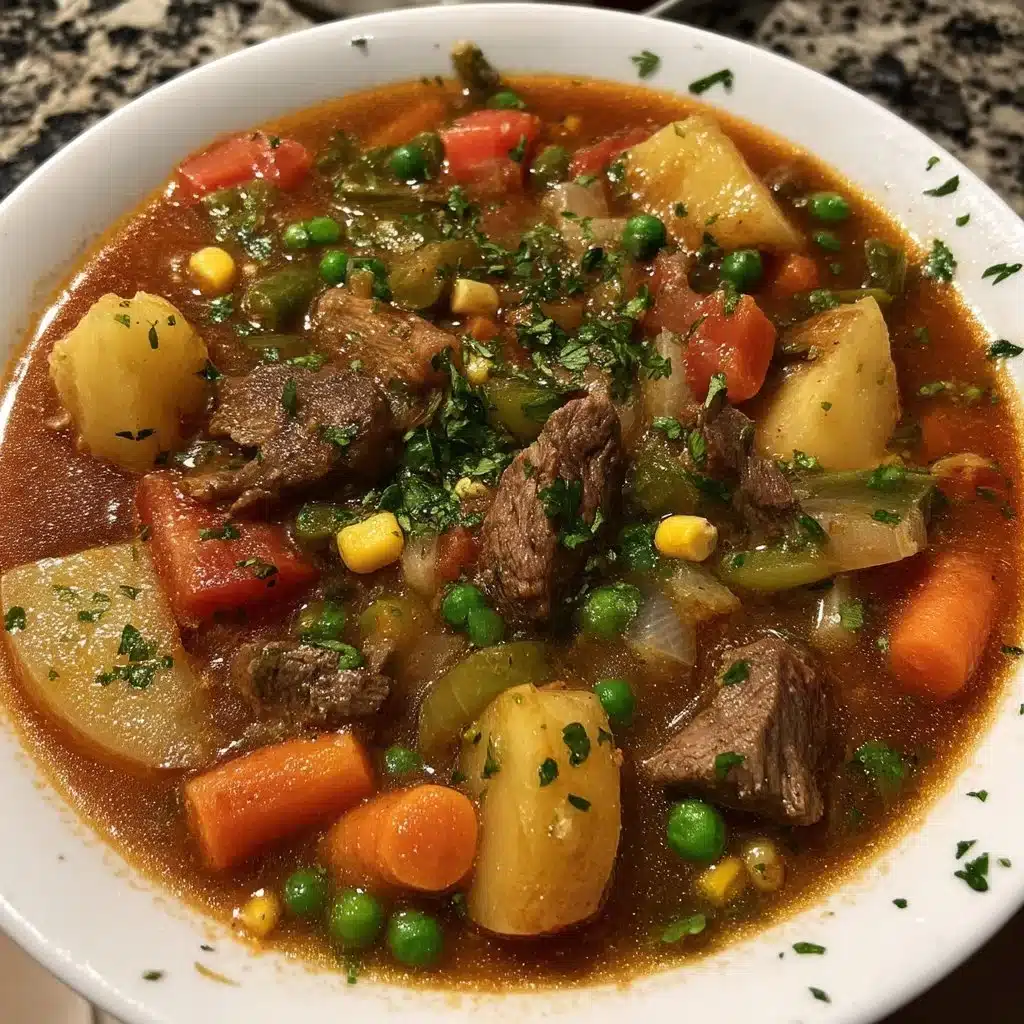
I still remember the first time I slow-simmered a pot of vegetable beef soup on a blustery evening and the way the whole house shifted toward comfort. The aroma of browned beef, garlic, and thyme pulled everyone from different rooms to the kitchen before dinner even hit the table. We ladled steaming bowls, passed crusty bread, and ate until forks slowed and smiles stayed. That memory lives in every pot I make the ritual of cutting carrots into even rounds, the satisfying sizzle when meat hits the pan, the low, patient simmer that turns simple ingredients into something soulful. That’s the kind of food I aim to write about: honest, unfussy, and entirely built for sharing.
At DishGrub we test recipes until they behave predictably in real kitchens. We focus on the kind of one-pot meals you can throw together on a weeknight, then serve proudly on a weekend. This vegetable beef soup balances beefy depth with bright vegetables so it feels nourishing, not heavy. If you like this kind of cozy stew, you might also enjoy our winter-ready hearty winter vegetable soup, which leans into seasonal vegetables and similar, no-fuss techniques. Our goal is to give you recipes that work at home: clear steps, smart swaps, and tips that help you handle what your pantry and schedule hand you.
I write for cooks who want food that feeds both the belly and the day-to-day: recipes that simplify without skimping on flavor. You’ll find tested timing, approachable techniques, and a few reliable tricks in the sections ahead so you can make a pot of vegetable beef soup that becomes a favorite in your rotation.
Why this recipe stands out
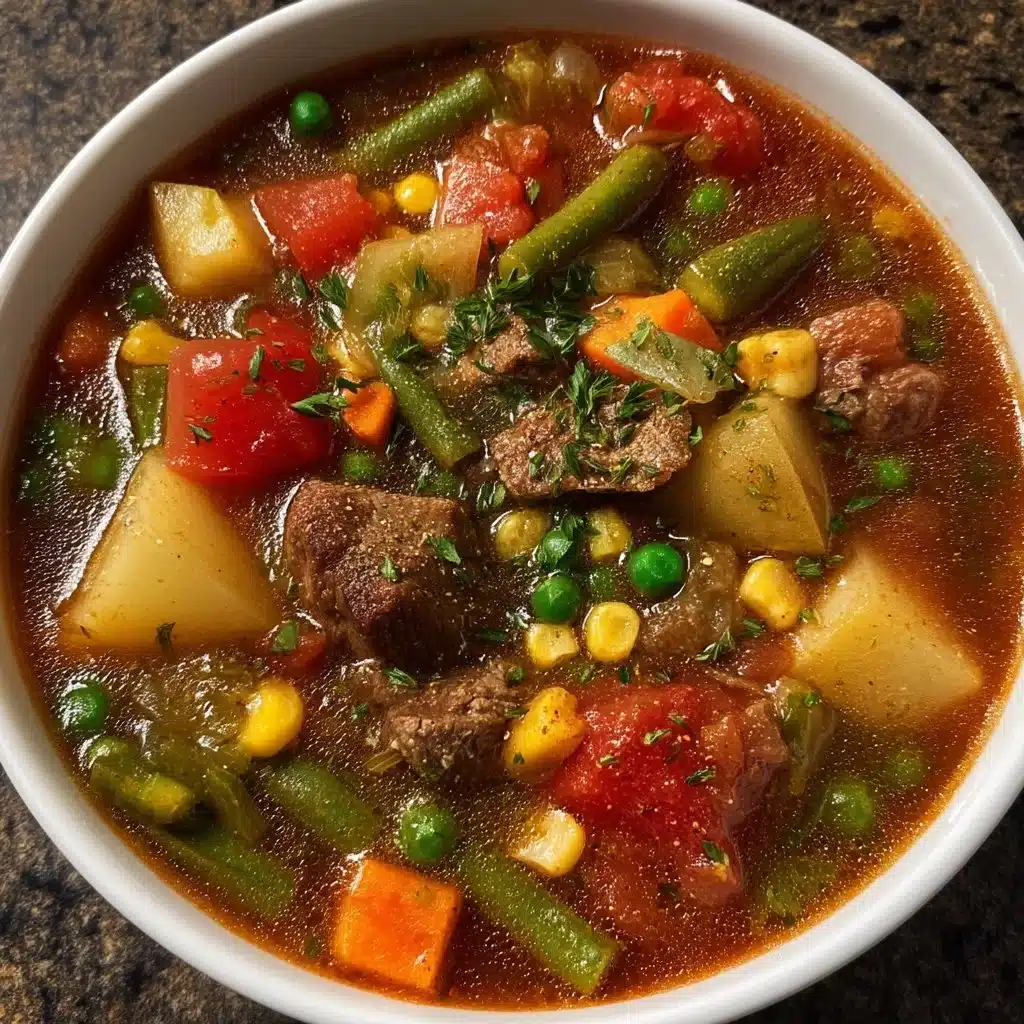
This soup hits three things home cooks care about: flavor, ease, and flexibility. Browning the beef builds the savory backbone, while the low simmer melds the broth, tomatoes, and vegetables into a cohesive bowl. You get rich beef flavor without relying on long braising or expensive cuts. The recipe uses common pantry and fridge staples, so you can pull it together on short notice. It scales up easily for a family or provides plenty of leftovers for lunches.
The mix of root vegetables and a frozen blend gives texture and color. Adding canned tomatoes brightens the broth and balances the beefy richness. If you want a heartier bowl, the soup welcomes pearls of barley, a handful of small pasta, or a spoonful of mashed potato. If you prefer lighter fare, cut back on the potatoes and let the mixed vegetables carry the day. Overall, this recipe stands out because it reliably delivers a bowl of comfort without a long list of fiddly steps.
How to prepare Vegetable Beef Soup
Start with mise en place: chop the onion, carrots, celery, potatoes, and mince the garlic so you can move through the steps without scrambling. Heat the oil, brown the beef in batches, then use those fond bits to deepen the soup. Build layers of flavor by sautéing aromatics after the meat, then deglaze with the beef broth. Simmer long enough for the beef to become tender but not so long that the potatoes fall apart. Add frozen mixed vegetables late so they stay bright and tender instead of mushy.
This approach gives you control over texture and timing. If you want to speed things up, use a pressure cooker or Instant Pot to tenderize the beef in a fraction of the time; I’ll include those notes in the tips section. The instructions below follow a straightforward stovetop method that works in any kitchen.
Ingredients
- 1 lb beef stew meat
- 4 cups beef broth
- 1 cup carrots, chopped
- 1 cup potatoes, diced
- 1 cup celery, chopped
- 1 can diced tomatoes
- 1 onion, chopped
- 2 cloves garlic, minced
- 1 teaspoon dried thyme
- Salt and pepper to taste
- 2 cups mixed vegetables (peas, corn, green beans)
- 2 tablespoons olive oil
Instructions
-
Heat olive oil in a large pot over medium heat.
-
Add the beef stew meat and brown on all sides.
-
Add the onion and garlic and cook until they soften.
-
Pour in the beef broth and bring it to a boil.
-
Add the carrots, potatoes, and celery; season with thyme, salt, and pepper.
-
Reduce the heat and simmer for about 1 hour until the beef becomes tender.
-
Stir in the canned tomatoes and mixed vegetables; cook for an additional 10 to 15 minutes.
-
Adjust seasoning to taste and serve the soup hot.
How to serve this dish
Serve this soup in deep bowls with a spoonful of rustic charm. A warm, crusty baguette or buttered dinner rolls work perfectly for sopping up broth. For a heartier meal, place a thick slice of toasted sourdough or grilled cheese on the side. Offer grated Parmesan or a drizzle of good olive oil for finishing touches.
If you want family-style comfort, set out bowls of chopped parsley, crushed red pepper, and shredded cheese so people can personalize their bowls. For a lighter presentation, serve with a crisp green salad and a wedge of lemon to brighten each spoonful. Leftover bowls benefit from a quick splash of fresh herbs or a few drops of vinegar to wake up the flavors before reheating.
How to keep leftovers
Cool the soup quickly before refrigerating: divide it into shallow containers to get the temperature down fast. Store covered in the fridge for up to 3 to 4 days. Reheat on the stove over medium-low heat, stirring occasionally, until warmed through. Add a splash of broth or water if it seems too thick after sitting.
For longer storage, freeze the soup in airtight containers or heavy-duty freezer bags for up to 3 months. If you plan to freeze, consider leaving the potatoes out or cutting them slightly larger; potatoes can become mealy after freezing and thawing. Thaw overnight in the refrigerator and reheat gently on the stovetop. Avoid freezing if you add a lot of dairy or delicate greens; add those fresh when you reheat.
Recipe tips for success
- Brown the meat in batches. Crowding the pan steams the beef instead of browning it, which reduces flavor. Brown in batches and return all meat to the pot before adding broth.
- Use a good beef broth. A flavorful broth makes a big difference. If you have homemade or low-sodium store-bought, use it and adjust salt at the end.
- Build flavor in layers. Sauté the onion and garlic after removing browned meat from the pot to pick up fond. Deglaze with a bit of broth if the pan looks dry.
- Keep the simmer gentle. A rolling boil will toughen meat and break down vegetables too fast. Aim for a low simmer to tenderize the beef without falling-apart vegetables.
- Add frozen vegetables late. Stir frozen peas, corn, and green beans in during the last 10 to 15 minutes so they retain texture and color.
- Taste and adjust at the end. Low-sodium broths and canned tomatoes vary in salt; season at the end so you don’t oversalt early on.
- To thicken, mash some potatoes against the side of the pot or whisk a small slurry of cornstarch and cold water into warmed broth. Add a little at a time until you reach the desired consistency.
Make it your own
Swap proteins: use bone-in stew meat for richer flavor, or choose ground beef browned and drained for a quicker weeknight version. For a lighter option, substitute cubed chicken thighs or turkey. Vegetarianize the recipe by swapping the beef for hearty mushrooms and using vegetable broth.
Change the starch: add 1/2 cup barley with the carrots and potatoes and simmer until tender, or add small pasta shapes in the last 10 minutes instead of mixed vegetables. If you prefer a thicker, stew-like bowl, add a grated potato early in the simmer and mash a portion to thicken naturally.
Turn up the flavor: add a tablespoon of tomato paste when sautéing the onion for deeper tomato notes, or stir in a splash of red wine with the broth. For a smoky twist, stir in a teaspoon of smoked paprika. Add fresh herbs like thyme or parsley at the end for brightness, or a bay leaf during simmering for background depth.
Customize the veg: swap the frozen mix for diced squash, chopped kale, or spinach added at the end. For autumn flair, toss in cubed sweet potato in place of white potato. Adjust the thyme to rosemary for a piney aroma, or add a pinch of red pepper flakes for heat.
Frequently asked questions
Q: Can I use ground beef instead of stew meat?
A: Yes. Brown 1 pound of ground beef in the pot, breaking it up as it cooks, then drain any excess fat before adding the onion and garlic. Because ground beef cooks faster than stew meat, you can skip the long simmer for tenderness and simply simmer the vegetables until tender, about 25 to 30 minutes. Keep in mind the flavor profile shifts slightly ground beef gives a more uniform meaty texture rather than the chunky bites from stew meat.
Q: How can I thicken the soup without changing the flavor?
A: Use a couple of easy methods. Mash a portion of the cooked potatoes against the pot’s side and stir; the released starch naturally thickens the broth and keeps the flavor on point. Alternatively, make a cornstarch slurry by mixing 1 tablespoon cornstarch with 1 tablespoon cold water and whisk it into the hot soup, simmering 2–3 minutes until it thickens. Add the slurry slowly until you reach your desired consistency.
Q: What’s the best way to reheat leftover soup?
A: Reheat gently on the stove over medium-low heat, stirring occasionally to warm evenly. Add a splash of water or broth if the soup has thickened in the fridge. Microwaving works too reheat in a microwave-safe bowl in 60- to 90-second bursts, stirring between intervals. If your leftovers include pasta or delicate vegetables, add a bit of broth and heat slowly to avoid overcooking.
Q: Can I make this in a slow cooker or Instant Pot?
A: Yes. For a slow cooker, brown the beef first on the stove to build flavor, then transfer everything to the slow cooker and cook on low for 6 to 8 hours or high for 3 to 4 hours. Add the mixed frozen vegetables in the last 30 minutes. For an Instant Pot, brown the meat using the sauté function, then add broth and vegetables and cook on high pressure for 20 minutes followed by a natural release. Finish by stirring in the frozen vegetables and simmering briefly to heat through.
Q: Will the potatoes get mushy if I make this ahead?
A: Potatoes can soften after extended reheating or freezing. To avoid mushiness, cut potatoes into larger cubes and undercook them slightly during the initial simmer so they hold up through reheats. If you plan to freeze, consider leaving the potatoes out and adding freshly diced potatoes when you reheat on the stove.
Conclusion
For a tested, fuss-free take on a classic, this vegetable beef soup fills bowls and hearts with minimal effort; for another well-tested, cozy option check out Vegetable Beef Soup – Cooking Classy for additional inspiration and variations.
Print
Vegetable Beef Soup
- Total Time: 85 minutes
- Yield: 6 servings
- Diet: None
Description
A cozy vegetable beef soup that balances rich beef flavor with bright vegetables, perfect for sharing on a chilly evening.
Ingredients
- 1 lb beef stew meat
- 4 cups beef broth
- 1 cup carrots, chopped
- 1 cup potatoes, diced
- 1 cup celery, chopped
- 1 can diced tomatoes
- 1 onion, chopped
- 2 cloves garlic, minced
- 1 teaspoon dried thyme
- Salt and pepper to taste
- 2 cups mixed vegetables (peas, corn, green beans)
- 2 tablespoons olive oil
Instructions
- Heat olive oil in a large pot over medium heat.
- Add the beef stew meat and brown on all sides.
- Add the onion and garlic and cook until they soften.
- Pour in the beef broth and bring it to a boil.
- Add the carrots, potatoes, and celery; season with thyme, salt, and pepper.
- Reduce the heat and simmer for about 1 hour until the beef becomes tender.
- Stir in the canned tomatoes and mixed vegetables; cook for an additional 10 to 15 minutes.
- Adjust seasoning to taste and serve the soup hot.
Notes
Serve with crusty bread or grilled cheese for a heartier meal. Personalize with toppings like grated Parmesan and fresh herbs.
- Prep Time: 15 minutes
- Cook Time: 70 minutes
- Category: Main Course
- Method: Stovetop
- Cuisine: American